Home appliances as accelerator of the smart home
Jonathan Spencer Jones
Posted on: 21 April 2026
In this Brussels Energy Brief, home appliances are in the spotlight as the cornerstone of a ‘flexible’ home.
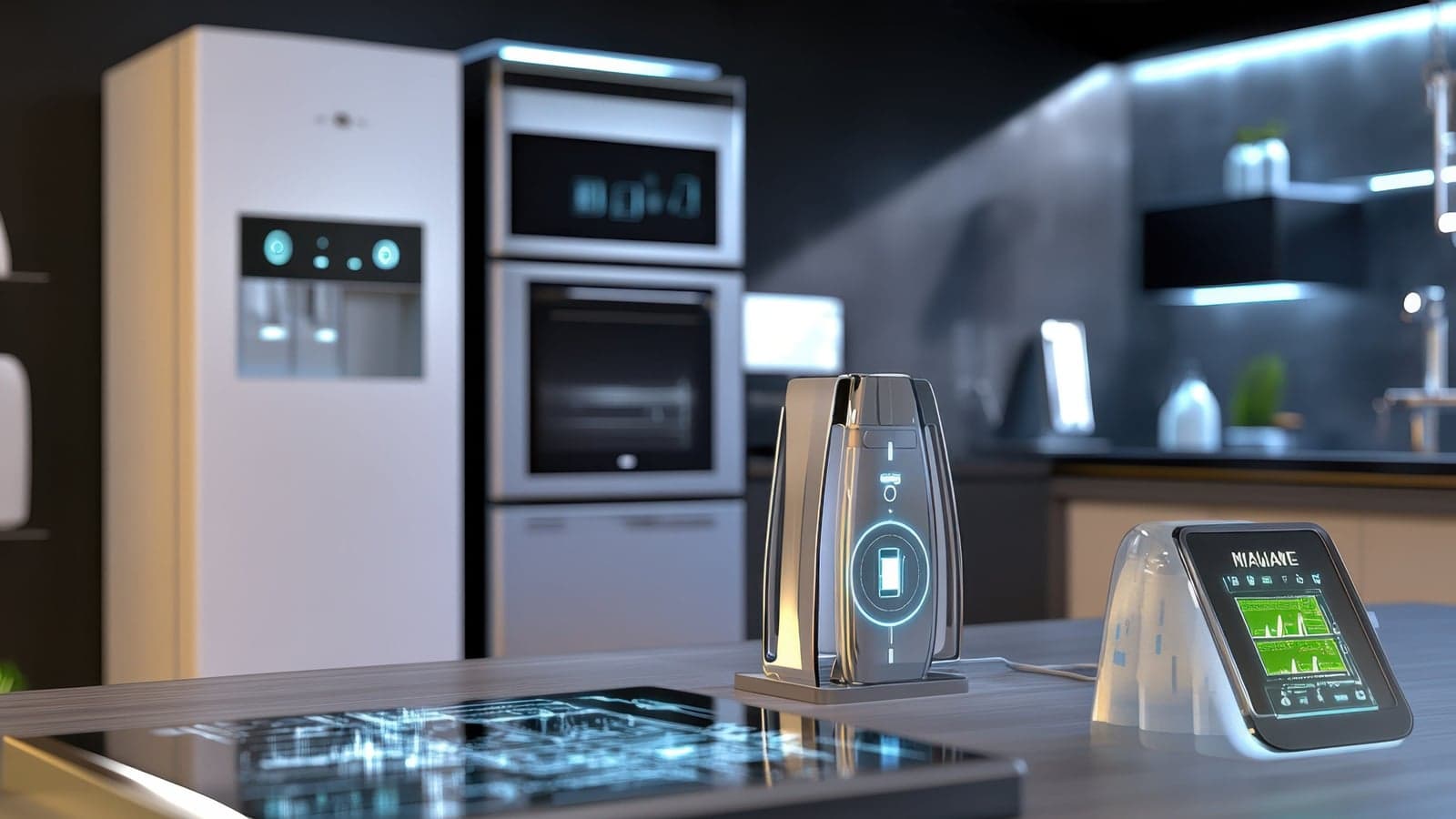
For most people, the purchase of home appliances is based on issues such as looks, practicality and cost and country of origin is, if at all, likely to be low on the list of considerations.
But given that such purchases are generally infrequent and often unplanned, when the older model is too costly to repair or has ceased working altogether, consumers need to know that the appliance that they want is available.
In today’s world with its supply chain blockages and a tendency to minimise stock levels, that is not always possible and gives impetus to efforts by the European home appliance trade association, APPLiA, to ensure the continuance of the industry in the region.
Also of interest
Flexibility, digitalisation and the energy nexus: How EU projects are shaping smarter energy systems
According to APPLiA, three quarters of appliances sold in Europe are manufactured domestically, with the industry providing almost one million jobs and €44 billion in EU supplier spending.
To engage MEPs, APPLiA held a debate in the European parliament in the second week of April 2026. Points reported as emerging were that the debate is no longer about targets but about delivering them and whether the products that make the transition happen will still be made in Europe.
The playing field is not level. Rising energy costs, access to critical raw materials, overlapping regulations and uneven enforcement were repeatedly cited as barriers undermining competitiveness and discouraging investment in Europe.
There also are barriers to the cross-border circulation of products, with fragmented rules and inconsistent enforcement.
Lack of demand for secondary products also was cited as an issue for circularity, with the suggestion of recycled targets in addition to recycling targets, and the CBAM (carbon border adjustment mechanism) and trade protection also should extend across the full value chain.
The debate rounded off with a call to the Commission for an EU action plan for the home appliance industry, built around competitive manufacturing conditions, regulatory simplification and investment in innovation.
The industry also feels that its ‘voice’ needs to be heard more regularly in EU policy discussions.
APPLiA's Secretary General, Paolo Falcioni, commented: "Europe has set ambitious climate goals, and our industry is one of the sectors making them real in people's homes. But ambition alone doesn't keep factories open or supply chains intact. We need the Commission to recognise home appliances as a strategic sector with an action plan that gives manufacturers the confidence to keep investing here. So far that recognition hasn't come.”
The mention of innovation is particularly important, given that home appliances, suitably equipped, can form the cornerstone of consumer flexibility.
With the proposed action plan I suggest it should go further and extend to the smart home and in particular to the home or building energy aspects. To parrot the IEA’s “no AI without energy”, there is no smart home without energy and the core of any smart home or building should be the energy management products.
Despite the widespread growth in small scale distributed energy resources, the concept of the ‘smart home’ seems to have fallen by the wayside, with advances mainly in the hands of consumer electronics manufacturers.
With his portfolio combining energy and housing, Commissioner Jørgensen is uniquely placed to reinvigorate and drive the smart home and smart building concept in Europe – with the support of organisations such as APPLiA and the manufacturers of appliances and other products.
Do you agree?