How Siemens and Alliander out-smarted Dutch grid congestion
Kelvin Ross
Posted on: 23 June 2026
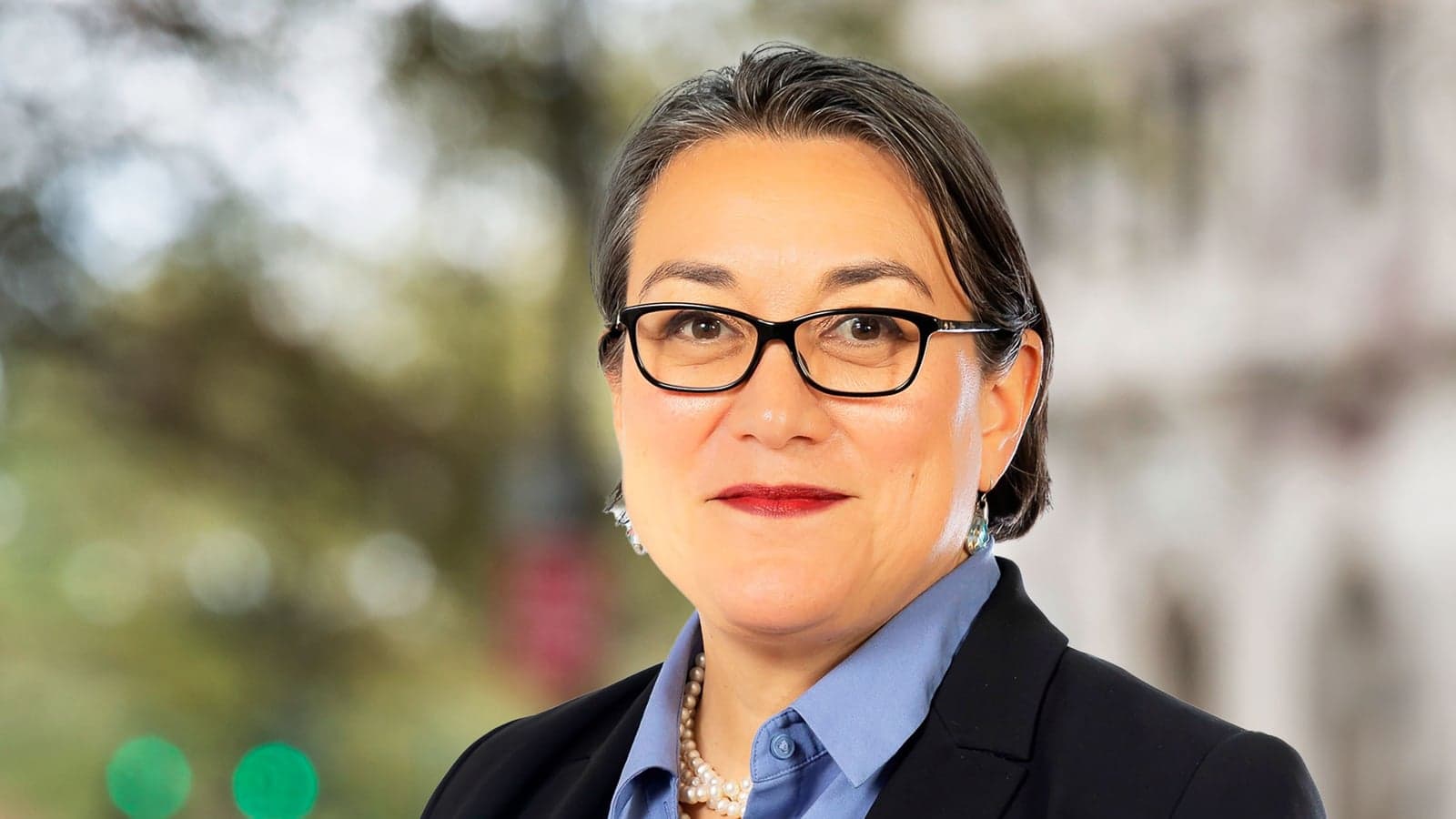
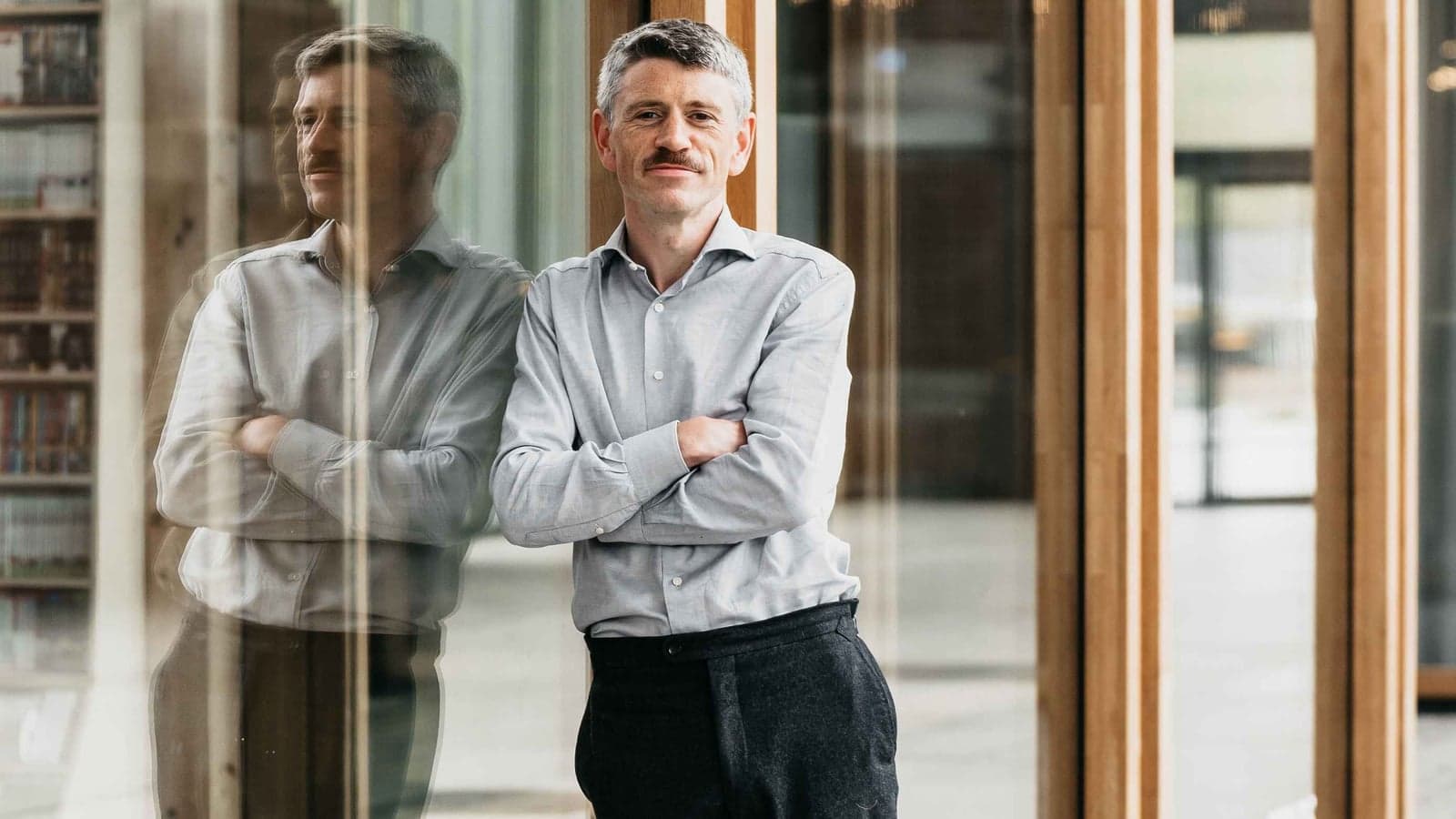
Sabine Erlinghagen and Joris de Groot talk exclusively about a collaboration which pushed the envelope of grid flexibility.
We are told repeatedly by those working in the power and utilities sector that the key to delivering and accelerating the energy transition is collaboration.
But how does that meeting of minds work in practice?
To find out, I’m sitting with two minds who met when together they tackled the well-known grid congestion challenges in the Netherlands.
Sabine Erlinghagen is chief executive of Siemens Grid Software, and Joris de Groot is chief transition officer at Alliander, the largest network operator in the Netherlands, covering roughly 40% of the country.
Alliander has become the first utility to integrate its own custom-built applications directly into Siemens’ Gridscale X platform, a collaboration which has unlocked flexibility in the choked Dutch grid.
Read more:
Siemens and Alliander put flexibility at core of grid congestion solutions
But how did the journey to bring the two companies together begin. The answer, says de Groot, was the realisation within Alliander headquarters that “we were being limited by our own constraints”.
Innovation ‘co-parenting’
The company had developed its own business unit to think outside the box on grid congestion solutions, and although highly successful and innovative, de Groot concedes that at Alliander “we are not in the platform development business”.
“So, we said, ‘let's partner’. Sometimes, you need to let go of something that you're excited about, right? It's not killing your darling… it's kind of bringing it to someone else as a co-parent.”
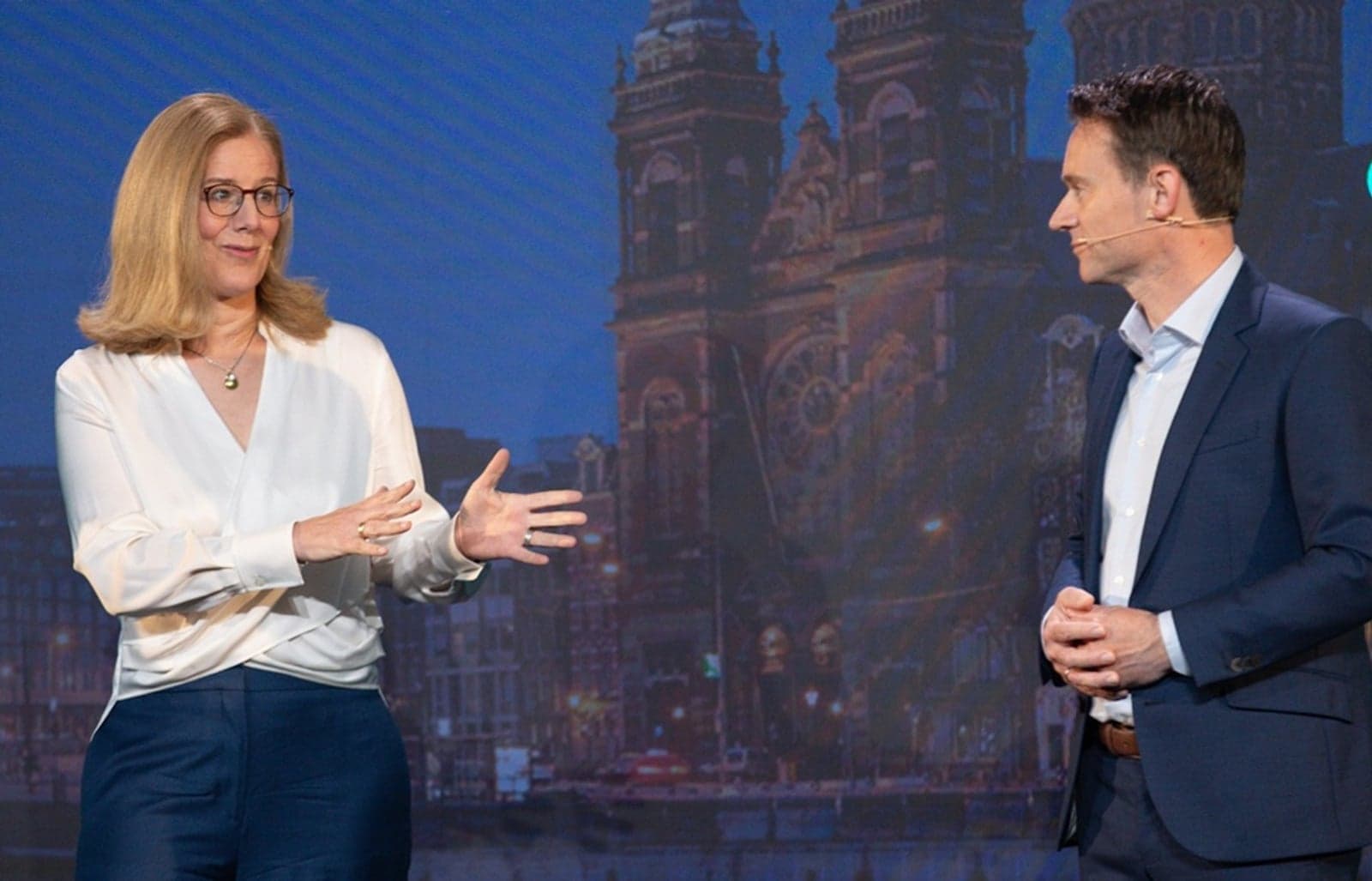
And after “an intensive selection process”, here he is sitting alongside ‘co-parent’ Erlinghagen after they unveiled their collaboration at the Siemens Grid Summit in Amsterdam.
Erlinghagen says that she was surprised at the culture within Alliander which saw the company willing to push the envelope on grid automation.
You skipped from a VW Golf Mark II to autonomous driving. That ambition and boldness surprised me.
To illustrate the leap she believes the Dutch TSO has made, she uses a driving analogy: “If 20 years ago you put me in a VW Golf Mark II and told me, ‘now go to autonomous driving’, I would have been scared to sit in that autonomous car. What Alliander did is they went from that Golf to autonomous driving overnight.”
Turning to de Groot, she tells him: “You skipped all the intermediate steps of cruise control, lane assistance, and parking things. In your vision, you skipped right to autonomous driving. And that ambition level and boldness surprised me. And inspired me.”
What they both agree upon is that their collaboration meets a need for speed: an urgency for action on grid congestion.
“We are in a hurry,” says de Groot. “I feel the pressure of the constraints in the Dutch energy system: I’ve got 10,000 B2B customers on a waiting list. So, yes, we're in a hurry.”
More grid congestion articles
Report warns grid issues will obstruct UK industrial success
On grids, Europe is caught between the future and the past
Octopus Energy US Chief maps the future of the grid
Erlinghagen simply says: “The truth is, we don't have time.” She has previously described grid operators as having one foot in the past and one foot in the future, and I ask her to expand on that.
“I was more thinking of paradigms,” she explains. “There's a paradigm of the past leading us to where we are, and then there's a new paradigm for the future. And in the here and now, we’ve got to deal with both at the same time. That's the complexity of the situation.”
This means, she says, that DSOs have to operate the grid “how it has always been done with the processes and tooling already there”, while at the same time “embarking on a new operating model”.
“And that’s a big stress for an organisation to do both at the same time over a period of time, until the new norm and the new paradigm fully takes over.”
Flywheel of innovation
With their collaboration now bearing fruit – Alliander has expanded medium-voltage grid coverage from 65% to 100% and migrated 85 applications onto Gridscale X – do they see their alliance as a blueprint that other DSOs can follow?
Erlinghagen is emphatic: “If we can make available what Alliander has done to other DSOs – and other DSOs make available to Alliander what they have done – then we create a flywheel of speed and innovation. That is what an ecosystem is really about.
“It’s not just a buzzword: it’s something where everybody benefits by contributing and takes something home. To me, that is the bigger vision.”
Being a DSO at the forefront of the energy transition... that's a really powerful card that we can play.
The Siemens-Alliander alliance is all about pushing the envelope of technology – but it is people who push that envelope, and de Groot is acutely aware of the opportunities – and challenges – that moving to a 21st century grid brings for the company.
“How do we make sure that we keep the talent within the company and that we add more talented colleagues?”
He says that Alliander has a strong reputation in the Dutch labour market, yet he admits that “people with tech capabilities can work everywhere”.
However, he adds an increasing number of data scientists are attracted by the “purpose” within the company: “Being a DSO at the forefront of the energy transition... that's a really powerful card that we can play.”
Did you miss...?
Siemens releases cyber solution for energy supply resilience
Interoperability critical to long-term smart grid investment
Being a software company at the forefront of the energy transition makes Siemens a similarly attractive proposition for what de Groot affectionately calls “international techie folk”.
Erlinghagen says this is because the company is always “pushing boundaries” – and those boundaries are changing all the time.
“The amount of change I’ve seen in transmission in the last 12 months… I wouldn't have predicted that five years ago. So that's something you have to react to and with that new boundary, you’ve got to push very hard.
She adds that what was once “a pretty stable industry” has changed radically. “Today, you're on your toes all the time and you're recalibrating what's the most important investment to be making and where do you make it.”
“Yeah… there’s never a dull moment,” she smiles.
Related tags
Latest content
Partner content
+3
How flexibility management software can help utilities to increase grid capacity
Fergal Burke explains how Siemens‘ digital twin technology can support TSOs and DSOs to gain critical visibility over the grid and move towards sustainable, autonomous grids.
- Enlit Editorial Team
- 23/02/2026