How Sweden is preparing for a nuclear power comeback
Pamela Largue
Posted on: 6 June 2025
-
Once a country known for anti-nuclear sentiment, Sweden has done an about-turn, providing effective financing mechanisms and regulatory frameworks designed to foster new nuclear builds.
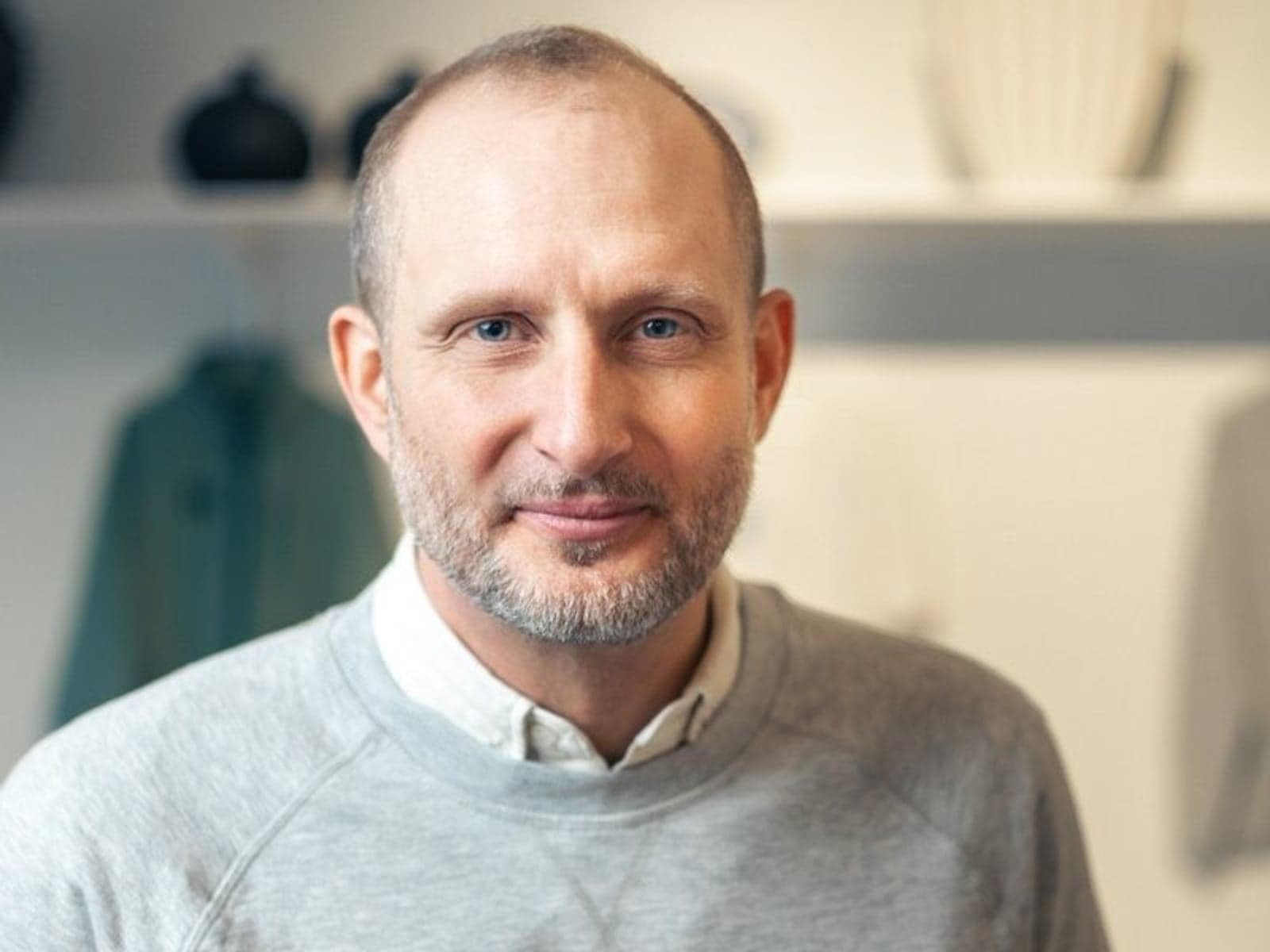
John Ahlberg, Founder of nuclear scale-up Kärnfull, believes the country is indeed positioning itself to be a leader in nuclear development.
"I think Sweden has the appetite to become the silver bullet in the European Union on how to build new nuclear," says Ahlberg.
And not only is Sweden looking to build new nuclear, it's looking to do it in new ways.
"Sweden is hell bent on proving what that model could look like, when you move away from the traditional, old way of building nuclear to a more modern way of doing it."
Ahlberg views Sweden as a sandbox for development, especially for technologies like Small Modular Reactors (SMRs).
It's the result of a big mindset shift that has been taking place over the last few years, he explains.
After the pandemic and war in Ukraine, people realised the importance of being able to produce vast amounts of dispatchable, firm clean power with a small amount of land.
People started to talk about it and have opinions about it and now, says Ahlberg, people are starting to learn why nuclear is needed.
And to understand this changing sentiment, it is important to understand the past.
It was after the Three Mile Island accident in 1979 that Sweden held a national referendum, which resulted in the Swedish parliament deciding that no further nuclear power plants should be built, and that a nuclear power phase-out should be completed by 2010.
A further indication of the country's anti-nuclear stance was the introduction of a unique capacity tax on nuclear power in the late 1990s, a tax which was later doubled in 2006.
In June 2023, however, the Swedish cabinet voted to switch the national energy target from 100% renewable electricity by 2045 to 100% fossil fuel-free electricity by 2045, a move which was seen as supporting the ongoing use and development of nuclear power.
Since that vote, it appears as if the country is making an effort to increasingly prepare for a future energy mix which includes nuclear.
Have you read?
Constellation signs nuclear PPA with Meta to support AI ambitions
Ansaldo Energia partners with Uzatom to develop nuclear tech
Sweden's favourable policy environment
Sweden's parliament recently passed legislation to finance a new generation of nuclear reactors: four large-scale reactors with an installed capacity of around 5,000MW or the equivalent in SMRs.
According to Ahlberg, the announcement reflects the broad consensus around how to meet the 300TWh of electricity demand Sweden is expecting by 2045.
"The government has been moving very quickly now to ensure that nuclear power has a chance to play its role."
Ahlberg highlighted that the financing support has accompanied recent legislative changes, updated environmental laws and revamped regulatory frameworks, all to allow for new business models that support the growth of new nuclear.
He believes this is a clear indication that Sweden is "trying to create an eco-system of level terms and building nuclear in a way that it should be built out."
Looking to SMRs
So what will the new nuclear builds look like?
Ahlberg suggested that large builds will happen, but there will be a lot of SMRs as well.
While the big builds work for state utilities, SMRs are more quickly assembled and can help with derisking projects. They will also be particularly useful in providing power for data centres and decarbonising hard-to-abate sectors, he says.
Regarding the role of hyperscalers and of AI and GPU capacity, Ahlberg says: "SMRs are perfect for that because you can do more with the redundancy situations if you build out a data centre for an AI company, you can build it out and ensure you have 99.9999% redundancy.
According to Ahlberg, what makes Sweden uniquely positioned to excel in this area is that there is a governmental push to add electrons to the grid.
The country is currently on a mission to build a fleet of SMRs, with more units co-located with data centres. "It will help to provide the hyperscalers with the PPAs they need."
Ahlberg referred to the hyperscalers and the PPAs they require: "The energy needs are crazy vast.
"AI is going to be game changing, but we need to provide it with clean power and if we don't do it with nuclear or with a grid that is stable and cost efficient, then these guys will probably go down the road of fossil fuels to fuel their AI data centres"
"It's about balancing the dream of everything that AI can achieve with making sure it's done in a sustainable way...that's really where nuclear comes in, especially SMRs"
Also of interest:
Global nuclear capacity to reach 494GW by 2035 reveals report
A new business model
Kärnfull is crafting a business model to build new nuclear, mimicking what worked in the renewables industry. In other words, explains Ahlberg, they are focused on early-stage project developers, finding the new greenfield sites, working with municipalities and local communities and getting the permits.
"Will it work in the nuclear industry? I don't know yet, but there's no other way that I can see that we will be able to triple nuclear energy..."
Sweden is at the forefront of adopting these new business models, however, the critical goal now is to reduce project risk.
Ahlberg emphasises the importance of providing investors with what he refers to as "a programme rather than a project" - a way to lessen the binary risk of something happening to a specific project
The programme involves using the same consortium of partners, the same technology, the same blueprints, says Ahlberg, which helps to derisk and gives space to bring in investors looking at hedging the risk at early project stages.
Once built, there will also be new business models for plant operators. Utilities, for example, could be attracted by the business model of not having to own the asset, but providing operations as a service.
Ahlberg is confident about the country's nuclear future and the policy and business frameworks being put in place to grow the sector.
"Right now, nuclear is in demand...It's about the excellence of execution."
Listen to the full conversation with John Ahlberg of Kärnfull in this episode of the Energy Transitions podcast.