How to deliver dependable mission-critical power in a challenging world
Guest/partner contributor
Posted on: 19 April 2023
Global pressures on electricity networks mean mission-critical system operators rely on backup power more than ever| writes Nicole Dierksheide from Kohler.

Global pressures on electricity networks mean mission-critical system operators rely on backup power more than ever. Nicole Dierksheide from Kohler explains how proven equipment can combine with emerging technologies for resilient and sustainable performance.
We live in an unpredictable world. That is as true now as it has ever been.
Extreme weather events linked to climate change and energy shocks from global instabilities have conspired to put electricity networks under intense pressure – leading to power cuts, blackouts and price rises in many countries.
For mission-critical power users such as hospitals, airports, data centres and water treatment plants, grid instability can cause severe operational problems and even threaten life.
These facilities need dependable power, 24/7, and every effort must be made to ensure continuity of supply.
Typically, that requirement involves the use of backup generators to provide resiliency.
But as the world becomes more unpredictable, mission-critical strategies require more nuanced thinking as new risks emerge.
Additional reading:
Dubai’s DEWA inaugurates solar-powered data centre
Rolls-Royce and AVK provide 3.5GW emergency power in the UK
Understanding supply and demand challenges
Before we look at how generators and other technologies might be combined to provide enhanced levels of resiliency, it is worth examining why energy networks are under such intense pressures and the impact that they can have on the grid.
At a top-line level, the answer comes down to fundamental issues linked to supply and demand.
On the supply side, geopolitical concerns have caused spikes in oil, coal and gas prices, and this volatility has fed through into a shortage of electricity during peak times.
Climate change is also dramatically impacting supply – with more unpredictable weather patterns, such as intense periods of heat and cold, changing our ability to produce electricity and predict its use.
Have you read: Why the energy crisis can be a catalyst for market transformation
Demand comes into the equation, too. The shift from petrol and diesel to electric powertrains and the digitization of many parts of industry have added to electricity consumption across the globe.
Meanwhile, the ubiquitous use of smart devices and other personal electronic equipment creates an always-on demand for data services, further increasing the load. These advances are outpacing the ability of utility providers to meet demand, particularly when ageing infrastructures need updating.
Finally, there are regulatory restrictions typically focused on emissions that also need to be considered.
These limitations have, for example, resulted in the phasing out of carbon-intensive fuel sources such as coal, creating an energy gap that has proved hard to fill.
In short, utility providers are under more pressure than ever before, which can result in grid instability and demand outstripping supply.
Generators offer tried and trusted performance for mission-critical power
Set against this context, organisations such as hospitals and data centers running mission-critical systems depend on backup technologies to provide power resiliency at times of need. Historically, generators have been the backbone of resilient mission-critical energy.
But when it comes to selecting the right generator, there is a considerable variation of design factors to be considered, such as site location, configuration, output, size, humidity, vibration, cooling, and access, to name but a few.
Increasingly, mission-critical operators are demanding highly customised and optimised solutions that are proven to protect power supplies in the most challenging operational environments.
And they want sustainability, too, achieved through activities such as consideration of Design for Environment principles and full product lifecycles to help them meet environmental targets.
These options mean that generator manufacturers must work closely with engineering consultancies, M&E contractors and end users to ensure the best package of technologies for the task at hand.
So, what best-practice techniques can be used to get mission-critical power right the first time?
Firstly, before individual customer requirements are assessed, there needs to have been a history of continuous technical development to ensure that advanced products are in place.
For example, generators must be able to generate sufficient power for the load demand while meeting the most stringent emissions standards, including ultra-low NOx and particulate matter levels, within a compact footprint.
Mission-critical generators have also needed to become more powerful over time, now extending up to 4MW in size.
And there have been rapid developments in renewable fuels. For example, adopting hydrotreated vegetable oil (HVO) – a next-generation renewable energy source made from waste products and residues such as vegetable oils, animal fats and used cooking oils – reduces net carbon dioxide emissions by as much as 90%.
The refining process means that fossil-free HVO is a superior, cleaner-burning fuel than traditional first-generation biofuels, and that feeds through into fewer emissions across its lifecycle.
Also of interest: Kohler halves carbon emissions at French HQ with switch to HVO fuel
End-users can deploy HVO in complete confidence, as it needs no adaptation for use with existing diesel engines.
It can be mixed with diesel in any blend and is highly stable, with no oxidation sensitivity - meaning it can be stored long-term.
These credentials make HVO a renewable alternative to conventional fossil diesel, providing environmentally-friendly options for the end users while reducing dependency on traditional fossil-fuel diesel supplies, which global supply challenges can often impact.
Other technologies enter the mix
For customers who desire to adopt emerging technologies, it is important to balance them with proven solutions.
For example, it is now possible to pair solar generation and batteries with a generator to take advantage of a cleaner, renewable technologies while retaining resiliency.
By following this approach, if the sun does not shine and the batteries are depleted, end users still have complete confidence that resilient power is in place.
So, let us look at the advantages and disadvantages of some of the newer technologies.
Solar generation continues to gain traction with widespread adoption globally, and there is no doubt that the abundance of solar can help drive down emissions and energy costs. Photovoltaics is also a proven technology, with many years of experience within a diverse installed base.
The challenge with solar, though, is intermittency. It only produces energy during the day, and output can vary dramatically depending on the month, hour and intensity of sun rays. Therefore, it is not a resilient energy source that can provide guaranteed production in isolation.
On the other hand, batteries can store energy for use on demand. While an electric vehicle application is not identical to energy storage, there are similarities in technology, and key learnings have been leveraged from the automotive industry.
The acceleration in adoption in the electric vehicle market has produced rapid performance advancement and economies of scale.
While batteries can store power, they cannot generate it. This means batteries require a generation source such as solar or wind, adding complexity and cost. If batteries can be charged when overall energy usage is low and discharged during the day at peak periods, this can help balance the energy demands throughout the day. But batteries, on their own, are not resilient.
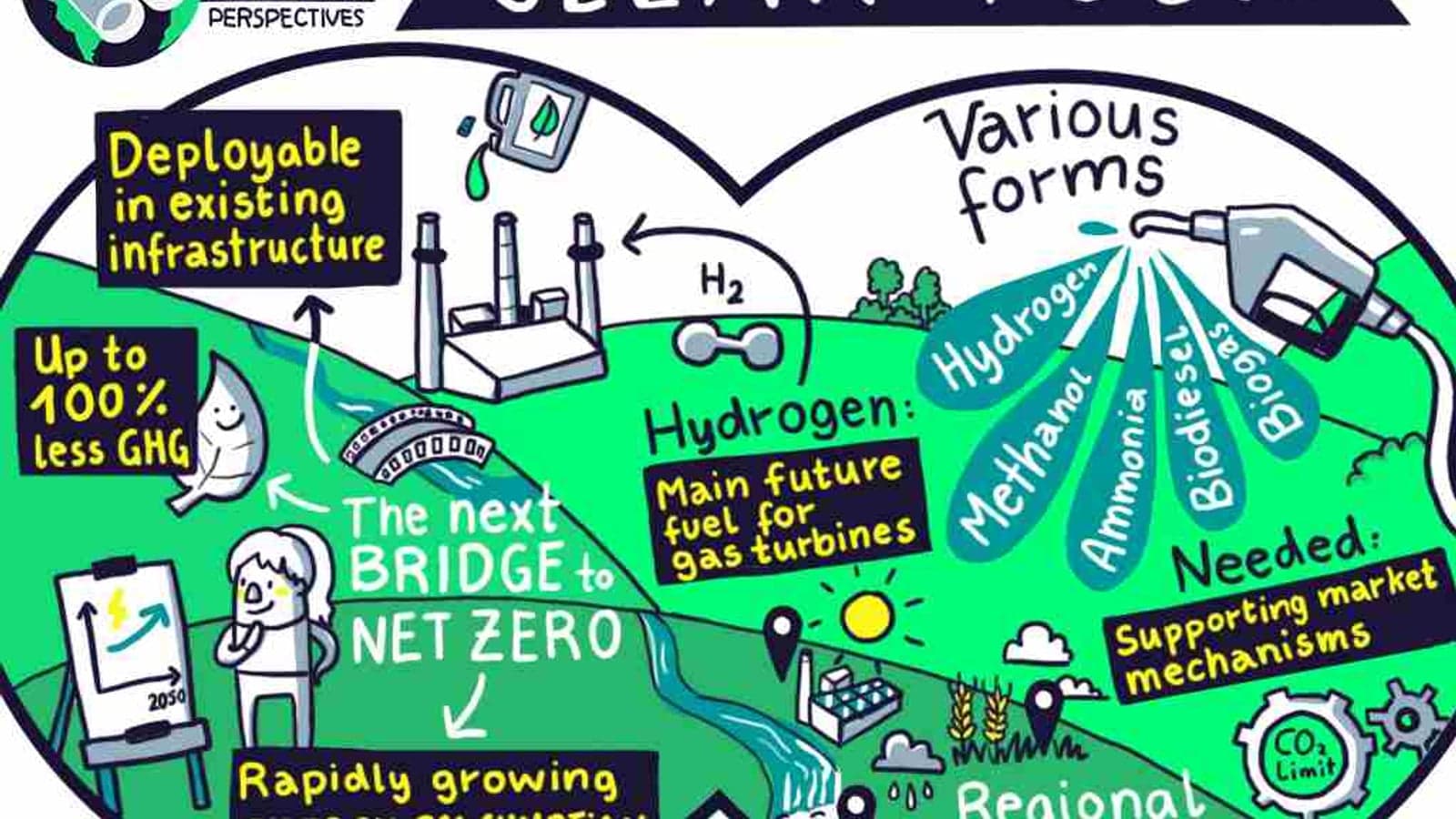
Then there is hydrogen – a promising technology that has been around for many years.
Hydrogen must be captured from renewable energy and other low-carbon sources to offer a genuinely sustainable solution. Since low-carbon sources have not been widely adopted, the ability to generate so-called green hydrogen has been limited.
Some technologies are coming to market now that are making green hydrogen available, but it needs to be ramped up to make it commercially viable. And there can be technical drawbacks with hydrogen systems, such as start-up time and the ability to manage significant changes in load.
Therefore, hydrogen is another promising technology, but it needs more infrastructure and development to become a substantial supply contributor in a resilient energy landscape.
Finding the right solution
New technologies will have a role in helping to solve the energy crisis and meet the demand of mission-critical end users. At Kohler, we take a realistic and pragmatic approach to these innovative solutions, understanding that there is no ‘one size fits all’.
Each method has strengths and weaknesses, and resiliency can only be assured by adopting the right mix of technologies, including proven equipment such as generators.
We are committed to exploring novel approaches and are well-placed to offer transparent and honest advice on the best options available.
Nicole Dierksheide is Director of Large Engine Power Systems at Kohler.