How US renewable energy is navigating the Trump era
Kelvin Ross
Posted on: 27 April 2026
CEO of American Clean Power Association says the experience of Biden and now Trump is “the best and worst of times” yet is upbeat on the future.
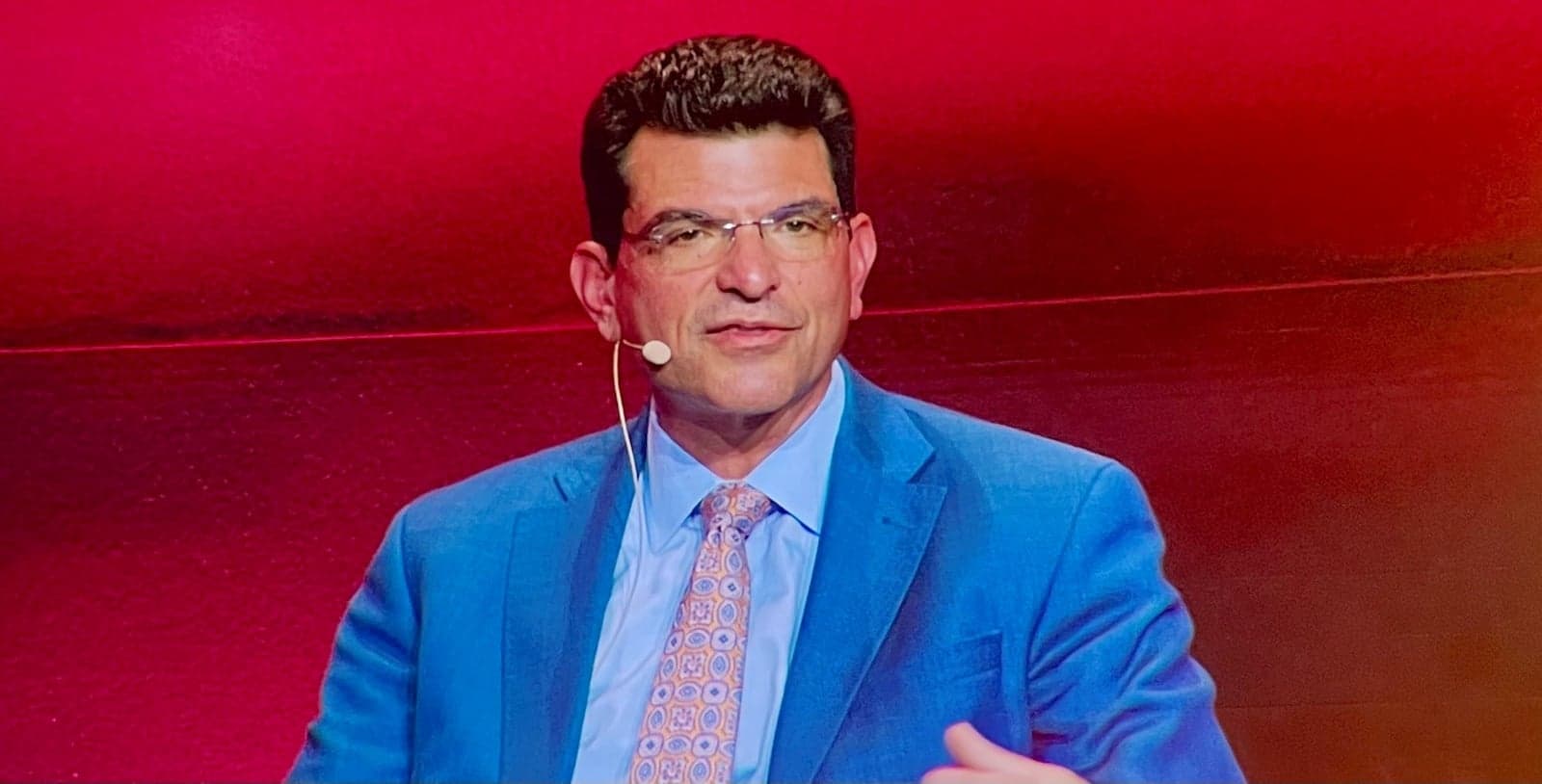
Jason Grumet borrows Charles Dickens’ opening line from A Tale of Two Cities to describe his three-and-a-half-year tenure as chief executive of the American Clean Power Association, which has encompassed both the Biden and Trump administrations.
“It’s the best and worst of times, the age of wisdom, the age of foolishness, the epoch of belief, the epoch of incredulity.”
“And that's where we are right now,” said Grumet. “We are focussed on belief far more than policy of evidence.”
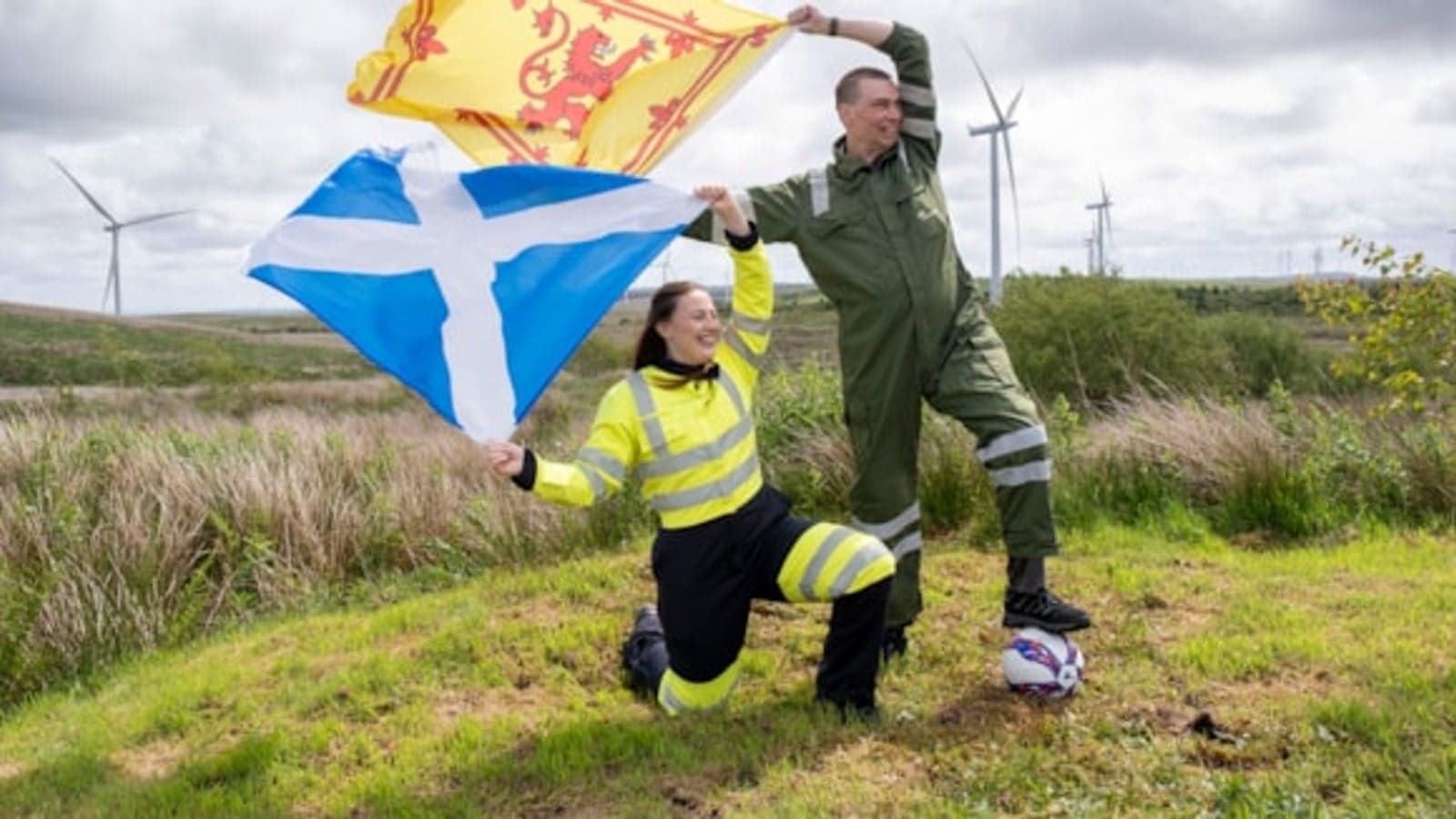
“We're a very unusual position, in which it is truly the President who has a long-standing, smouldering enmity for wind based on a personal NIMBY experience,” he said, referring to Trump’s failed bid to stop the Aberdeen Bay Wind Farm being built in 2018 next to a golf course he owns in Scotland.
Grumet’s two ‘cities’ have seen him deal with the Biden administration and then the second term of Trump, and he believes Biden had a hand in delivering that belief-over-evidence mindset.
Dishonest assessment
“The Biden administration owns some of that responsibility by arguing that we were going to have a 100 per cent renewable energy grid by 2035, which was not an honest assessment of what the United States might do,” he said at the WindEurope annual conference in Madrid.
“He [Biden] then proceeded with a tremendous amount of passion and support to pass legislation that only had votes from one partner, so we were set up with a situation in which we had an ideologically-driven ambition that was alienated to the Republican Party.
And then, he says, “the worst happened for the clean energy transition – the government flipped. And now we're dealing with a Trump administration that has an ideological fervour of antipathy, particularly towards wind power, driven by the President himself.”
Grumet says President Trump also acts in a manner that suggests “anything that was done with partisan support from the Biden administration just genetically now needs to be opposed. That's the kind of careening that we're suffering.”
We're a very unusual position in which it is the President who has a smouldering enmity for wind based on a personal NIMBY experience.
And yet Grumet told the conference audience in Madrid that there are opportunities for progress which are being driven by two indelible factors in the US.
“One is demand growth. The fact that demand is soaring creates the logic of collaboration among all the different parts of the energy industry.”
This, said Grumet, has resulted in the American Clean Power Association working closely with the natural gas and oil sectors, “because we all basically have many of the same challenges. They're also smart enough to look forward and realise that politics will change again. And I think they feel very vulnerable to this type of ideological policy exercise."
The second factor is the economic success of renewables, which has now resulted in wind or solar being the cheapest form of power in most states – most of them Republican controlled.
“That is moving us away from the need to be reliant on government,” said Grumet. He added that over the past decade it was easy for renewable detractors to undermine the technologies “because we required a coherent government policy – we depended on it”.
More from WindEurope in Madrid
Renewables are 'force for peace' says Spain energy secretary
Wind sector hits back as €500m a day cost of Iran crisis bites
But now he said the clean energy industry was the equivalent of “the kids being ready to move out of the parents' basement: there's a general sense that we no longer need that kind of government support. We're the free market”.
“I think the combination of the market fundamentals and the core economic strength of these technologies encourage us to believe we'll be able to start to stabilise US policy.”
He added that there was also a reality check across the US over other parts of the energy sector.
“It's not easy to build natural gas facilities in much of the US,” he said, and added although many advocates suggest advanced nuclear technology “is just around the corner… it is proving to be a very long block”.
Read now:
Wind power making the headlines
Onshore wind in the US is has enjoyed a boomtime in recent years – some 7GW were deployed in 2025. Yet Grumet highlights how the technology is currently on the receiving end of a “heroic collision between the best economics and the worst politics you could design. And that cataclysm is creating so much uncertainty.”
At the centre of that uncertainty, he says, is the government. “Our Department of Defence is blocking the completion of the permitting process for dozens of utility-scale projects.”
Every wind farm, he said, must be cleared to ensure it does not create interference with radar or military flights, a “technocratic process that has been going hundreds of times in recent years.
“Right now, the Department of Defence is just sitting on these final agreements. All they need is one signature, and they're just sitting on a desk. And we have a lot of Republican members of Congress who are upset about this.”
Fantastic fundamentals
While navigating this maelstrom on a daily basis, can Grumet see beyond this term of Trump?
He smiles. “The future is very bright… it’s just every day is a crisis,” he said, adding that “maintaining those two truths at the same time” is a challenge.
Yet he added that for the clean energy sector, “the fundamentals are fantastic. And at the end of the day, we've seen many times a President whose ideological energy preferences are at odds with the fundamentals – and the fundamentals always pan out.”
Indeed, he believes the sector “feels like we can be successful and competitive absent of significant federal subsidies, and that's a magical moment. This is an inflection point in this industry.”
And the Middle East crisis is adding weight to call for more clean power in the American energy mix, he believes, because it is dispelling the “mythology of energy independence”.
“The Iran war has shown us that abundance does not equal isolationism. I think the impact in the US is that, while proud of our incredible energy production and advanced natural resources, there has been an inclination to confuse dominance with isolationism.
“Dominance, however you feel about it, is a relationship. And, while it is clearly the case that we are not bringing in significant resources directly through the Strait of Hormuz, the President's implication that that means we are, therefore, somehow ‘Fortress America’ and not vulnerable to global markets, is clearly not accurate. And it is just strengthening the recognition that we should be using all domestic resources.”