HydroWing tidal turbine achieves 'breakthrough' testing milestone
Pamela Largue
Posted on: 27 September 2024
-
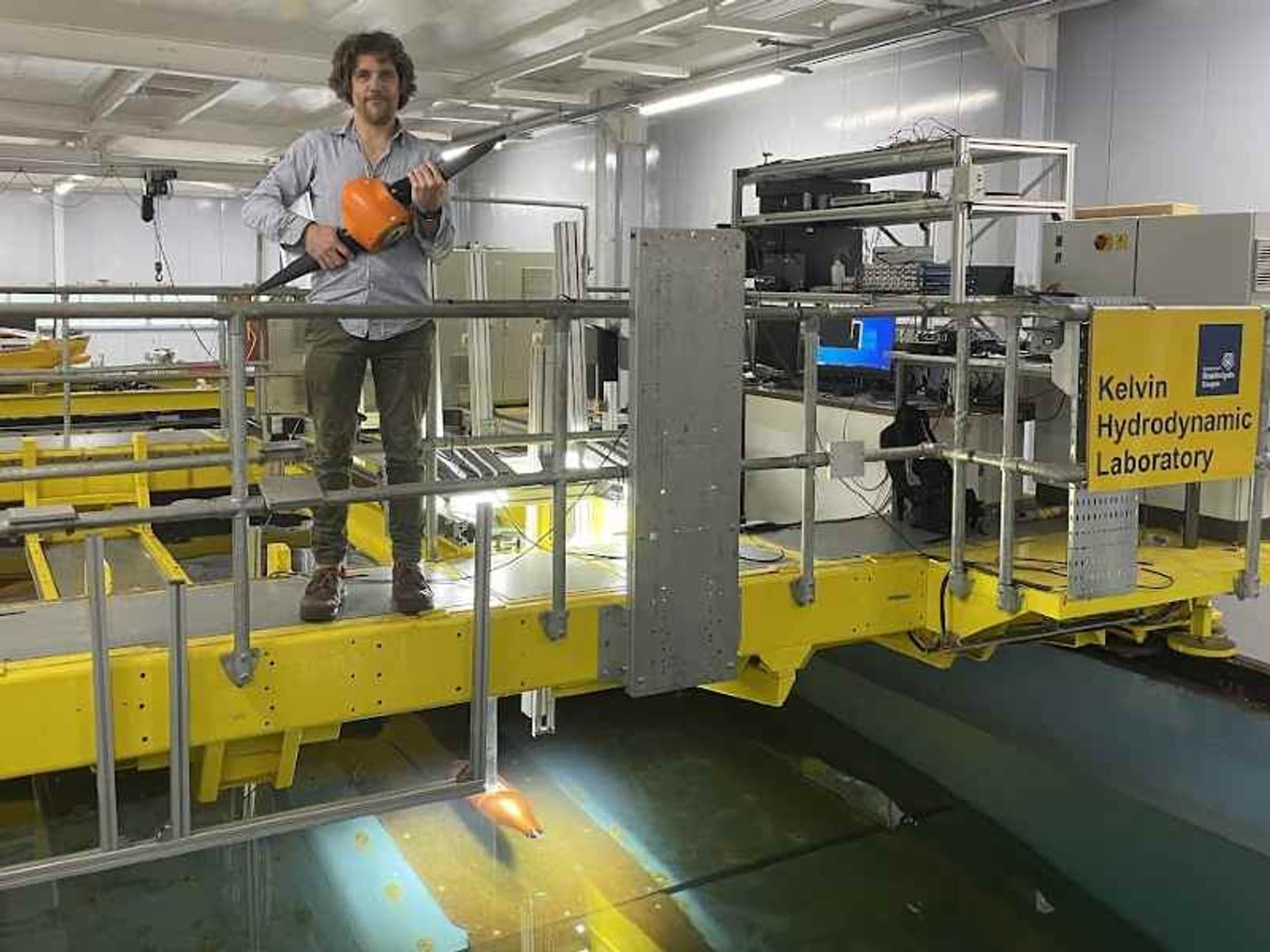
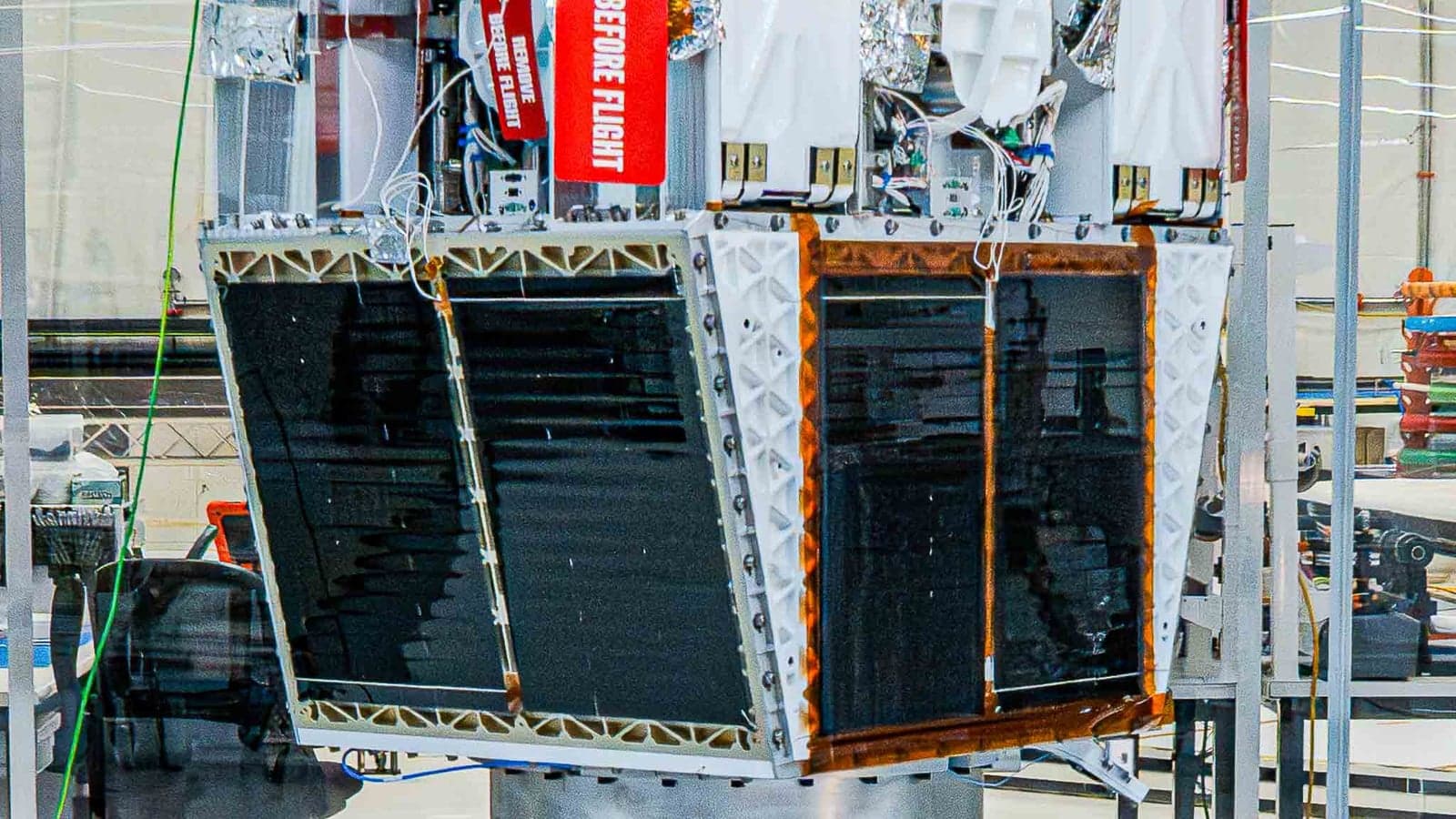
UK-headquartered Inyanga Marine Energy Group has announced they have completed hydrodynamic testing of the passive pitch unit for its patented HydroWing technology.
The hydrodynamic testing was conducted at the Kelvin Hydrodynamics Laboratory at the University of Strathclyde in Scotland.
The tests focused on the passive pitch mechanism that regulates the output of the device and protects the device from wave loadings, grid loss and storm surges.
According to Inyanga Marine Energy Group, passive pitch is more beneficial than active pitch in terms of energy yield, reliability, cost and load damping.
Have you read?
EU wave energy converter project approved for testing
DOE invests $41m to expand marine energy testing infrastructure
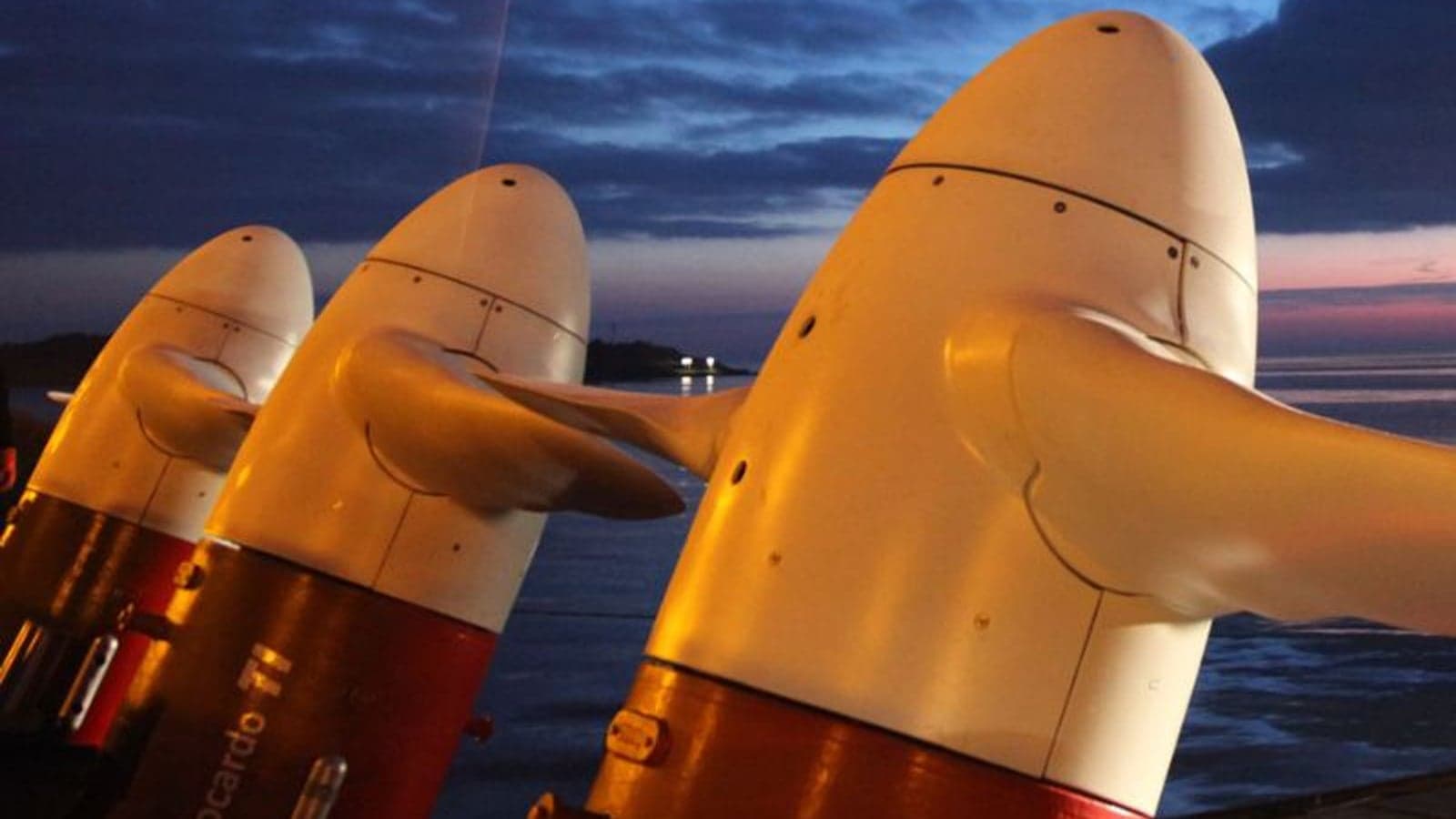
The test results have been hailed by HydroWing’s R&D team as a breakthrough that confirms the blade rotor on HydroWing’s tidal energy device can automatically regulate its pitch using its self-adjusting system.
Richard Parkinson, CEO of Inyanga Marine Energy Group, commented on the results and the milestone they represent to the team: "Our engineering team have excelled in delivering a game-changing turbine and blade solution which doubles annual energy production, making our Morlais 20MW project highly investable.”
“With this new pitch regulation system, the blade rotors can now scale to twice the swept area, whilst ensuring safety and efficiency, even in the harshest ocean conditions. This technology advance unlocks new possibilities for harnessing marine energy at a larger scale and paves the way for future innovations in predictable sustainable power generation."
In September this year, Inyanga Marine Energy Group was awarded a further 10MW for their tidal energy project at Morlais in Anglesey, Wales, through Allocation Round 6 (AR6) of the UK government’s Contracts for Difference (CfD) scheme.
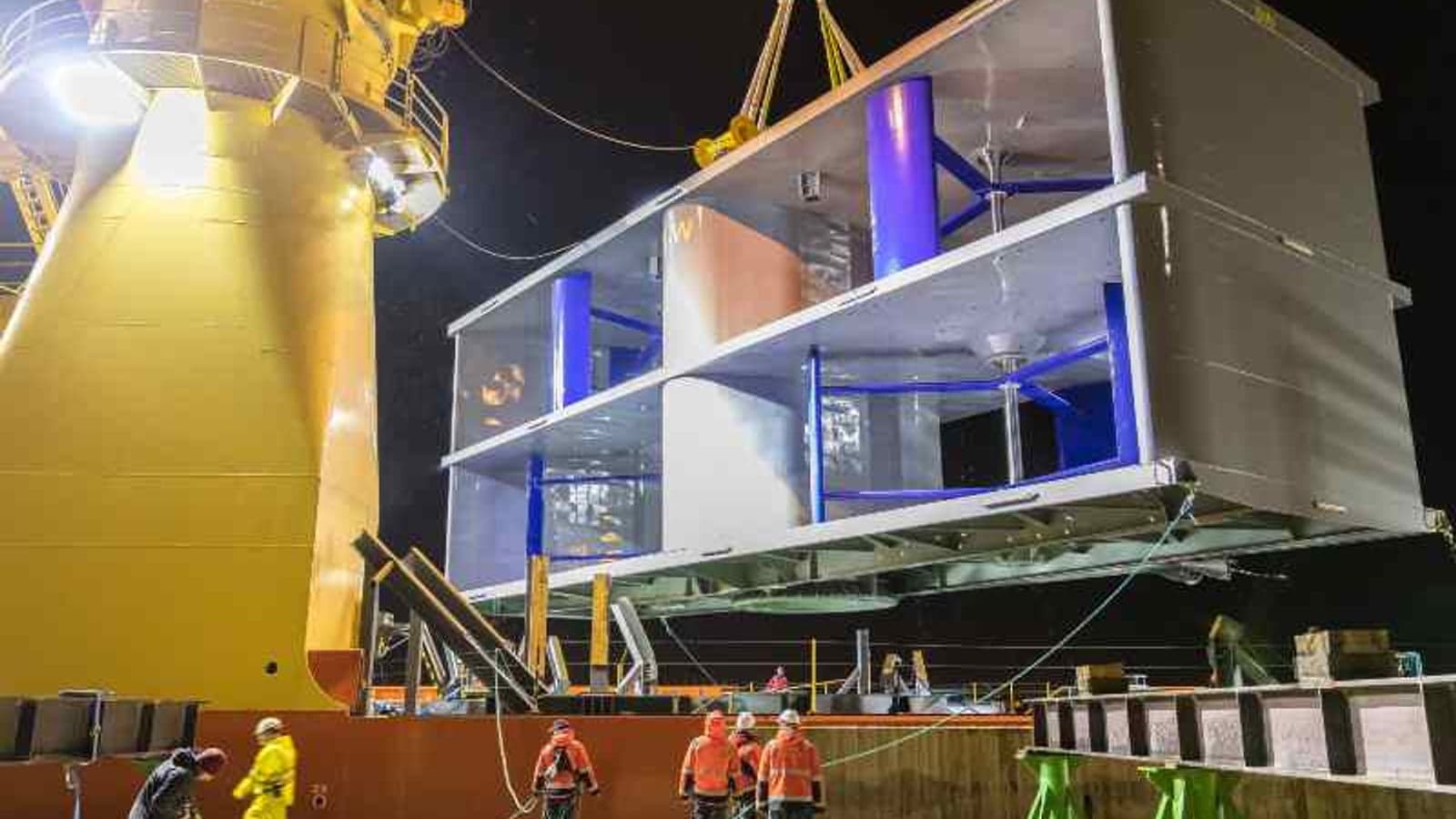
The Morlais tidal energy project is run by Menter Môn Morlais initiative. All necessary infrastructure is is already installed in the zone, including a connection to the national grid and two substations on the shore.
Now that the passive pitch technology has been successfully tested, HydroWing will continue with validating a full scale test rig.