Ineffective technology is damaging oil and gas industry innovation
Guest/partner contributor
Posted on: 6 November 2023
Oil and gas companies are under increasing pressure to redefine their capabilities; optimize production processes| infrastructure| and logistics.

Oil and gas companies face a number of challenges as they strive to maintain their innovative edge.
According to Nate Bridges, subject matter expert at NavVis, these companies are under increasing pressure to redefine their capabilities; optimise production processes, infrastructure, and logistics; effectively coordinate scarce industry professionals; and focus on environmental sustainability.
This pressure comes from factors such as capital projects consistently going over budget and not making their targeted schedule constraints; the need to improve environmental operations; or the element of keeping up with innovation and being the ‘first in class’.
However, the motivation and desire to innovate are clearly present across the sector, with research from GlobalData showing that over 534,000 patents were filed and granted in the oil and gas industry in the last three years alone.
Oil and gas companies are constantly evolving their sites, for example, through processing unit expansions or debottlenecking – but being innovative requires careful planning before beginning any project.
Have you read?
Fervo Energy breaks ground on next-gen geothermal project
Partnership explores wave energy to extend life of oil and gas hubs
Planning shouldn’t be seen as a laborious, cost intensive hurdle to innovation, rather a process to manage evolution the right way. Oil and gas companies need solutions that work quickly and reliably so businesses can secure constant access to the data they need to successfully improve their operations.
Most tech solutions in the oil and gas sector are outdated
The difficulty for an organisation to successfully plan updates on a site without a clear picture to work from can lead to financial challenges. Planning based on an outdated understanding of a site means that when it comes to implementation, a company may have dimensional errors or have judged the space inaccurately, so they have to factor rework within the project costs, which can have a heavy financial impact.
Digitally managing a site involves using laser scanning technology to capture it. With a digital twin of a physical site, organisations can determine how to best develop and optimise their operations efficiently and transparently.
However, a laser scan is a snapshot in time, and the longer it takes to secure that snapshot, the less value it can provide to the business. Traditional approaches still have limitations in this sense. With static laser scanning technologies, for example, it can take an organisation more than a year to capture a site, minimising any potential efficiency gains down the road.
Oil and gas companies are considering alternative solutions to support their planning of the construction of facilities, turnaround support and management of sites. The next form of innovative technology will take a site plan from “what-if” to “what-will” happen.
The most efficient way to produce a reliable and up-to-date digital twin of a site is by using mobile laser scanning. This innovative form of mapping technology uses Simultaneous Localisation and Mapping (SLAM) algorithms and cloud-based processing to enable reality capture at the speed of walking, and more automated processing and alignment. This approach provides a more complete digital representation of the space in a fraction of the time compared to traditional versions of scanning methods.
Also of interest
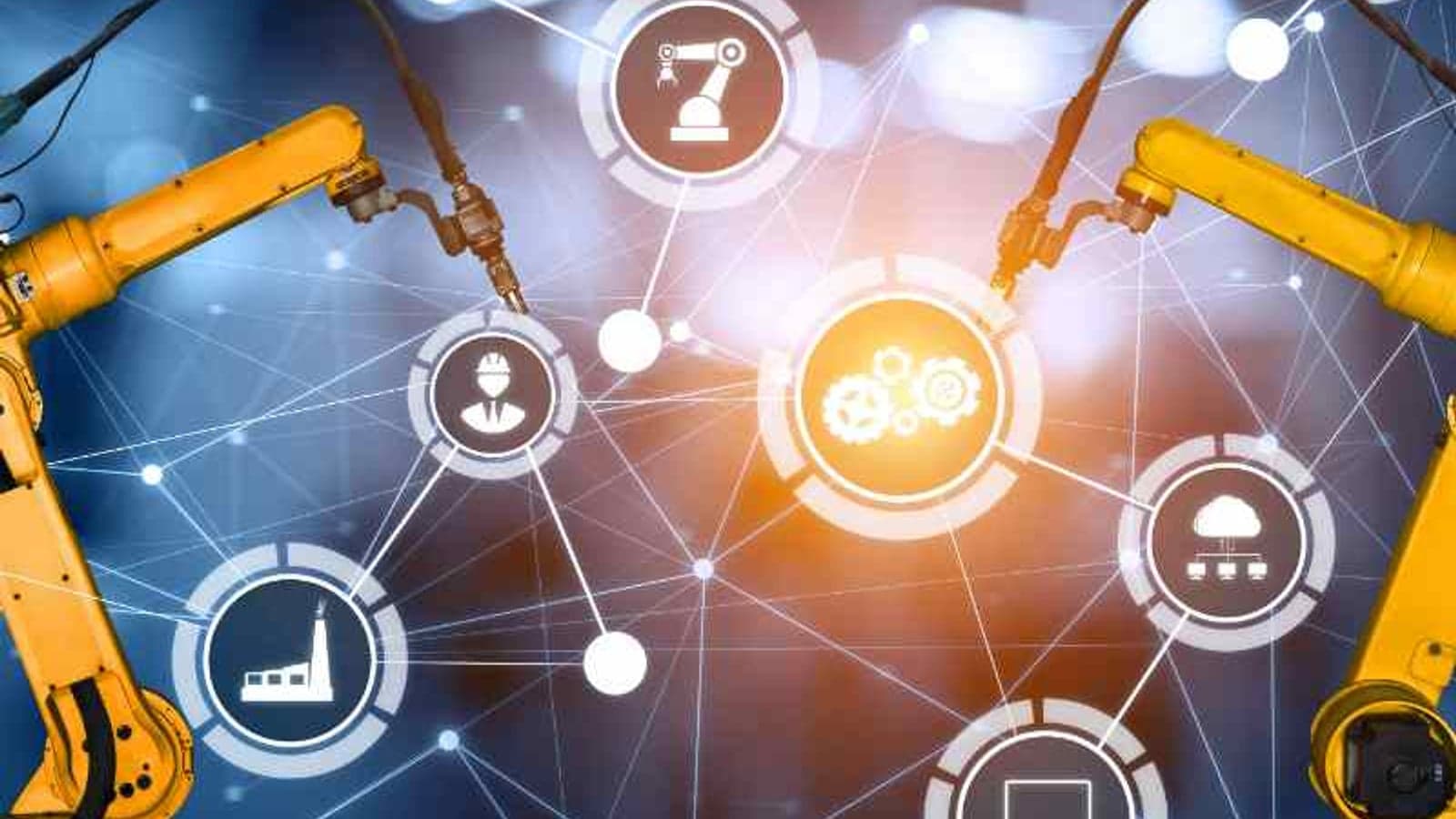
TotalEnergies adopts robot fleet management to automate operations
Achieving net-zero targets through digitally enhanced technology solutions
Improving operations from a cost, safety, and planning point of view can now involve using mobile mapping to create a digital twin of an area. Securing a digital source of truth means workers can detect early signs of failing equipment and fix the problem, avoiding issues at a later point. It also means fewer employees need to be sent to dangerous or remote locations, and companies can simulate activities in a virtual environment prior to implementing a workflow in the field.
A digital twin can improve performance and productivity from ideation and conceptual phases to operations and maintenance. The oil and gas industry is at the beginning stages of its digitisation journey, and companies need to consider how the technologies they implement today will lay the foundations for processes and technologies of the future.
Diversifying access to the industry through greener operations
Digital twins also have the potential to help accelerate the energy sector on its green journey by offering a wealth of data that can help businesses assess and improve their environmental performance. For example, facilitating access to and interconnection of information about how much energy it is using to develop a site; where it can reduce waste; and supporting emissions management through scenario simulation.
Alongside this, digitisation reduces unnecessary travel to a site, which can help the organisation become more climate-conscious, and rapidly improves time-to-value across all projects.
The technology also enables the acceleration in low-carbon energy transitions by speeding up the engineering of projects on renewables, hydrogen, and carbon capture storage, and supporting advanced energy and material efficiency operations.
Most importantly, the oil and gas sector needs to diversify access to the industry on its path to net zero. Currently, the industry relies on knowledge built from years of experience in the field – but innovative reality capture technology such as digital twins can help mitigate any issues this poses once experienced people leave the business.
Facilitating the transmission of knowledge and accelerating training can help open the sector up to new talent. Implementing technology solutions that evolve the way the industry is used to operating is one of the key ways to achieve this.
Innovating across any industry can pose challenges. For the oil and gas sector, it’s about overcoming outdated solutions and focusing on technologies to unlock a whole host of benefits for the industry. From improving performance and productivity, to helping businesses make better use of their assets and resources, all the way through to enabling a greener way to do things, digital twins can help the oil and gas sector usher in the next phase of its journey.
It’s now up to the sector to take the step towards a more seamless way of operating and ensure it is evolving successfully.
About the author:
Nate Bridges is a seasoned professional with over ten years of comprehensive experience in the oil and gas industry. In his career, Nate has led many laser scanning and survey projects, demonstrating his adept skills in conventional laser scanning methods and state-of-the-art mobile mapping.
Presently, Nate is the NavVis subject matter expert in the oil and gas industry. His role capitalises on his experience and leading-edge knowledge to provide critical insights, enable advanced digital solutions, and direct strategic decisions that propel the industry forward.
Related tags
Latest in Digitalisation
All articlesMembers only content
+3
Cybersecurity and digital infrastructure resilience for a complex grid
Cybersecurity is considered the second most significant threat facing the energy sector after geopolitical issues including conflicts, trade wars and access to critical minerals.
- Enlit Editorial Team
- 03/06/2026