Is regulatory risk a threat to Europe’s energy security?
Pamela Largue
Posted on: 19 June 2023
To what extent does regulation create insecurity, and is there a case to remove some of the powers from the regulators?
Excessive market intervention damages energy security, conference told
To what extent does regulation create insecurity, and is there a case to remove some of the powers from the regulators, essentially federalizing the powers of regulation?
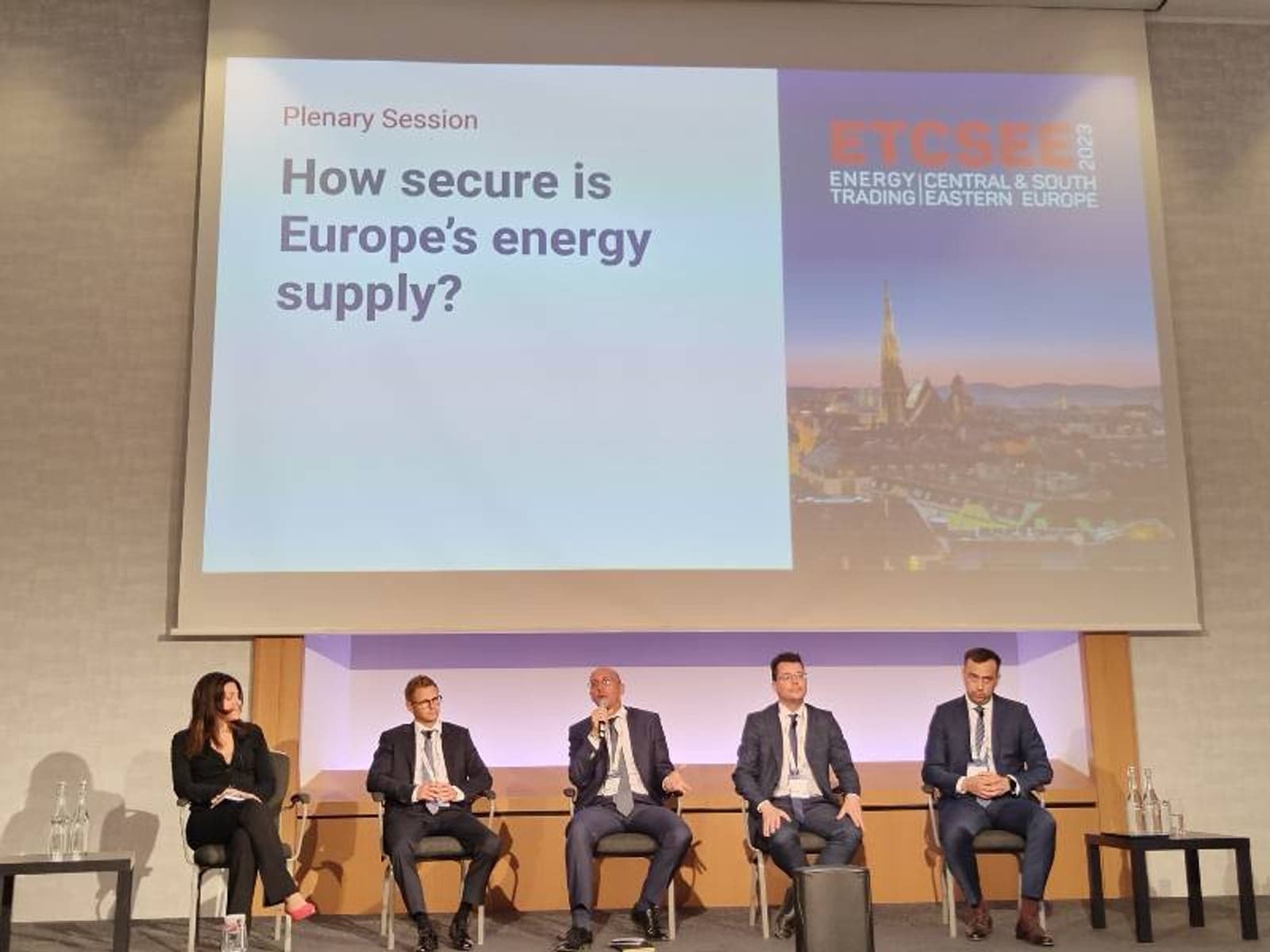
These were key questions asked at an ETCSEE panel discussion aimed at unpacking the risks to Europe's energy security.
Rather than geopolitical strife, it appeared as if excessive market intervention was the biggest culprit.
According to Davide Rubini, head of regulatory affairs at Vitol, regulatory risk is a challenge and comes with a long-term, expensive price tag.
"Once you intervene you make the market accustomed to the possibility of market intervention, investors will ask questions and traders will think twice on whether they are able to take longer term commitment or not."
Have you read?
The new normal for Europe’s energy sector ‘is thinking out of the box’
There is another element that policymakers need to keep in mind, said Rubini: "Creating this habit and the fear of every time there is a problem, the regulator jumps in with something new - it's probably not ideal."
Jasmina Trhulj, head of electricity unit at Energy Community, also agreed that the regulatory framework can be more of a hindrance than an asset. "We are living in such dynamic times and we know that regulation is very slow, to bring it into force and to phase it out - this will not work in the very dynamic environment, which will only increase with the energy transition."
To be able to ascertain how secure Europe's energy supply is, panellists agreed that it depends on the fundamentals, the many players now on the global market scene and of course, the weather.
Listen:
Energy Transitions Podcast: Changing market dynamics in South Eastern Europe
In terms of policy, there seems to be a theoretical agreement for some market intervention with minimal interference in the purity of the price signal.
Also, markets must remain the ultimate focus and goal of policymakers, with the priority being on market efficiency to ensure a balance between supply and demand.