Italy passes law limiting solar installations on agricultural land
Pamela Largue
Posted on: 7 May 2024
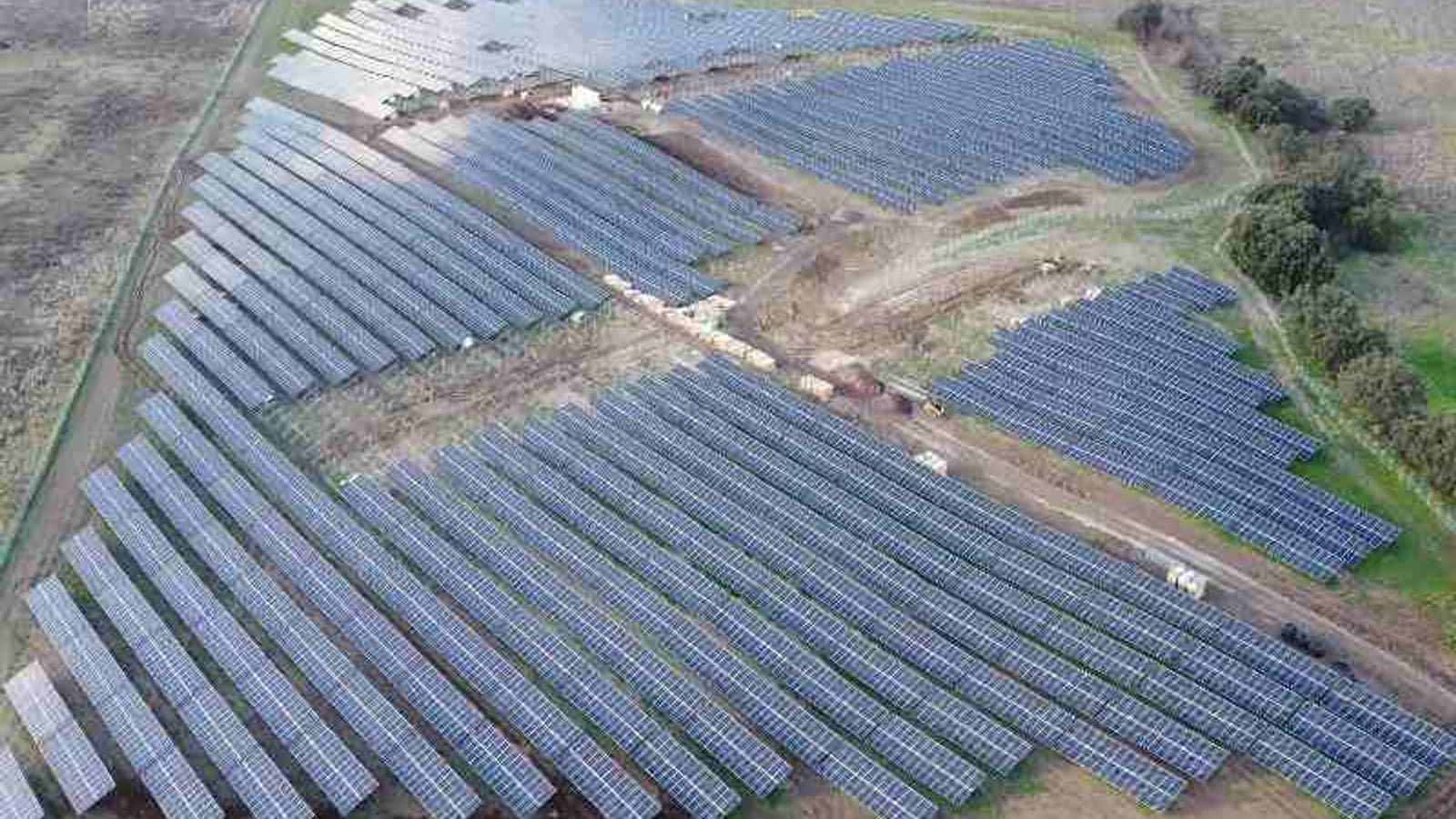
In Italy| the Council of Ministers has approved a decree that limits the deployment of solar PV on agricultural land.
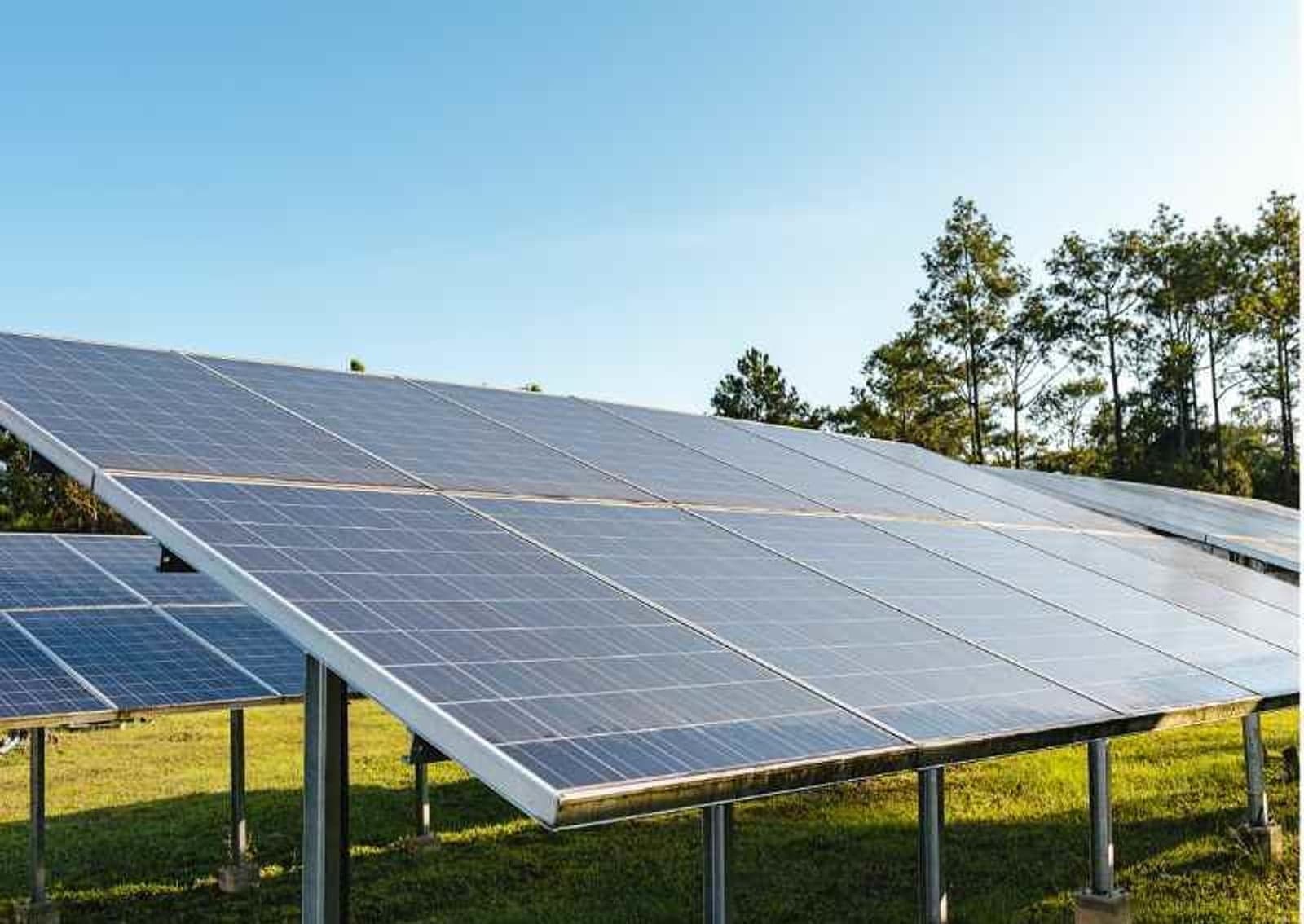
Italy's Council of Ministers has approved a decree that introduces urgent provisions for the agriculture sector, including limiting the deployment of solar PV on agricultural land.
The new rules are based on a proposal from President Giorgia Meloni, which includes several measures aimed at protecting the agriculture and fisheries sectors.
The decree calls for, "The introduction of the ban on the installation of new photovoltaic systems with modules placed on the ground and on increasing the extension of existing ones, in areas classified as agricultural by urban planning plans..."
According to Italy's minister of agriculture, food sovereignty and forestry, Francesco Lollobrigida, the ban will focus on photovoltaic systems placed on the ground in areas classified as agricultural. However, the decree will not prevent agrivoltaic projects where solar panels are installed above fields of crops without interfering with productivity.
Solar plants on non-productive agricultural land such as quarries and solar facilities financed under the recovery and resilience plan framework will also be exempt from the ban.
Have you read?
Unergy announces first agrivoltaic projects in Colombia
Large-scale agrivoltaic project goes live in Italy
Lollobrigida emphasised that these measures would allow agricultural entrepreneurs to maximise the advantageous tax provisions available to them and will also prevent desertification, a key concern expressed by government.
Said Lollobrigida: "We also wanted to regulate the use of photovoltaic panels, because we believe that the land serves to produce and energy production must be compatible with agricultural production.
"This is a highly anticipated provision and in total continuity with what has been carried out in recent months by the Ministry of Agriculture, Food Sovereignty and Forestry and by the entire Meloni Government."
The decision to implement this law has been met with some resistance.
Italian solar association Italia Solare wrote a letter to President Meloni calling for clarification on areas where solar would be permitted, as well as clear authorisation procedures.
The letter states: “As an association we are firmly convinced that it is a serious mistake to slow down the development of photovoltaics with ground-mounted modules, which constitutes the most economical and efficient type of system. The objective indicated by the Government of adding new photovoltaic power of around 50GW by 2030 is achievable and can provide consumers with energy at low and stable costs without any significant damage to agriculture and the landscape."
FREE Coordination (an association aimed at the coordination of renewable sources and energy efficiency) suggests this decision could hinder Italy from reaching its 2030 decarbonisation targets, stating the law is "contradictory to the objective of tripling renewable energy by 2030 recently signed by Italy and the other six nations at the G7 Environment, Climate and Energy in Turin."