Low wind output in Europe causes price spike
Pamela Largue
Posted on: 8 November 2024
Wind power in Europe is at the lowest level since 2014| causing Germany to produce 700MW of power from oil-fired plants over the past week.
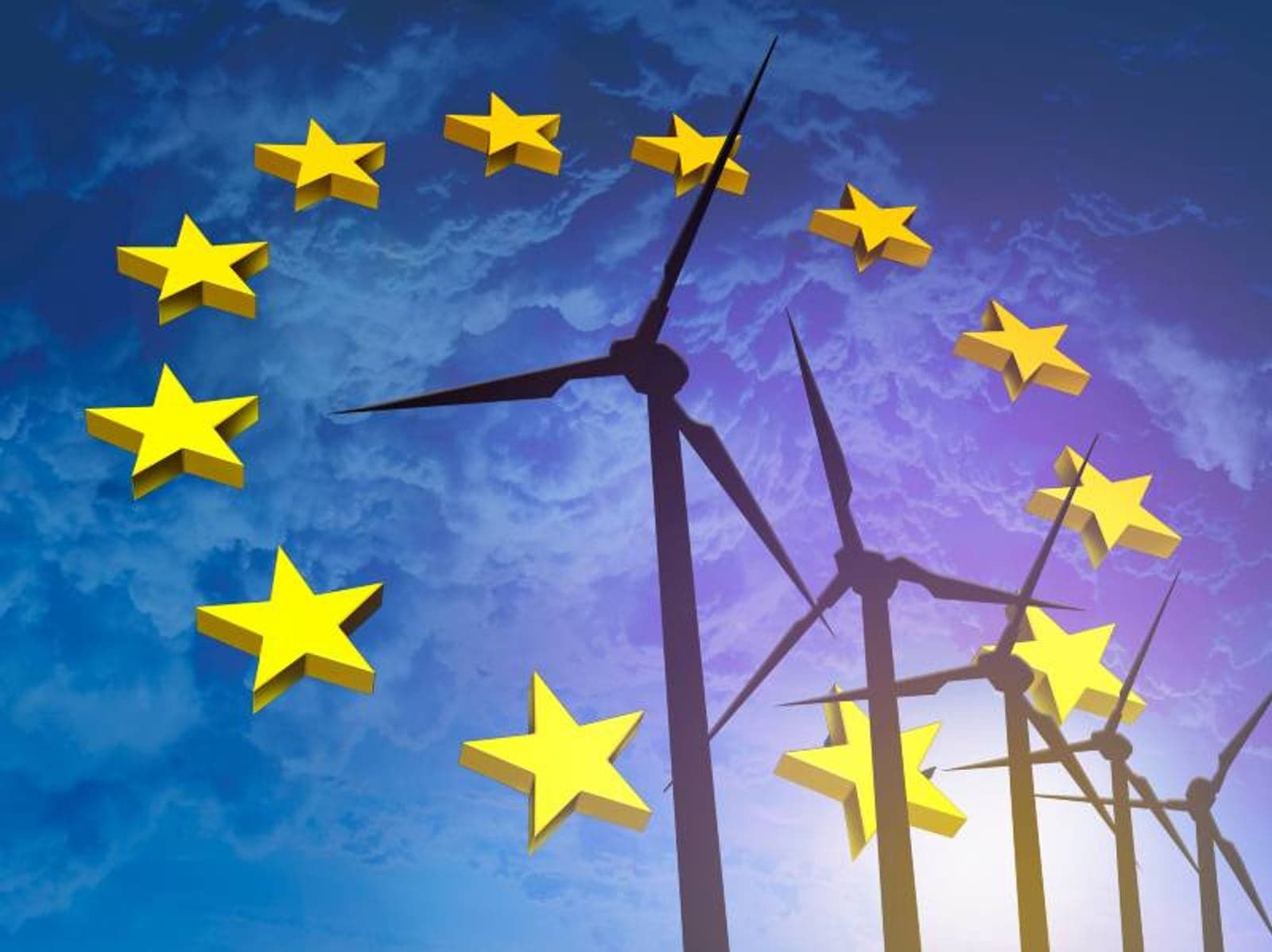
Levels of wind power generation in Europe are at the lowest level since 2014, causing Germany to produce 700MW of power from oil-fired plants over the past week.
This is according to insights released by Montel Analytics this week, which showed a spike in day-ahead prices and power imports as a result of low wind generation.
“There is no wind in the centre and north of Europe. There is a battle for that power, which is causing the shortage,” said Jean-Paul Harreman, managing director at Montel Analytics.
According to Montel, two evening hours saw a peak of EUR 800/MWh, while spot baseload for Thursday saw a near two-year high. And while Thursday's day-ahead market was less tight, the most expensive hour still hit EUR 408.26/MWh.
Have you read?
Sweden rejects 13 offshore wind farms in the Baltic Sea
CRH builds wind farm to power cement plant in Romania
Harreman added: “Oil or pumped storage are likely the marginal units in the merit order. However, at the prices we are seeing, it is more likely an effect of scarcity and bidding strategies than a pure reflection of marginal cost of power production.”
Montel predicts scenarios like this could reoccur in winter, as temperatures drop together with a further drop in levels of wind generation. The analytics firm suggests German wind power generation could deliver less than 0.5GW in the early evening.
Harremen explained that winter demand has not reached its peak yet and will add additional pressure once it does. “Demand is not at top levels yet. French nuclear is foreseen to provide around 8GW of additional generation to the market in Europe but if it gets colder, French demand will add additional pressure as it is very temperature sensitive.”
Having shut its nuclear capacity in 2023 and returning many coal units to stand-by grid reserve, Germany's generation capacity has decreased significantly.
According to Ember, Germany’s largest source of electricity is wind (27.2%), which overtook coal (26.8%) in 2023. Its share of wind and solar (39%) is three times the global average (13%). In 2000, coal generated 52% of the country’s electricity, but by 2023 this had fallen to 26.8%.