Maximising hydroelectric profitability with the UK's Capacity Market
Guest/partner contributor
Posted on: 24 June 2025
In the face of rising operational costs and the withdrawal of key subsidies| UK hydroelectric generators face mounting financial pressure.
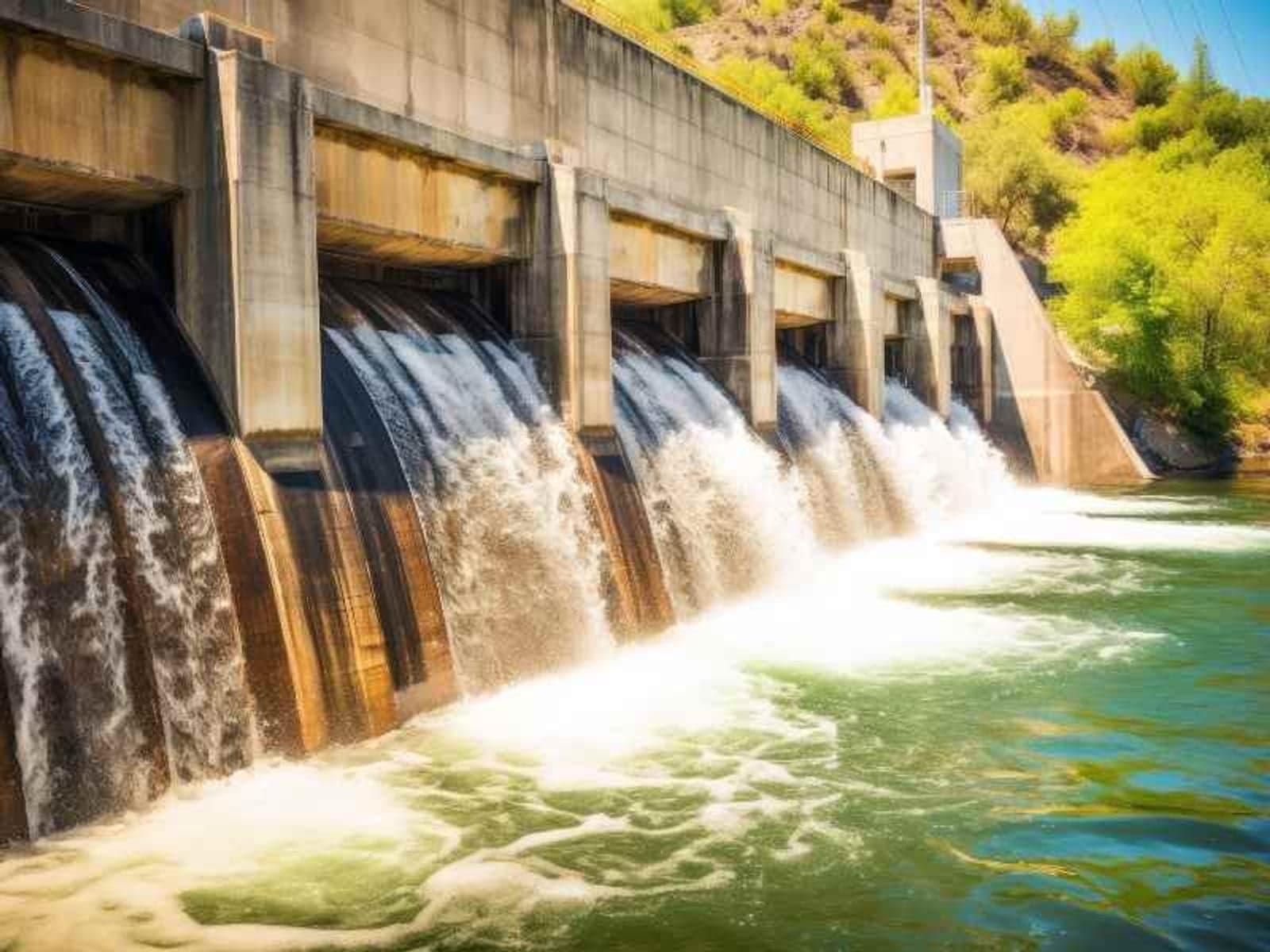
In the face of rising operational costs and the withdrawal of key subsidies, UK hydroelectric generators face mounting financial pressure and are looking to the Capacity Market to unlock new revenue streams.
By Jamie Storry, UK commercial lead for Flexibility Services at Enel X
By 2028 over 400MW of UK hydropower generators will transition away from subsidies as a large share of Renewables Obligation (RO) and Feed in Tariff (FiT) contracts are set to expire. Other factors, such as inflation and the lack of a wholesale market price stabilisation method suitable for hydro, are worsening the situation.
Without replacement income streams, hydro operators are concerned that once these assets lose their subsidies, some sites may become too expensive to operate. However, the loss of these subsidies will open other revenue streams that were previously inaccessible.
Have you read?
Fusion and fission central to UK’s clean energy industrial strategy
Awards celebrate the UK’s Top 50 Women in Engineering
The Capacity Market
The UK's Capacity Market is the primary mechanism through which the National Energy System Operator (NESO) secures future electricity capacity to meet peak demand.
It works by compensating energy users and energy generators for making electrical capacity available when the grid is under stress. By doing so, the Capacity Market, and the businesses that participate in it, ensure that the UK maintains a secure and stable electricity grid.
Hydropower generators that currently benefit from Renewables Obligations or Feed in Tariffs cannot take part in the Capacity Market. The end of these subsidies will change that.
When a scheme’s subsidy contract ends, it will then be eligible to participate in the Capacity Market.
How it works
Hydropower plants that meet the necessary criteria can participate in the Capacity Market. These include:
- Hydro plants with a generating capacity of at least 1MW can participate directly. Smaller plants can aggregate with others to meet this threshold.
- Both pumped storage and run-of-river hydro are eligible.
- New build and existing hydro plants can take part, provided they are not in receipt of government subsidies includinf ROs and FiTs.
If the Capacity Market is called upon to support the grid during a stress event, plants with capacity agreements will receive at least four hours’ notice to prepare to generate their contracted capacity. If the plant is already generating at contracted levels, their obligation is met, and no further action is required.
The benefits of the Capacity Market
The service provided by the UK's Capacity Market participants is a critically important component of Great Britain’s energy security, which is why participants are paid for their support. Payment is based on a fixed annual rate (£/kW), regardless of an actual dispatch occurring. As a fixed revenue stream, this holds additional weight with prospective investors and financial institutions
For larger hydropower generators, in particular pumped storage hydro, Capacity Market participation requires very little extra effort. For smaller, run-of river plants (less than 1MW), the case is harder to justify unless flexible capacity is available across multiple sites and waterflow is consistent year-round.
It is important to note that Capacity Market positions are limited each year.
Hydroelectric plant operators who want to transition seamlessly from RO/FiT payments to Capacity Market income should not delay as the application process itself can take in excess of six months.