Meta seeks up to 4GW of new nuclear to power data centers and AI
Power Engineering International
Posted on: 5 December 2024
The company said it is looking for developers that can help accelerate the availability of new nuclear generators and create "sufficient scale" to achieve material cost reductions.
Meta announced it is releasing a request for proposals (RFP) to nuclear developers, targeting 1 to 4GW of new nuclear generation to power its data centers and AI, starting in the early 2030s.
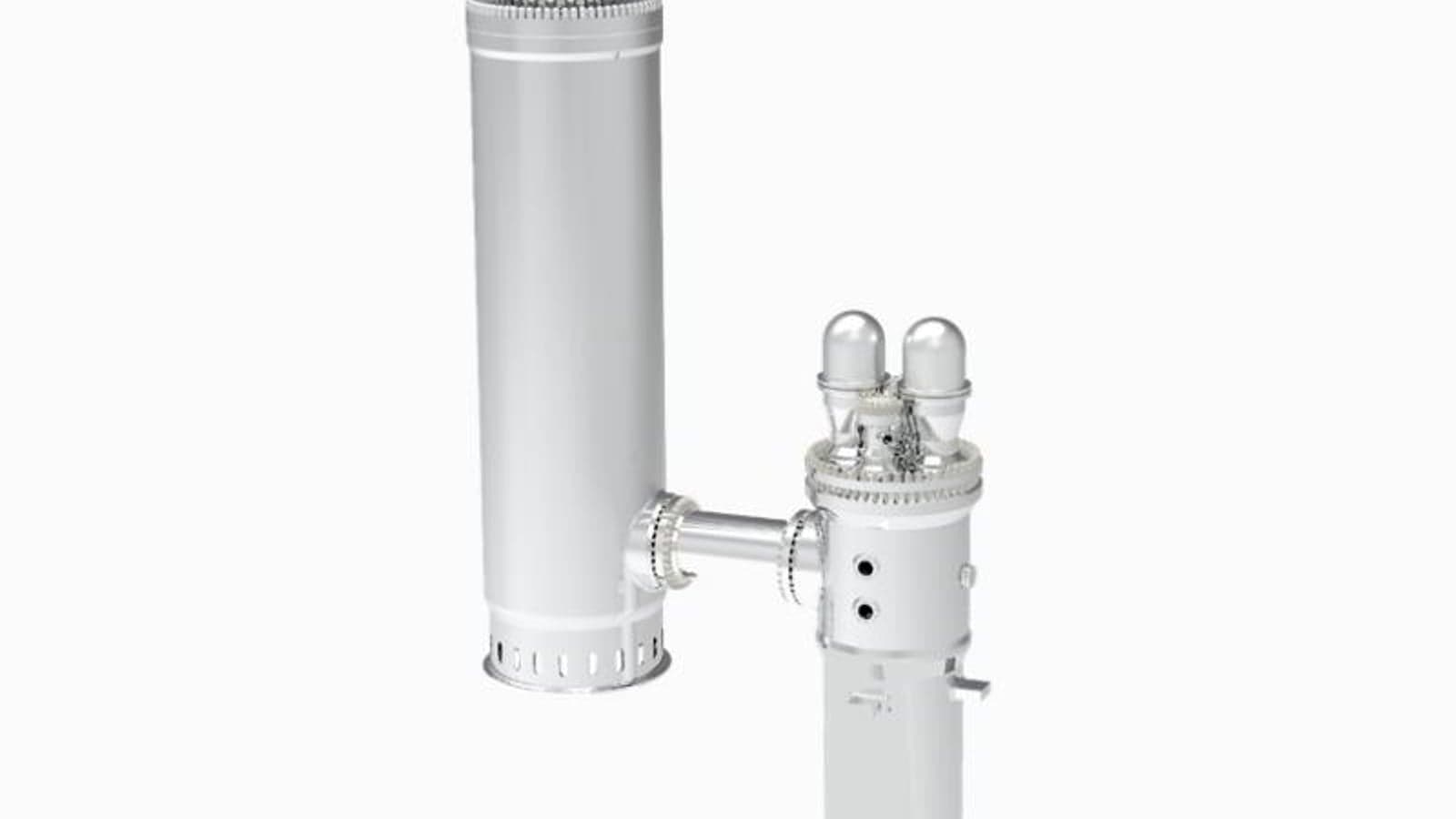
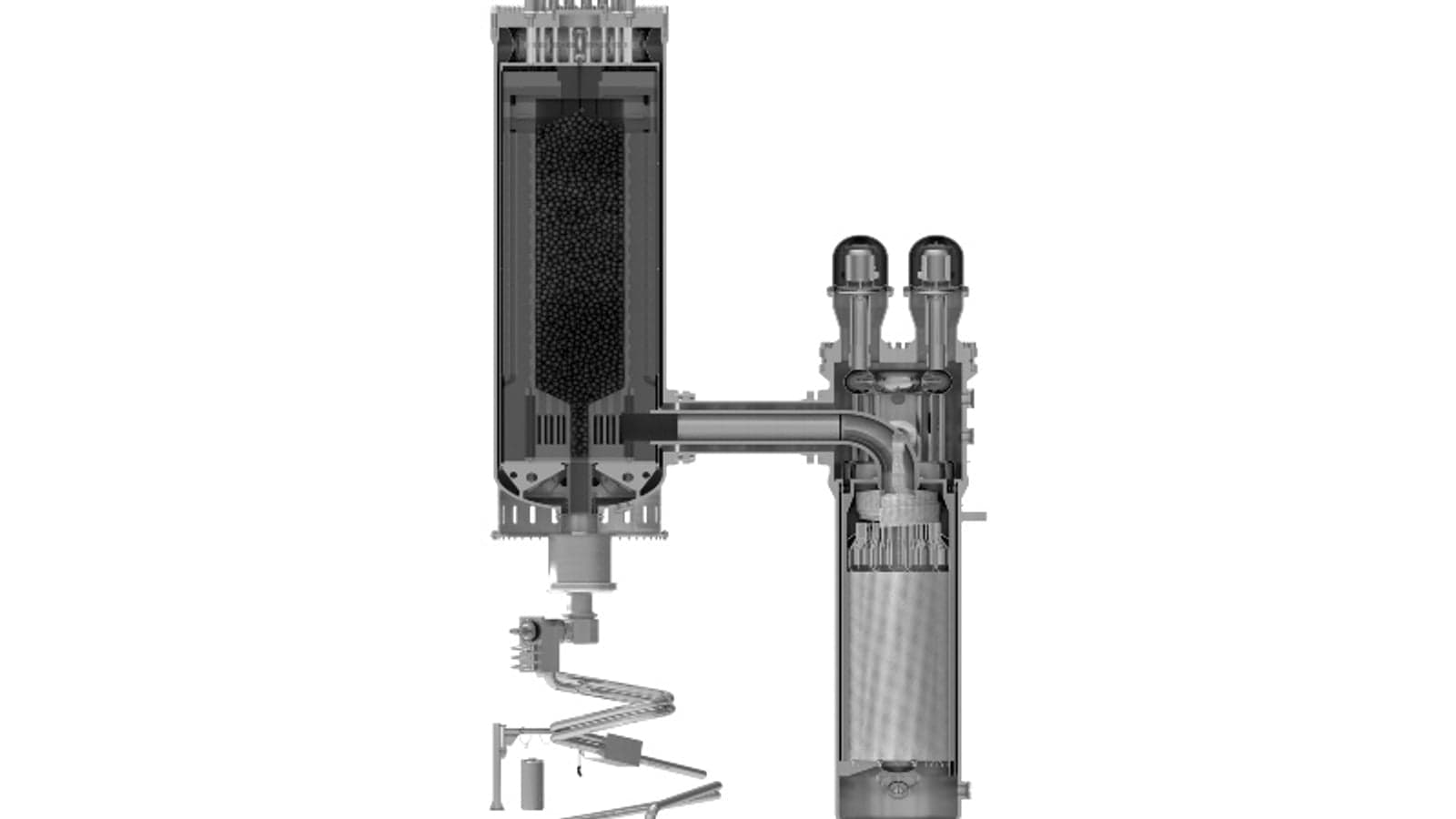
Meta is seeking both small modular reactors (SMRs) and larger nuclear reactors in this request.
The company said it is looking for developers that can help accelerate the availability of new nuclear generators and create "sufficient scale" to achieve material cost reductions by deploying multiple units.
Ultimately, Meta wants partners who will permit, design, engineer, finance, construct and operate the nuclear power plants.
Meta noted that compared to renewable energy projects like solar and wind, nuclear energy projects are more capital intensive, take longer to develop, are subject to more regulatory requirements, and have a longer expected operational life. Thus, Meta said it needs to engage nuclear energy projects earlier in their development lifecycle, while considering their operational requirements while designing a contract. Additionally, Meta argues that scaling deployments of nuclear technology offers the best chance of "rapidly reducing" cost.
Have you read?
Why nuclear energy could save net zero
First nuclear reactor installed at Hinkley Point C
Interested parties must complete a qualification intake form by Friday, 3 January 2025, with initial RFP proposals for participants due on Friday, 7 February 2025.
Since 2020, Meta has matched its global operations with 100% clean and renewable energy, totaling over 12,000MW of renewable energy contracts worldwide to date.
But Meta is not alone in eying nuclear for powering data center operations. In October, Google and Kairos Power signed an agreement aimed at deploying a fleet of nuclear power projects totaling 500MW by 2035. The deal would allow Kairos Power to “quickly advance down the learning curve” as it works to deploy its fluoride salt-cooled, high temperature reactor.
Days later Amazon signed three new agreements to enable the construction of several SMRs in Virginia and Washington state. This includes an investment in SMR developer X-energy, who is building the four reactors as part of the Washington state project.
Oklo is another advanced nuclear company that is making a big data center play. Of the 650MW in its project pipeline announced during the second quarter of this year, 600MW were for data centers.
Aside from nuclear, geothermal has also emerged as potential solution to energy-hungry data centers. Google recently entered into an agreement with Berkshire Hathaway electric utility NV Energy to power its Nevada data centers with about 115MW of geothermal energy, and Houston-based geothermal startup Sage Geosystems and Meta Platforms recently announced an agreement to deliver up to 150MW of new geothermal baseload power to support the latter’s data center growth.
According to a study published by EPRI in May, data centers could consume up to 9% of U.S. electricity generation by 2030 — more than double the amount currently used. Demand for computing power from data centers, fueled by artificial intelligence and other new technologies, requires enormous amounts of power.
In the US, data center demand is expected to reach 35GW by 2030, up from 17GW in 2022, McKinsey & Company projects. Grid operators and utilities expect to see significant load growth driven by electrification, new manufacturing, and data center development.
Originally published by Sean Wolfe on power-eng.com