MHI starts testing Solid Oxide Electrolysis Cell at Takasago Park
Power Engineering International
Posted on: 25 April 2024
Mitsubishi Heavy Industries has started operation of a test module of the Solid Oxide Electrolysis Cell at Takasago Hydrogen Park in Hyogo Prefecture| Japan.
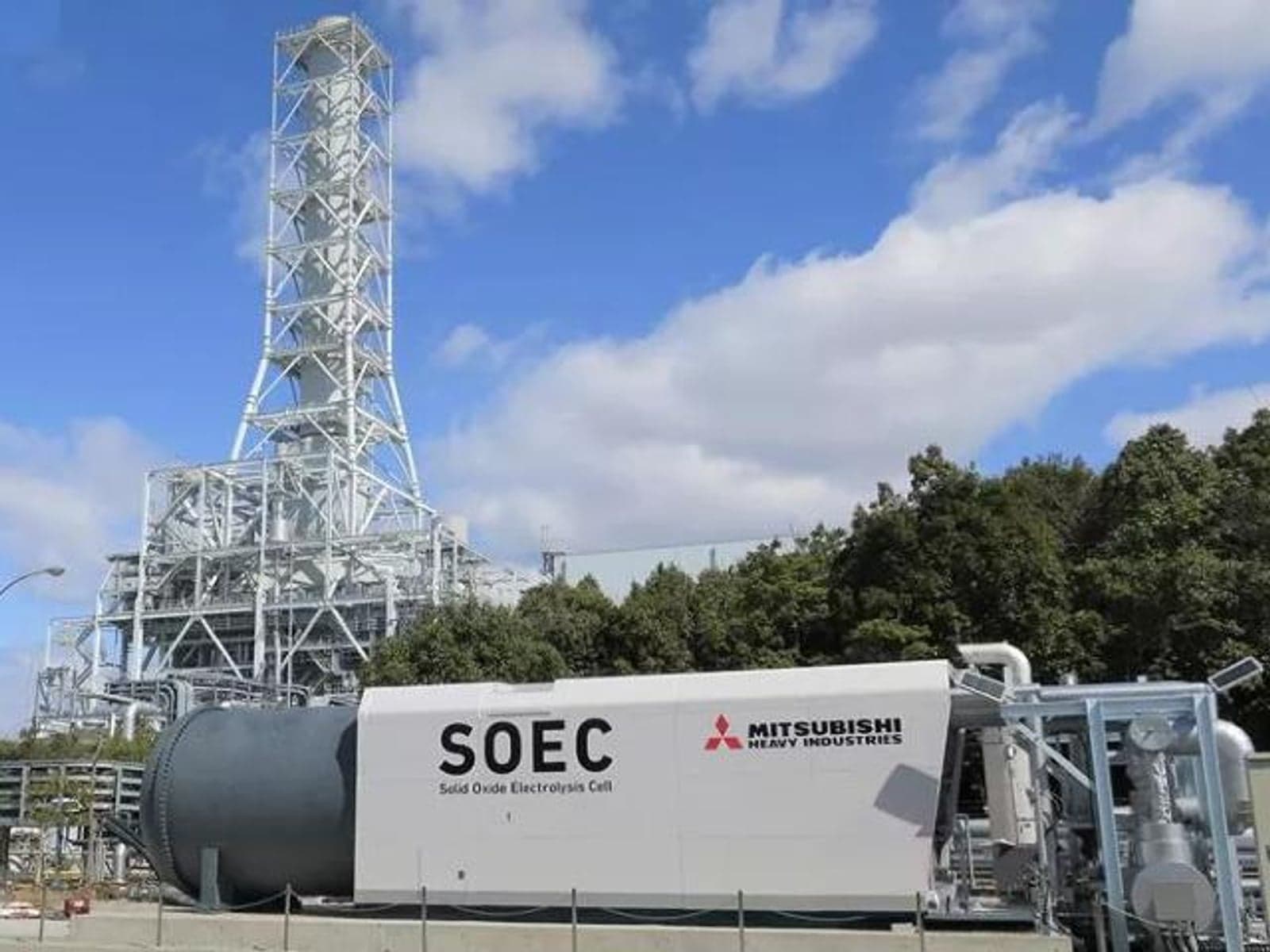
Mitsubishi Heavy Industries (MHI) has started operation of a test module of the Solid Oxide Electrolysis Cell (SOEC) at Takasago Hydrogen Park in Hyogo Prefecture, Japan.
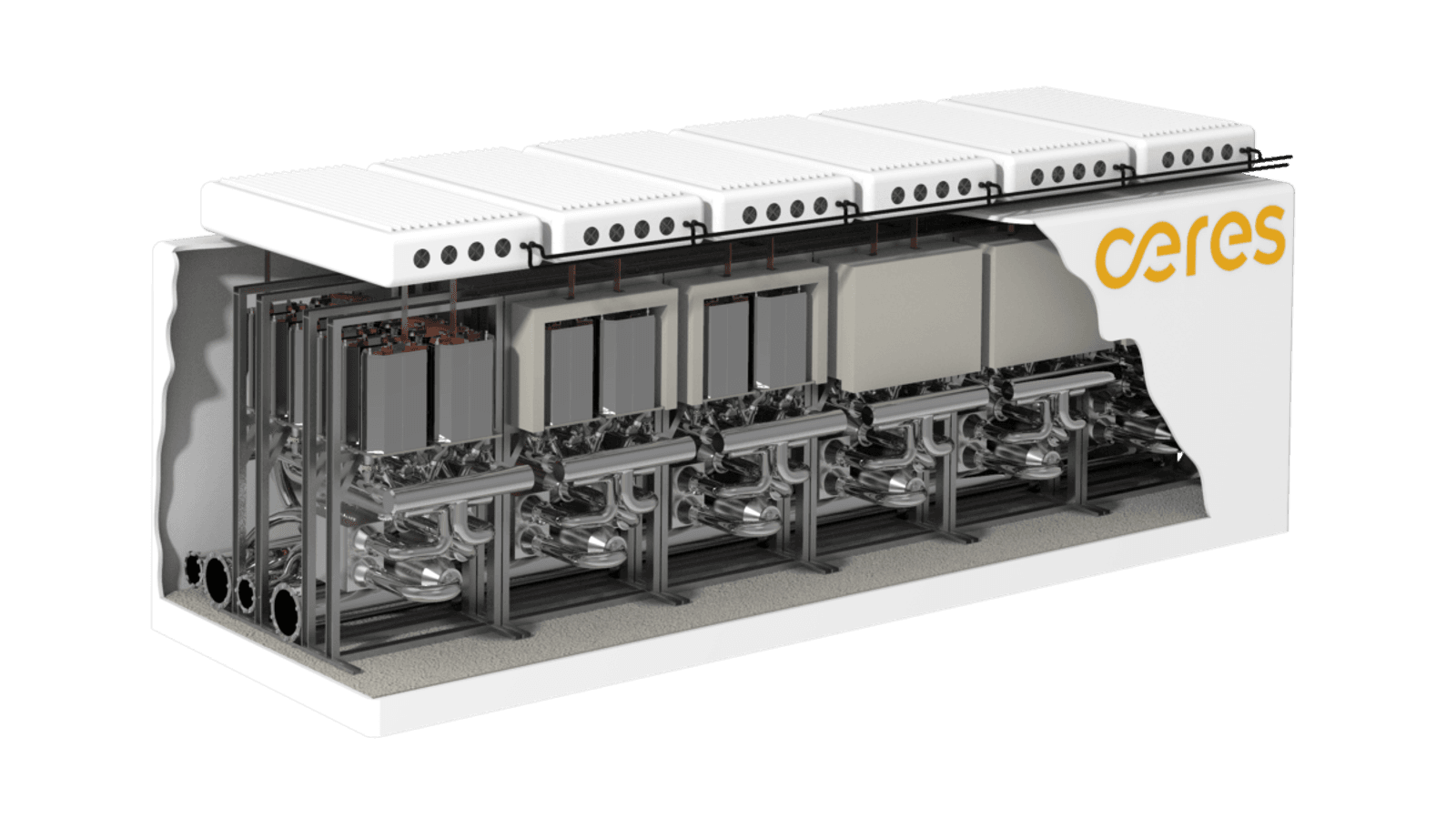
SOEC is based on technology for the previously developed Solid Oxide Fuel Cell (SOFC). In addition to its advantage of high efficiency, the use of MHI's proprietary tubular cell stack supports development as a technology capable of operating at high pressures.
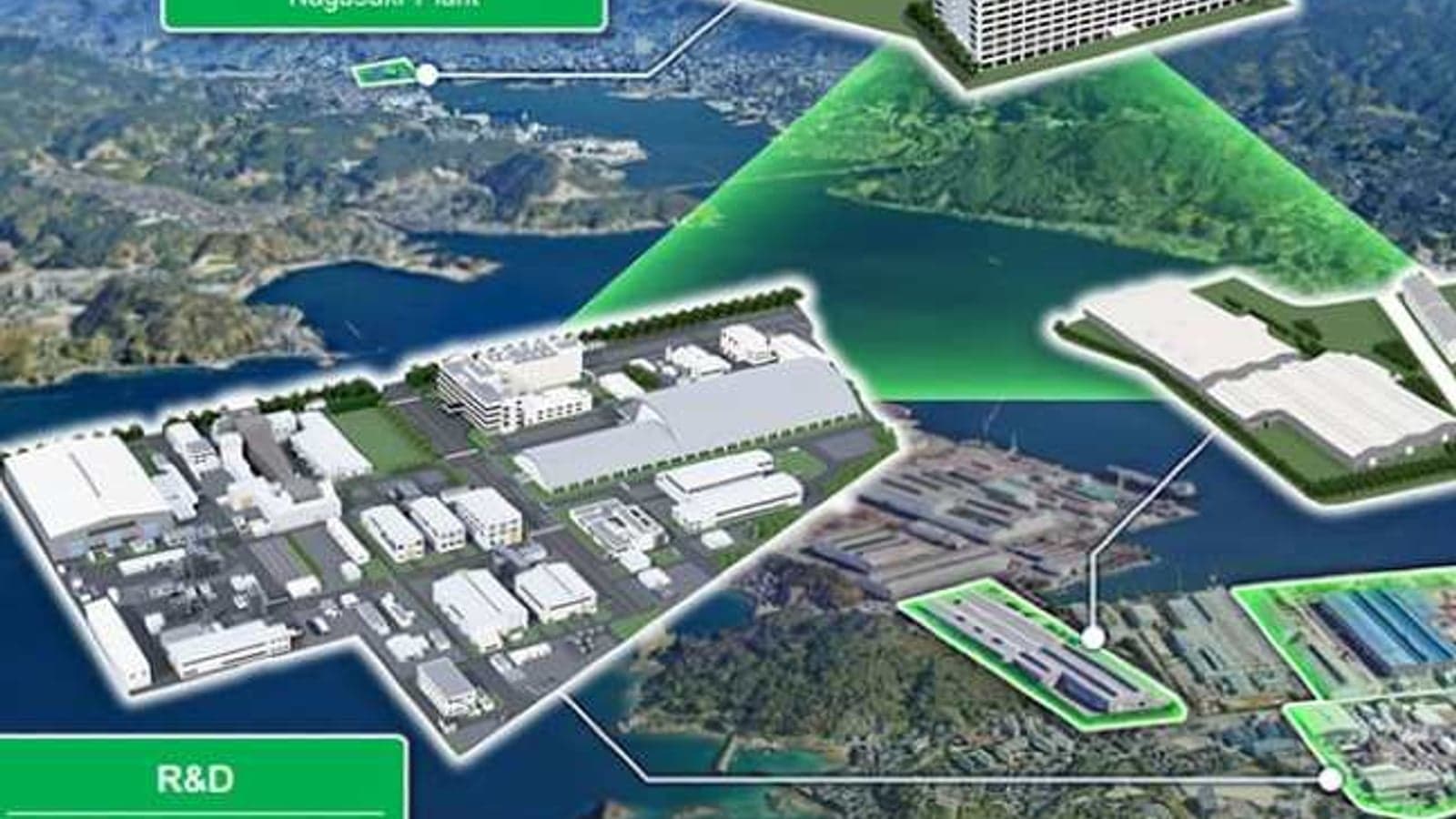
The test module with a capacity of 400kW was designed and manufactured based on the technology adopted for the SOFC, following development of core technologies at the Nagasaki Carbon Neutral Park (Nagasaki City).
The results of this research will be utilised to support even higher output and greater capacity.
The SOEC test module comprises a module with multiple cartridges of 500 cell stacks bundled together. During test operations, the electrolytic efficiency of the module was 3.5 kWh/Nm3, confirming that the module was operating with high efficiency. This is a major step forward toward achieving MHI's goal of building a system with an overall efficiency of 90%-HHV.
Have you read?
Study to explore viable green hydrogen economy in South Africa
Why betting on green hydrogen is the key to decarbonising our societies
At Nagasaki Carbon Neutral Park, MHI has also successfully conducted cartridge tests under larger amounts of electric current condition per cell stack, steadily making progress toward development of a megawatt-class SOEC with high power density. In addition, MHI plans to install a megawatt-class SOEC system demonstration facility at Takasago Hydrogen Park within the next few years and is moving forward with preparations for integrated verification within the park, with the aim of commercialisation of the system following actual operation.
Takasago Hydrogen Park is the world's first facility with the capability for integrated verification of hydrogen technologies, from production to power generation. It is divided into three areas according to functions for hydrogen production, storage, and utilisation (power generation).
In the hydrogen production area, an alkaline electrolyser manufactured by Norway's HydrogenPro AS, which has one of the world's highest hydrogen production capacities at 1,100Nm3/h, was put into operation in September 2023.
The hydrogen storage area is equipped with a storage facility with a total capacity of 39,000 Nm3, part of a project subsidised by Japan's New Energy and Industrial Technology Development Organization (NEDO).
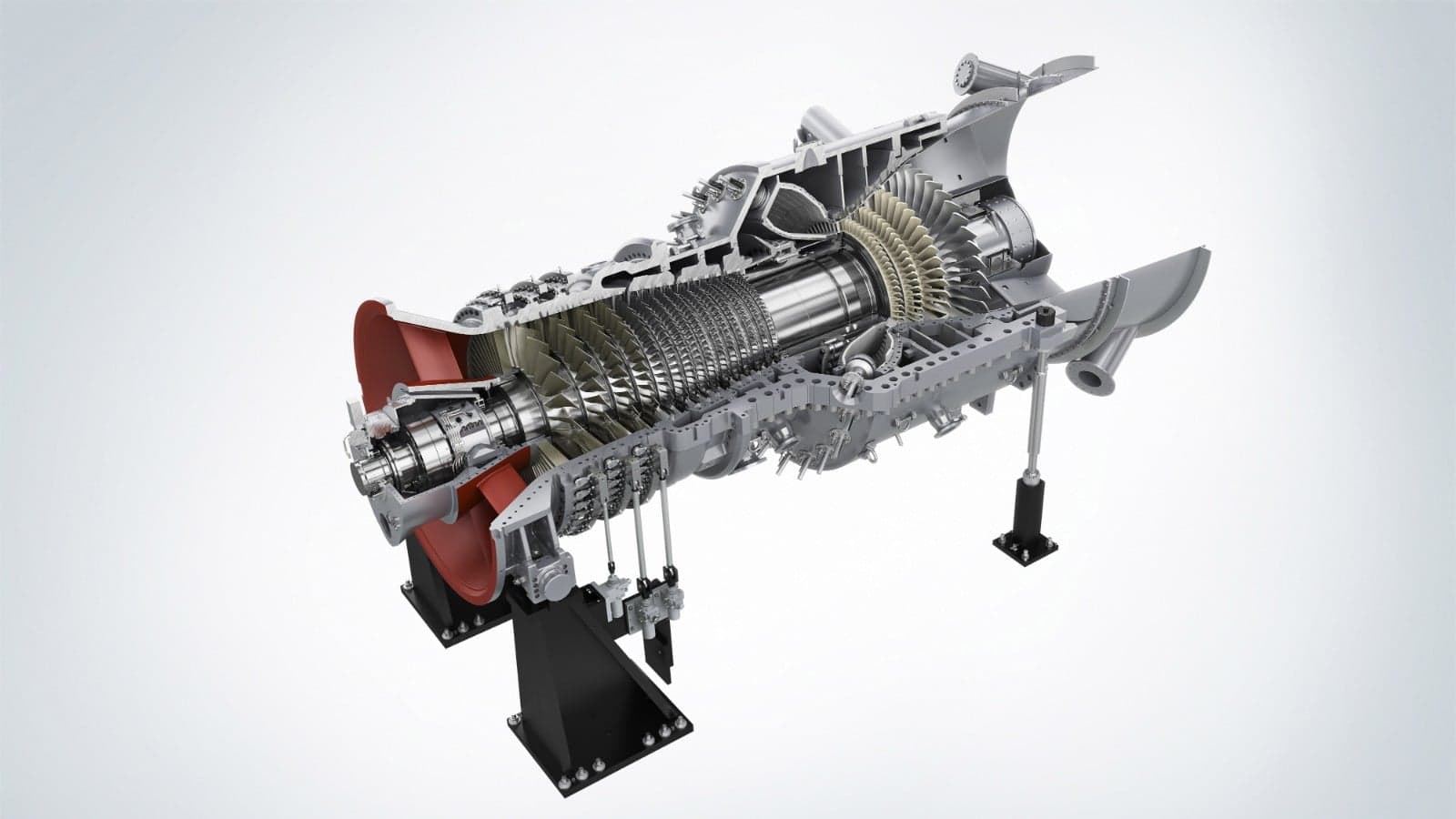
In November 2023, using hydrogen produced and stored in the park, MHI also successfully conducted a demonstration operation of 30% hydrogen fuel co-firing using a J-series Air-Cooled (JAC) gas turbine at the gas turbine combined cycle (GTCC) demonstration power plant (commonly known as T-Point 2, rated output of 566MW) located in the hydrogen utilisation area.
In 2024, Mitsubishi Heavy Industries plans to conduct a 100% hydrogen-firing demonstration using a small- to mid-sized H-25 gas turbine (40MW class) that had been previously installed for compressor driving at the combustion test facility in the park.
Going forward, in the hydrogen production area of Takasago Hydrogen Park, MHI plans to proceed with demonstrations aimed at the commercialisation of hydrogen production equipment with different characteristics, such as anion exchange membrane (AEM) water electrolysis and methane pyrolysis.
In addition, in the hydrogen storage area, MHI will further expand its facilities with construction to increase the total capacity of the hydrogen storage facility to 120,000 Nm3, which is about three times the current capacity, in preparation for the demonstration operation of a JAC-type gas turbine using a 50% hydrogen fuel co-firing using the JAC gas turbine at T-Point 2.
Learn more about the Takasago Hydrogen Park in this episode of the Energy Transitions podcast with Professor Dr Emmanouil Kakaras, Executive Vice President NEXT Energy Business, Mitsubishi.