Mitsubishi and EGAT research hydrogen co-firing for Thai gas plants
Pamela Largue
Posted on: 7 June 2024
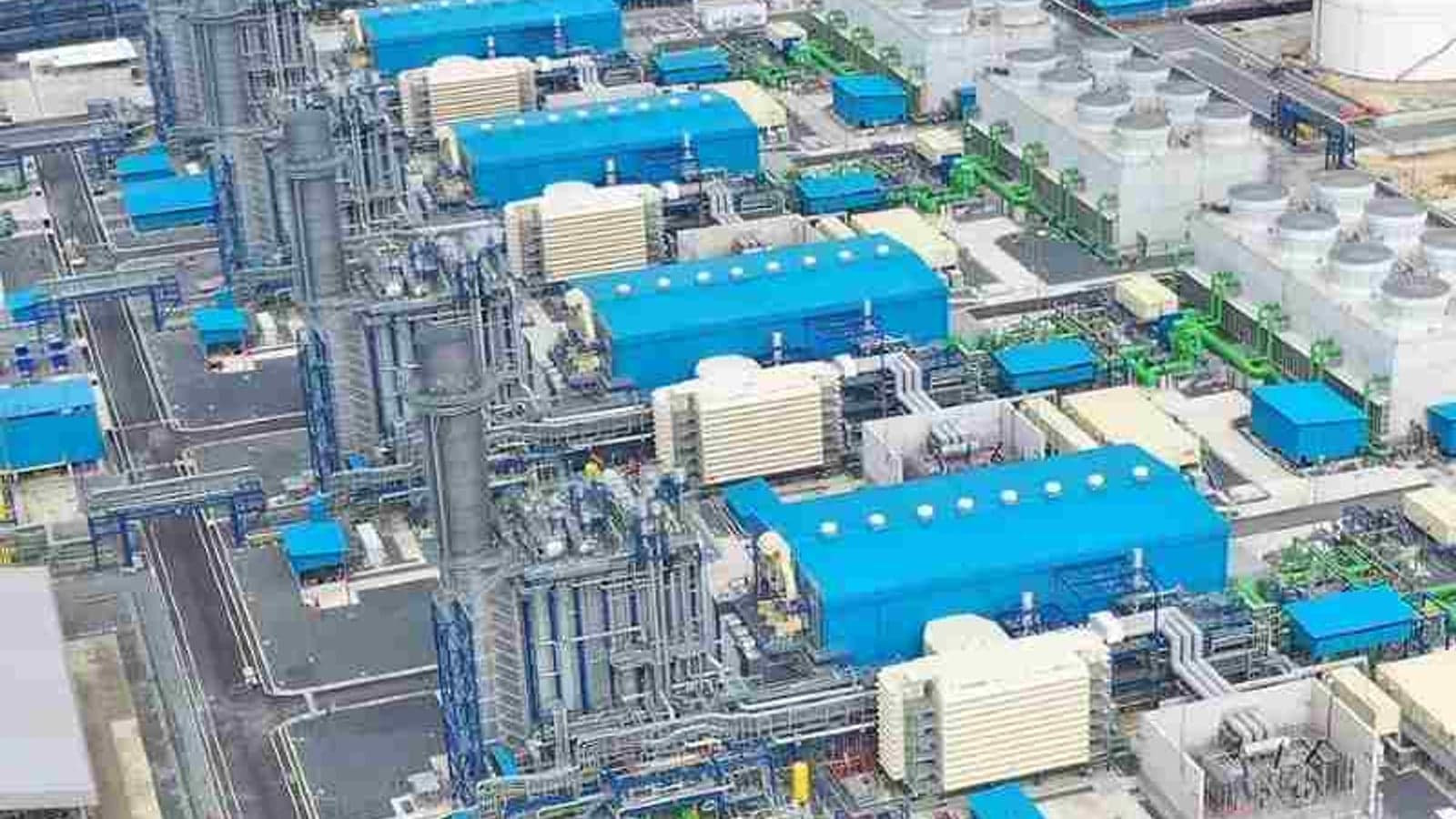
MHI and the Electricity Generating Authority of Thailand will research introducing hydrogen co-firing technologies at gas turbine power generation facilities in Thailand.
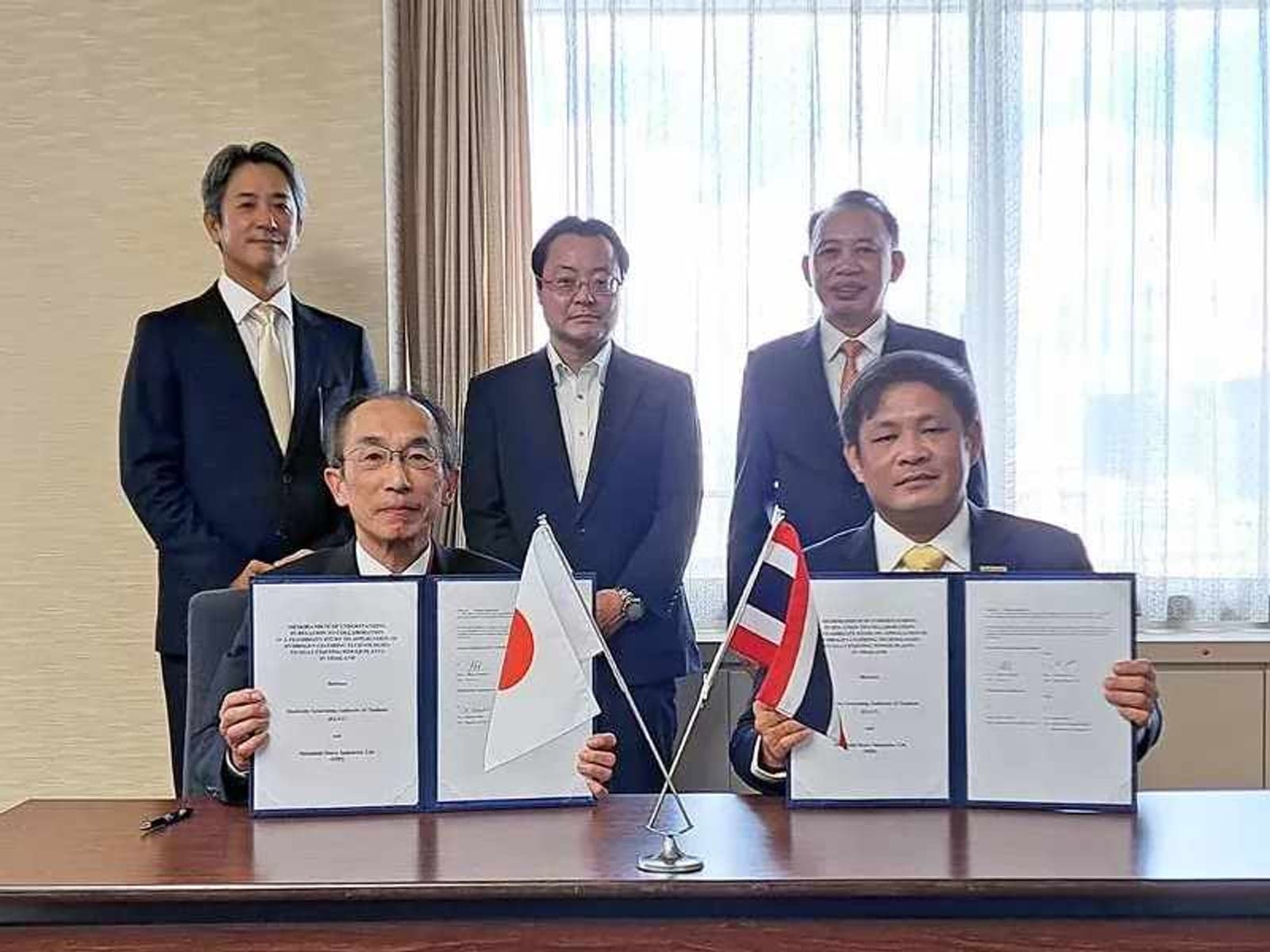
Mitsubishi Heavy Industries (MHI) and the Electricity Generating Authority of Thailand (EGAT) will research introducing hydrogen co-firing technologies at gas turbine power generation facilities in Thailand.
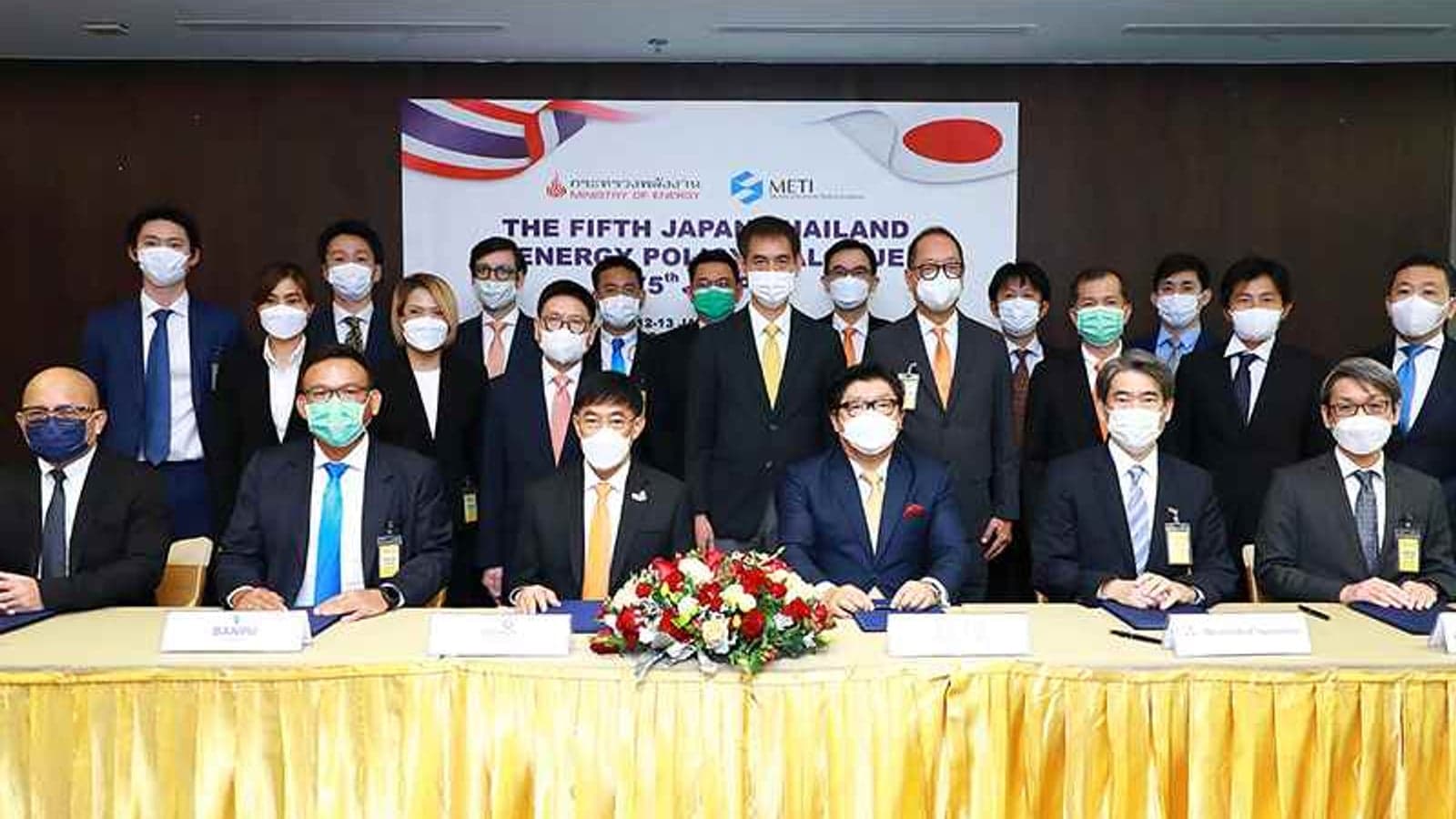
EGAT and MHI have signed a Memorandum of Understanding to facilitate research into converting thermal power plants to clean fuels.
The collaboration will start with a feasibility study on a co-firing pilot project at one of EGAT's power plants. The aim is to complete the study by March 2025 and a hydrogen co-firing ratio of 20%.
This agreement builds on an existing partnership between MHI and EGAT aimed at focusing on hydrogen co-firing, as well as the exchange of information on clean fuel power generation, clean hydrogen and CCUS technologies.
Toshiyuki Hashi, executive vice president, president and CEO, Energy Systems of MHI, commented on the significance of the partnership: "We are excited to explore hydrogen co-firing in gas turbines together with EGAT. We are confident that our continued partnership, built on over 50 years of trust, enables us to contribute significantly to Thailand's energy transition by combining the expertise of both organisations."
Narin Phoawanich, deputy governor - Fuel of EGAT, commented in a statement: "The signing with Mitsubishi Heavy Industries marks one of the pioneering initiatives in Thailand to integrate alternative and clean fuels with Japanese technology to produce more environmentally friendly electricity. This initiative aligns with Thailand's strategy to promote the use of hydrogen.
"Additionally, it provides an excellent opportunity for technology exchange and the development of hydrogen projects across the value chain with leading Japanese companies at the international level. This partnership is expected to drive advancements in clean energy technology, enhance business opportunities in Thailand's electricity production sector, and contribute to environmental sustainability. Thus, it marks a significant milestone in Thailand's energy transition."
The collaboration will support EGAT's goal of developing a hydrogen supply chain in Thailand and support Thailand's goals of achieving carbon neutrality by 2050 and net zero emissions by 2065.
Currently, Thailand's energy mix relies heavily on coal, oil and natural gas. As renewable energy becomes more cost effective, conventional power generation is starting to be replaced by alternative sources, although the country's policy framework needs to be updated to accommodate this change.