Navigating Italy's road to decarbonisation
Guest/partner contributor
Posted on: 12 July 2021
Agnese Cecchini examines the steps Italy has taken to deliver its energy transition – and highlights those areas where there is work to be done.
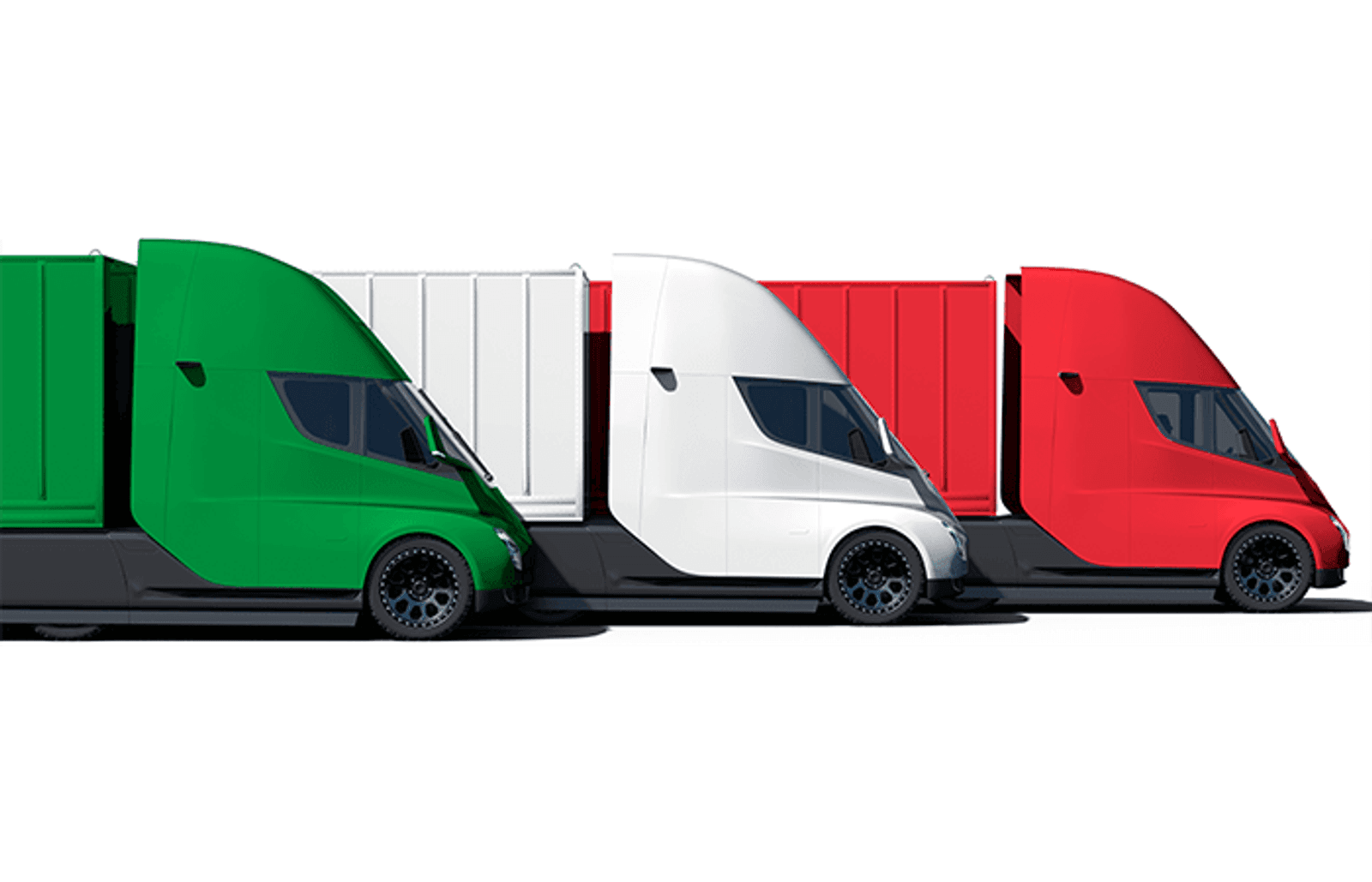
Taboos in the tech sector can be counterproductive to a successful ecological transition.
The Italian government has changed the name of its Ministry of the Environment to the Ministry of Ecological Transition.
And it has added the word ‘Sustainability’ to the title of the Ministry of Transport and Mobility.
This has been done precisely to emphasise the strategic nature of the green challenge and the crucial importance of these institutions in driving solutions to that challenge.
These choices are also not unrelated to the country’s economy. According to recent data, despite the pandemic and the resulting recession, the renewable energy sector in Italy has remained dynamic and reactive.
This article was originally published in The Guide
Compared to 2019, there was a 20 per cent growth in the number of operations related to acquisition and 7 per cent in power. At the same time, their value decreased by 4.4 per cent due to a drop in technology costs.
Half of the operations concerned photovoltaics, with windpower coming second despite a sharp decline in comparison to 2019.
The forecast of investments in the hydrogen supply chain between now and 2030 is around €320- €460 billion. Of that amount, €24-42 billion are earmarked for the development of electrolysers.
However, in spite of these prospects and figures, ecologists, even the representatives in Parliament, remain uncertain.
Italy recently approved its National Recovery and Resilience Plan, which outlines its intentions and actions in macro areas.
What stands out in the energy sector is a growth in renewables alongside green hydrogen – although it would be good to start with blue hydrogen too, as the country’s Minister of Ecological Transition, Roberto Cingolani, points out.
Mobility will also have to be conceived and designed to be increasingly sustainable and interoperable.
But there are some unclear points in the Italian National Plan. For example, why promote long- distance rail mobility instead of working on city mobility plans and connecting the suburbs with the centre, where air pollution is higher?
Why invest hugely in a technology that is not available yet, as Minister Cingolani stated when referring to green hydrogen.
It is a view that Cingolani has highlighted several times while also complaining about excessive bureaucratic burdens when granting permits for new plants and assuring that he will provide solutions to cut red tape.
So what is the formula that Italy is developing? Certainly, distributed generation, energy communities, and the wider distribution of electric vehicle charging stations are the technologies that will significantly develop in the near future.
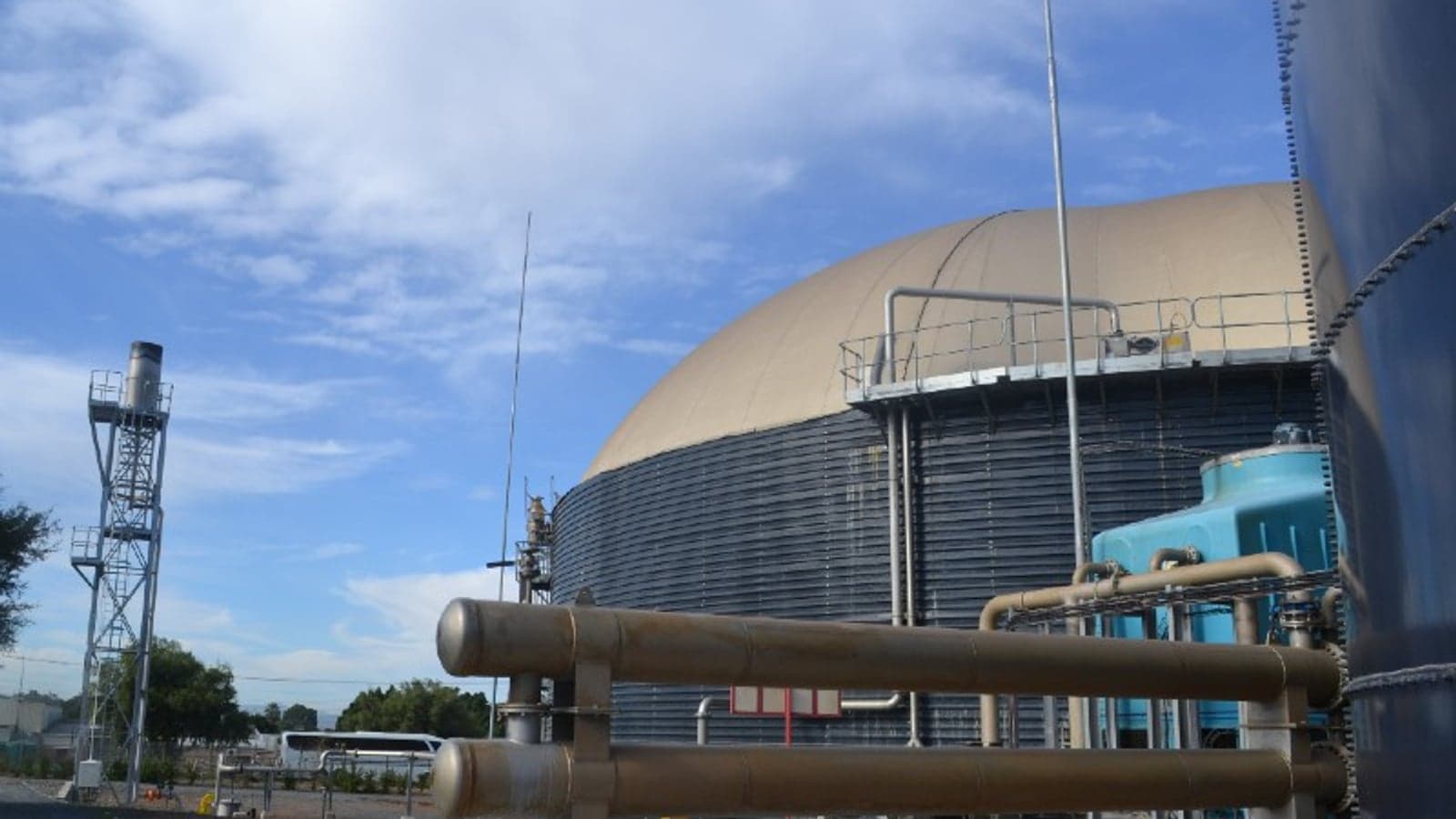
The national gas transmission network is also working on obtaining certification for the distribution of green hydrogen alongside existing activities involving biomethane and biogas.
However, most of all, a holistic vision is needed that brings technologies closer together and makes them interchangeable, based on the features of the area and the needs of the community.
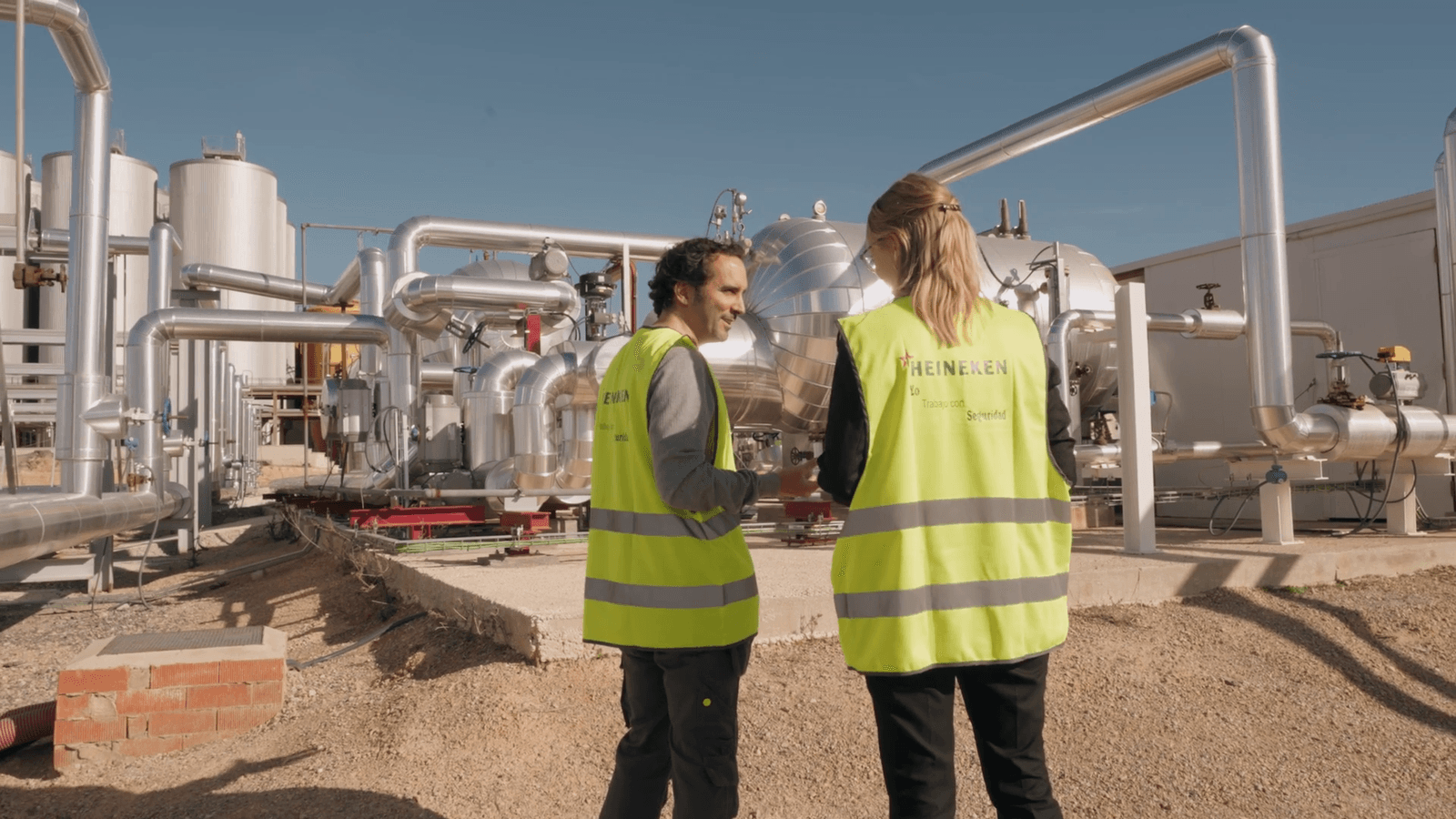
A good example would be enhancing a proper closed-loop geothermal system where geographically possible, and exploiting the cogeneration potential of industrial parks with district heating.
For the time being, such measures stay far from the National Action Plan. Yet, taboos in the tech sector can be counterproductive to a successful ecological transition.
It is therefore necessary to take measures to promote energy saving, sustainability, a reduction in emissions and the recovery of primary materials and the natural ingredients of soils.
I am referring to not only just a biogas matrix, but also the collection of organic waste which is an excellent nutrient for soil fertility.
Moreover, we cannot think of facing the sustainability challenge without innovative, biodegradable and recyclable materials. The choice of sustainability is made in each and every sector, including construction, large infrastructures or daily consumable items.
It is no coincidence that a waste battery recycling centre will open in Italy. It will be dedicated to the regeneration of electric vehicle batteries, bearing in mind the expected impact that the electric car sector will soon have on mobility.
Digitisation represents another great European and Italian challenge that we are preparing to tackle in a much more serious manner than the statements made in the past years. Nonetheless, it is still not very clear.
Issues such as energy poverty stay on the sidelines. In turn other countries, such as Portugal, are introducing them as key elements of their ecological transition policy. Italy also pays attention to this element, but it is still only ancillary to other aspects.
Lastly, the role of sharing in the transition should not be underestimated, which has changed, and partly distorted, consumption models. Starting from city mobility both on four-wheeled vehicles and its non-motorized forms, through the opportunities in the field of energy sharing, let us think of the aforementioned energy communities, the potential of domestic smart meters and other consumer goods.
In short, the change is already happening and it is engaged on voyages between the present and the near future.
What is perhaps missing is a harmonious vision of these opportunities and their integration with the real economy. They will probably undermine some old technological and industrial fiefdoms.
However, they could make room for new and real job opportunities and a better quality of life. Italy excels in a great deal of these technologies and has already completed cutting-edge tests both in the field of technology and industrial supply chains.
Let us also consider green chemistry and the material recovery chain as the real circular economy, an activity that, as outlined above, goes hand in hand with a people-oriented and, above all, more environmentally sustainable smart city.
Related Content
Catch up with Agnese Cecchini as she chairs a panel discussing The Question of Energy Affordability