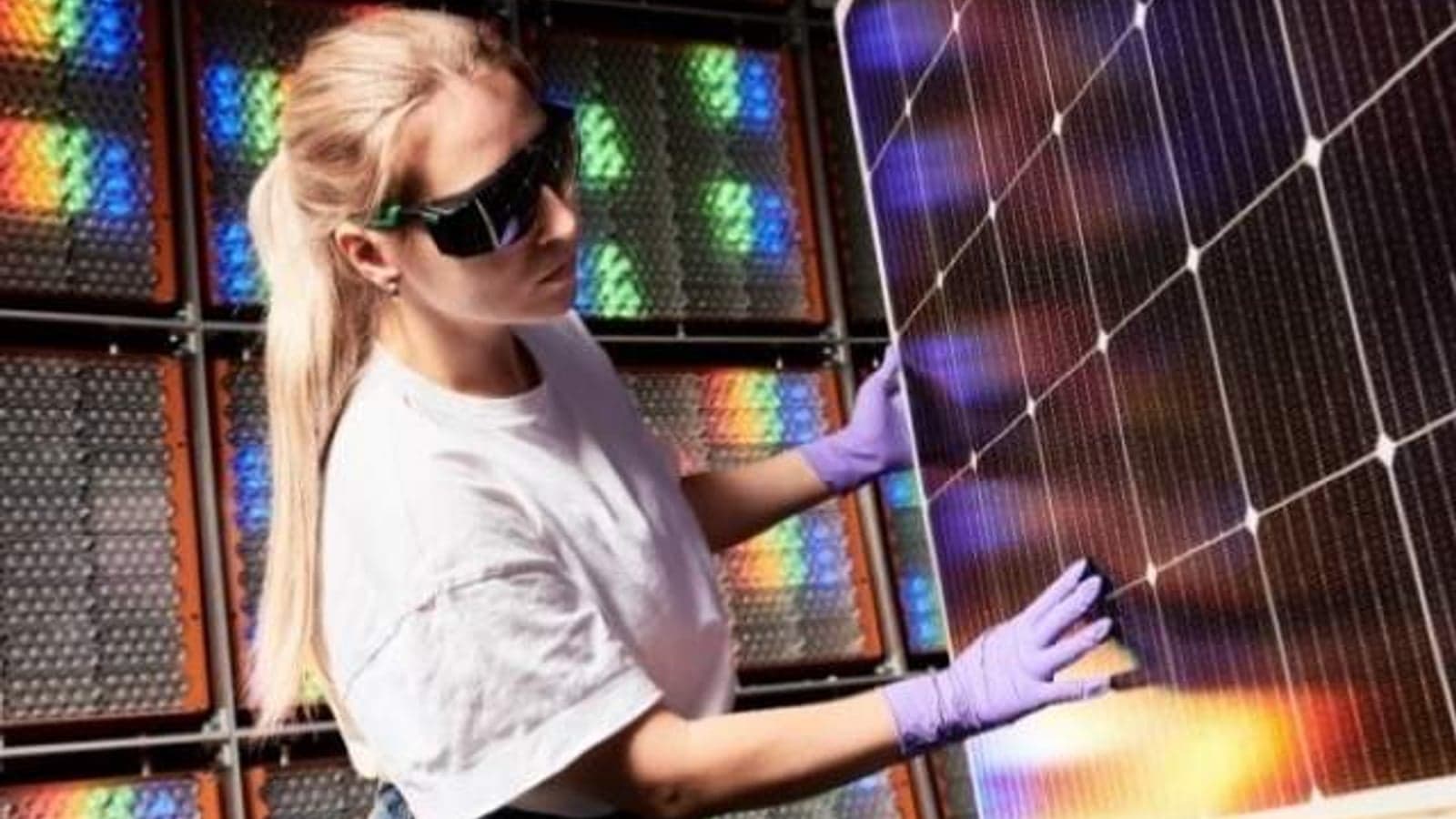
NREL study shows path to easier recycling of solar modules
Pamela Largue
Posted on: 30 April 2024
A proof-of-concept study conducted by NREL has shown how to form glass-to-glass welds for solar modules| making the panels easier to recycle.
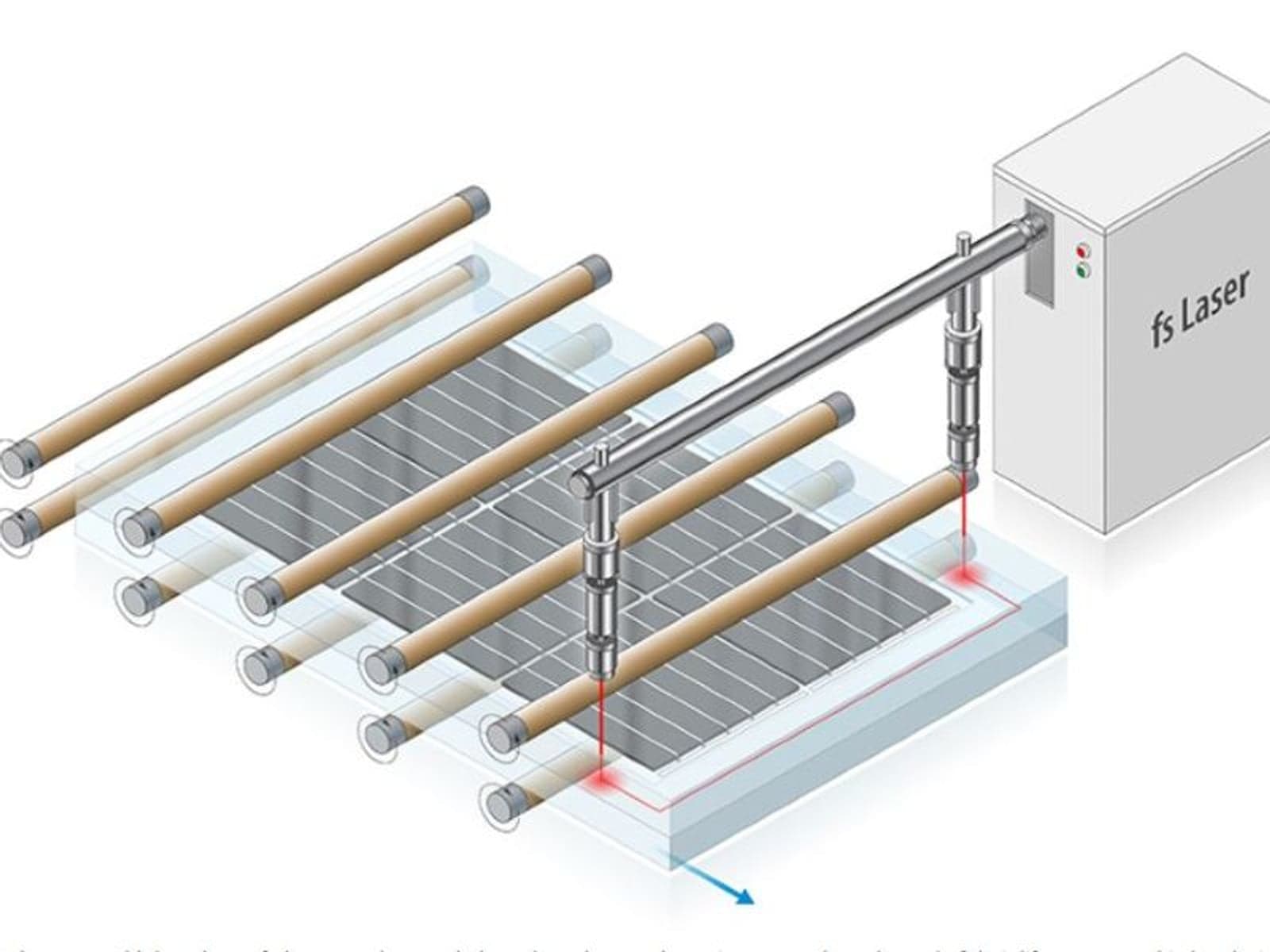
A proof-of-concept study conducted by the US National Renewable Energy Laboratory (NREL) has shown how to form glass-to-glass welds for solar modules, making the panels easier to recycle.
Researchers used femtosecond lasers to form glass-to-glass welds which would replace the plastic polymer sheets that make recycling difficult.
According to NREL, the modules made with the laser welds can be shattered and the glass and metal wires running through the solar cells can be easily recycled and the silicon can reused.
David Young, senior scientist and group manager for the High-Efficiency Crystalline Photovoltaics group in the Chemistry and Nanoscience department at NREL, is the lead author of the paper outlining the use of laser welds for solar modules, Towards Polymer-Free, Femto-Second Laser-Welded Glass/Glass Solar Modules.
Have you read?
It’s not too late to close the wind energy workforce gap says DOE
Puerto Rico can hit 100% renewables by 2050 with ‘significant’ investments, report finds
Solar modules are made of semiconductors, sandwiched between two sheets of glass laminated together with polymer sheets and according to Young, “Most recyclers will confirm that the polymers are the main issue in terms of inhibiting the process of recycling.”
The glass weld can be used on any type of solar technology, including silicon, perovskites and cadmium telluride, because the heat of the weld is confined to a few millimeters from the laser focus.
The femtosecond laser used in the study uses a short pulse of infrared light that melts the glass together to form a strong, hermetic seal, and according to the researchers, the glass/glass welds are as strong as the glass itself.
“As long as the glass doesn’t break, the weld is not going to break,” said Young. “However, not having the polymers between the sheets of glass requires welded modules to be much stiffer. Our paper showed that with proper mounting and a modification to the embossed features of the rolled glass, a welded module can be made stiff enough to pass static load testing.”
NREL’s research is the first to use a femtosecond laser to form glass/glass welds for use in a module, a process that the team claims offers "superior strength at a compelling cost" and will allow for easier recycling.
The research paper was coauthored by Tim Silverman, Nicholas Irvin, and Nick Bosco and the study conducted through the Durable Module Materials Consortium.