Nuclear’s role in a balanced clean energy future
Guest/partner contributor
Posted on: 12 November 2024
Nuclear energy| particularly through advancements in SMRs| is emerging as a powerful and necessary complement to renewables| writes Paul DeCotis of West Monroe.

While renewable energy sources are a key component to decarbonising the grid, they alone are not sufficient to meet increasing demand while ensuring grid stability, writes Paul DeCotis, senior partner, energy & utilities at West Monroe.
As global demand for electricity surges, fuelled by the growth in sectors like manufacturing, data centres, and electrification of transportation and buildings, the need for a balanced, reliable energy mix becomes even more important.
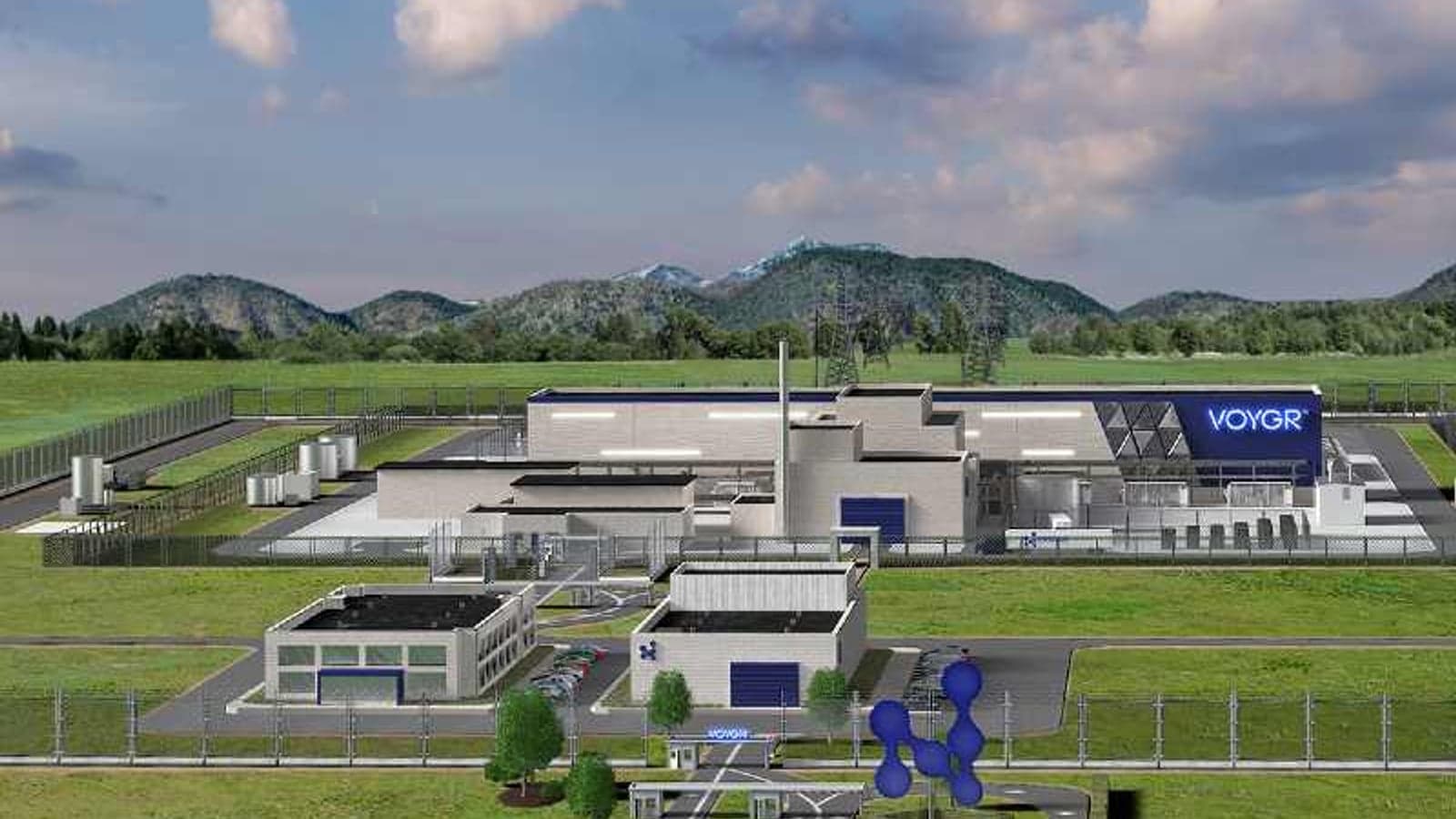
Nuclear energy, particularly through advancements in small modular reactors (SMRs), is emerging as a powerful and necessary complement to renewables in achieving a sustainable energy future.
Why nuclear must join renewables in the energy mix
The transition to a clean energy economy is driven by ambitious decarbonisation goals. Nuclear energy, which currently supplies 20% of the US’s electricity needs, provides a stable, carbon-free baseload source that renewable resources alone cannot replicate. Nuclear power’s reliability and advancements in SMR technology offer an opportunity to balance the variability of wind and solar, delivering clean energy even during periods when these resources aren’t available.
Demand for electricity is growing faster than it has in decades, and the electric grid is facing challenges to keep up with the growth. In 2023, manufacturers, data centers, and the electric vehicle sector all saw increased power demand. Nuclear energy’s constant output as baseload generation allows for more integration of intermittent resources like solar and wind to the grid. Furthermore, advanced nuclear technologies like SMRs are designed to operate in tandem with renewables, optimising grid resilience and sustainability. SMRs are also scalable and able to be sited in closer proximity to loads like distributed energy resources given their built-in safety and automatic shutoff features.
The advantages of small modular reactors (SMRs)
SMRs represent a new era in nuclear technology. Unlike traditional reactors, SMRs are smaller and modular, allowing for more flexible deployment and streamlined construction -- think SMR in a box. They offer several advantages that make them a valuable addition to a diverse energy strategy:
- Flexibility and Scalability: SMRs can be deployed incrementally, allowing developers to adjust capacity based on demand.
- Enhanced Safety: Modern SMRs feature advanced safety designs that reduce the risk of accidents, addressing longstanding public concerns.
- Cost-Effectiveness: With construction largely based in factories, SMRs benefit from economies of scale, reducing overall costs and time to deployment.
- Geographic Flexibility: SMRs are adaptable to remote or constrained locations, supporting decentralised energy solutions.
The US is already seeing renewed interest in nuclear projects, such as Microsoft’s recent agreement with Constellation to revive the Three Mile Island Unit 1 plant, potentially adding 835MW of carbon-free energy to the grid.
Others like this are being proposed. Regulatory approvals and careful planning are essential, but these projects underscore the growing acknowledgment that nuclear, especially through SMRs, has a role to play in meeting decarbonisation targets.
Have you read?
Small modular reactors: The key to decarbonising the industry sector in the European Union?
Harnessing AI in renewables, power and nuclear
US vs EU: Diverging nuclear energy paths
While the US and EU share similarities in their nuclear energy markets, key differences arise in policy and public sentiment.
In the US, nuclear energy is increasingly seen as a viable component of a balanced clean energy strategy, with investments in SMRs gaining attention. However, in Europe, the nuclear landscape is more fragmented.
Around a quarter of the EU’s energy comes from nuclear power, but the continent is divided. Countries like Germany and Austria have largely abandoned nuclear energy in favor of renewables, citing safety concerns and long-term waste management challenges.
Meanwhile, France stands as nuclear energy’s primary champion in Europe, generating approximately 70% of its electricity from nuclear and pushing for continued nuclear investments. With over 150 reactors, the EU depends on nuclear power for about one-quarter of its electricity, but ongoing debates highlight differing national priorities.
As the US advances SMR technology, Europe may face a pivotal moment in determining whether this smaller, scalable nuclear option can bridge the gap between proponents and opponents of nuclear energy across the continent.
Overcoming barriers to nuclear adoption
Despite its promise, nuclear energy faces several hurdles, including regulatory challenges, financing, and public perception. A Pew Research Center survey in 2024 showed that 56% of Americans now support nuclear energy expansion, reflecting a shift in public opinion, but there is still work to be done.
Public education on SMRs’ safety advancements and environmental benefits will be crucial in increasing acceptance. Moreover, streamlined regulatory processes and public-private investment partnerships are necessary to bring more SMRs online and integrate them into the energy mix effectively.
The bipartisan support for nuclear energy in the US has led to legislative progress, such as the ADVANCE Act, which was signed into law in 2024. This act charges the Nuclear Regulatory Commission (NRC) with developing a regulatory framework for new nuclear technologies and streamlining the licensing process. These efforts are crucial in enabling SMRs to contribute meaningfully to the clean energy transition.
A path to a resilient, low-carbon future
As energy demand grows, load-serving entities need a balanced portfolio that includes nuclear, renewables, and energy storage solutions, as well as some continued use of other base load power plants.
Nuclear energy, especially SMRs, provides a consistent power source that can support renewable integration, ensuring reliability in a decarbonising grid. With SMRs as part of the mix, the energy system can respond more flexibly to changing needs, leveraging nuclear’s reliability alongside the environmental benefits of wind and solar.
Looking Forward: Nuclear as a pillar of clean energy
The US energy landscape is evolving, and nuclear power, particularly through SMRs, must be a part of this transformation. By addressing regulatory, financial, and public perception challenges, nuclear energy can play a vital role in the path toward a clean energy future. The time is now for power producers, utilities, investors, and policymakers to recognise nuclear’s potential to deliver reliable, carbon-free power, supporting a balanced, resilient grid that aligns with our climate ambitions.
As we transition to a low-carbon future, a balanced energy strategy that leverages the strengths of nuclear and renewables will pave the way for long-term sustainability, grid stability, and economic growth.
About the Author
Paul DeCotis is the East Coast lead of West Monroe’s Energy & Utilities practice, bringing 45 years of experience as an energy executive, consultant, and educator. Paul partners with the largest utilities to drive business and technology applications as the industry undergoes transition. He previously served as VP of power markets at Long Island Power Authority.