On the cutting edge of power-to-X
Pamela Largue
Posted on: 21 June 2023
"This is not normal business...It’s operating existing technology in a new way and understanding the consequences of having renewables and new fluids in the system" - Martin Bruhn Petersen

"This is not normal business... It’s operating existing technology in a new way and understanding the consequences of having renewables and new fluids in the system"
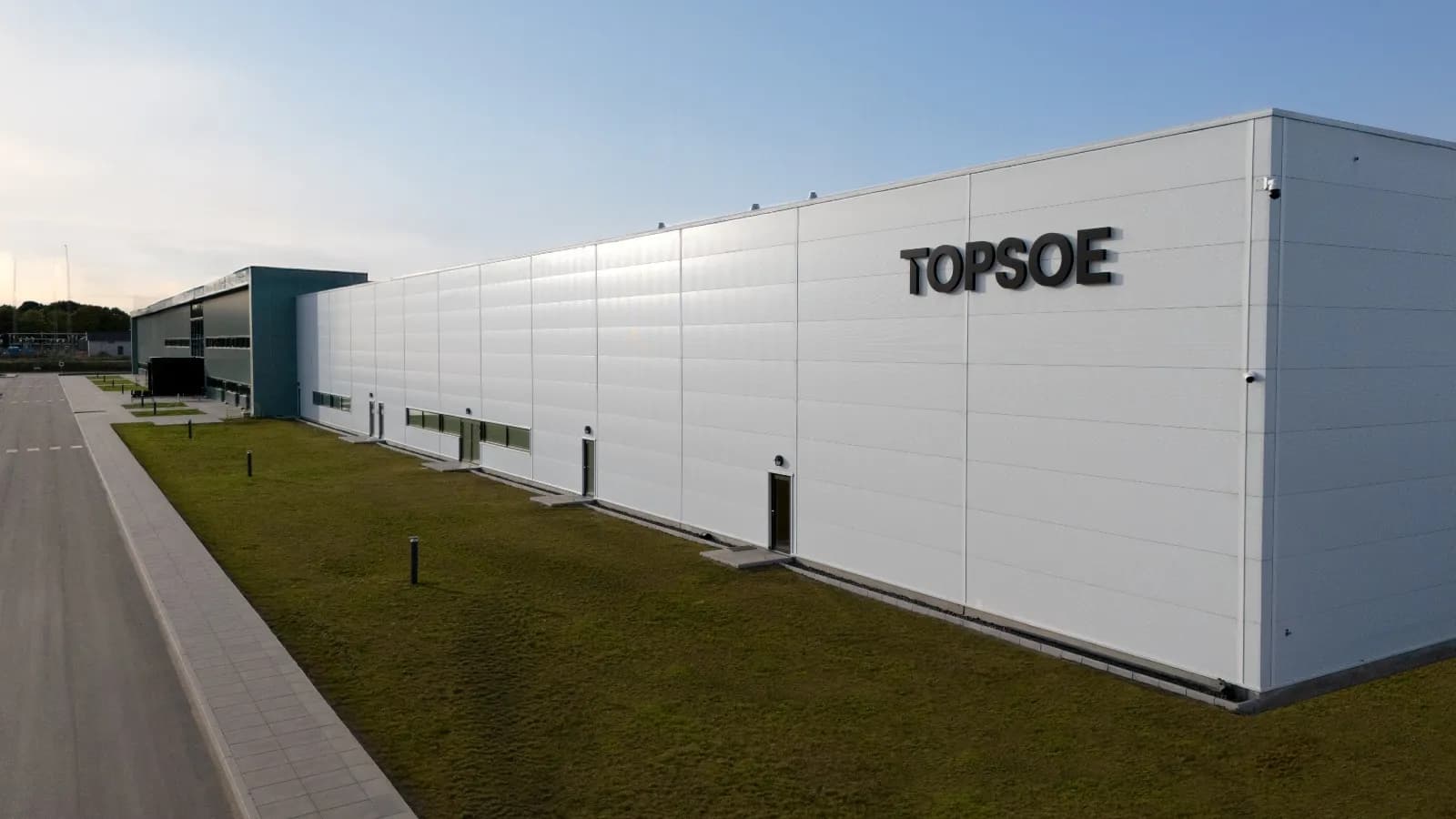
Martin Bruhn Petersen from ABB Energy Industries recently spoke with Pamela Largue about the emerging field of power-to-X (P2X), and specifically a unique power-to-ammonia project ABB is working on with partners Skovgaard Energy, Topsoe and Vestas.
This pioneering project is being built near the village of Ramme in West Jutland, Denmark.
Backed by state funding, the project will harness renewable power from six operating wind turbines, and add a 50MW solar plant to increase electricity generating capacity.
Construction is underway and production is scheduled to begin in 2024.
It's referred to as a dynamic plant, unique to other P2X plants in that it's more agile and flexible in response to renewable energy availability.
According to Petersen, this unique project is currently connected to the grid and can feed electricity back onto the grid. It means it can power up when the wind is blowing and the sun is shining or power down when it is not. This connection allows them to produce ammonia when there is sufficient power or when the power price is better.
“This power-to-ammonia plant will run in island mode – that's why it's unique – it does not depend on electricity coming from the grid,” said Petersen.
“The demonstration plant is testing how we can operate such a plant in ‘island mode’ and how all the different assets in this process can operate to make the most economic sense.”
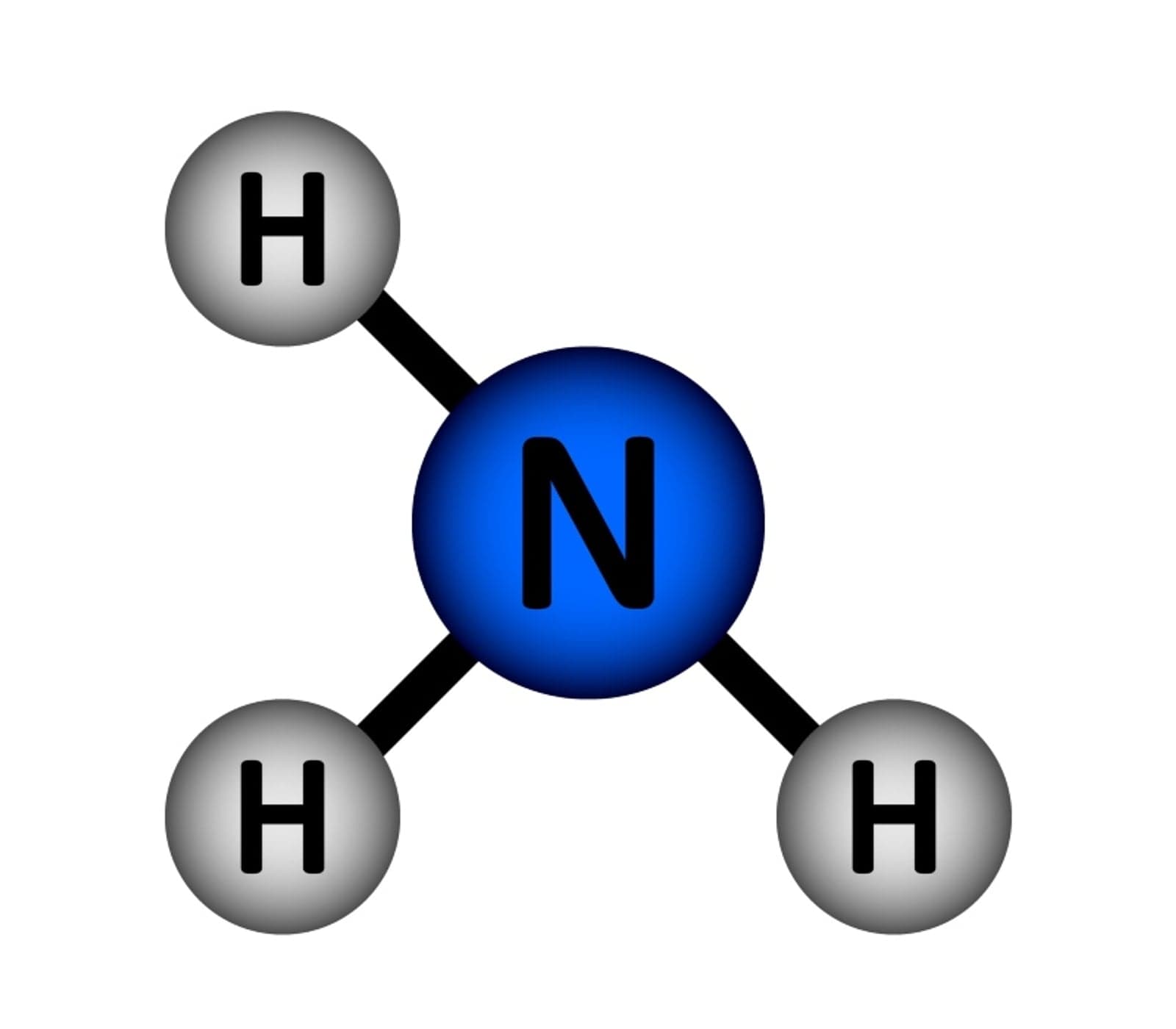
The process of creating ammonia from renewables, explained Petersen, is that electricity produced from wind and solar is used to power an electrolyser to produce hydrogen. From there nitrogen is mixed and ammonia is produced.
Petersen suggests that this kind of power-to-X project ultimately curbs curtailment, allowing excess renewable energy to be used when it’s available to reduce carbon emissions.
Ammonia as a clean fuel – a one way trend
Petersen suggests it is increasingly obvious that we need to find a combination of solutions to reduce emissions and substitute fuels and P2X will be a critical part of the solution to store excess electricity for later use.
“That trend is only going one way,” said Petersen.
“[It’s about] being open to different possibilities – this project is about ammonia, but it could just as easily be about e-methanol or something else.”
Have you read?
Danes plan to train ‘power-to-x(perts)’
ABB partners with Lhyfe and Skyborn on SoutH2Port hydrogen project
Vestas bags contract for pioneering German power-to-x project
Having the solution in place is one issue, but ensuring the system is balanced and optimised is another, explained Petersen.
“It’s essential to balance the plant in terms of electricity. Automation and digitalisation are the cornerstones to ensure the system operates smoothly, even though it is an unpredictable environment.”
Automation as a cornerstone
Petersen described why optimal automation is so critical.
Information across the entire plant must be handled efficiently and safely.
Petersen elaborated: “The ABB automation system involves everything; from control of the electrolyser to the ammonia production.
“Consider all the different signals from around the world, signals from the electricity market, pricing signals from the ammonia offtaker, considering whether you should put electricity on the grid or produce ammonia.
Site visit: Powering up Power-to-X in Denmark
Why Esbjerg is Denmark’s energy transition metropolis
“If you also have generation possibilities on top of the ammonia production then you need to consider whether to sell the ammonia or produce electricity because the electricity price is high.”
This process automation also ensures you don’t under or over produce or harm the assets, added Petersen, and allows for easy identification of faults and issues.
Power-to-X market barriers
When it comes to market barriers, the main hindrances to the P2X market at the moment are a lack of infrastructure development and clear policy guidance.
Petersen explained that regulatory frameworks are an important factor in developing a market and although progress has been made in Europe, there is still a need to increase infrastructure development to ensure that the ammonia or hydrogen being produced can be transported.
“You need piping infrastructure, which in the EU especially is handled by government institutions, you need interfaces, water, cooling, etc.
“You also need a lot of renewable energy,” added Petersen.
It won’t be easy, said Petersen, but it is possible. And that is the beauty of this project – it’s showing what is possible.
“It’s demonstrating that the technology works in a fluctuating environment, however, we need the supporting infrastructure to show it can work on a large scale.”
Petersen believes there is light at the end of the tunnel and understands that investments on this scale will take time.
Higher CAPEX and OPEX costs are traditionally barriers for operators, he said. This makes it critical to derisk operations, one of the core missions of ABB.
Furthermore, ABB is part of a number of alliances that facilitate communication across the entire project value chain. “It’s important to listen and understand how to create the best business case. P2X projects that have that mindset will be successful.”
ABB's early-stage involvement
ABB is supporting project development by being involved at the beginning stages of projects, where the decisions are made that influence how efficient the operations will be.
“We were involved in this ammonia project very early on in predesign to understand how the system will operate when connected to the grid.
“That’s what makes this project so exciting. All the partners brainstormed what needed to be accomplished when the project was finished. It’s inspiring, to be a part of that in the early stage, to give our contribution to a very interesting project and then see it materialise.”
Also of interest
UK opens national robotics centre for offshore wind
ABB showcases sustainability alongside ‘silent enabler’ switchgear
Petersen explained that the early phases of planning are essential to ensure successful system operations. “When you operate a process like this, there is feedback to the grid whether you like it or not, because that’s how electrons operate.
“You need to ensure the investments are suited for this new kind of operation, accounting for everything from cable width, noise regulation, ramping up and down, safety margins – that’s all in the pre-study.”
Ultimately, this is not normal business, explained Petersen. It’s operating existing technology in a new way and understanding the consequences of having renewables and new fluids in the system, he added.
When it comes to using P2X to achieve our decarbonisation targets, Petersen is cautiously optimistic: “It’s extremely complex – if we don’t have the holistic picture, if we don’t join forces to reduce carbon emissions – we will fail.
“No company alone can succeed when it comes to the energy transition. That is why ABB has put collaboration at the heart of everything we do and through this approach we are seeing great progress. We do not have all the answers, nobody does, but together we will find solutions to succeed.”