Oregon researchers investigate black wind turbine blades to save birds
Jonathan Spencer Jones
Posted on: 5 September 2024
Researchers at Oregon State University are testing the impact of painting wind turbine blades black on reducing bird collisions.
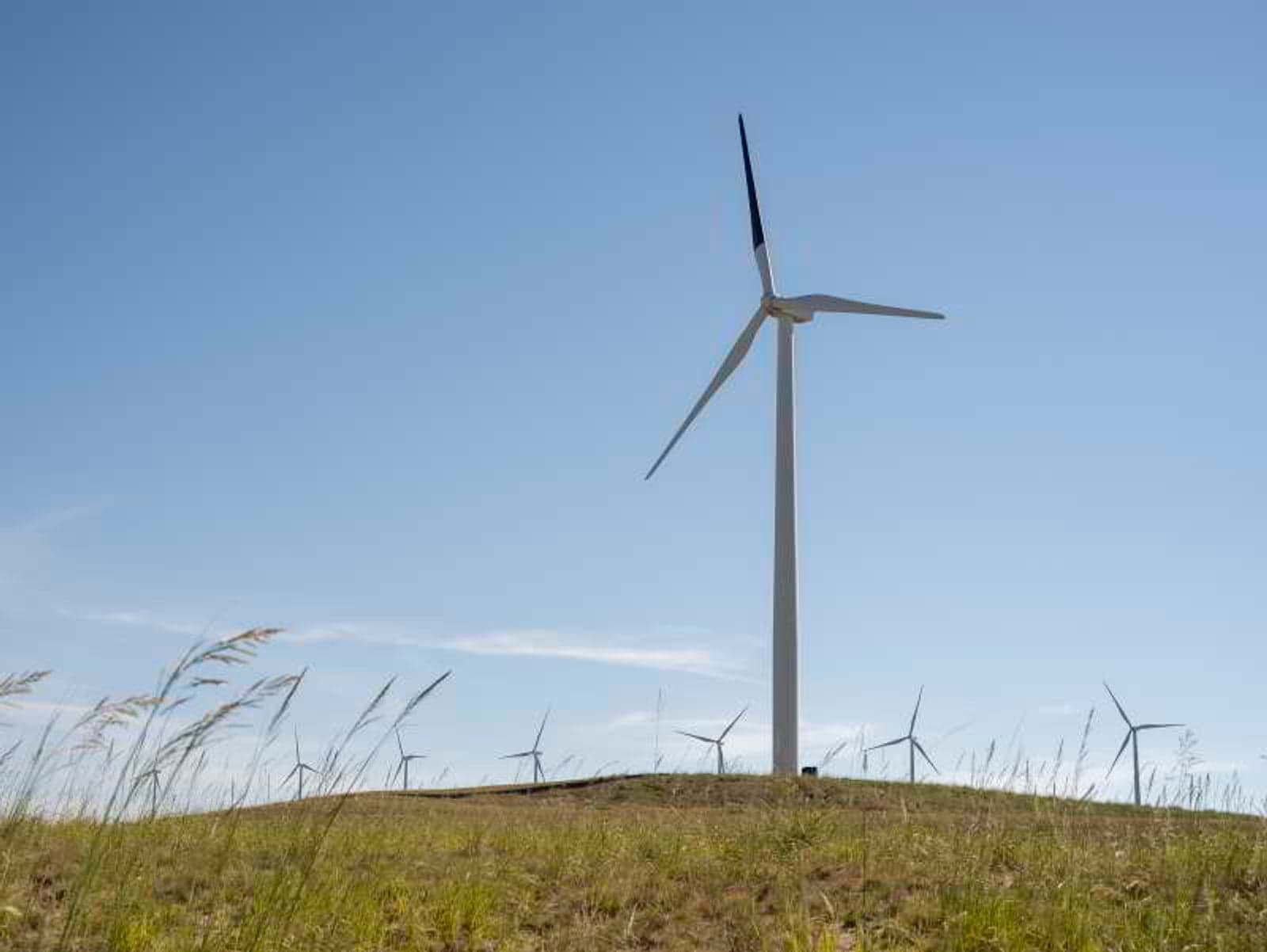
Researchers at Oregon State University are testing the impact of painting wind turbine blades black on reducing bird collisions.
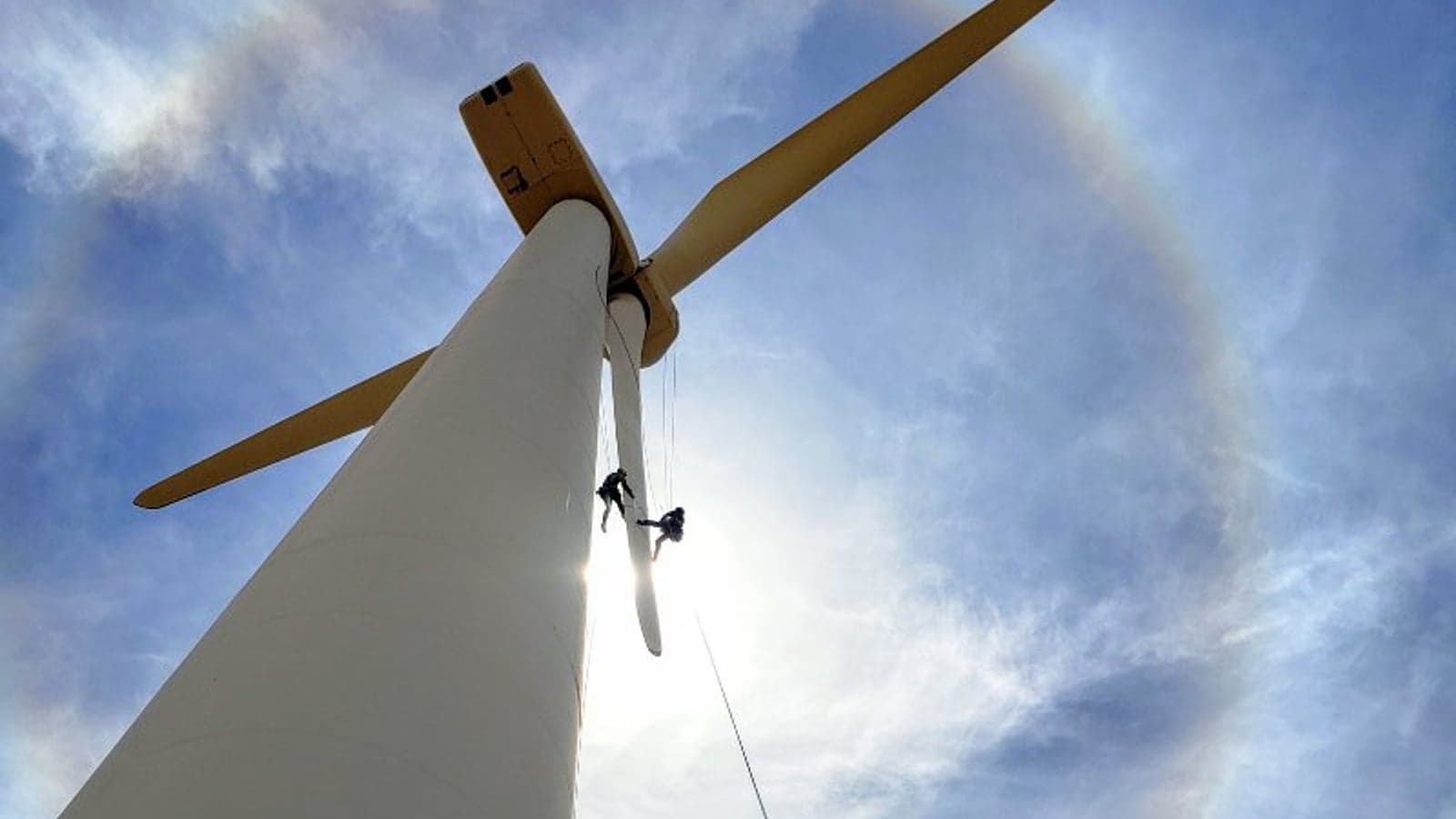
The project, one of several of its type underway, involves painting single blades of turbines black as a means of reducing the deaths of eagles among other birds and bats.
The concept emerged in a study in Norway in 2020, which found an almost 72% decline in bird collisions with turbine blades when one blade was painted black.
That study involved only four turbines and the Oregon research is aimed to increase the sample size, with the use of 28 turbines at PacifiCorp’s Glenrock wind farm in Wyoming.
Have you read?
Drone installation of bird protection markers piloted by TenneT
What the Griffin Wind Farm teaches us about biodiversity in renewable energy projects
Christian Hagen, senior research faculty in the Department of Fisheries, Wildlife, and Conservation Sciences at Oregon State, says the Norway finding had a dramatic effect but was a relatively small sample size.
“Industry and scientists in North America felt that before this became a policy change, we should replicate, enlarge the sample size and analyse different bird species to ensure it is effective and that there aren’t any negative effects.”
As part of the project, Hagen is working with doctoral student Natia Javakhishvili to develop a model that integrates recorded bird movement data from the research site to assess any increase in bird avoidance.
Javakhishvili’s primary focus is on golden eagles, a species affected by wind turbines, and she intends to use an extensive pre-existing dataset containing eight million points of golden eagle movements, including their vertical flight dynamics, to enhance the model's accuracy.
Additionally, at the Glenrock site, humans and detection dogs search for bird and bat carcasses.
Part of this data set will be used to predict the population-level impact of wind energy on ferruginous hawks, a species native to western North America.
Bird collision avoidance
Scientists believe that the black-painted blades disrupt the visual uniformity of the airspace and thus make the turbines more noticeable to birds and prompt avoidance behaviour.
The hypothesis is that eagles and other birds active during the day should be able to detect the painted blades.
However, bats, which rely more on auditory cues and have different visual capabilities, may not perceive the painted blades as effectively and the research should shed light on this.
The Oregon project, which is led by PacifiCorp, is one of several similar projects under way.
In the Netherlands, Vattenfall has a seven turbine study on the go, Iberdrola has painted blades black at several wind turbines in Spain as part of a project including the installation of vinyl shapes to turbine towers, and in South Africa the painting of turbine blades with two broad red stripes is being tested.
In the latter case, the South African Civil Aviation Authority rejected black as the preferred colour. Red, which is perceived well by raptorial birds in good light conditions, was seen as the second-best option.
Notably all these projects involve onshore wind farms and terrestrial birds and while there is comprehensive literature on the impacts of offshore wind on seabirds, there are apparently no similar initiatives focussed on mitigating seabird mortality.
Indeed the impacts of offshore wind on seabirds are more complex, with other factors coming into play such as potential habitat changes and boat movements to and from the wind farms, requiring comprehensive monitoring before, during and after the establishment of the wind farm to assess the bird population impacts.