Permitting hindering growth of offshore wind in South Korea
Pamela Largue
Posted on: 17 May 2024
Only 150MW of South Korea's 14.3GW offshore wind targets have been delivered due to slow permitting causing delays| according to GWEC.
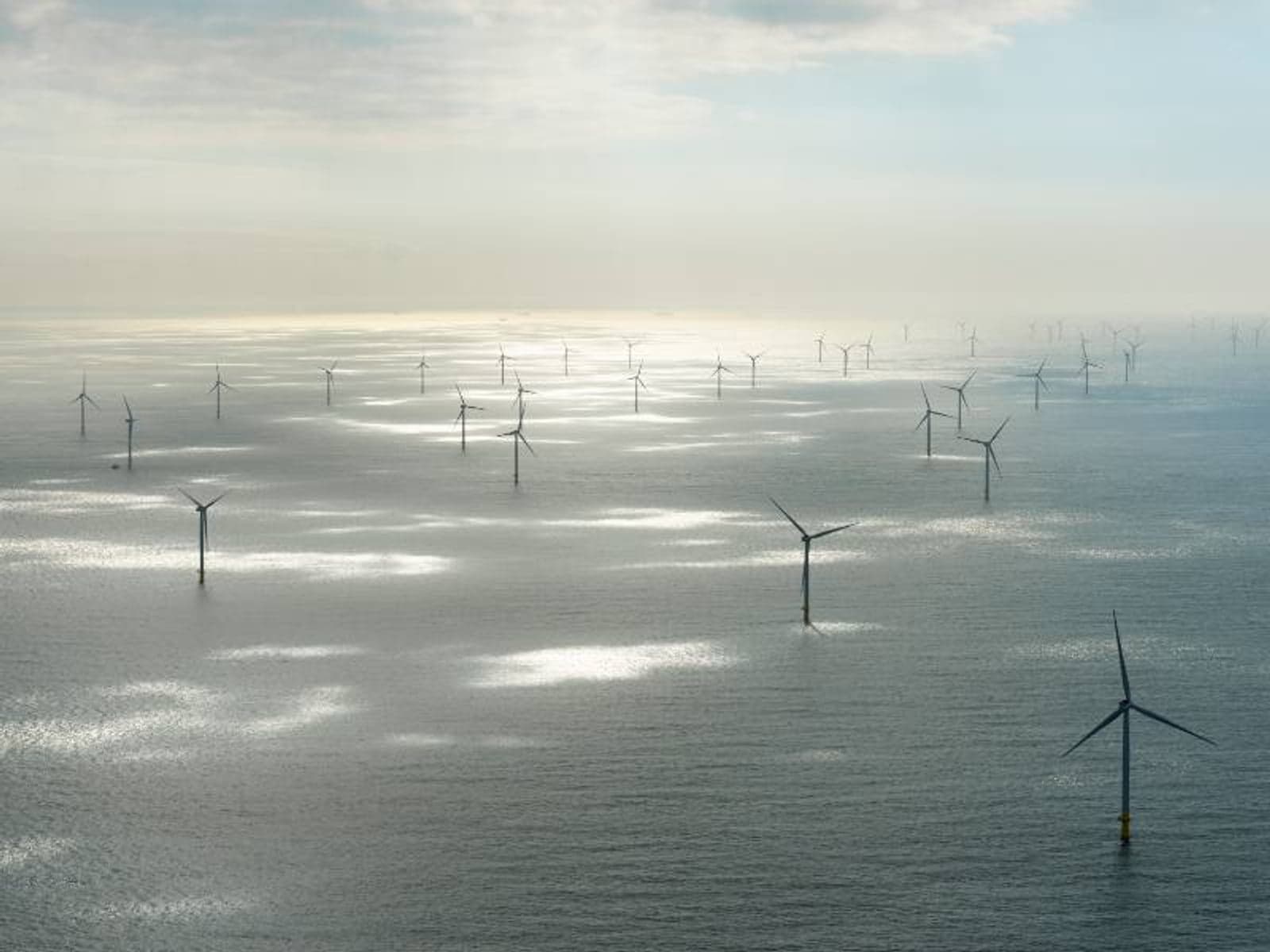
While offshore wind is critical to meeting net zero in South Korea, only 150MW of its 14.3GW offshore wind targets have been delivered due to slow permitting causing delays.
This was a key finding in the latest report from the Global Wind Energy Council, How offshore wind development can support coastal regeneration.
The report highlights the significant economic benefits of offshore wind development for South Korea’s coastal cities. However, to reap these benefits, lengthy permitting processes which typically take up to 10 years, must be streamlined.
The report calls on South Korea's policymakers to urgently address factors hindering the country's energy transition. Furthermore, the report emphasises the payoffs of doing so, including introducing 770,000 job opportunities and contributing 87 trillion won worth of investments into the economy.
To this end, GWEC recommends the passing and implementation of the Offshore Wind Power Promotion Act, which will ensure the smooth and fast rollout of offshore wind.
Have you read?
Ørsted inaugurates Greater Changhua offshore wind farms in Taiwan
Energy Vault commissions gravity storage system in China
Rebecca Williams global head of offshore wind GWEC commented: "Offshore wind is a good news story for South Korea. Our new report shows that 14.3GW of offshore wind can create a huge energy and economic opportunity, revitalising coastal communities across the country, and playing a role in halting post-industrial decline.
"Today we are setting out a blueprint to unlock the pathway to offshore wind growth in a way which benefits local communities and stakeholders. Local consensus through education, engagement and trust-building is a crucial first step to rolling out policies for offshore wind development."
Economic revitalisation
How offshore wind development can support coastal regeneration aims to spur economic development of South Korea's coastal areas, including Incheon, Gunsan and Mokpo.
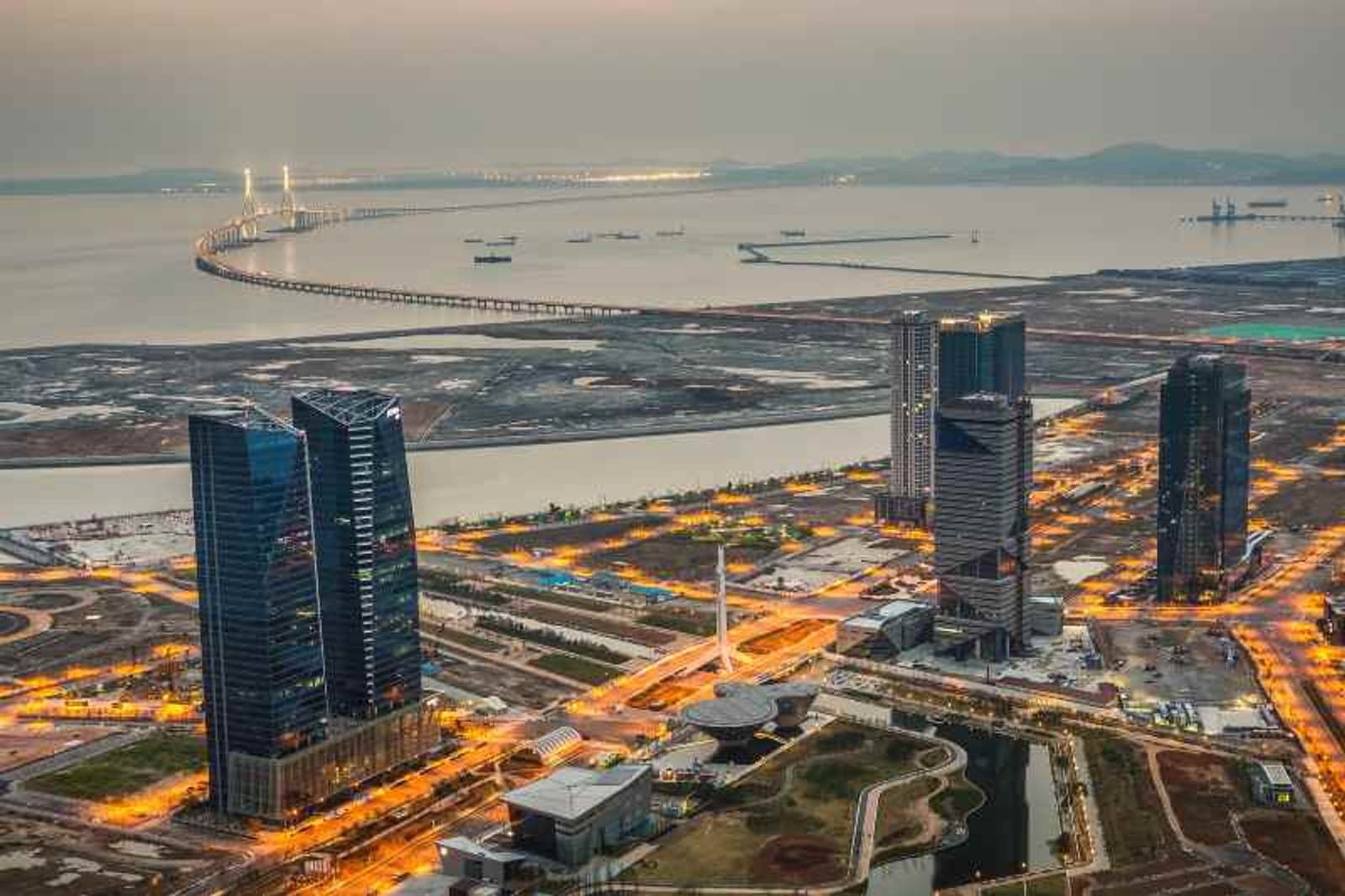
Besides the development of economic clusters and port infrastructure, job creation and upskilling of workers would be key benefits of offshore wind development, emphasises the report.
Yunsoung Kim, professor at Energy and Space Korea, suggests that developing offshore wind farms will be a valuable opportunity for regions at risk of declining, stating: "I hope they seize this chance to rejuvenate."
GWEC recommends collaboration between industry and government, improved stakeholder engagement and strengthening international networks. Furthermore, the government should explore Free Economic Zones, develop standardised community engagement guidelines, and continue to incentivise the growth of the offshore wind industry.