Poland’s next-gen nuclear programme projected to deliver significant economic benefits
Jonathan Spencer Jones
Posted on: 11 April 2024
The deployment of six Westinghouse AP1000 reactors in Poland should generate billions in GDP and thousands of jobs| a new report for the company suggests.
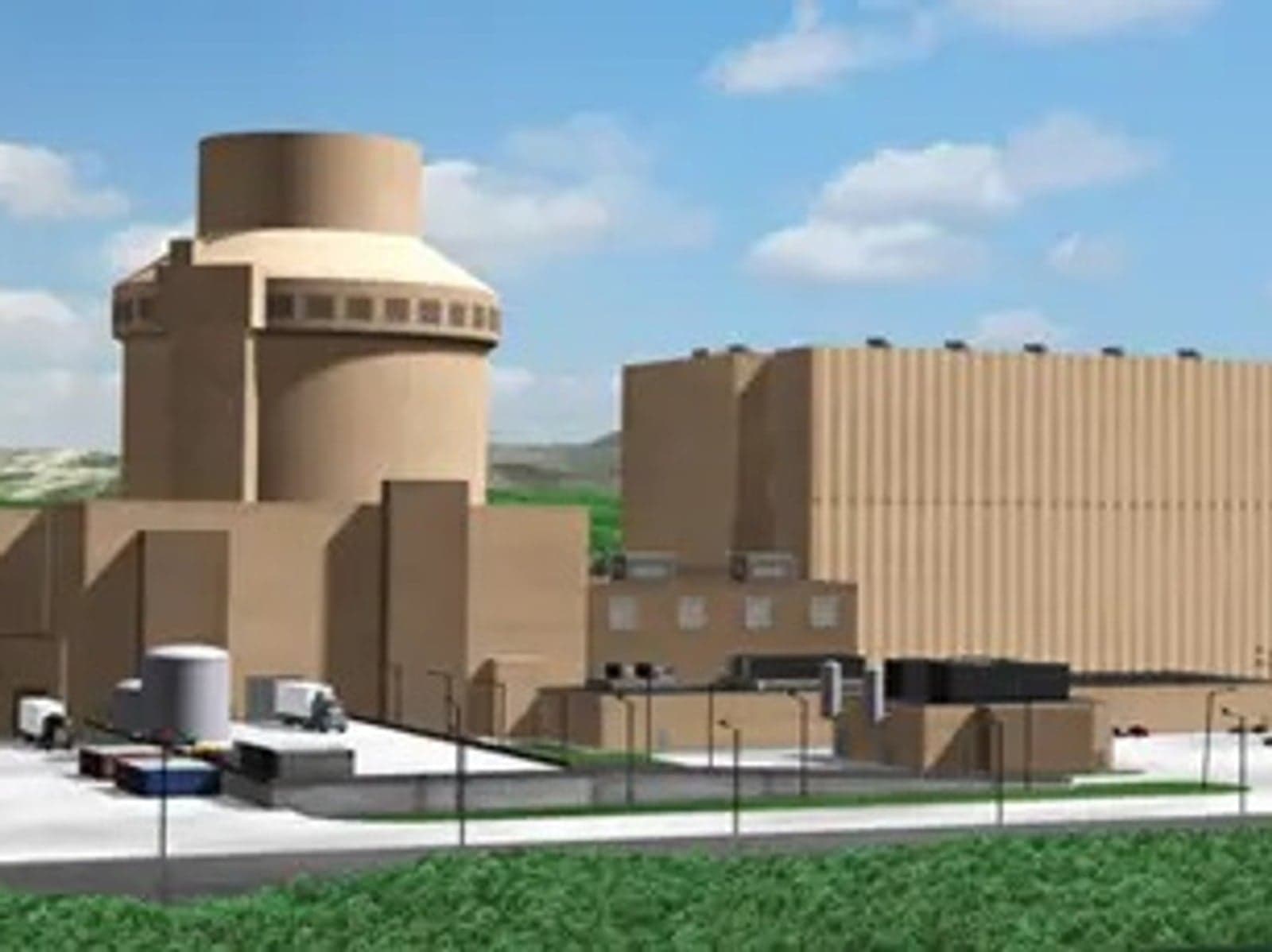
The deployment of six Westinghouse AP1000 reactors in Poland should generate billions in GDP and thousands of jobs, a new report for the company suggests.
The report, produced for Westinghouse by PricewaterhouseCoopers, indicates that the manufacturing, engineering and construction phase of the six AP1000 units would produce more than PLN118.3 billion (US$30 billion) in GDP along with over 120,000 person-years of direct employment.
Once in operation the units would create a minimum of PLN38 billion (US$9.6 billion) in GDP and support 16,300 jobs annually.
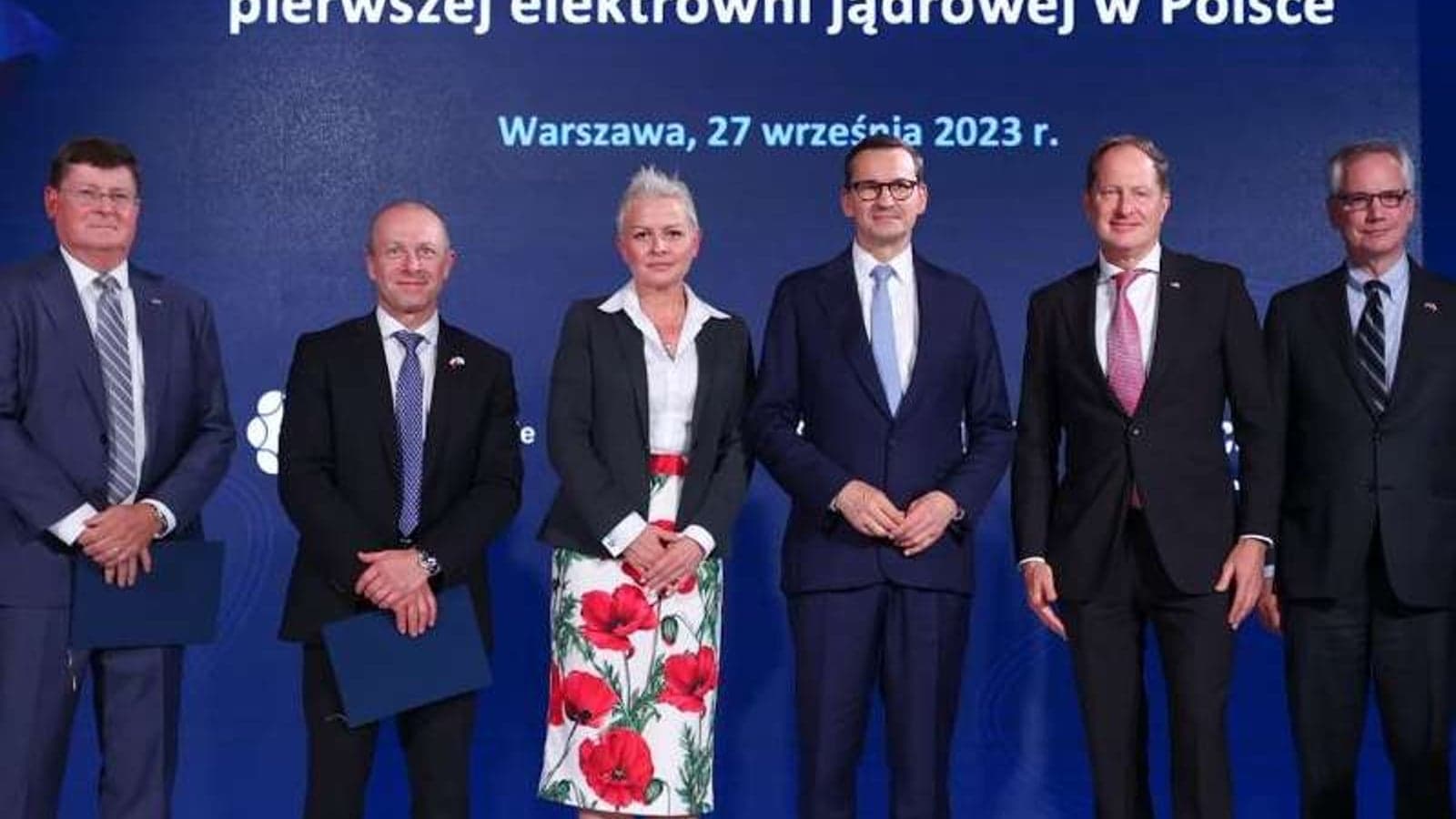
The project is being implemented by the state-owned Polish utility Polskie Elektrownie Jądrowe (PEJ).
Have you read?
Full-size SMR demonstrator completed using novel welding tech
Streamlining new nuclear projects with digital solutions and AI
It is set to start with three AP1000 units at Lubiatowo-Kopalino in the Pomerania region in the north of Poland, with the first unit anticipated to come into commercial operation in 2033.
“Deploying our AP1000 technology in Poland represents a 100-year partnership between the US and Poland on energy security,” said David Durham, President of Westinghouse Energy Systems.
“This study further underlines the significant and long-term economic, human capital and climate benefits that this technology can provide for the country, its people and deeply experienced supply chain.”
Among other findings in the report are that the deployment would generate a 39% reduction in CO2 emissions compared to existing power generation, while providing carbon-free energy to around 13 million homes – thus supporting the EU drive towards net zero by 2050.
It also should establish a skilled nuclear workforce through leadership training and partnerships with local higher education institutes. Once operational, the AP1000 project would also aid in the training of more than 2,400 local employees
The country’s supply chain that develops also should be enabled to participate in other AP1000 and other deployments, such as Westinghouse’s eVinci microreactor and AP300 SMRs in the region, generating up to an additional PLN1.9 billion in GDP per unit.
The AP1000 is a Generation III+ pressurised water reactor with five units in operation so far – one in the US, where a second is due to come online in Q2 2024 and four in China, where also a further eight are in construction.
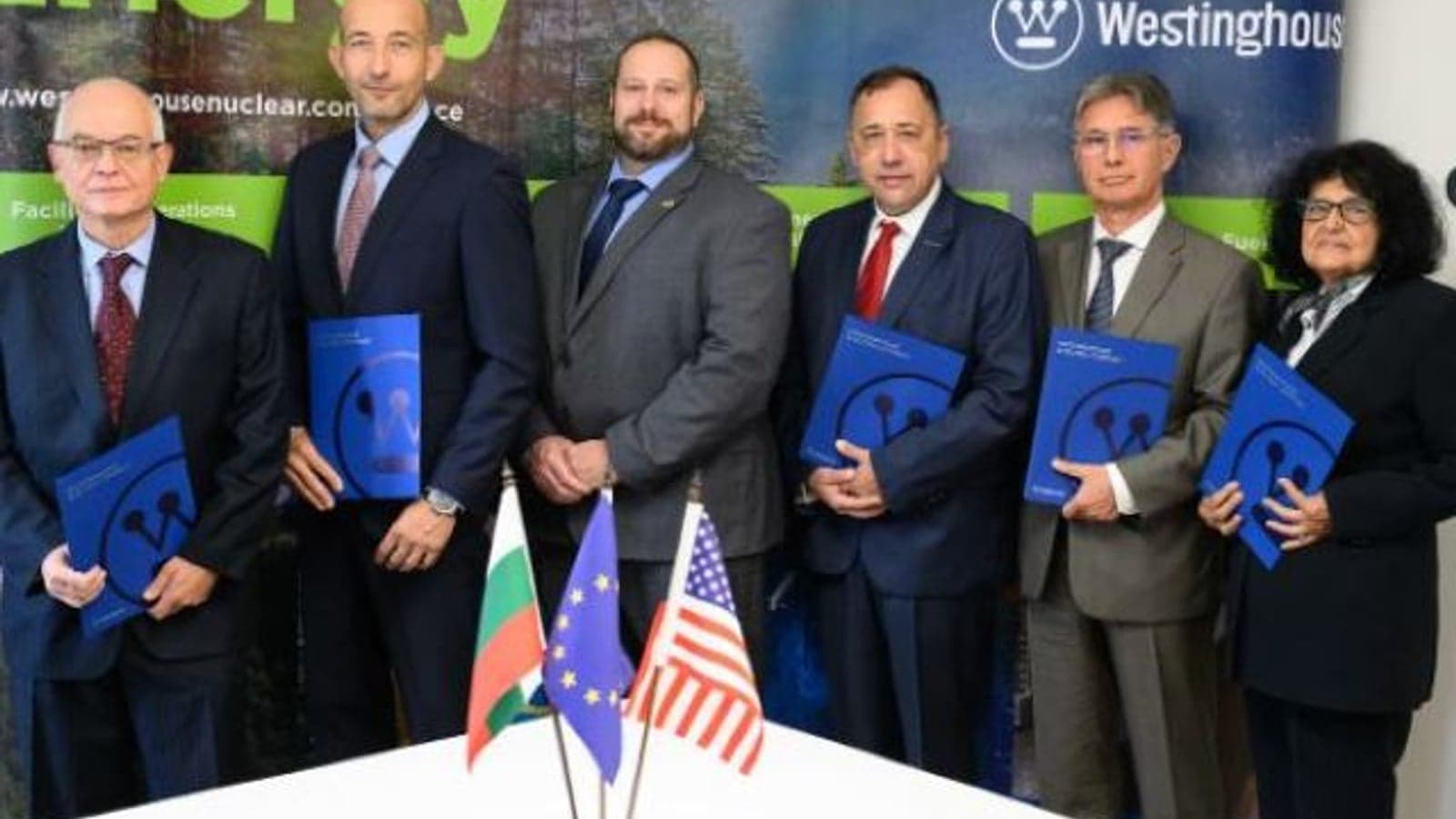
In addition to Poland, other deployments are planned in Ukraine and Bulgaria.
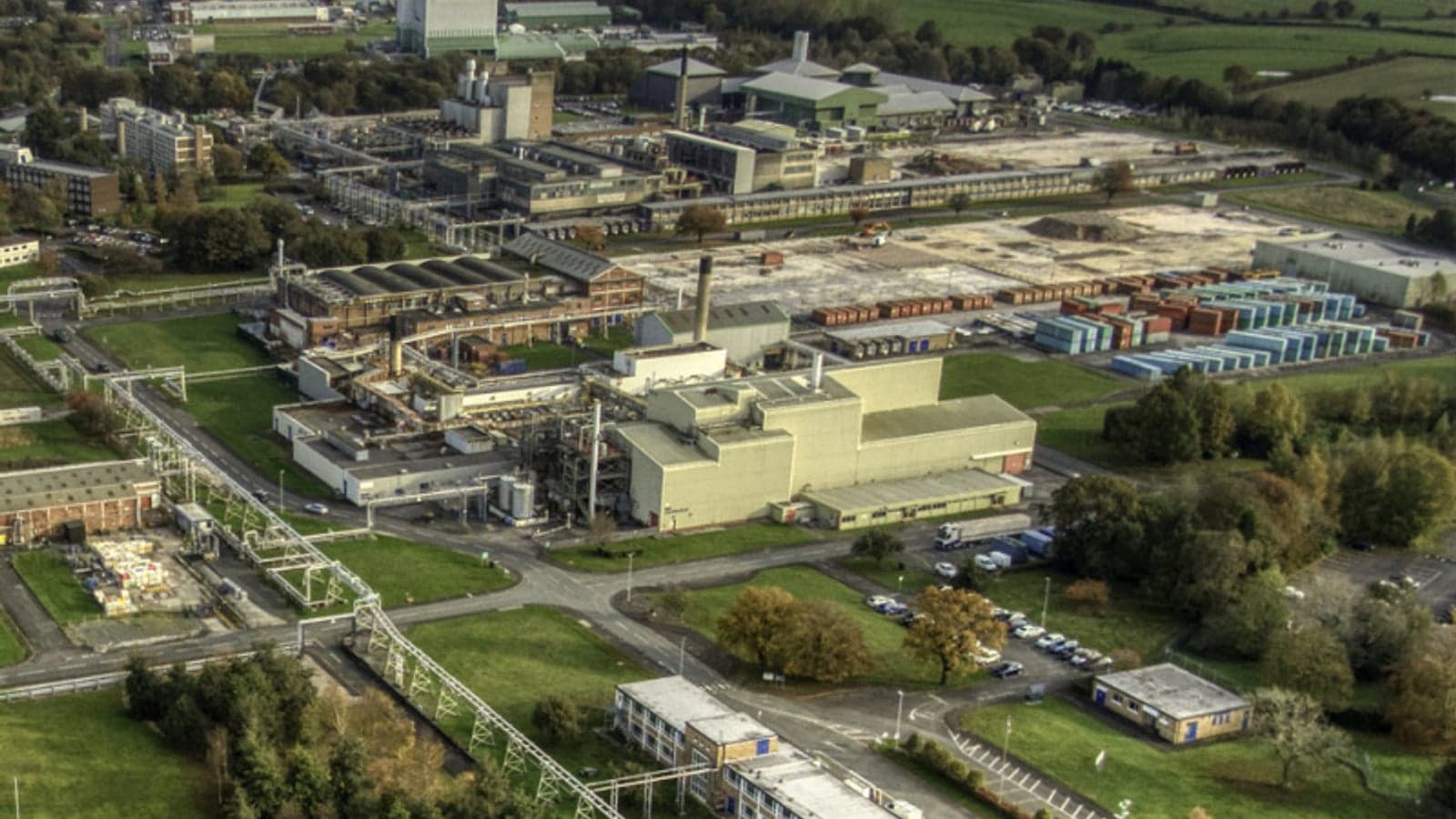
The selection of seven Polish suppliers to support the Lubiatowo-Kopalino site and other European projects also have been announced.
These are Polimex Mostostal Siedlce, Baltic Operator (Grupa Przemyslowa Baltic), Mostostal Kielce, Mostostal Krakow, ZKS Ferrum, Famak and Energomontaz-Polnoc Gdynia.