Poland’s TAURON Group begins greening work across heating networks
Yusuf Latief
Posted on: 24 February 2025
Polish distribution network operator TAURON has started decarbonisation and efficiency works across its heating networks.
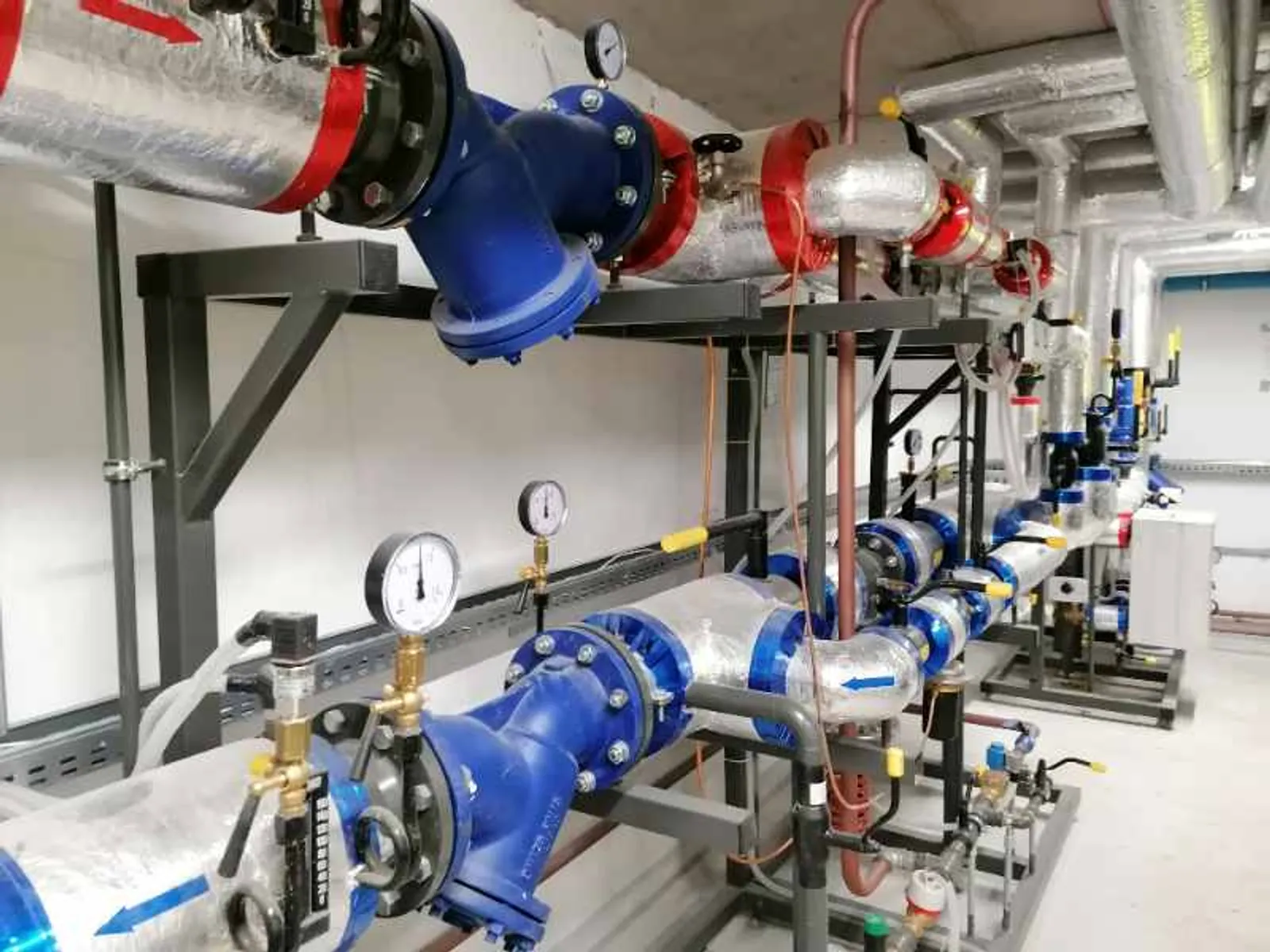
Polish distribution network operator TAURON has started decarbonisation and efficiency works across its heating networks.
In line with TAURON Group’s strategy for the next decade, the Group has started works on decarbonising heating across the network of assets it operates.
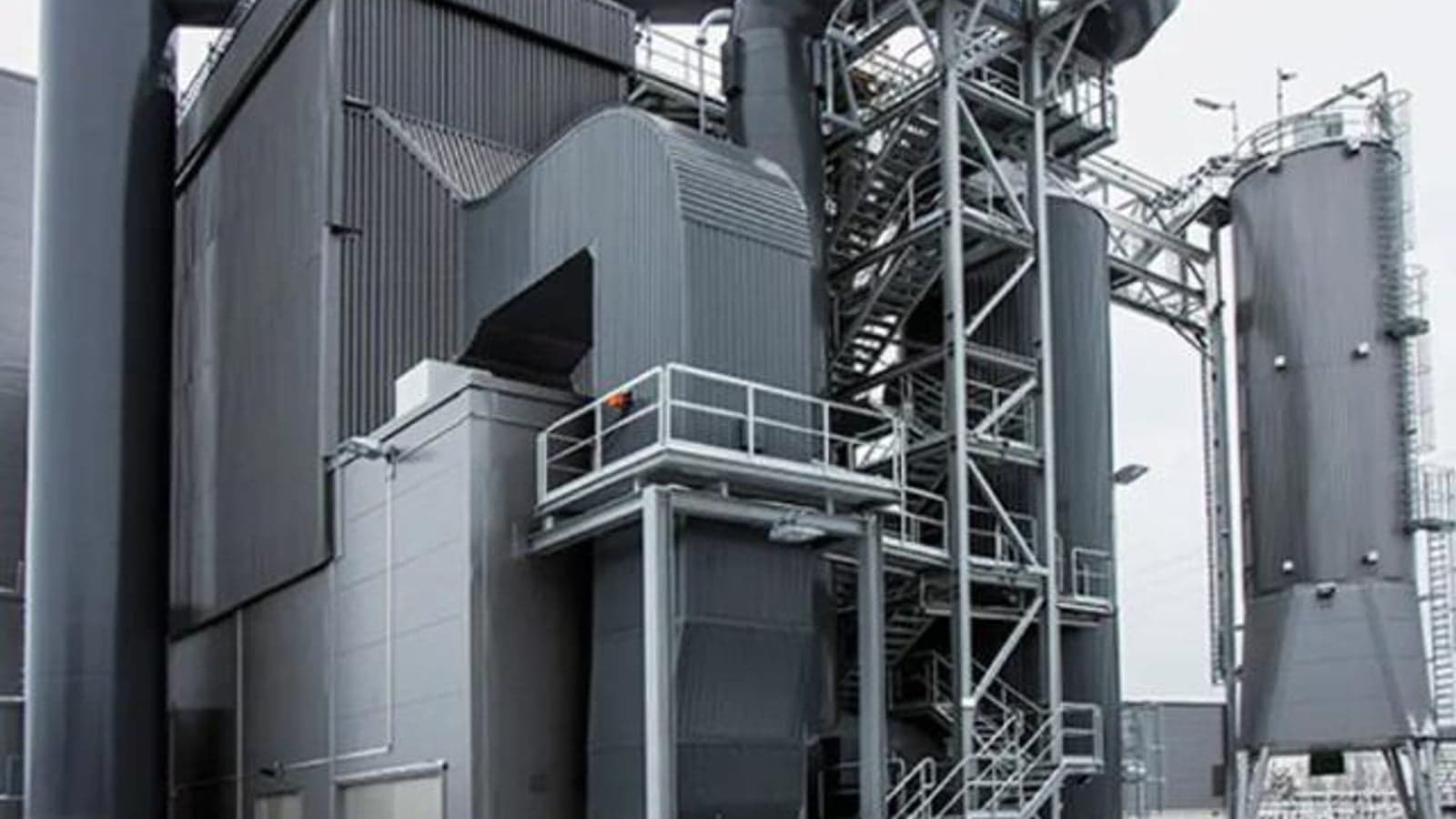
Specifically, the Group is conducting preparatory work for the construction of a new heat source at the Łagisza Power Plant in Będzin. The new heating system is to include a 140MWt/120MWe gas cogeneration unit adapted to production based on zero-emission fuels, a unit using the Power to Heat technology and a heat accumulator. The energy from this hybrid system is to replace the production of the current coal unit before 2030.
In the strategic plans of TAURON Nowa Energia in the heating segment, transformation and tailored investments in new sources are planned in each of the TAURON Ciepło locations.
In the Katowice CHP plant, the following investments are being evaluated: construction of a biomass boiler house, a gas cogeneration unit, construction of electrode boilers, a heat pump and a heat accumulator.
For the Tychy CHP plant, preparatory and analytical work is underway regarding the conversion of the coal block boiler to biomass fuel, as well as construction of an oil-gas boiler house, electrode boilers and a heat accumulator.
In the Bielsko-Biała CHP Plant, the decarbonisation plan assumes the construction of electrode boilers and a photovoltaic farm on the CHP plant premises.
In Czechowice-Dziedzice, the company is analysing, among other things, the possibility of building an alternative fuel combustion installation.
As part of the TAURON NOWA Energia strategy, TAURON Ciepło also assumes the construction of a generating unit based on biomass boilers, electrode boilers and a heat accumulator in Jaworzno – in order to provide heat supplies to the city's residents.
In the Cieszyn CHP Plant, there are plans to build gas engines and a biomass boiler house. Investments related to decarbonisation are also planned in the heating plants in Olkusz, Zawiercie and Kamienna Góra.
Have you read:
Poland’s Tauron signs agreement to build its largest wind farm
Kajima Poland completes 11.6MW solar plant for NGK Ceramics Polska
Commenting in a release was Marcin Staniszewski , president of TAURON Ciepło: “We have planned the transformation of the heating segment in TAURON comprehensively and systematically. Our goal is to build modern, energy-efficient heating systems, taking into account the latest, emission-free technological solutions in heating. We want our systems to serve residents in the future, ensuring safe and stable heat supplies at socially acceptable prices.”
Said president Marcin Staniszewski: “Strategic activities related to greening the heating sector are an extremely important step towards modernising the heating sector in TAURON, which will ultimately translate into the lives of residents and improve the air quality in the agglomeration and the region.
“The development of district heating in cities, each subsequent connection of a building to the heating network has a direct impact on improving the air quality in our region.”
TAURON Ciepło is the largest supplier of district heating in the Silesian-Dąbrowa agglomeration and one of the largest heating companies in Poland.
The total installed thermal power of the production plants included in TAURON Ciepło - mostly from high-efficiency cogeneration sources - is 1,243MW. The total length of the heating network in the TAURON Ciepło system is 1,100km.
Through over 5,000 heating substations, the company supplies heat to 280,000 households (over 840,000 residents).
TAURON’s heating initiatives are in line with their Group Strategy 2025-2035. Under this, in 2030 TAURON Ciepło plans to phase out coal-based production and provide 100% low- and zero-emission heat.
The Group Strategy assumes the construction of over 1.1GWt of new or modernised low-emission heating capacities. Investments in alternative fuel installations are also planned to be launched.
Related tags
Latest content
+1
Heat recovery steam generators design options and benefits
The heat recovery steam generator (HRSG) is a heat exchanger designed to recover the exhaust ‘waste’ heat from power generation plant prime movers, such as gas turbines or large reciprocating engines, thus improving overall energy efficiencies.
- Power Engineering International
- 01/05/2008