Preparing Germany's grid to bridge the north-south renewables gap
Pamela Largue
Posted on: 8 June 2023
Michael Jesberger| chief operating officer of TransnetBW explains that the current and future renewable energy landscapes in Germany bring unique challenges for the grid.
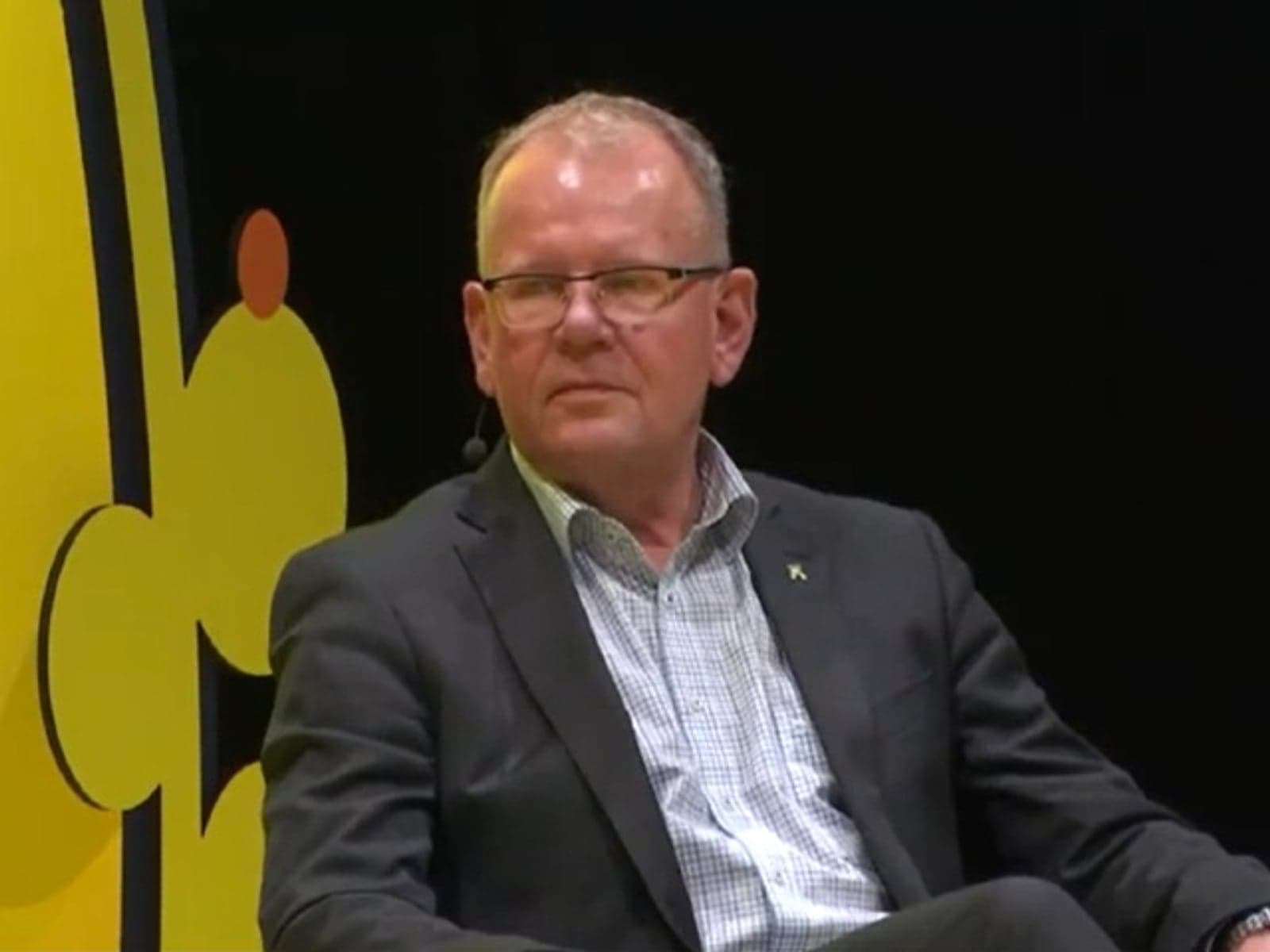
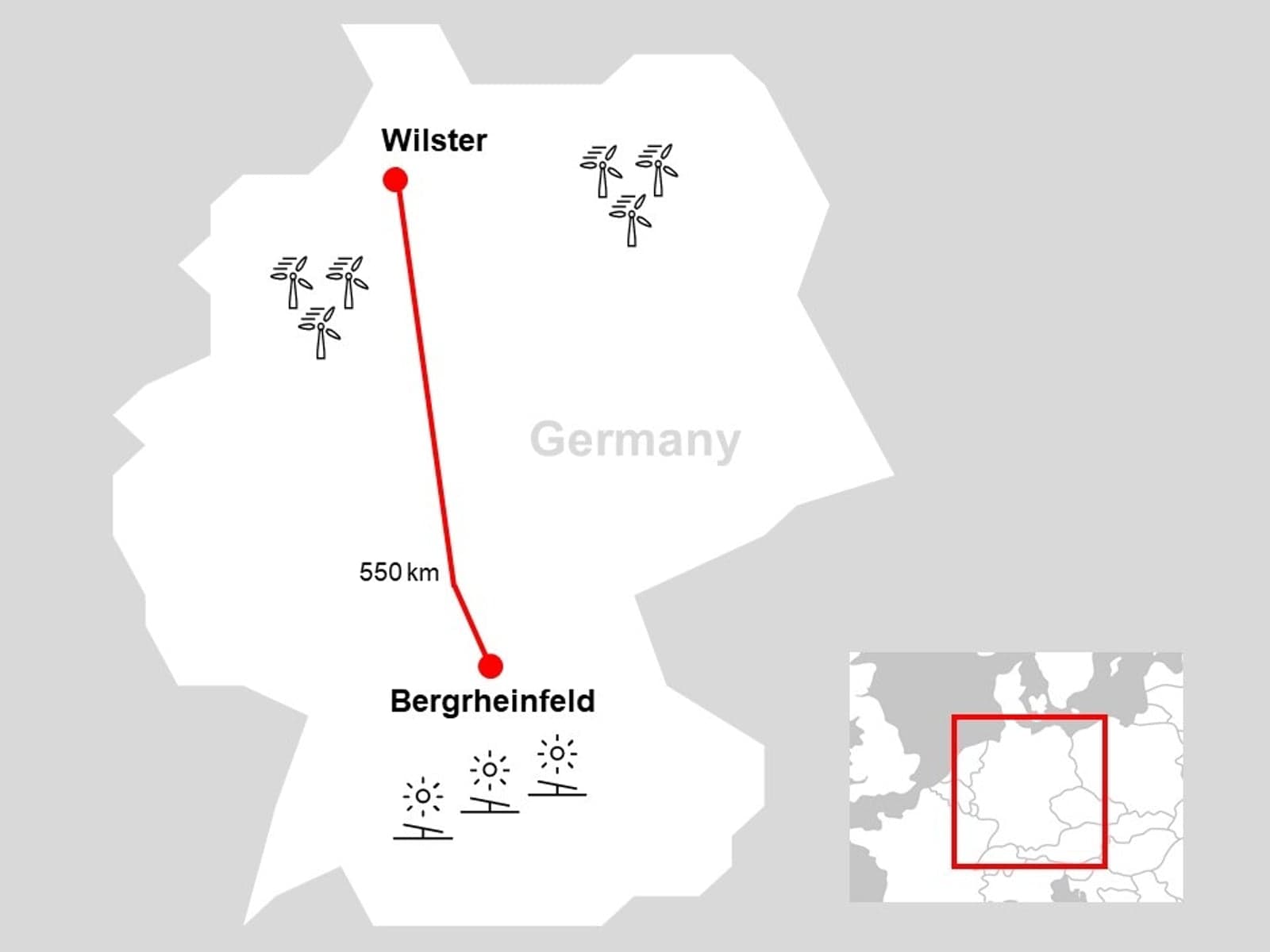
"The wind is in the North, the sun is in the South and [that's] the law of nature, we cannot change it. Instead of thermal or nuclear distributed over the country, we will now have one large wind farm in the North of Germany, and the energy will need to be brought down South," said Michael Jesberger, chief operating officer of TransnetBW.
In an exclusive interview with Janet Wood at Enlit Europe in Frankfurt, Jesberger explained that the current and future renewable energy landscapes in Germany bring unique challenges for the grid.
And despite the fact that the country's grid has already undergone significant change to accommodate the influx of renewable generation, there is still more work to be done, said Jesberger.
According to Jesberger, the generation and consumption landscape is changing dramatically leading to a change in grid topology. This in turn is impacting effective power distribution and causing grid congestion, challenges requiring novel mitigation strategies.
Have you read?
German minister Habeck says ‘gloves will be off’ for share of green economy
Germany has ‘paid for cheap Russian gas with our energy security’ says Baerbock
Ensuring grid stability and easing congestion
Jesberger explained that to utilise the sun and wind, different generation devices need to be deployed. As these new devices are deployed, characteristics of the old equipment are lost, such as reactive power compensation, and that decreases grid stability.
"We need to substitute those technologies...installing reactive power electronics, making use of flexibilities we have in the converters."
Jesberger also mentioned the need for new technologies they are developing, which are not yet available. The grid booster is one example of new technology that helps increase the utilisation rate of existing overhead lines.
"We need these types of assets to cope with the challenges of the future – the challenge being that we run the grid according to the meteorology forecast and not necessarily on the availability of coal and oil."
Jesberger added that due to delays in grid optimisation and expansion, grid congestion is also a real challenge.
"We are re-dispatching power by buying generation capacity in the south of Germany and shutting down renewables in the north to keep the system stable. This is not ideal and it costs a lot of money."
Jesberger also emphasised the importance of using load-shifting elements, phase-shifting devices and trading mechanisms to reduce congestion, referencing TransnetBW's new consumer app, StromGedacht, which has helped achieve load balancing on the consumer side.
SuedLink project
One project playing a significant role in Germany's grid modernisation strategy is SuedLink.
Jesberger described it as the biggest project of its kind in the country, providing a new underground cable connection to transport wind power from northern Germany to the south.
The 750km HVDC link will provide 4GW of transmission capacity and will be commissioned in 2028, said Jesberger.
And despite the engineering fete, the project is on schedule...for the most part.
According to Jesberger, project delays are being experienced because of permitting, permissions and public acceptance.
Faster permitting processes are critical to project success, as well as ensuring the public is on board with the process. Jesberger talked about the fear and concern of locals over safety, protection of the environment and proximity to infrastructure.
The answer lies in access to information, he said. "We have special communicators who have the right skills to discuss with the people. At the end of the day, it’s an emotional issue, not a rational one."
For SuedLink, more than 1000 "info markets" were organised to disseminate public information, said Jesberger.
Also of interest:
Tennet awards contracts to connect 22GW offshore capacity
Siemens Energy pioneers 2GW grid connections at sea worth €4bn
But, he explained that this information must be coupled with information about climate change to ensure people understand why these builds and reinforcements are necessary.
"This big picture, everybody should have in their mind...and I hope society can understand this and answer their doubts and questions."
Jesberger is optimistic about the measures being implemented to modernise Germany's grid, however, faster permitting processes, effective load balancing on the consumption side and public acceptance of new projects are critical to ensure grid congestion is not here to stay.
Watch the full interview to learn more about the state of preparedness of Germany's grid.