Partner contentGrids
Reframing the energy transition from system ambition to societal needs
Enlit Editorial Team
Posted on: 11 May 2026
Lucy Electric’s Philip Dingle explains why the energy transition must be reframed around societal needs.
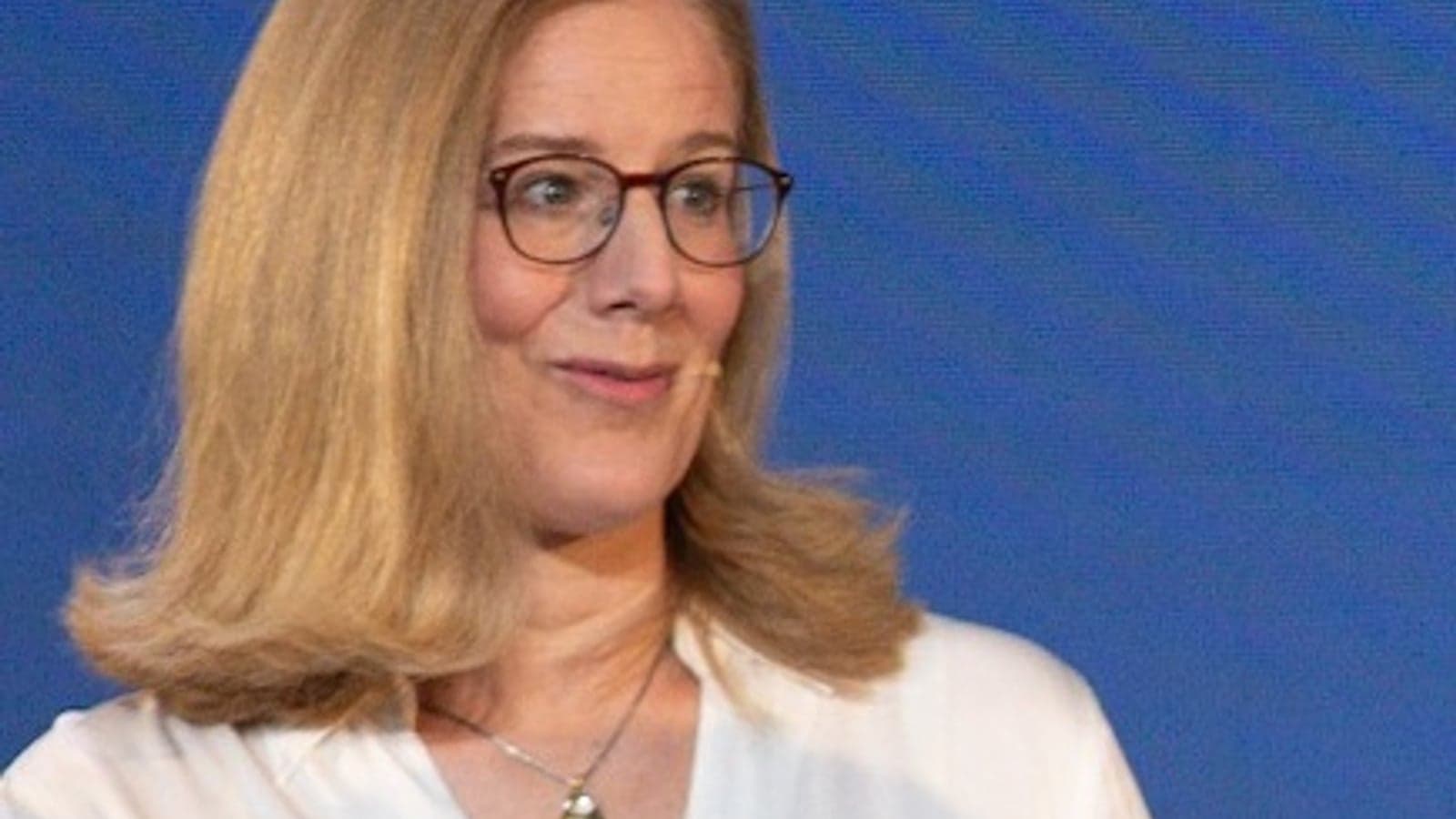
Philip Dingle, Director Future Networks at Lucy Electric, emphasises that the industry must step back and consider how consumer behaviour and societal reliance on electricity are shaping network demands. As demand grows and evolves, innovation in grid technology and smarter energy networks is helping move energy more efficiently and reliably to where it’s needed most.
These advancements are strengthening system resilience, supporting electrification, and ensuring energy infrastructure is fit for a society that is always connected and constantly changing.
According to Dingle, “we're moving into a world where the consumption of energy is expected to double by 2050,” bringing with it a profound societal dependency. From “our internet, our contactless card payment systems, our mobile phone usage,” to the electrification of “heating, transport,” electricity is becoming inseparable from economic and social function.
He adds: “increasingly, we're going to see… everything we touch will be dependent on electricity, and it will be a key economic driver for society moving forward.” This raises a fundamental question: “How does the energy transition fulfil that ambitions of society, not that energy transition is a goal in itself.
“Therein, I think, lies our challenge.”
Innovation evolution
Against this backdrop, Lucy Electric's innovation efforts have evolved over the years and are focused on three key areas.
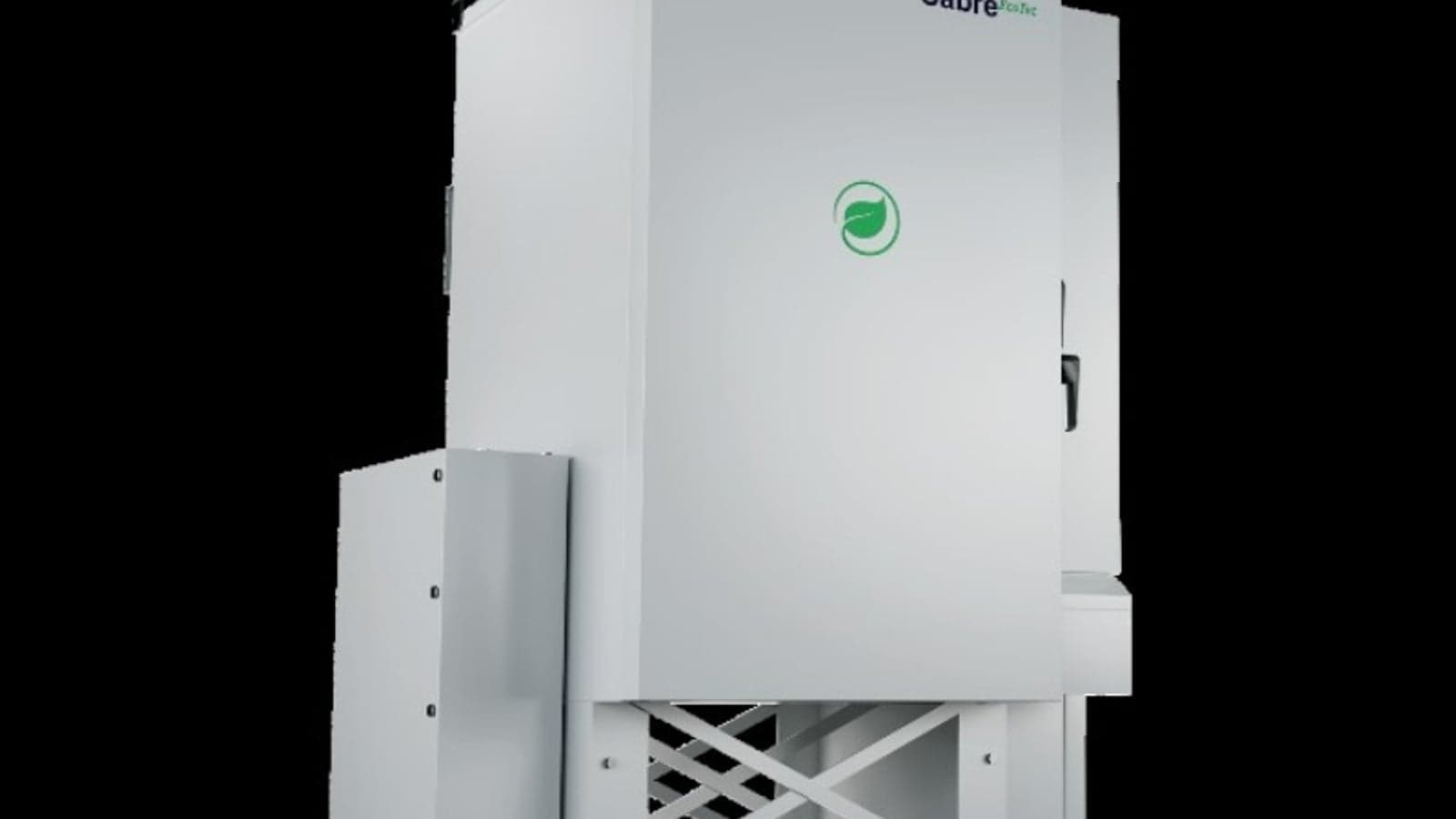
The first aligns with regulatory change: “the European ban on SF6, starting in 2026,” driving the development of new product ranges such as SabreEcoTec and AegisEcoTec.
“We're continuing to develop our range of non SF6 products through to 33kV, in line with the future ban.”
The second centres on digitalisation and automation. This includes “our remote terminal unit range… part of the network automation for utilities,” alongside newly launched capabilities such as “our remote edge device management system,” enabling control over “cyber security functionality, remote password access and firmware updates.”
Finally, the focus turns to data and intelligence at the grid edge. Through solutions like GridKey and AI-based SYNAPS, the aim is to deliver “actionable insights in four key areas, power quality, losses, data for planning, and finally, faults.” These tools enable utilities to “identify pre and post location of low-voltage cable faults,” while also preparing for the future needs of distribution system operators (DSOs).
“Part of the innovation that we're looking at is how can we extend that capability into the medium-voltage network,” ensuring that monitoring, visibility and control evolve in line with increasing system complexity.
Watch the full interview to explore how changing electricity demand is reshaping grid innovation and network design.
More interesting insights: Smarter switchgear for a renewable and resilient Europe
**This interview was filmed in November 2025 at Enlit Europe in Bilbao, Spain.
Related tags
Most popular
Join the community for freeAnd get access to all content
Related companies
Lucy Electric
Related members

Philip Dingle
Lucy Electric
Director Future Networks