Samsung C&T and Kärnfull Next partner on SMR projects in Sweden
Power Engineering International
Posted on: 9 December 2024
SMR project developer Kärnfull Next is partnering with Samsung C&T to accelerate the development of SMR Campuses in Sweden.
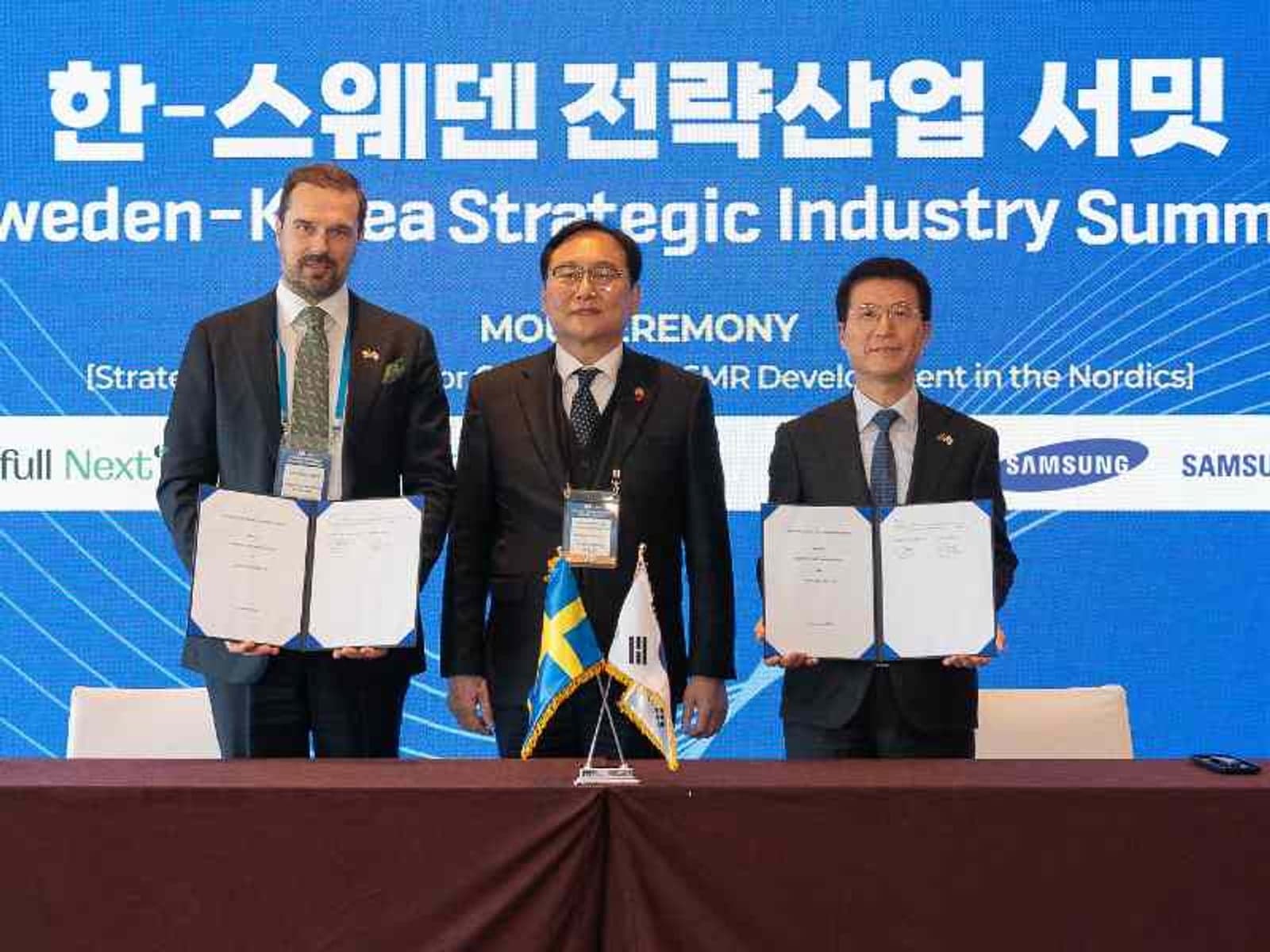
Swedish SMR project developer Kärnfull Next has signed an agreement with Samsung C&T (Construction & Trading) to accelerate the development of SMR Campuses as part of the Swedish Re:Firm South SMR programme.
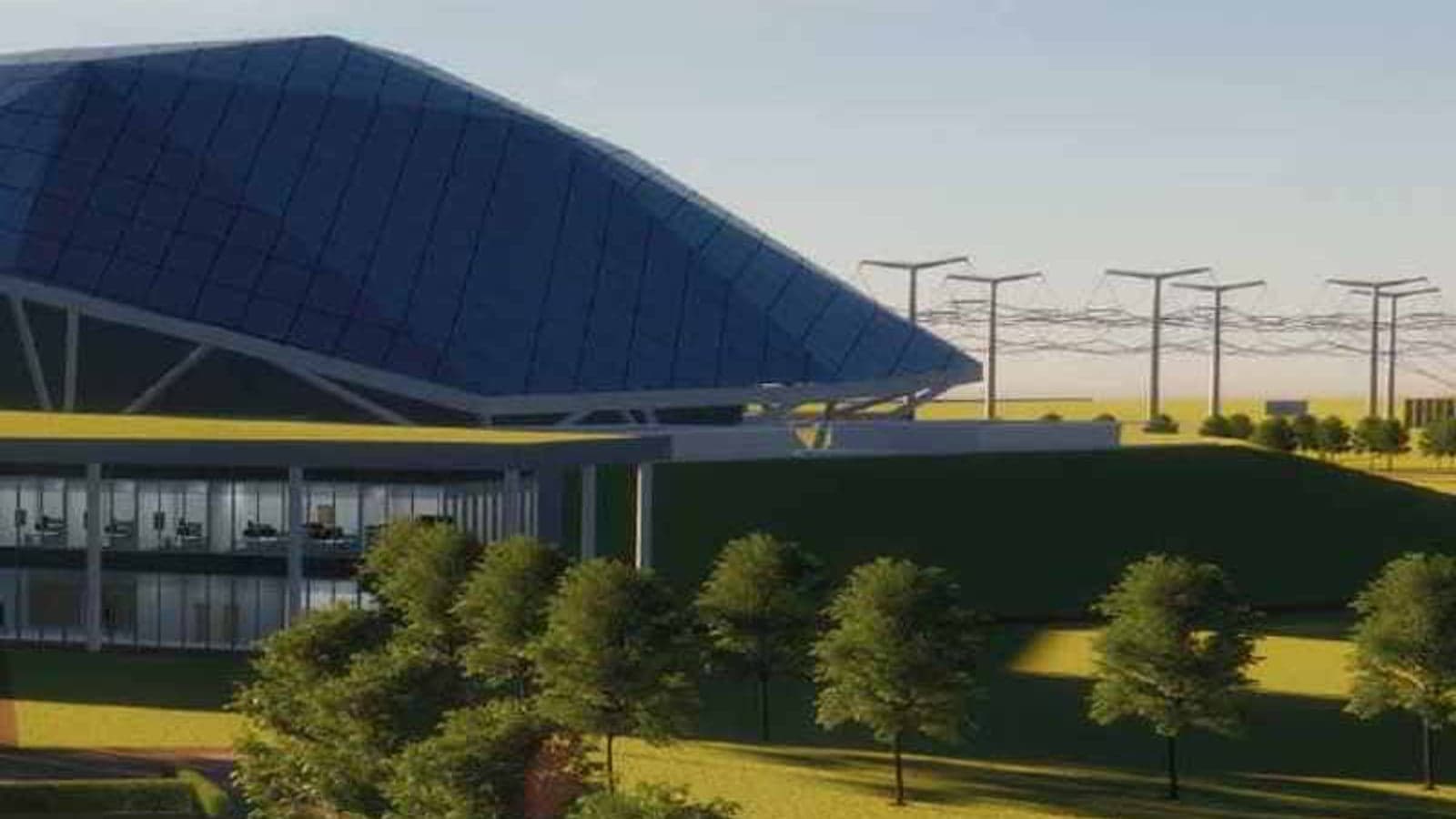
The Kärnfull Next's Re:Firm South programme aims to establish SMR campuses across the Nordics to provide reliable, clean electricity to the national grid and supply energy-intensive facilities such as AI data centers.
The plan is to continue to build multiple power plants and attract data centres at the same time and develop them into complex clean energy campuses.
Kärnfull Next has already completed preliminary surveys of two sites in southeastern Sweden for SMR power plant operation. Samsung C&T plans to immediately begin follow-up work for power plant construction, including selecting related technologies and conducting environmental impact assessments, together with Kärnfull Next.
Have you read?
Meta seeks up to 4GW of new nuclear to power data centers and AI
Rolls-Royce SMR confirms ČEZ as strategic investor
Christian Sjölander, CEO and co-founder of Kärnfull Next, commented in a statement: "With a global leader like Samsung C&T at our side, providing expertise in areas like project financing and advanced construction, we are taking the next step toward making SMRs a reality, contributing to Sweden’s goal of new nuclear power by 2035. Their experience and scale provide invaluable resources to transform our vision into action."
South Korea’s Samsung C&T has worked on several nuclear export projects, including the Barakah Nuclear Power Plant in the United Arab Emirates, as well as collaborating on several SMR developments in Romania.
In its nuclear power roadmap published in 2023, the Swedish government announced plans to expand nuclear power to at least 2,500MW by 2035 and to build large-scale nuclear power plants, including SMRs, by 2050.