Shift2DC: Revolutionising the way we use electricity
Guest/partner contributor
Posted on: 13 February 2025
One year into the Shift2DC (SHIFT to Direct Current) project, the first phase has been completed, including delivery of a comprehensive analysis of the DC market.
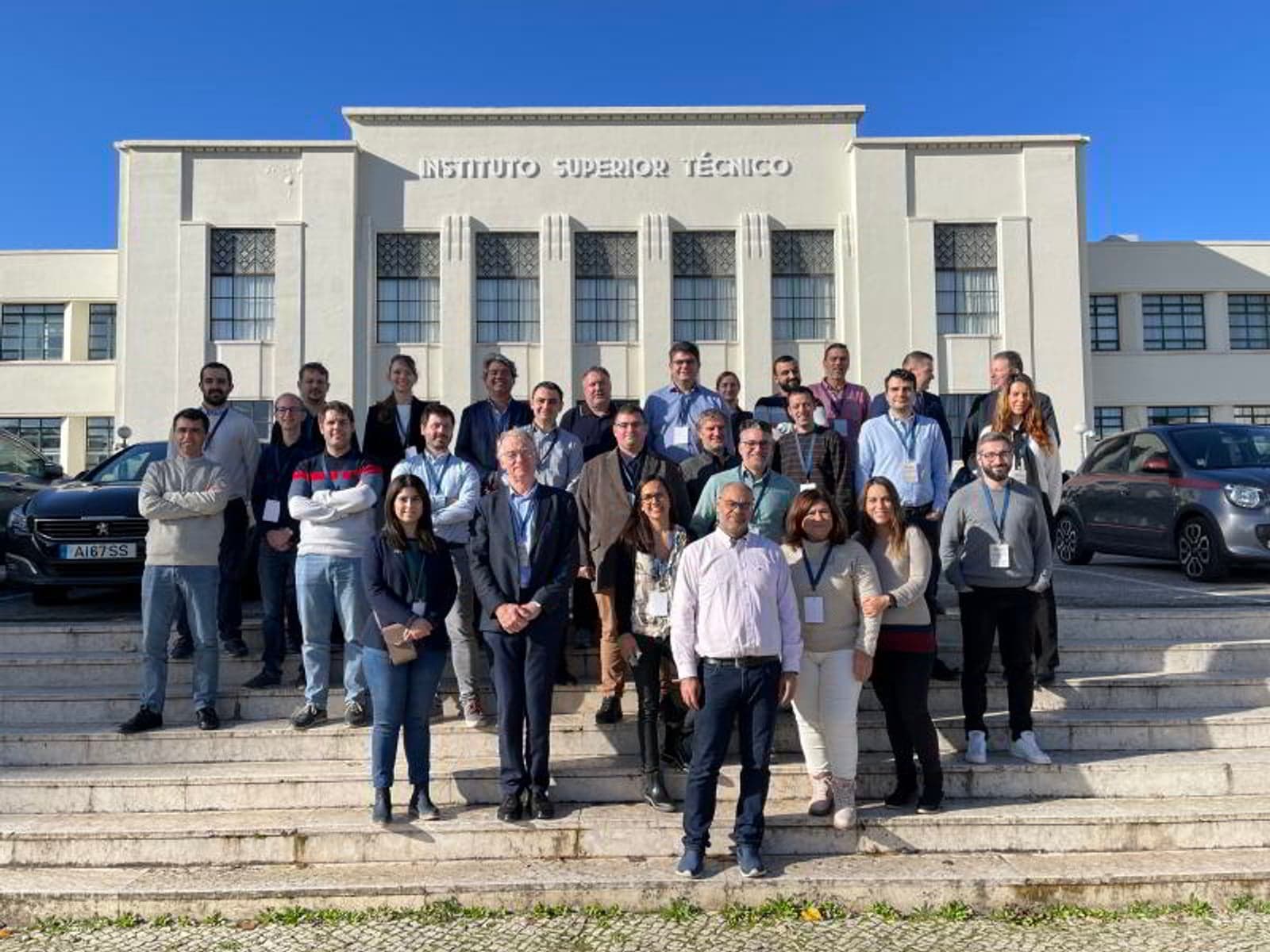
One year into the Shift2DC (SHIFT to Direct Current) project, the first phase has been completed, including delivery of a comprehensive analysis of the DC market.
The Shift2DC Horizon Europe project entered its second year in January 2025, reaching a significant milestone with the completion of the first work package (WP).
This initial phase played a crucial role with the DC market analysis identifying key opportunities, addressing barriers and examining the regulatory landscape in detail.
The discussions on the opportunities and evolution scenarios of DC technology, aligned with the EU's climate and efficiency goals, not only met their objectives but also strengthened partnerships among stakeholders.
These efforts established a solid foundation for upcoming tasks, particularly in defining the project's use cases and regulatory frameworks.
As part of the Work Package 1, an in-depth analysis of policies and legal mechanisms for MVDC and LVDC systems was conducted, evaluating regulatory frameworks across Europe and participating countries.
This analysis identified barriers to DC adoption, proposed actionable recommendations and outlined potential market architecture options to support the transition.
Importantly, the work developed thus far has defined specific use cases for demonstrators in data centres, buildings, industry and ports, reinforcing the transformative potential of DC technology across various sectors.
Recognising the wide range of applications for DC, the efforts have been centred on understanding end-user perspectives in both B2C and B2B contexts, ensuring that the proposed solutions are tailored to real-world needs and challenges.
Looking into the future: Shift2DC four demonstrators
With this foundational phase complete, the project is now ready to transition from presenting solutions to delivering results. At the 3rd General Assembly in Tallinn in November 2024, the consortium began planning the implementation and testing phases for the four project demonstrators, establishing tailored strategies for each demonstrator:
The data centre demonstrator, located at the premises of Bachmann in Stuttgart, Germany, will be set up in a container housing two different compartments both supplied by the same DC distribution grid. The characteristics of the container that will be installed to test DC solutions were already defined as well as the characteristics of the servers to be used for the demonstrator.
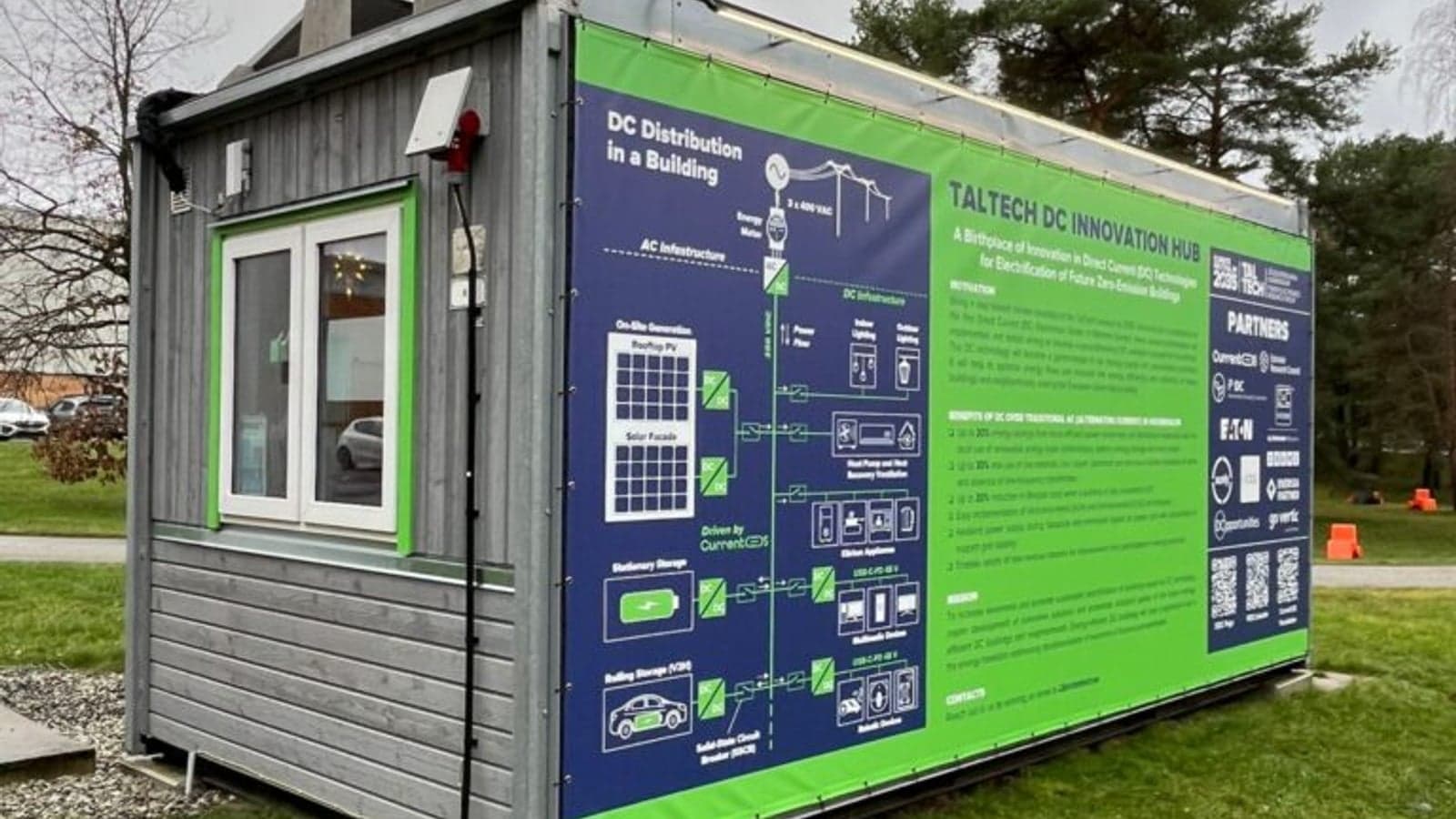
The commercial DC building demonstrator will be developed in France. The planned DC infrastructure will supply DC compatible power needs of the building including the connection of a PV system, DC/DC EV charging stations, heat pumps if possible, a battery energy storage system as well as some of the traditional loads. The setup of the demonstrator has been defined and specifications for the equipment are now in discussion.
This demonstrator is key for the test of some solutions that are currently being developed, namely the protections and cables.
The industrial demonstrator will be implemented in Germany divided into two demonstration sites: one part dealing with MVDC to LVDC conversion, while the other part focuses on the LVDC grid in an exemplary industrial production building at Phoenix Contact's headquarters in Blomberg. As for the MVDC to LVDC part, a first simulation test has been performed. The devices to be installed are under development. The local LVDC network is currently being planned.
The port digital twin demonstrator will be implemented in Funchal in Madeira Island, Portugal and has two main objectives: to study the potential of DC in ports by leveraging a digital twin of the Funchal Port and to analyse user perspectives. A metering system has been installed in all the partial electric boards in the port allowing a detailed characterisation of the electric consumption of the different spaces and installed devices. An analysis of the power quality has been performed. Now, the architecture of the installation is being finalised and the implementation of the digital twin started.
Shift2DC: one year in numbers
In just one year, the project has published five papers, participated in 14 events and presented at eight of them, including a notable presence at Enlit Europe 2024 in Milan. Additionally, five workshops and webinars were organised to enhance the project visibility and disseminate knowledge to a broader audience.
With over three years ahead, we are excited about the future and remain committed to driving innovation and contributing to the evolution of DC technology.
Related tags
Latest content
+3
The EU Energy Projects Podcast: Green buildings and neighbourhoods with project PROBONO
In this episode of The List Podcast, Areti delves into the world of green buildings and neighborhoods with the PROBONO project, exploring the challenges and opportunities presented by this crucial transition.
- Enlit Editorial Team
- 28/02/2024
+2
Webinar Recording: How Digital Twin technology can help homes and buildings perform better
In this discussion, contributors to the KNX technology will unpack the challenges faced by the Digital Twin technology, and how interoperability at the core of the ecosystem can support the overall success.
- Smart Energy International
- 23/05/2022