Solar breaks record in European power generation
Power Engineering International
Posted on: 2 April 2025
Solar broke another record in power generation this March for the third consecutive month| making up more than 10% of the European electricity mix| states Eurelectric.
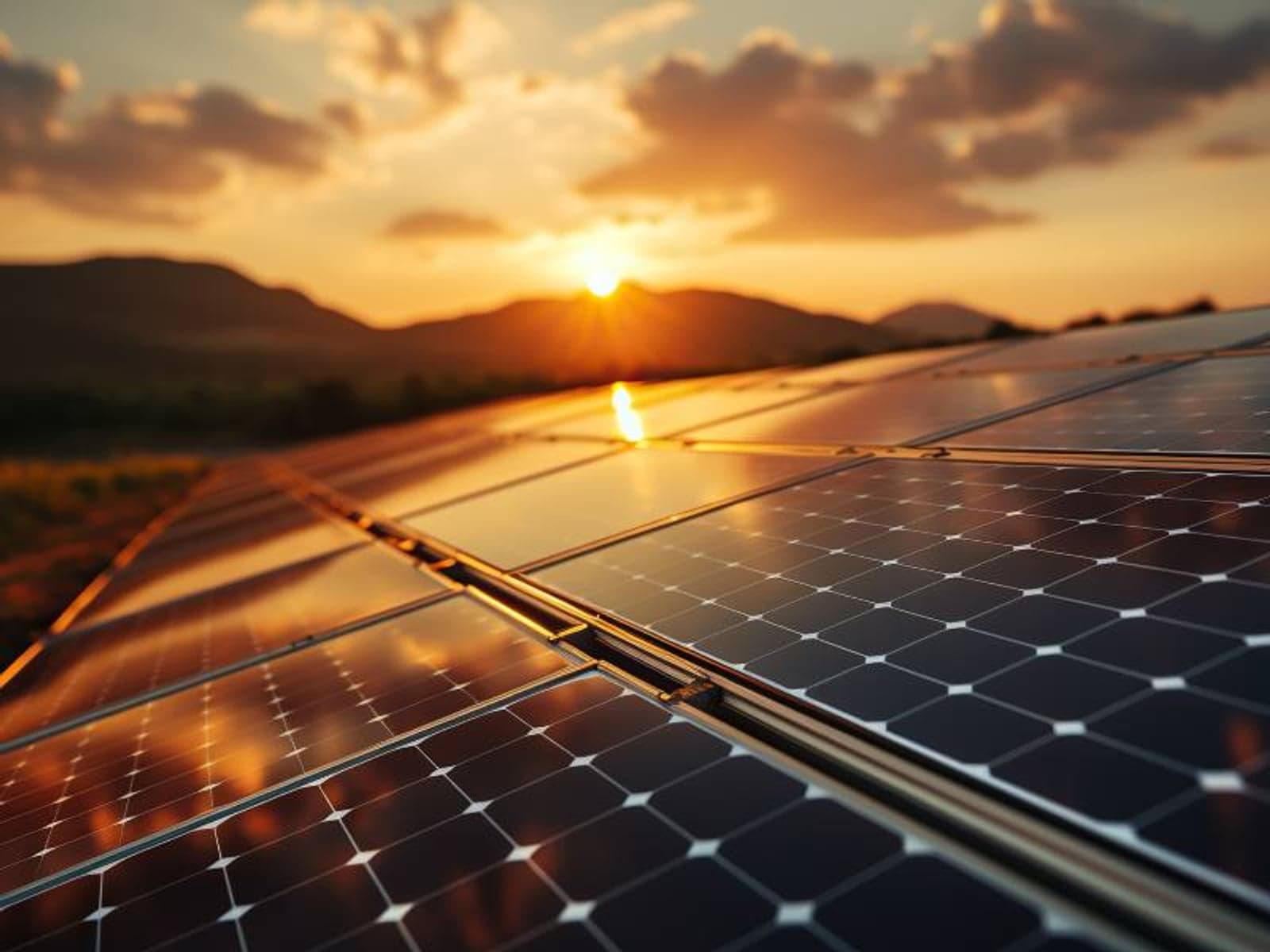
Solar broke another record in power generation this March for the third consecutive month, making up more than 10% of the European electricity mix, according to the latest data from Eurelectric.
This solar boost, combined with improved nuclear generation and milder weather, decreased power prices to €90 ($97) per MWh compared to the highs of €126 ($136)/MWh seen in February and €112 ($121)/MWh in January.
Causing such highs were low wind generation, increased power demand and the highest gas prices in two years, experienced as a result of the ongoing global geopolitical tensions, as well as outages in Norway.
This March, solar came to the rescue of Europe’s high power prices thanks to sunnier days and increased capacity, with 65GW added in 2024 alone. As a result, the share of renewables in the power mix was 15% higher in March compared to February, but still 1% lower than in March 2024. Nuclear also contributed to lowering prices, by increasing its share of power production from 24% in March 2024 to 26% in 2025 after a few French nuclear reactors came back online.
Have you read?
Energy demand surge in 2024 met largely by renewables shows report
WEC’s Wilkinson warns Europe to not develop global ‘blind spot’ because of Trump
Despite these gains, the average day-ahead electricity price in the first quarter (Q1) of 2025 remained 51% higher than the Q1 2024 average. This surge was primarily driven by higher average gas prices, which grew by 33% over the same period.
As power demand rose in January and February, low wind availability, limited storage and flexibility sources forced a heavier reliance on gas to supply electricity, thus driving up prices. While fossil fuel generation dropped by 15% month-on-month, it remained 16% higher than in March 2024, signalling that Europe still relies on gas and coal during periods of high demand.
"Europe remains too vulnerable to fossil fuel price fluctuations, especially during periods of high electricity demand. To counter this, we must speed up the roll-out of demand side response and storage technologies and further incentivise the use of long-term power purchase agreements,” said Kristian Ruby, secretary general of Eurelectric.
Also of interest: Eurelectric calls for clean electrification-based European Energy Security Strategy
Capacity mechanisms and flexibility supporting schemes can incentivise the necessary flexibility investments, when price signals alone are not enough. Yet, their use and design differ across Europe, making their implementation more complex. Developing guidelines at EU level can help foster their harmonisation and cross-border integration, provided they remain market based and open to all technologies.
Flexibility is also crucial when it comes to balancing more frequent negative prices. Notably, as solar generation rose in March, negative prices made a comeback, particularly in Nordic and Western European countries. In Sweden, for example, negative prices were registered 88 times, 55 times in Poland.
Eurelectric calls for a swift implementation of the electricity market reform to better incentivise flexibility, ensure long-term price stability and wean Europe’s energy system off high-risk dependencies.