Successful Battery Passport proof of concept launched
Yusuf Latief
Posted on: 18 January 2023
The Global Battery Alliance has launched the first successful proof of concept for its Battery Passport at the WEF's Annual Meeting in Davos.
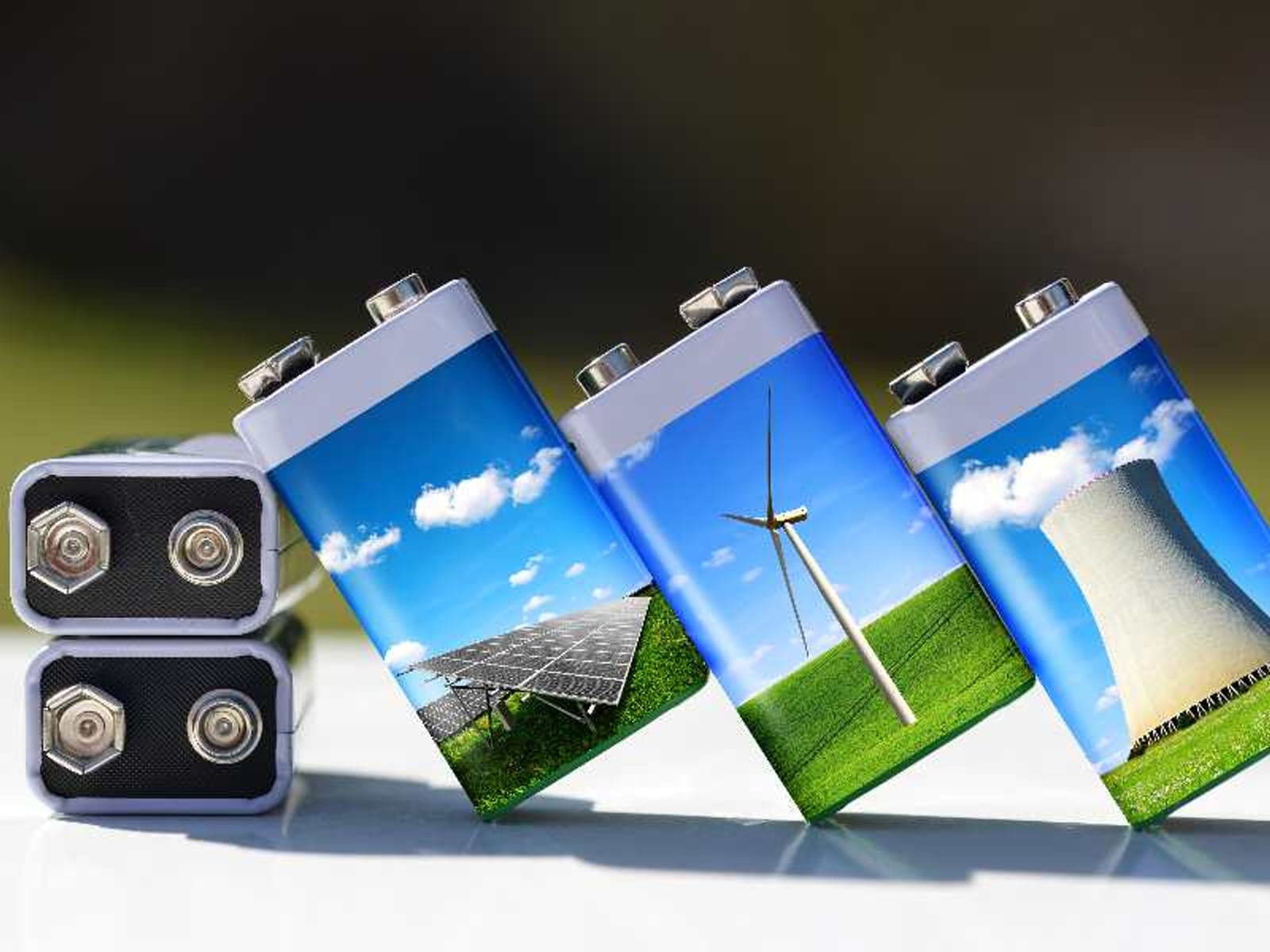
The Global Battery Alliance (GBA), has launched the first successful proof of concept for its Battery Passport at the World Economic Forum’s Annual Meeting in Davos.
The Battery Passport establishes a digital twin of a physical battery that conveys information about all applicable sustainability and lifecycle requirements based on a definition of a sustainable battery.
While batteries are a key component for the energy transition, they are material- and resource-intensive with social and environmental impacts across the value chain. This includes greenhouse gas emissions during material sourcing, processing and manufacturing of batteries and issues of child labour and human rights violations.
The passport is thus hoped to bring new levels of transparency to the global battery value chain by collecting, exchanging, collating and reporting trusted data among lifecycle stakeholders on the material provenance, the battery’s chemical make-up and manufacturing history and its sustainability performance.
Have you read:
Battery passport to be developed in Germany
Blockchain battery lifecycle management solution launched
A successful proof of concept
On the successful proof of concept, Inga Petersen, executive director of the Global Battery Alliance, said: “We are delighted to unveil our Battery Passport proof of concept, which is the result of many months of collaborative work with our members – ranging from automotive producers, mining corporations and technology companies, to NGOs, governmental bodies, and other international organisations.
“This proof of concept is an important step towards giving investors, end-consumers and other stakeholders greater confidence in the responsible and sustainable production of EV batteries and the commitment to recycling and circularity.”

Dr Robert Habeck, German minister for economic affairs and climate action added: “The Battery Passport is a pivotal embodiment of the digital and green 'twin transition' – it utilises the digital world to facilitate the decarbonisation of the real world and to promote circularity.
“We believe that global progress in green technologies is most efficient when we rely on globally compatible standards and a level playing field to minimise frictions between different markets in the industries we need to transform. Therefore, GBA’s work as an international actor is so important.”
Developed over three years by the GBA’s members, the Passport is publicly available.
Also of interest:
Giga-scale battery factory to launch in Norway
Shell Energy to connect 1GWh BESS to Australia’s grid
The prototype includes example data from Audi and Tesla and their value chain partners relating to the battery’s technical specifications, material provenance and reporting against key sustainability performance indicators.
This includes partial reporting of the battery’s carbon footprint and child labour and human rights performance, according to rulebooks developed by members of the GBA for select materials, as well as information on the data collection across different steps of the value chains.
By establishing this proof of concept, the GBA and its members hope to demonstrate how, by putting this data in the hands of end-users, the Passport will enable customers to make more informed purchasing decisions and drive sustainable practices in the industry.
Going ahead
Following the successful launch, the GBA will continue evolving the battery passport architecture, including the development of an indicator framework.
The members of the GBA will work jointly on developing rules and mechanisms for performance scoring, data governance, assurance and verification, including of IT instruments.
“Tesla piloted the Battery Passport and collected the relevant environmental and social data points on our cobalt supply chain,” stated Ferdinand Maubrey, head of responsible sourcing, battery supply chain and battery minerals, Tesla.
“While a lot more work needs to be done to cover all relevant areas across battery mineral supply chains, standard reporting across a level playing field certainly has a role to play in the transition towards sustainable energy.”
The concept of a Battery Passport has been endorsed at the 2021 G7 Leaders’ Meeting, in the EU Battery Regulation and by the Canadian and US administrations.
A Battery Passport will become a mandatory requirement in the EU by 2026 with other regions likely to follow.
Related tags
Latest content
+1
About EVE Energy: a global competitive lithium battery platform company
After 21 years of rapid development, EVE has become a global competitive lithium battery platform company, owning core technologies and comprehensive solutions for both consumer batteries and power batteries.
- Smart Energy International
- 29/03/2022