The benefits of magnetic motor systems for power generation
Guest/partner contributor
Posted on: 30 July 2025
The push for sustainable energy generation is driving innovation in powertrain technologies and the use of magnetic motor systems is showing positive results.

The global push for sustainable energy generation and consumption is driving innovation in powertrain technologies. In particular, the use of magnetic motor systems is showing positive results and transformative benefits for the power generation industry.
By Gary Rodgers, CEO of Magnomatics
Efficient motor systems offer financial and sustainability benefits across different sectors by reducing power consumption and minimising CO2 emissions. Compared to conventional geared systems, magnetic gear technology offers far superior energy efficiency.
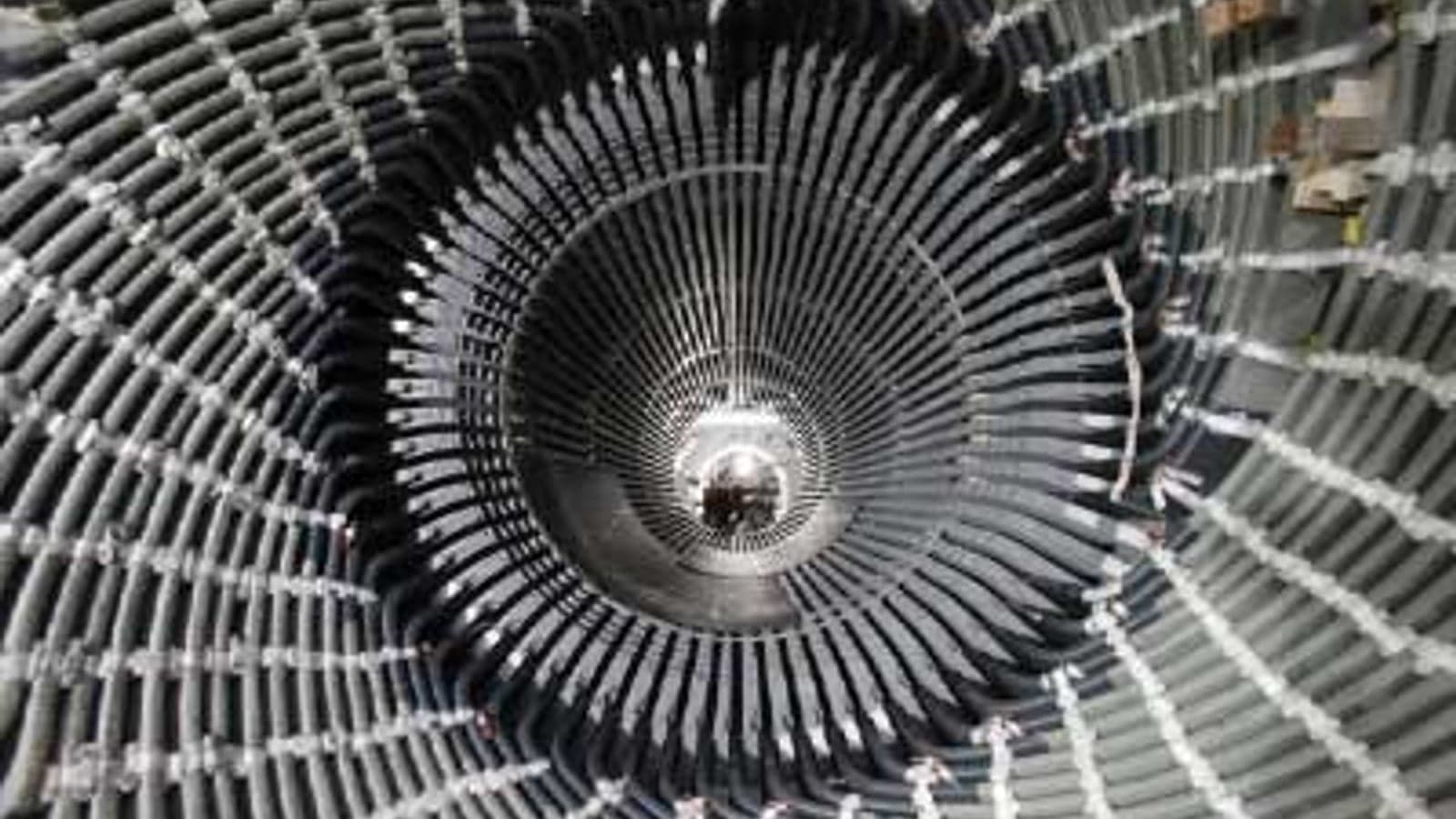
In contrast to traditional systems, magnetic motors do not have mechanical gears. Instead, they are engineered using a concentric combination of a magnetic gear and a permanent magnetic motor. A magnetic gear is mounted inside a stator; the gear’s outer magnetics are attached to the stator’s inner bore and the stator’s copper windings drive the magnetic gear’s inner rotor.
This design not only eradicates the issues associated with mechanical gears but also provides several other key benefits.
Have you read?
Using AI to solve the power challenges caused by…AI
Protecting power generation facilities from the impacts of lightening
Benefits of magnetic gears
Magnetic motor systems are especially suited to applications where high torque and low speed are required. Their topology maximises the torque capability of the propulsion system, overcoming the limitations of standard direct-drive electrical machines. As a result, the magnetic gear element provides the same uplift in output torque as a single-stage mechanical gear.
Furthermore, with the central gear element being fully integrated, the dual use of the inner rotor, coupled with the modest mass additions of the pole-piece rotor array and outer magnets, leads to a design that is very compact, lightweight and less prone to failure than a mechanical gear equivalent.
In terms of manufacturing, these systems are less expensive to produce while inherently more sustainable as they consist of fewer materials. Moreover, their compatibility with standard power electronics makes installation seamless and non-intrusive.
Magnetic gear systems also provide enhanced reliability and safety while requiring low maintenance – their design prevents the outer magnetic array from demagnetising and the lack of mechanical gears means there is no physical wear, which cuts repair costs, prevents bottlenecks and reduces the risk of operational breakdowns.
The fault-tolerant motor acts as a passively resettable torque fuse and should jamming occur, it does not require shear pins or a clutch. Winding technology can also result in improved thermal management. By combining precision wire placement of round conductors and modular stator build methods, the resultant higher packing factor increases winding thermal conductivity and minimises eddy current losses, reducing the heat rejection requirements.
Additionally, the system can maintain full load torque following a phase-bank failure, while the electrical, thermal, magnetic and mechanical isolation of phases and banks provides full duplex redundancy, prevents fires and limits the impact of electrical shocks.
Magnetic motor systems in power generation
Magnetically geared systems are emerging as a resilient, low-maintenance, and sustainable solution in the transition to cleaner energy.
Their inherent advantages, such as high torque density, contactless operation, and minimal maintenance, are directly aligned with the ever-evolving demands of modern power generation, especially from renewable sources.
In wind energy, magnetic gears enhance the drivetrain efficiency by replacing traditional gearbox assemblies, which are often prone to failure and require heavy maintenance. By integrating magnetic gears into direct-drive or hybrid wind turbines, energy producers can reduce downtime, extend operational lifespans, and improve power density. The lack of lubrication requirements also makes them more environmentally friendly.
In tidal and ocean energy, the compact, corrosion-resistant design of magnetically geared systems is ideal for underwater environments. Their ability to deliver torque at low speeds makes them particularly suitable for low-flow tidal conditions, where traditional gearboxes struggle to operate efficiently.
Their compactness increases the hydrodynamic efficiency of tidal generators, minimising flow restriction while delivering low-cost, high-power output.
Waste-to-energy and distributed generation systems also benefit from magnetic motors’ precise torque control and fault tolerance. These capabilities enable stable operation in variable load conditions and improve grid compatibility when paired with advanced power electronics.
The low speed, high-torque technology of magnetic gear systems, together with their low-mass, compact design, superior reliability and partial load efficiency, makes them an economic and environmentally sound choice for use across a range of applications in multiple key sectors.
Magnetic geared thrusters provide the efficiency, reliability and sustainability needed for electric marine propulsion systems, offering scalable power outputs from kilowatts to multi-megawatts. Suitable for a wide range of vessels, including subsea, they deliver direct power transmission without convoluted gear systems, providing reliable and efficient propulsion that is more environmentally friendly and requires less maintenance. These same principles apply to marine-based power generation, such as tidal turbines, which benefit from similar mechanical simplicity and durability.
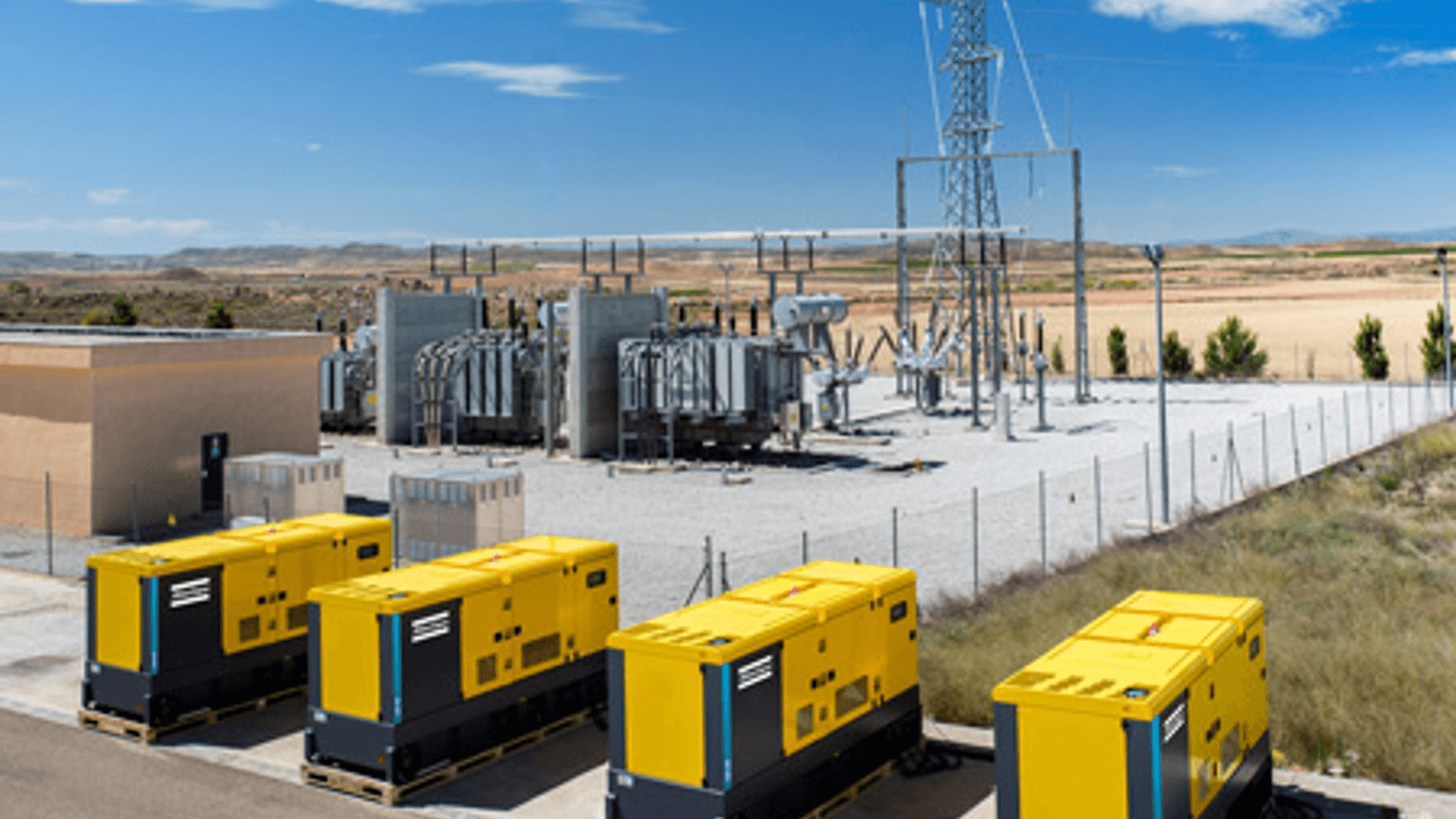
The same vibration tolerance and robust operation seen in transport applications support resilient deployment in distributed or mobile power generation stations, particularly in remote or off-grid environments.
Additionally, the technology is well suited to industrial plant applications, where continuous operation, high reliability and low maintenance are critical.
Their contactless torque transmission and inherent fault tolerance make them ideal for harsh environments, while the ability to operate at high torque with minimal mechanical losses improves overall plant efficiency.
A scalable and sustainable solution
Magnetic gears have a vital role to play in advancing innovation across sectors, particularly in power generation where efficiency, fault tolerance, and compactness are critical.
For manufacturers seeking a scalable and future-proof solution adaptable to diverse operational demands, magnetically geared motors deliver unmatched versatility, safety, and reliability.
Additionally, their energy efficiency not only contributes to lower operational costs but also helps businesses meet increasingly stringent environmental regulations.
ABOUT THE AUTHOR
Gary Rodgers joined Magnomatics as CEO in December 2024. He has over 25 years’ experience in sales and general business management, specifically in the manufacturing and engineering sectors, with particular in-depth industry knowledge of the energy and marine markets.