Two thirds of Britain’s renewables applications fail at planning stage
Jonathan Spencer Jones
Posted on: 25 June 2024
Between 2018 and 2023| the majority of applications to build renewable projects in Britain were unsuccessful in progressing through planning| Cornwall Insight has found.
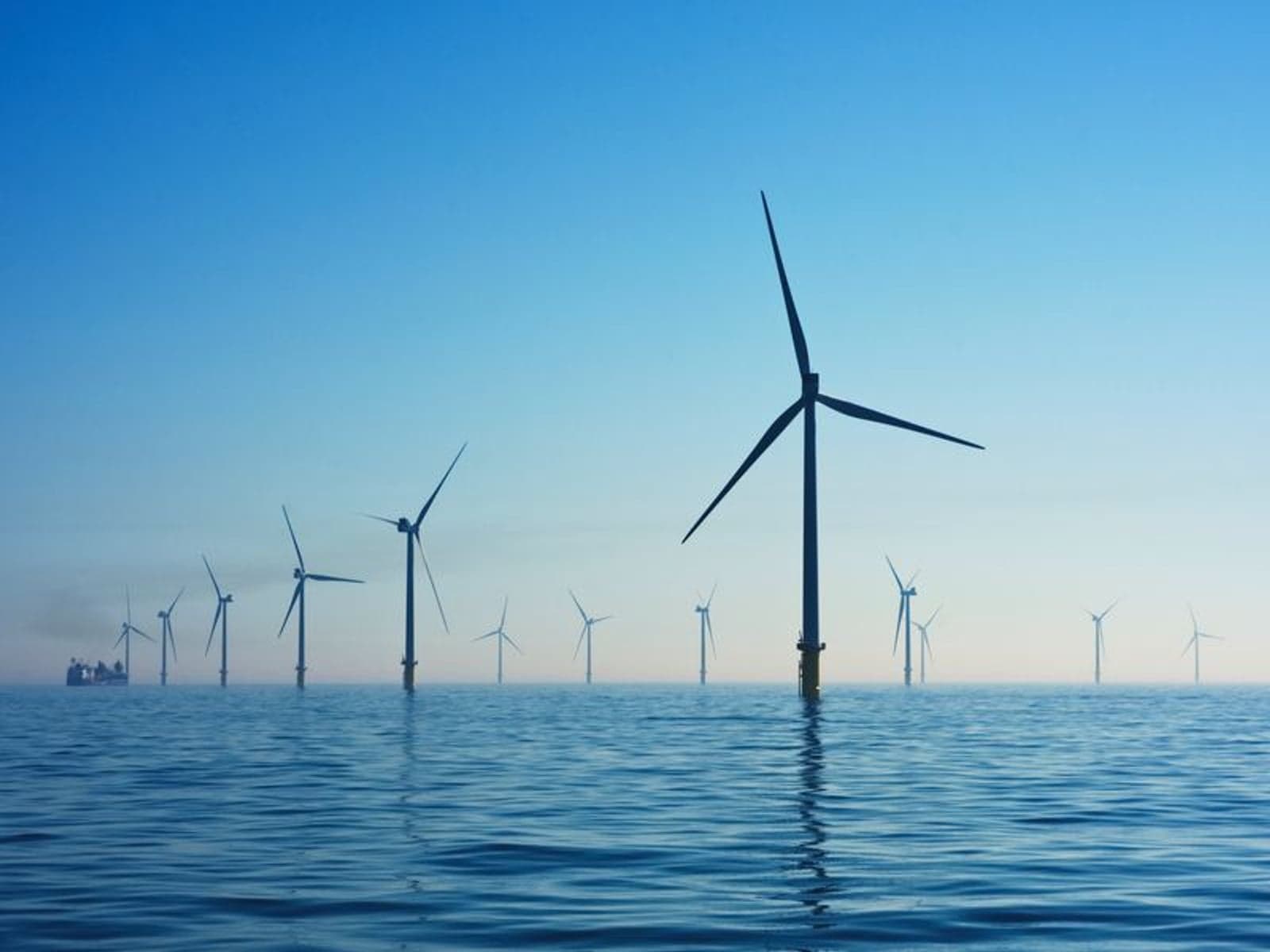
Between 2018 and 2023, the majority of applications to build renewable projects in Britain were unsuccessful in progressing through planning, Cornwall Insight has found.
Based on the company’s renewables pipeline tracker, 63% of the projects were either abandoned, refused, withdrawn or ultimately expired.
Only 20% of projects remain in development statuses that could see projects coming to fruition, meaning they are now at the planning submitted, awaiting construction or under construction stages.
This growing trend of ‘non-progressing projects’ has come as the overall number of renewables applications has seen a rapid increase.
Have you read?
EU increases 2030 solar goals by 87% but grid planning trails
Energy Transitions Podcast: Why Portugal is a European renewables success story
Moreover, it is the case across the country, with no region of Great Britain currently exceeding the 20% success rate of projects proceeding through planning.
“The UK has set ambitious targets to boost renewable energy capacity. These figures reveal a substantial shortfall in meeting these targets, something which is largely driven by the slow pace of progress in deploying renewable energy projects,” commented Lucy Dolton, Assets and Infrastructure Manager at Cornwall Insight, on the findings.
“The total capacity of projects in the grid connection queue is currently well in excess of what is necessary for net zero generation capacity. However, the amount of this capacity that will ultimately connect could be much lower than the pipeline of projects suggests.”
The rapid increase is attributed in part at least to an increasing number of speculative or ‘phantom projects’.
In such cases, multiple applications for many sites are submitted by developers, with the expectation that very few will connect.
In an October 2023 report, for example, Centrica estimated that such projects comprised around 62GW, roughly one-fifth of all power in the queue.
In turn, these applications have led to the connections queue growing and increasing the work needed to progress projects.
Dolton adds that it is positive to see the work being undertaken across industry regarding reforming the connections process and addressing grid congestion for both new and existing connection queue projects.
“The scale of the challenge is significant, but timely and measured changes will be key for maintaining momentum in the deployment of renewables across the UK.”