Type One Energy’s stellarator fusion gets $29 million boost
Jonathan Spencer Jones
Posted on: 28 March 2023
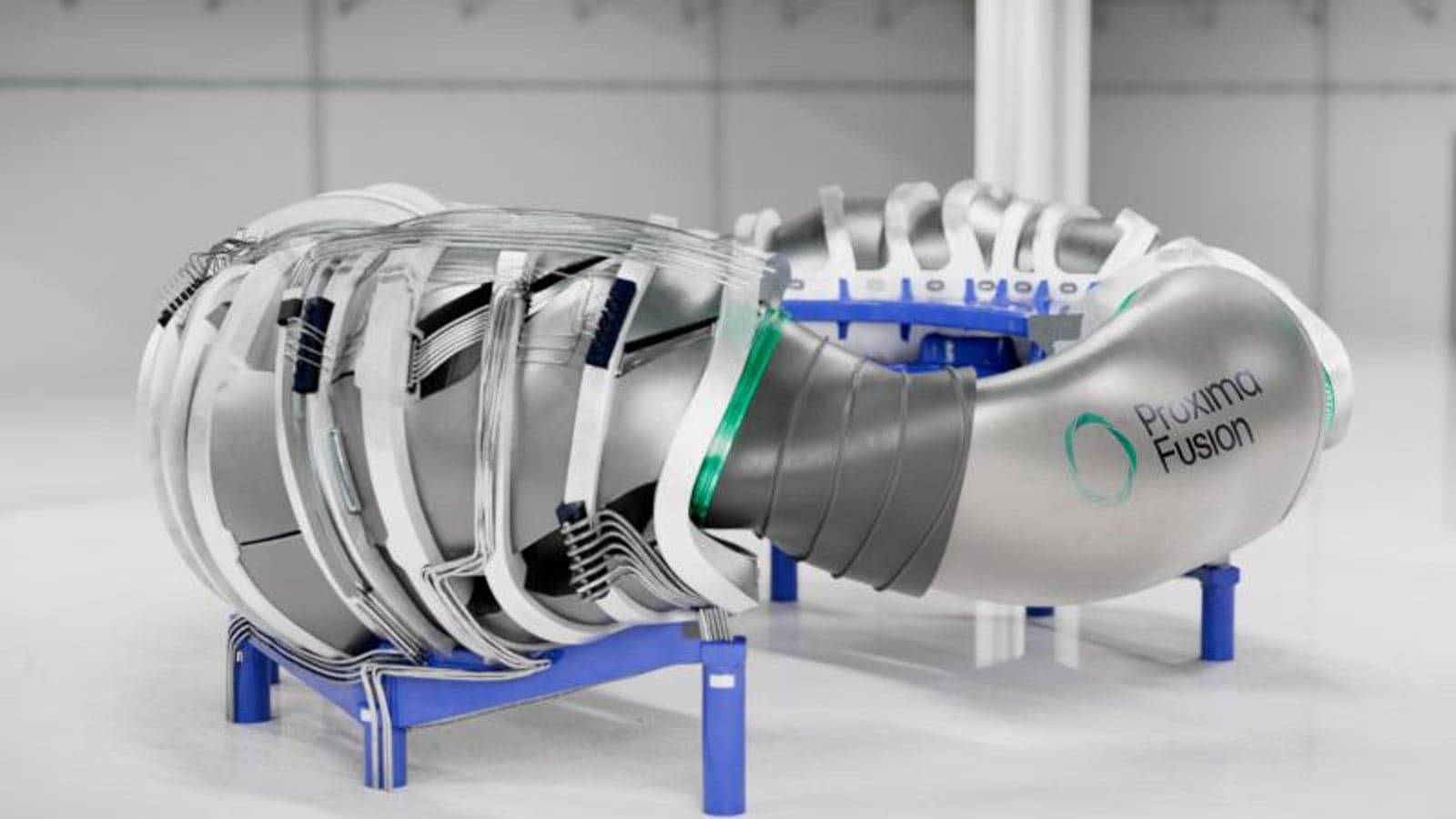
Type One Energy has raised $29 million with which it is launching the FusionDirect programme to commercialise its stellarator fusion technology.
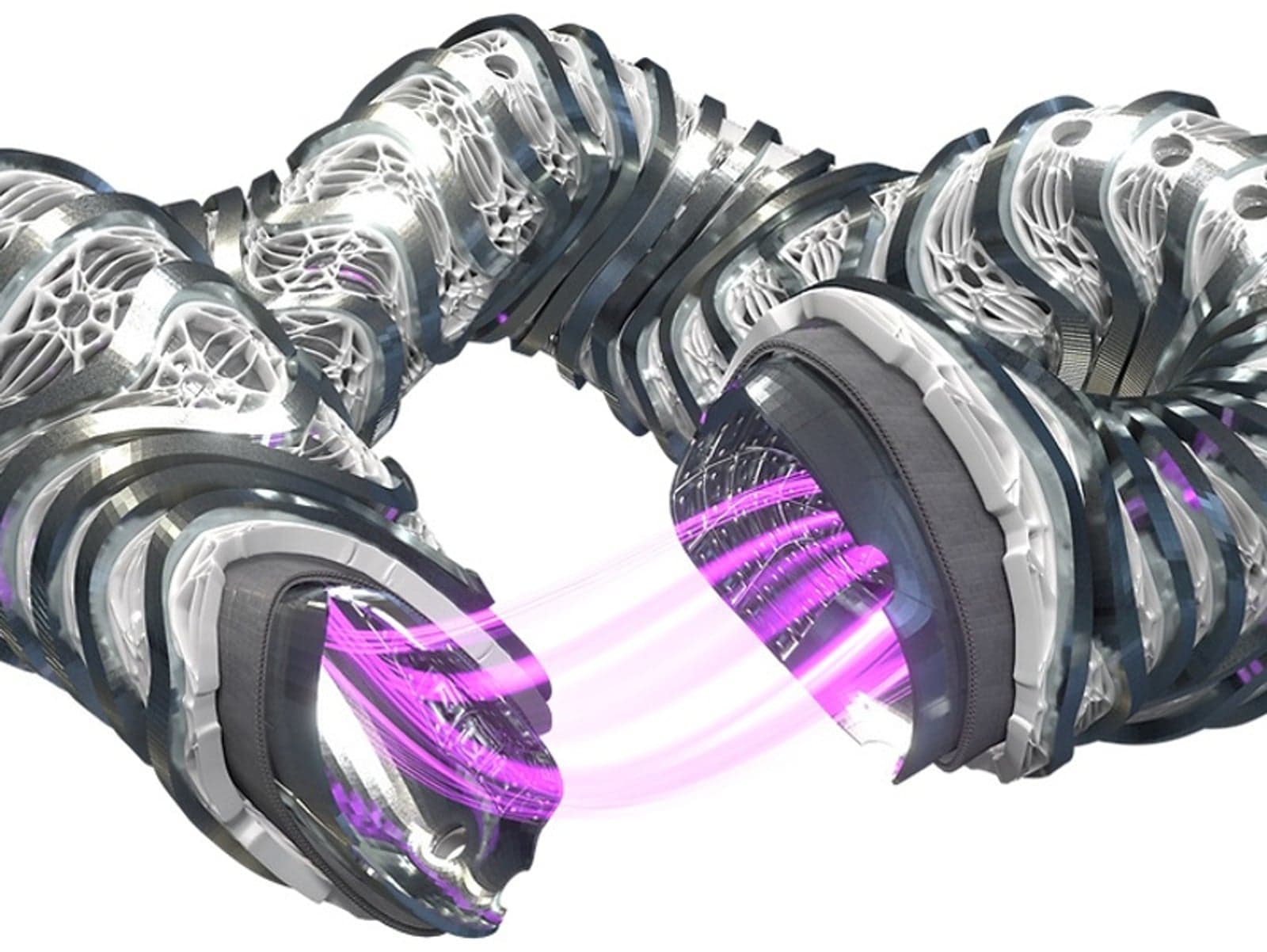
Type One Energy has raised $29 million with which it is launching the FusionDirect programme to commercialise its stellarator fusion technology.
The FusionDirect programme is planned to draw on the latest breakthroughs in stellarator fusion performance and plasma science together with technical innovations in high-temperature superconducting (HTS) magnet technology as well as advanced manufacturing.
This is to be executed through a set of global partnerships with leading fusion science and technology research institutions, universities and industrial companies, building on the existing expertise from institutions including the University of Wisconsin-Madison and Massachusetts Institute of Technology (MIT) in the US and the Max Planck Institute for Plasma Physics in Germany.
“Type One Energy represents a special opportunity,” says the company’s new CEO, Christofer Mowry, a former senior advisor on fusion to Breakthrough Energy Ventures, one of the co-leaders of the funding round, and previously CEO at General Fusion, which is developing a magnetised target fusion technology.
Have you read?
Twisty stellarators – new promise for fusion energy
UK’s promising future in fusion energy
“This team’s knowledge and credibility gives the unique ability to effectively integrate recent global advances in stellarator-relevant technology and to deliver a fusion power plant without another costly, large-scale, science validation machine.”
Stellarators are emerging as a promising option for nuclear fusion. Their main difference from tokamaks, to which they are related, is in how the hot plasma is confined with the reduced complexity without the need for the circulating electric currents to create the magnetic fields.
Nevertheless, the magnetic field requirements of stellarators are still complex enough to have been one of the major challenges of the technology.
Starblazer stellarator
Type One Energy's FusionDirect programme is focused on the three capabilities that it believes should be transformational for stellarator development – design optimisation for best performance, the new HTS magnets and advanced manufacturing.
Advancements in analytical theory, supercomputing and sophisticated modelling codes are being used to determine magnetic field configurations that can provide optimal confinement of the plasma for the largest and most efficient power generation.
The new HTS magnets, which can carry over 200 times the current carrying capacity of copper wires, are opening the way for a more compact stellarator with lesser cooling requirements than conventional low temperature magnets.
Digital design optimisation with hybrid additive manufacturing, advanced materials and robotic automation should enable the rapid, large scale build of highly optimised, accurate and defect-free complex-shaped stellarator components.
These are being incorporated in Type One Energy’s next generation Starblazer stellarator, which is currently in design and effectively a successor to UW-Madison’s HSX and Max Planck’s W7-X machines.
Features will include a quasi-helical symmetric magnetic field configuration optimising the confinement with reduced losses from turbulence and operation with a continuous runtime and with no heating needed.
To reduce the build time and cost, advanced manufacturing capabilities will be applied to components such as the magnet assemblies, magnet support shell, heat exchanger and vacuum vessel.
Also of interest
New 3D-printed superalloy could make power plants more efficient
3D-printed reefs support marine biodiversity in Denmark’s Kattegat
In parallel Type One Energy also reports completing in collaboration with the MIT Plasma Fusion Science Center and UW-Madison the first HTS stellarator magnet with metal 3D printed assembly and is qualifying materials for fusion applications.
Along with Breakthrough Energy Ventures, other co-leaders of the funding round were TDK Ventures and Doral Energy Tech Ventures with additional cleantech investment from Darco, the Grantham Foundation, MILFAM, Orbia Ventures, Shorewind Capital, TRIREC, VAHOCA and others.