UK's first carbon storage licensing round launched
Yusuf Latief
Posted on: 17 June 2022
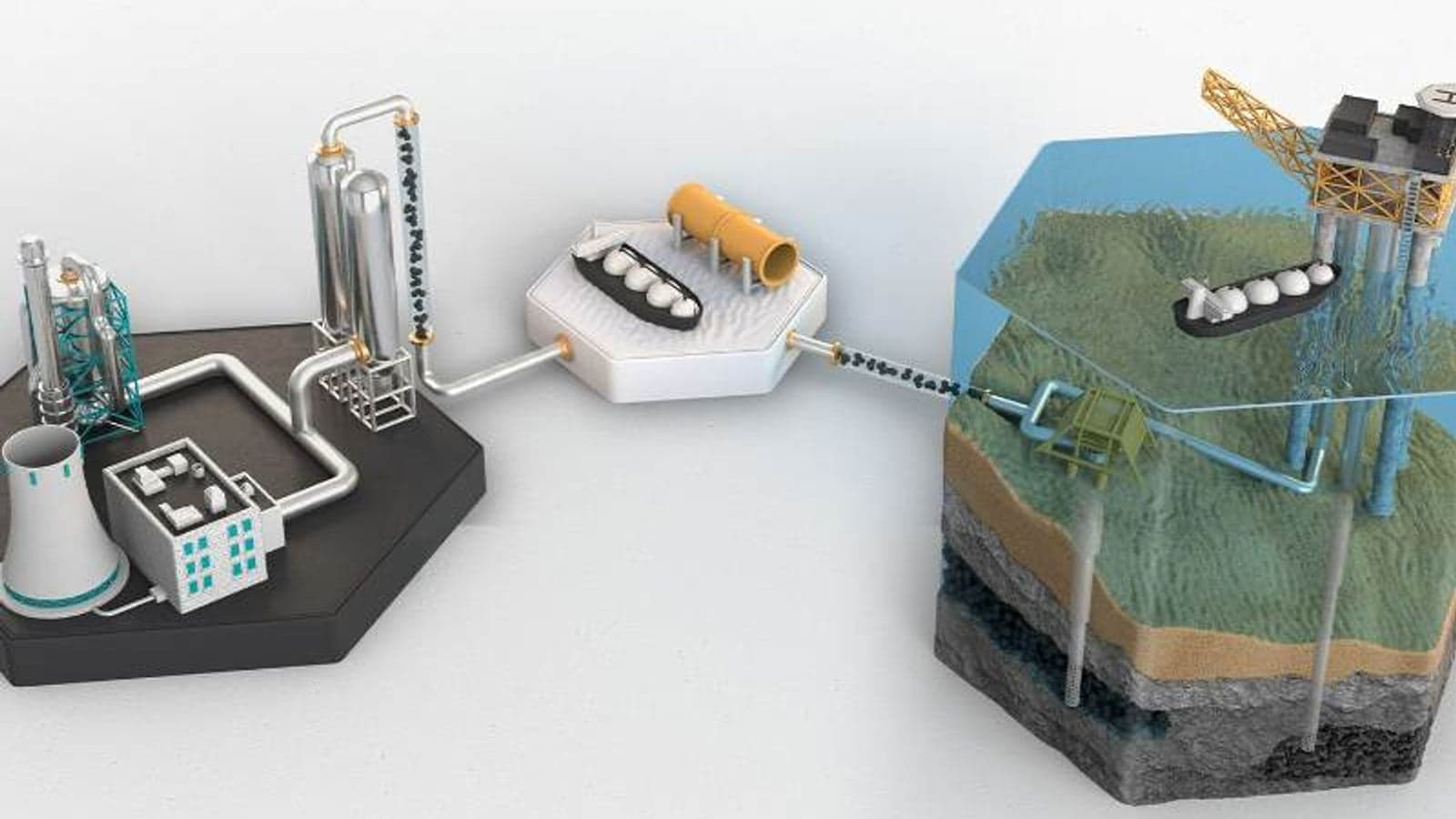
The North Sea Transition Authority (NSTA) has launched the UK’s first-ever carbon storage licensing round.
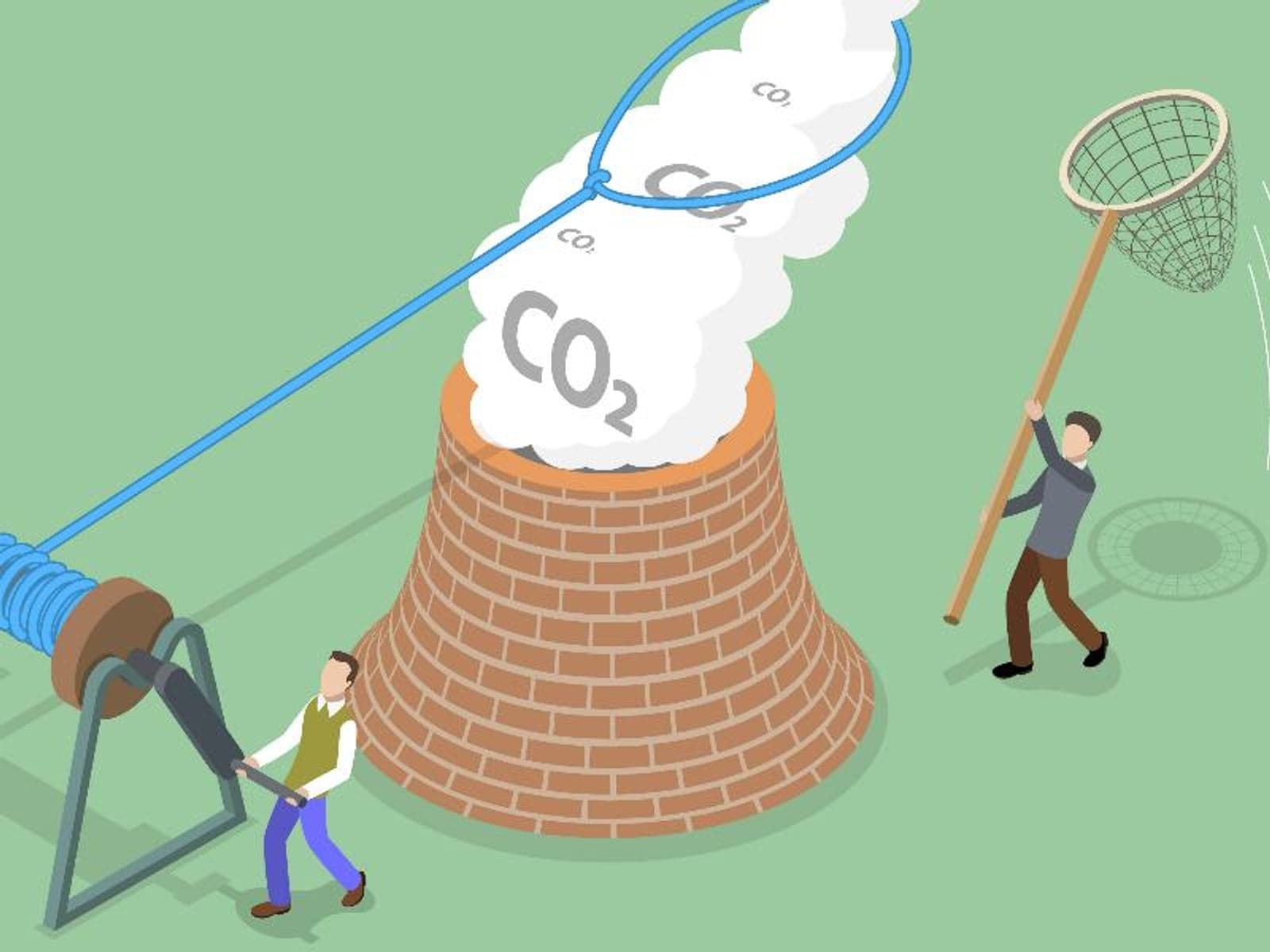
The North Sea Transition Authority (NSTA) has launched the UK’s first-ever carbon storage licensing round.
The NSTA, which is responsible for maximising the economic recovery of oil from the North Sea, hopes that the new carbon storage areas will make a significant contribution toward the aim of storing 20 to 30 million tonnes of carbon dioxide (CO2) by 2030.
The areas offered for licensing are off the coast of Aberdeen, Teesside, Liverpool and Lincolnshire in the Southern North Sea, Central North Sea, Northern North Sea and East Irish Sea and are made up of a mixture of saline aquifers and depleted oil and gas field storage opportunities.
According to the NSTA, the licensing round was launched in response to increasing interest from companies, eager to enter the market.
The areas on offer have a combination of attributes such as the right geological conditions, proximity to existing infrastructure which may be able to be re-purposed, and links to industrial clusters which are looking to carbon storage to help meet their decarbonisation goals.
Area selection
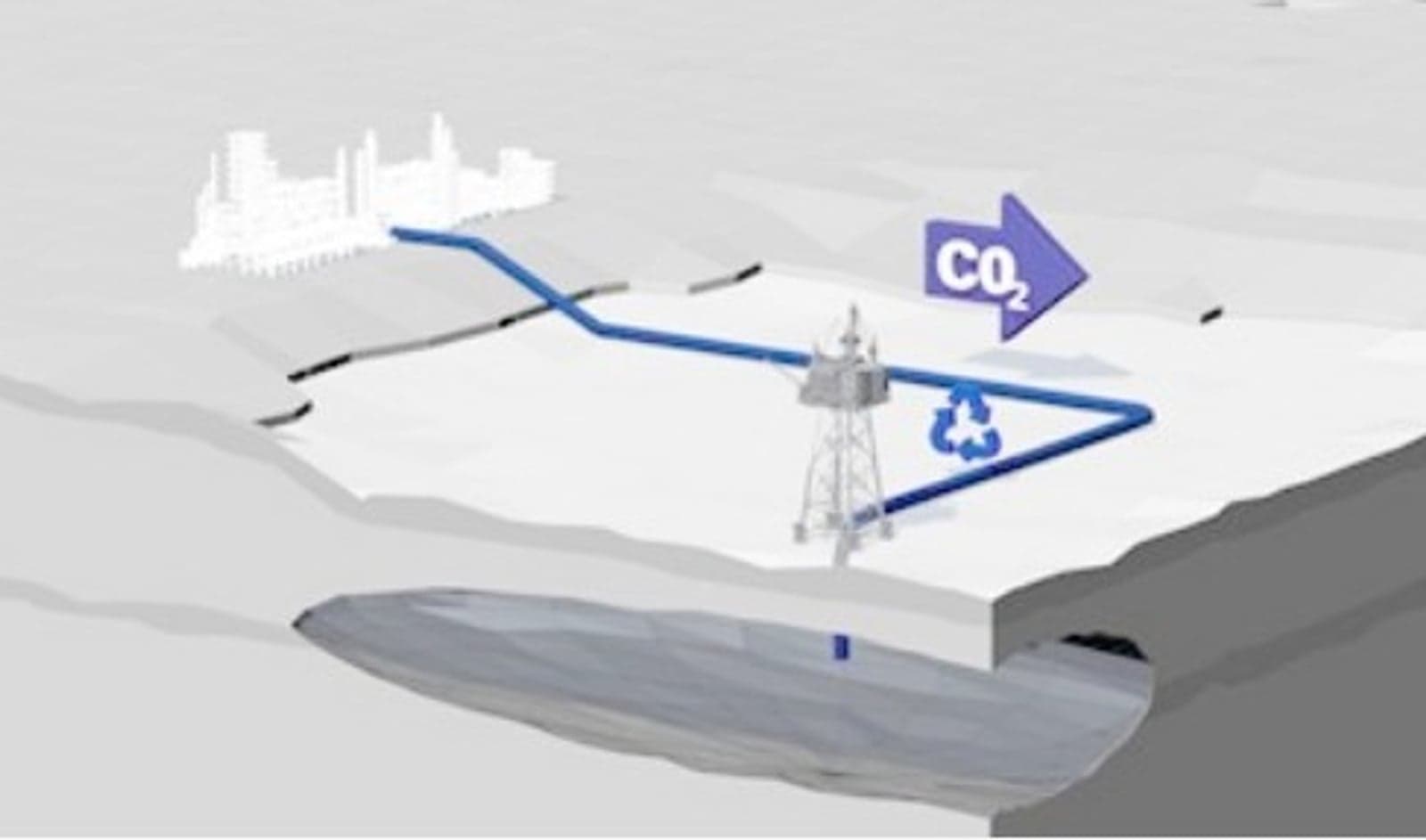
In choosing suitable areas to make available for licensing, the NSTA considered mitigating issues, including co-location with offshore wind, environmental issues, potential overlaps with existing or future petroleum licences and other activities to ensure key technologies can all be taken forward.
There are currently six carbon storage licences on the UK Continental Shelf which could meet up to one-fifth of storage needs, if they reach their maximum potential of up to 40 million tonnes per annum (MTPA) injection rates by the mid-2030s.
While the capacity estimates of the areas offered in this round carry some uncertainty at this stage, they offer the potential to make a very significant contribution to decarbonisation of the UK.
Have you read:
Decarbonising heat: The hot topic we can’t ignore
Eurogas director on decarbonising industry, hydrogen and ‘the essence of sector integration’
DOE injects $39m R&D funding into ‘buildings as carbon storage’ projects
Applications
The application window is open for 90 days, closing on 13 September 2022, and will be evaluated by the NSTA on technical and financial criteria.
It is expected that any new licences will be awarded in early 2023.
The NSTA states that the size and scale of the licensed stores mean that they are likely to proceed at different paces, but first injection of CO2 could come as early as four to six years after the licence award.
The round comes in a year and a half after the release of the British Government’s Ten-Point Plan, published in November 2020, which supported the establishment of carbon capture, usage and storage in four clusters.
These included in areas such as the North East, the Humber, North West, Scotland and Wales, encouraging private sector investment.
The NSTA, The Crown Estate and Crown Estate Scotland also recently published a joint statement explaining how they intend to work together.
The NSTA has, separately, agreed a memorandum of understanding with Ofgem, which will act as the economic regulator for the transportation and storage of CO2.
In addition to being awarded a licence from the NSTA, successful applicants will also need to obtain a lease from The Crown Estate or Crown Estate Scotland, depending on location, before they can progress a project.