Unergy announces first agrivoltaic projects in Colombia
Power Engineering International
Posted on: 22 March 2024
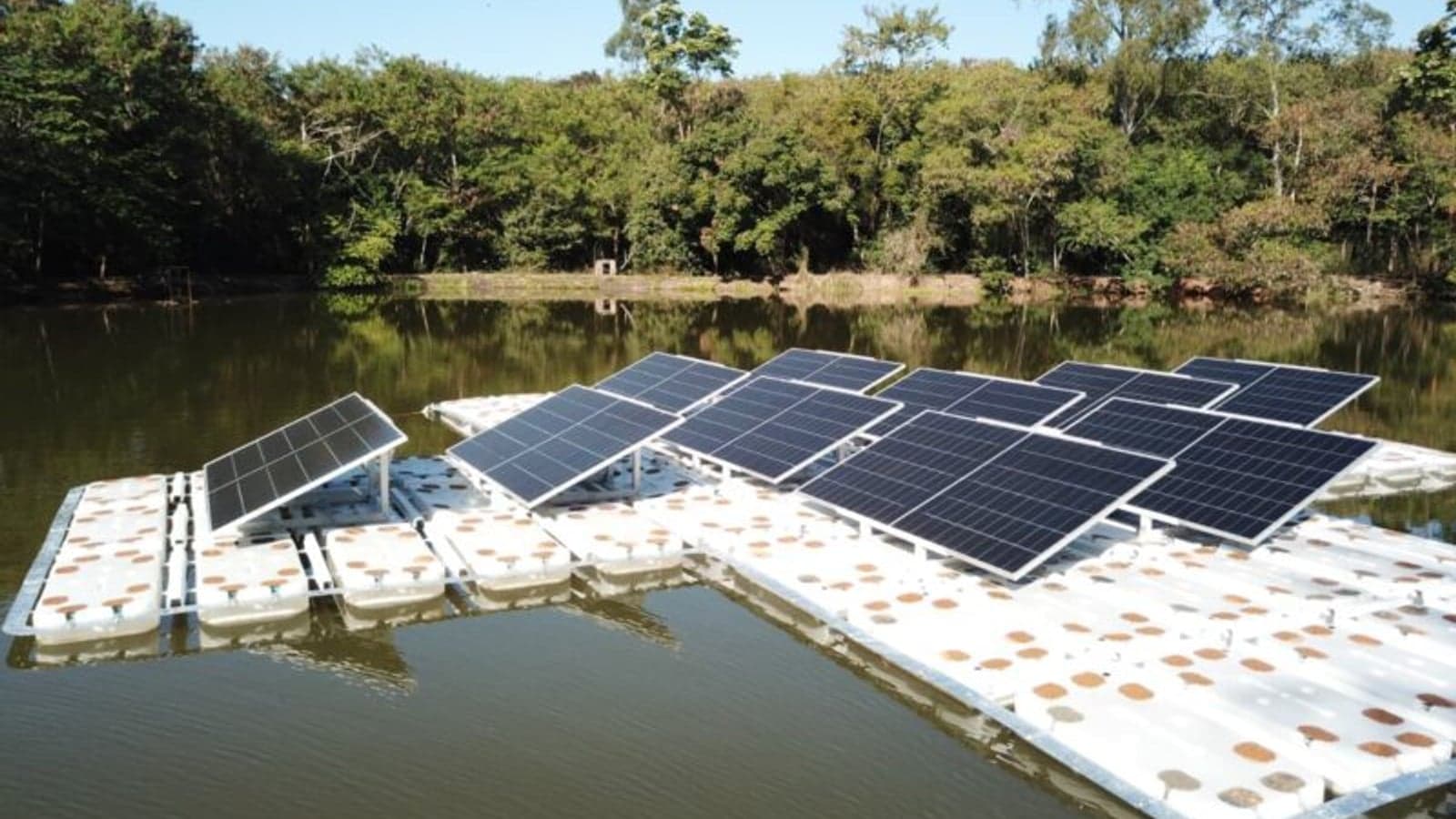
Unergy has announced the implementation of its first agrivoltaic projects in Colombia reported to be among the only ones in Latin America.
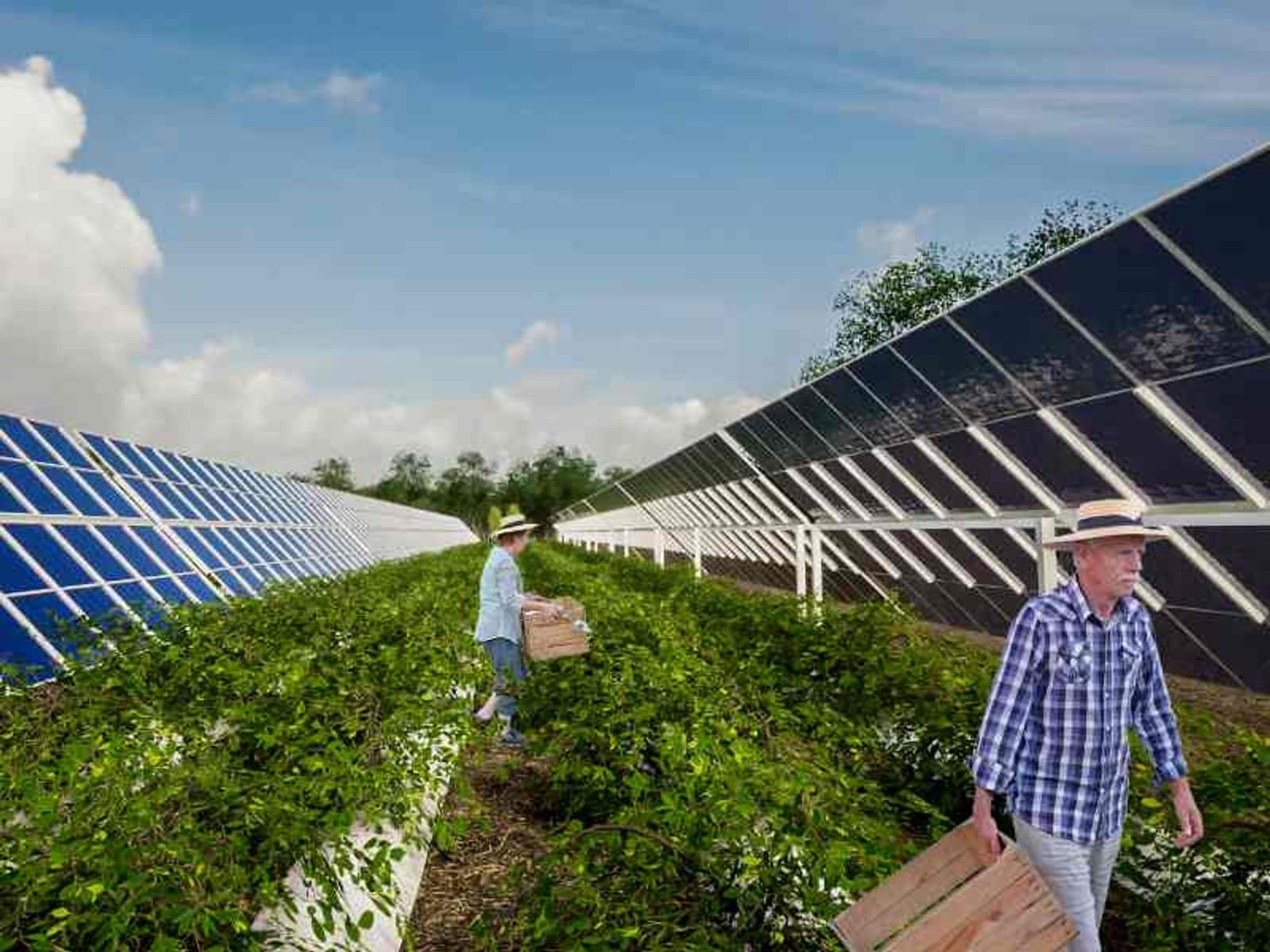
Unergy, a Latin American cleantech and fintech startup has implemented its first agrivoltaic projects in Colombia.
Unergy promotes co-ownership in renewable energy projects as a way to promote democratisation. The firm installs mini-solar farms in countries with high photovoltaic potential of over 1,800 kWh/kWp, particularly in Latin America, where governments lack the liquidity to finance the energy transition.
The company targets areas with large proportions of unexploited land, on standard 2-hectare surfaces with a slope of less than 10 degrees and with purchase or lease prices dictated by agricultural potential.
Unergy's mini-farms are small-scale projects that enable rapid set-up and start-up in just 10 months.
Have you read?
Large-scale agrivoltaic project goes live in Italy
Putting solar power at the core of Europe’s energy system
Each Unergy mini-farm requires an initial investment of around $1 million and through the sale of energy, generates between $150 000 and $180 000 in net profits per year.
The startup has raised over $20 million from individual investors and has announced due diligence procedures for over $100 million of private and institutional capital.
Also, the startup recently launched the uWatt token allowing investors to co-own solar energy projects and benefit from increased returns.
According to the Geographical Institute Agustín Codazzi, Colombia has around 22 million hectares of land suitable for agriculture, of which only 5.3 million are currently exploited.
With agrivoltaic projects, in addition to generating electricity, photovoltaic panels benefit agricultural activities that require moderate sun exposure, such as highly productive cucurbit cultivation, and raising small livestock. They also reduce the amount of water needed for irrigation, further improving environmental aspects, and reducing the cost of agricultural resources.