Unlocking the potential of Africa's single electricity market
Pamela Largue
Posted on: 18 May 2023
-
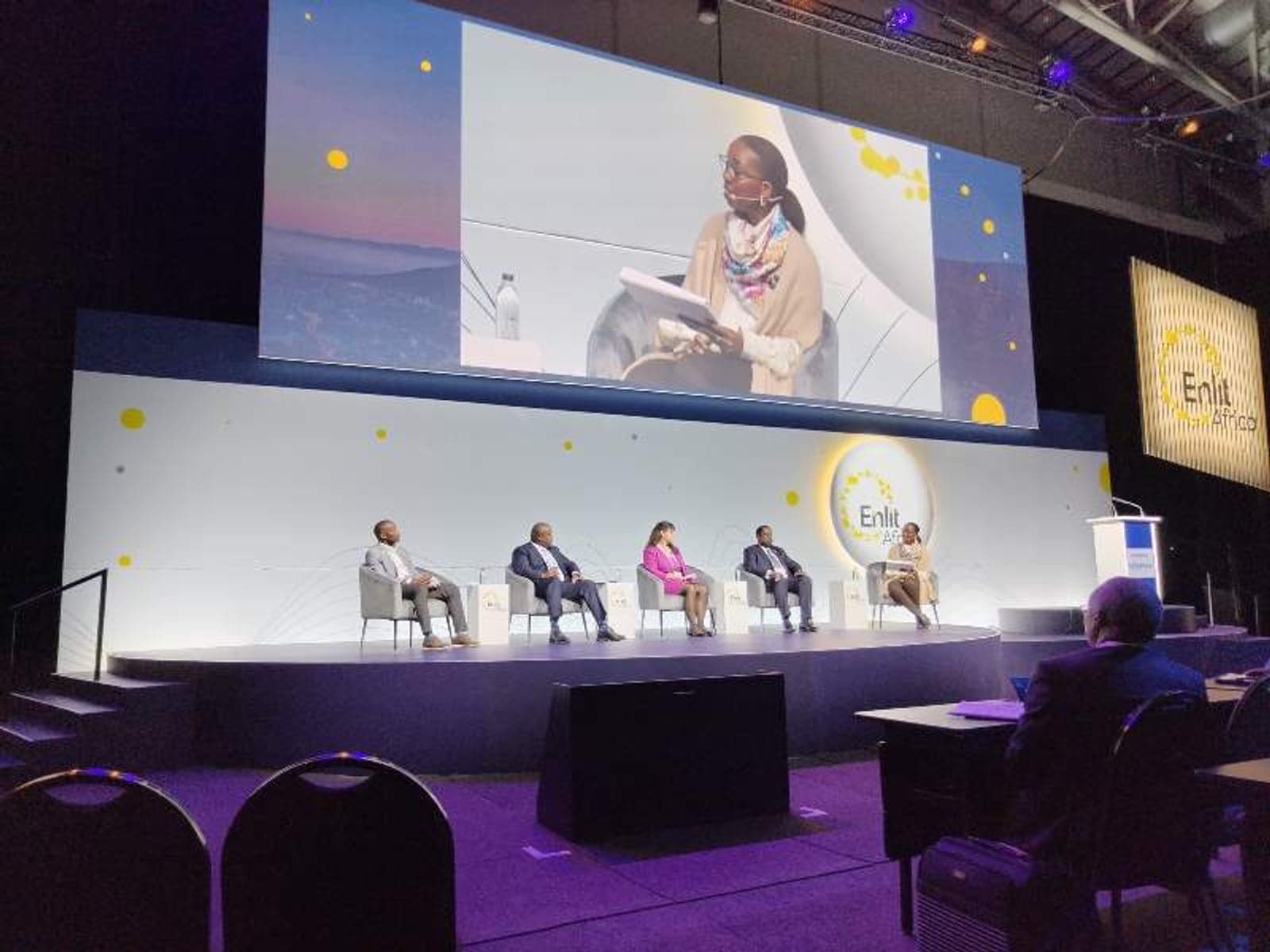
One of the questions asked at this year's Enlit Africa conference in Cape Town was how to unlock Africa's participation in the global energy economy and how to ensure the continent's 55 countries can participate in a just, inclusive and green energy transition.
The answer, according to Alex Wachira, Principal Secretary, Ministry of Energy and Kenya Power, lies in Africa's single electricity market and the effective connection of the continent's power pools.
The African Union launched the African Single Electricity Market in June 2021. It's considered to be the world’s largest continent-wide energy trading programme designed to interconnect all 55 African Union Member States through an efficient, and affordable electricity market.
Have you read?
Energy transition, access and security key topics at Enlit Africa
Green hydrogen projects blazing a trail in South Africa
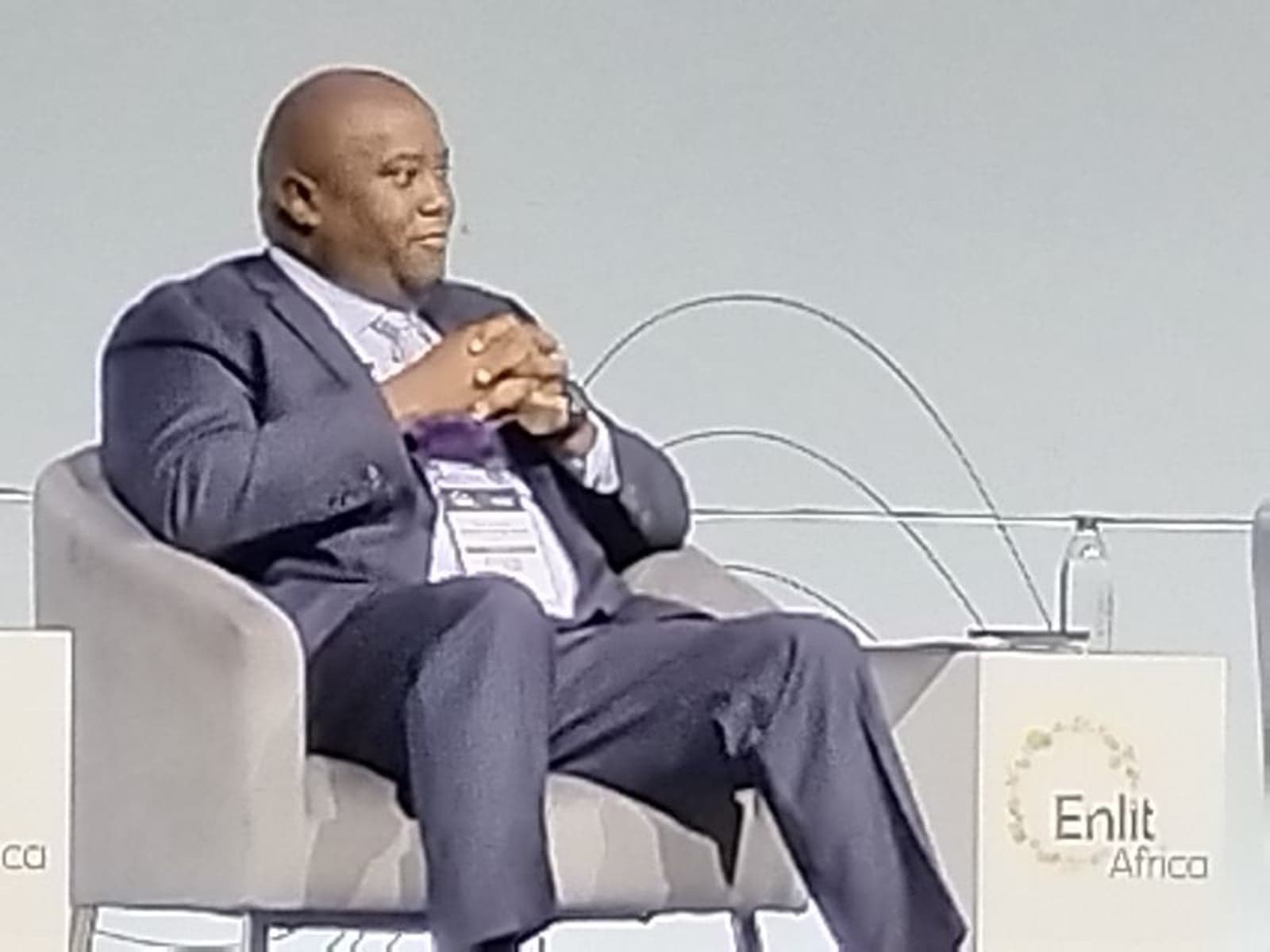
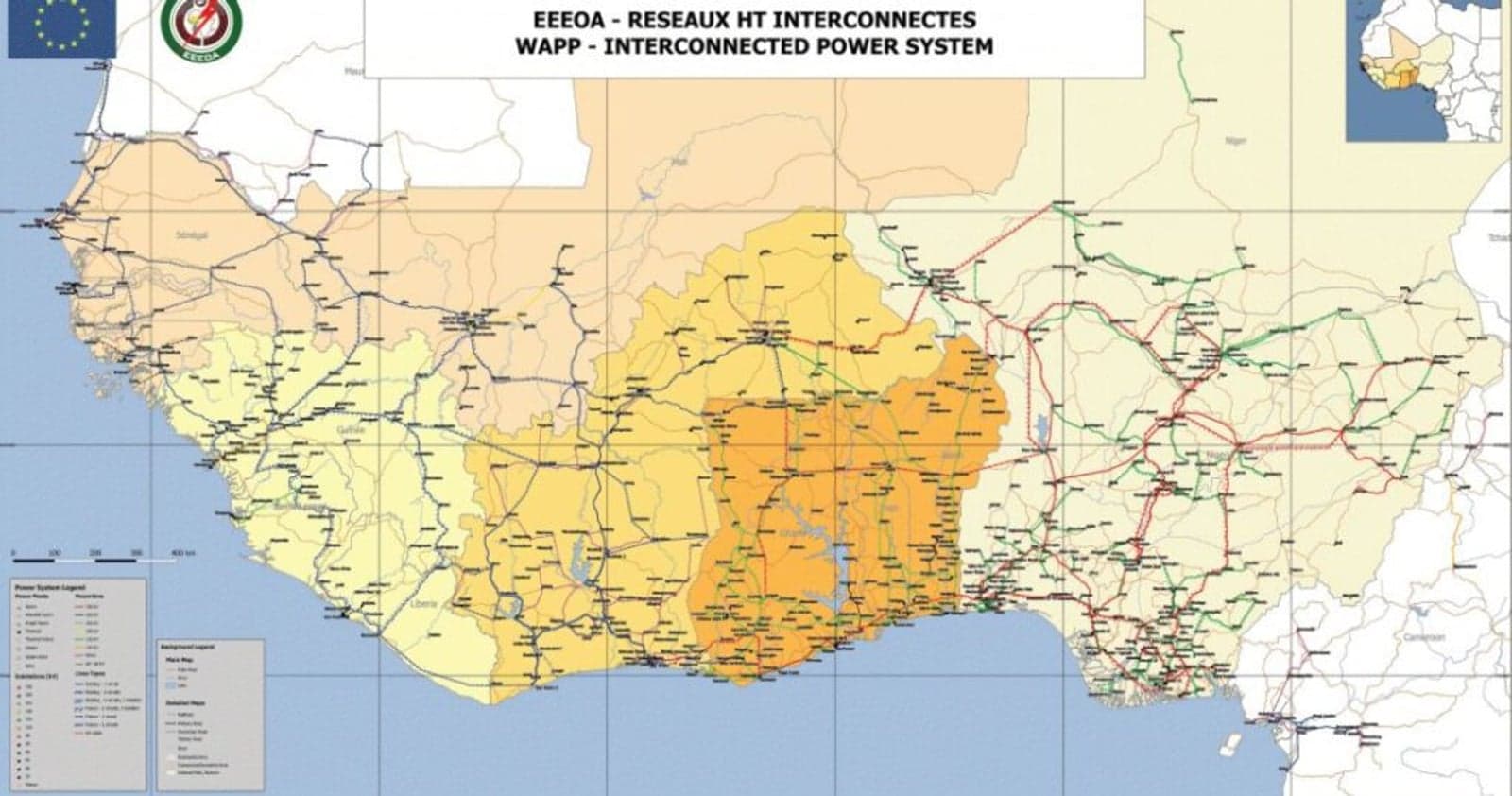
The electricity market design aimed to leverage the Northern, Southern, Central, Eastern and Western power pools, established to encourage greater cross-border trade in electric power and provide a cost-effective way of connecting excess capacity in one country or region with higher demand in another.
In order to ensure the market functions as it was designed to, however, there is a need for improved electricity generation capacity and transmission infrastructure within African countries, explained Wachira.
Regional interconnectors also must be developed to connect power pools, a strategy that will be nationally programmed and regionally integrated, he said.
"The biggest challenge now is building the regional interconnectors to connect the power pools, and building the grid to support the interconnection, especially the eastern and southern parts of the West African power pool."
"The other bigger challenge is politics [as] some countries are not geopolitically correct with each other."
Wachira suggests that this can be easily overcome if global and African leaders apply pressure on countries proving to be a stumbling block to progress.
Examples of transmission projects underway on the continent include the Ethiopia-Kenya Interconnector consisting of 1,068 km of transmission line with a transfer capacity of 2000MW, as well as the 400/330kV ZIZABONA interconnector line, connecting Zimbabwe, Zambia, Botswana and Namibia. This project will enable the wheeling of power north-south or vice versa via the Caprivi Link.