What’s next for energy communities in 2024?
Enlit Editorial Team
Posted on: 6 March 2024
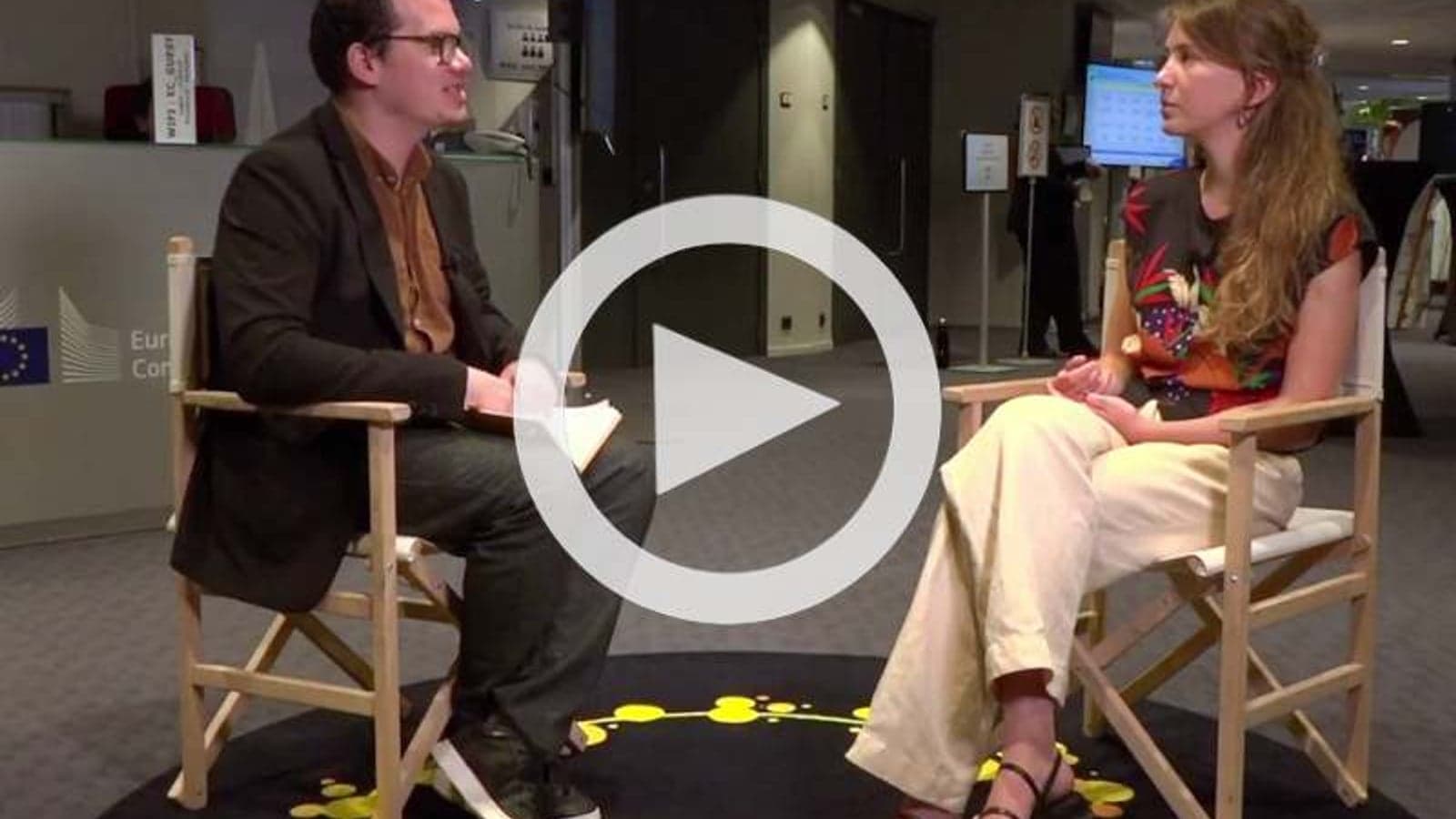
Marine Cornelis discusses gaps in the uptake of energy communities and what will be needed going into 2024.
While energy communities are becoming more than just a buzzword in the global transition towards sustainable energy, representing a fundamental shift in how we produce, consume and govern energy, gaps in their application remain.
This is specifically the case regarding representation and governance structure, said Marine Cornelis, Executive Director of policy and public affairs consultancy Next Energy Consumer, in an exclusive interview.
“A huge part of the population, the most vulnerable population - women and people coming from different ethnic groups - are not really represented in energy communities, whereas (they) would help fill the potential,” says Cornelis, who adds how the majority of energy community members are still dominantly men and members of the more educated public.
This lack of representation stifles the ability of energy communities to embrace their potential, particularly in bringing the citizen into the energy fold and enabling their decision making.
And when it comes to their governance structures, although the European Union has defined different models of energy communities, a mixture of stakeholders will be helpful to take the concept to the next level.
More about energy communities:
A bite of the doughnut can energise communities
Energy communities and the example of the Greek Islands
How young people can contribute to energy communities
“The European Union has defined two different models of energy communities (…) in both cases there is the importance of bottom-up governance, which is fundamental. There are some subtleties with the way it’s shaped and different models co-existing.
“Certain models are cooperative models; one individual, one share, one vote. Some others are more led by utilities, even traditional utilities – they are reinventing themselves as energy communities.
“But in both cases, I believe that we need a mixture of these stakeholders to really make the energy community models take off.”
What to expect in 2024
According to Cornelis, the next important step for the energy community concept that needs to be on the 2024 radar, is giving them a definition and transposing them from directive into context:
“The European Union has just voted for different models and certain directives, and many of them still need to be implemented; they need to be translated into the national context.
“For instance (…) the Italian government received a green light for the transposition, for their interpretation, of the energy community within the Italian context.
“It's going to be about how governments make use of those different directives that exist and how they translate that into their international laws, and then how, at the very local level, this becomes energy communities.”
Make sure to watch the full interview with Cornelis to learn how the skills gap still bars energy communities and why we need a National Task Force to make sure their potential is fully realised.
Related tags
Latest content
+1
Why connection and confidence are key for women in engineering
The engineering profession is evolving rapidly and requires collaboration, creativity, and the inclusion of perspectives that reflect the world we’re designing for. That’s where team culture and diversity play a central role.
- Guest/partner contributor
- 23/06/2025