Will Europe have enough copper to reach net zero?
Pamela Largue
Posted on: 24 July 2023
Layla Sawyer was asked whether Europe would have sufficient copper supply to reach net zero goals and support the required grid expansion.
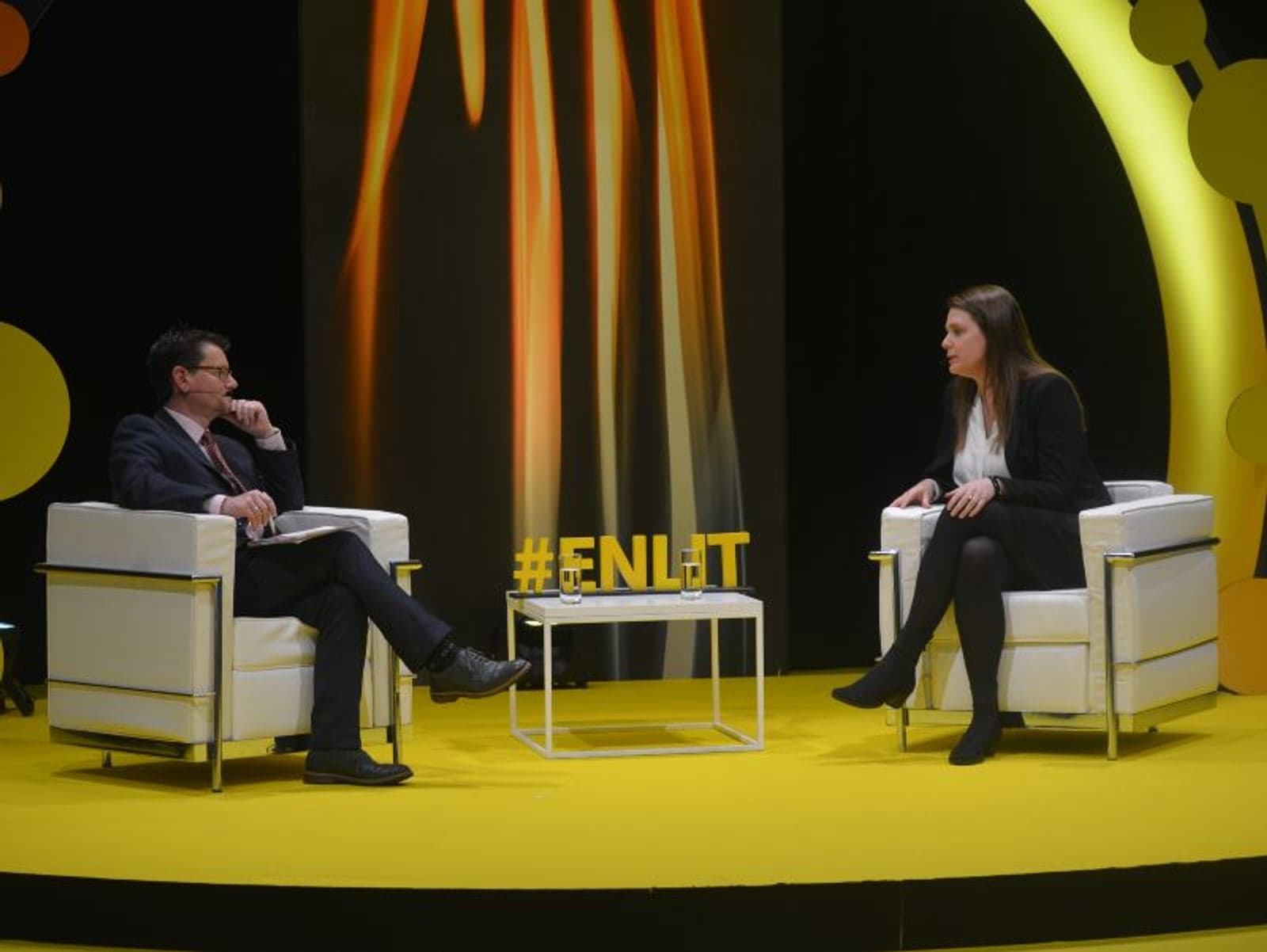
"The massive global shortage is like a train wreck that we can see coming...even if we diversify our supply"
Layla Sawyer, the Secretary General of currENT Europe, has shared concerns about whether Europe would have sufficient copper supply to reach decarbonisation goals and support the required grid expansion.
Sawyer's comments are thought-provoking and highlight the need for more to be done from a policy perspective to ensure the continent has a sufficient supply of critical raw materials such as copper.
"Critical raw materials are key to our strategy for electrification," said Sawyer.
She explained that a lot of different materials will be needed for the energy transition. However, copper specifically is used in many instances, from electric vehicles to charging infrastructure, renewable infrastructure, and power lines.
"This will create a surge in copper demand and it is generally accepted that copper extraction will not be able to meet future demand at this pace."
How big is the copper deficit?
Sawyer referred to the current global copper reserves and compared them with how much will be needed for the various sectors, as well as to achieve the green grid of the future.
She quoted a report from Bloomberg New Energy Finance that predicts the future electricity grid would require around 427 million metric tonnes of copper between now and 2050.
"This leaves us with a deficit...of copper. If grids need more than that, it will be difficult to reach net zero in time."
Sawyer also referred to the time and effort needed to extract the copper and the challenges around mining the copper to meet growing demand. "An overall doubling of copper demand by 2035 will be needed to meet net zero," she added.
Have you read?
Critical materials market monopoly a risk to energy transition says IRENA
Demand for critical minerals surges as supply concerns linger says IEA
The importance of policy
In March 2023, the European Commission passed the Critical Raw Materials Act to reduce dependency on other countries for materials.
"Europe has been going through being too dependent on Russian fossil fuels, so Europe doesn't want to make the same mistake on critical materials."
The proposal, currently being discussed in the European Parliament, doesn't take into account what Sawyer refers to as a "massive global shortage that is like a train wreck that we can see coming...even if we diversify our supply."
Sawyer suggested the EU Commission should also look at efficiency measures and should take into account the 'energy efficiency first' and 'do no significant harm' principles.
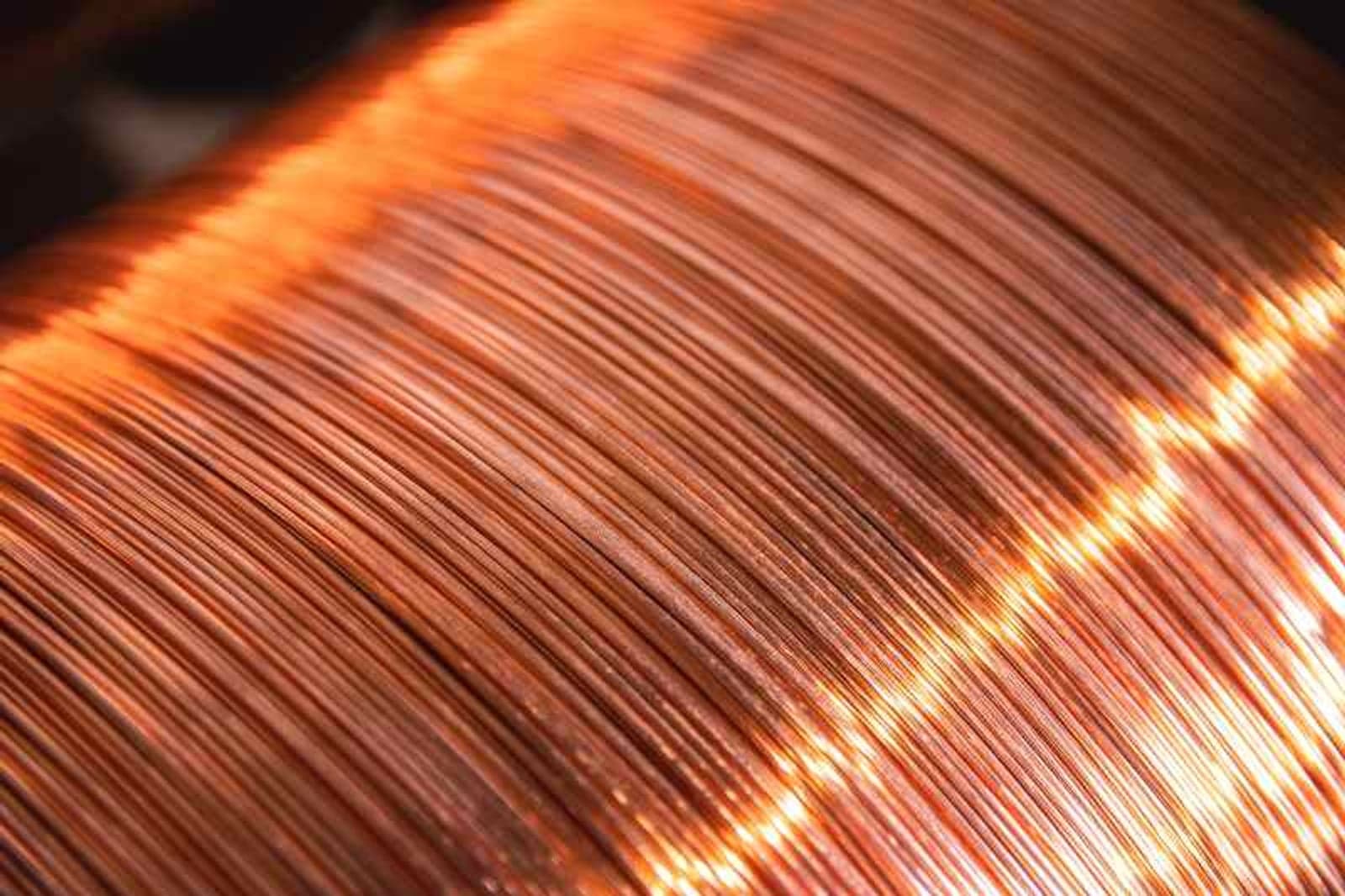
New mines are needed, as well as reduced demand and increased grid efficiency, said Sawyer and there's no way to do this without massive global collaboration.
Sawyer referred to the impact of recent trade and geopolitical tensions and stressed that "it's a big risk to be competing for copper when we all need to reach net zero."
Competition for materials, especially if there's a shortage will cause a significant price surge. According to Sawyer, the market is forecasting up to a 40% increase in the price of copper.
This would increase the price of superconductor cables by 5%, and increase the price of conventional cables by 50%.
Possible remedies
As the power system will need huge amounts of copper to accommodate the additional renewables, Sawyer emphasised the need to reduce copper in electrical infrastructure. "We urgently need to be looking at new transmission technologies that use less copper."
Sawyer also pointed to the need to increase innovation. Despite greater efforts to spur innovation in Europe, there is still more to be done, said Sawyer.
In the case of many enabling technologies, it is still difficult to access Europe's innovation funding. When looking at the Inflation Reduction Act in the US, Sawyer suggested Europe make access to funding simpler and easier. The market will demand this innovation, she added, but will need to be scaled quickly.
"Europe is good at innovation but less good at applying it on a large scale and that will be needed in the coming years."
More exclusive insights from Layla Sawyer
‘New kid on the block’ knows how to future-proof the grid
Sawyer pointed out that the EU Commission estimates euros 580 billion ($643 billion) of investment will be needed into the grid in the coming decades. Therefore, grid operators must be rewarded for using the grid as efficiently as possible and incentives put in place added Sawyer.
"We also need to look at how to use our resources more efficiently at a European scale...and use the grid more efficiently from a pan-European perspective, rather than looking at each country individually."
Sawyer referred to this as a necessary paradigm shift, one that must be characterised by fast-paced extraction, fast-paced processing, and fast-paced policy.
For more insights from Layla Sawyer and the full episode of the Energy Transitions Podcast, click on the podcast link below.