Will public perception derail Europe's nuclear renaissance?
Pamela Largue
Posted on: 19 November 2025
Despite clear momentum in the global nuclear renaissance, industry professionals fear that negative public sentiment may hinder sector growth.
The nuclear industry is experiencing a resurgence, yet public perception, shaped by a persistent legacy mindset, seems to be lagging behind.
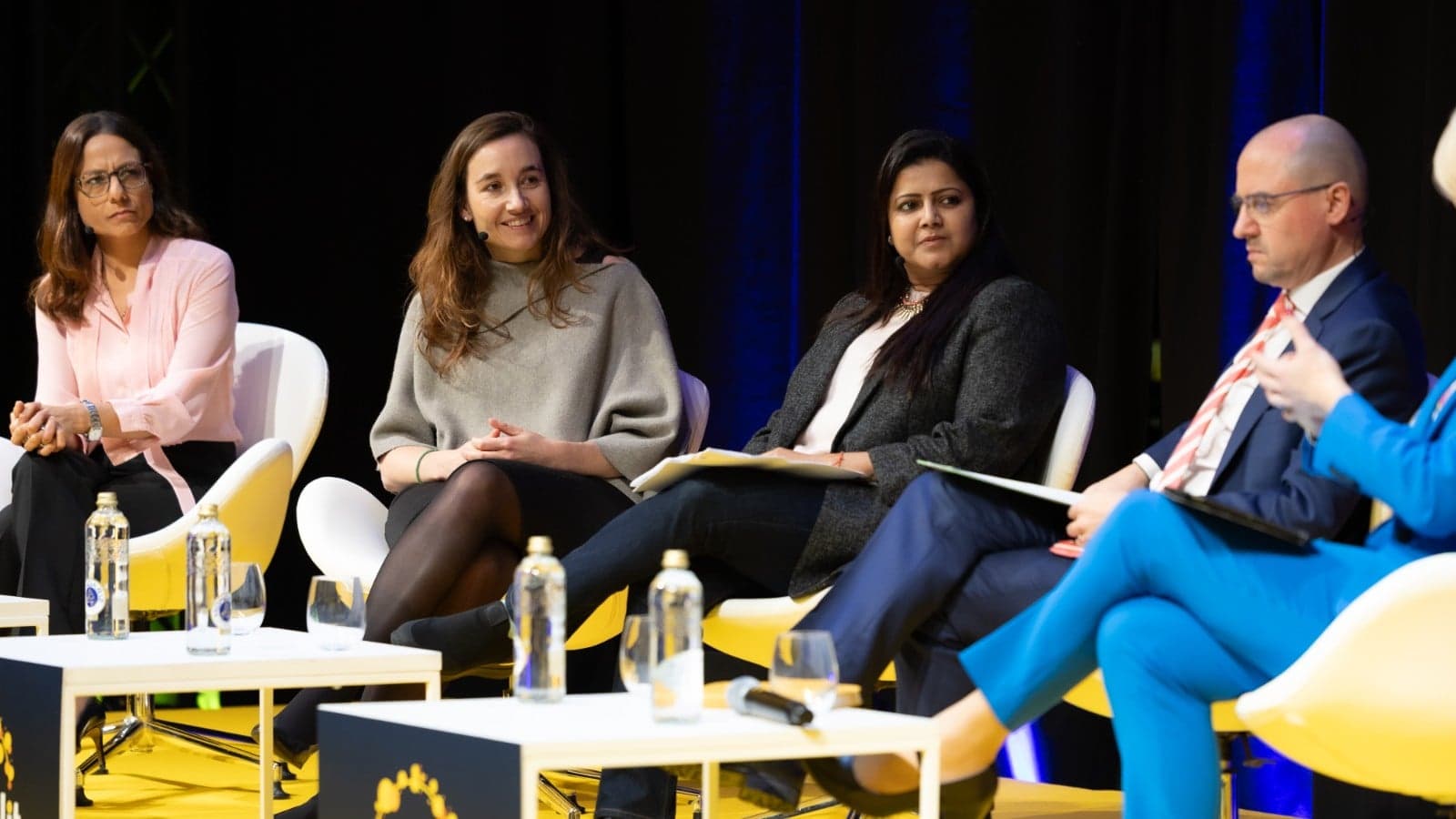
That was the standout conclusion of an Enlit Europe panel discussion dedicated to exploring the future of nuclear energy.
And while innovation, novel technologies, finance and policy mechanisms were on the agenda, it was public perception, NIMBYism and lingering fear that took precedence in the conversation.
In fact, the panellists agreed that there was no point in even talking about policy and finance, if public opinion was still at odds with the energy resource.
Myrto Tripathi, General Director of the TerraWater Institute, suggested that public perception influences the trajectory of policy, which could be problematic for the future of the sector.
“It’s still a problem because facts and science have not been accounted for properly in policy. We have to correct it from the root and if we do not correct it then it’s bound to come back again.”
And that root is public sentiment. Pritil Gunjan, Director at Guidehouse Insights, said that to a large degree current perception is based on legacy mindset and this legacy mindset persists because information and plans are not communicated effectively.
“People need to know what’s being done,” she said. The example Gunjan was referring to is the fact that many coal plants are quietly being repurposed for nuclear generation—an approach that avoids costly greenfield development—but few members of the public are aware of such initiatives.
It’s this lack of communication and transparency that means the public is also largely unaware of some of the innovation that has been taking place in the industry over the past few decades.
This innovation concerns SMRs, for example, a solution that holds potential for a more cost-effective and safer solution. But according to Sandro Baldi, Commercial Director at Nuward SMR - EDF International Nuclear Development, it's more important to highlight the innovation relating to waste. He believes it’s time to show and tell when it comes to fuel recycling and development of circular economy.
Referring to EDF, Baldi highlighted that “96% of used fuel can be recycled...that’s less use of natural resources and less waste”.
Many antagonists feel strongly about nuclear waste, says Baldi, and this could go a long way to easing their concerns.
All panellists agreed that education is key, no matter the source of fear or uncertainty. Industry and government need to become more proactive when it comes to educating the public and conveying what the industry is up to.
Kiki Lauwers, chief executive of Thorizon, believes Europe can’t afford to rest on its laurels in this regard. “It’s an opportunity for Europe to play a role on the global stage. This is a sector that has been on snooze… but there is still a lot of potential for innovation.”