Germany’s nuclear u-turn and its continental ripple effects
Guest/partner contributor
Posted on: 23 July 2025
Germany’s shifting stance on nuclear power could accelerate acceptance across the continent and lead to a more resilient, integrated, and decarbonised European power grid, writes Muhammad Rafey Khan of PTR.
Germany’s shifting stance on nuclear power could accelerate acceptance across the continent and lead to a more resilient, integrated, and decarbonised European power grid, writes Muhammad Rafey Khan of PTR.
Germany’s energy policy has long been a cornerstone of European energy dynamics. For over a decade, Berlin was opposed to nuclear power, championing a rapid transition to renewables while shutting down all its reactors.
That stance has now shifted significantly. In a stunning policy reversal, Germany has signalled it will no longer block European Union initiatives supporting nuclear energy. This marks a major turning point—not just for Germany, but for the entire continent.
What does this mean for the future of the European power grid? The implications are vast. From grid stability to energy sovereignty, this change could reshape Europe's energy landscape for decades to come.
Also of interest
Energy Transitions podcast: Is Sweden ready for a nuclear revival?
Why scarcity is a myth and opportunity abounds for nuclear’s workforce strategy
Germany’s anti-nuclear legacy: A recap
Following the Fukushima disaster in 2011, Germany announced an ambitious nuclear phase-out, closing its last reactors in April 2023. The country doubled down on renewables and natural gas, particularly from Russia, to fill the resulting energy gap.
While renewable capacity expanded rapidly, the intermittency of solar and wind led to rising grid instability, a heavier reliance on coal during peak demand, and volatile electricity prices.
Critics both within and outside Germany pointed to the contradictions in this approach: shutting down zero-carbon nuclear plants while extending coal use and increasing dependence on foreign gas.
The drivers behind the u-turn
Germany’s new position does not imply a domestic nuclear revival—at least not yet—but it removes one of the major political obstacles to broader EU nuclear integration.
This shift has been driven by several factors:
- Energy security concerns: Russia’s invasion of Ukraine in 2022 exposed the dangers of overreliance on a sole source of fossil fuels. As gas prices spiked and supplies tightened, Germany and much of Europe were forced to confront their vulnerabilities.
- Industrial pressure: Germany’s energy-intensive industries have long warned of the competitive disadvantage caused by high electricity prices. As factories face closures or consider relocation, policymakers are under pressure to stabilise and decarbonise the grid affordably.
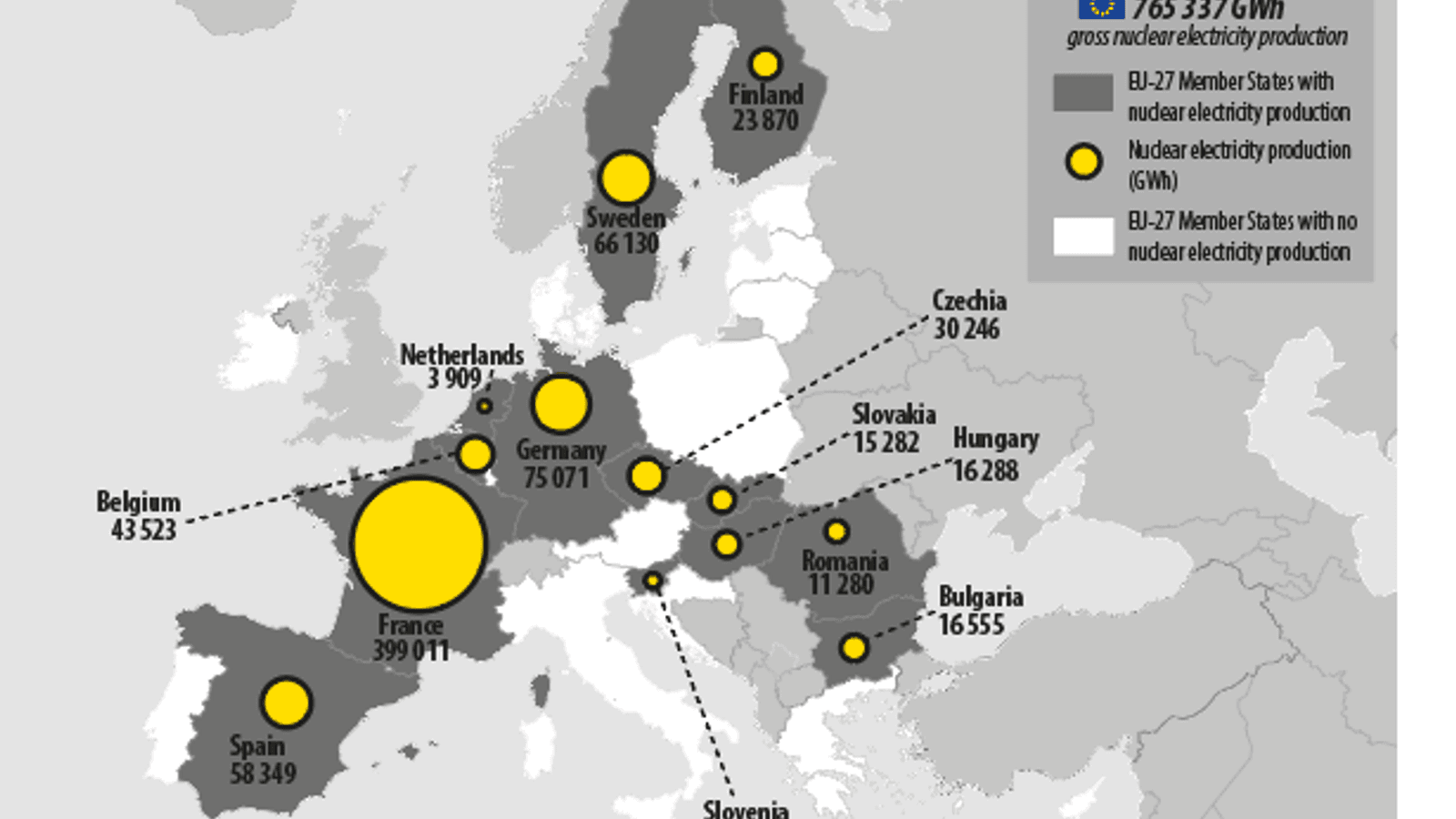
- EU climate and energy goals: Meeting Fit-for-55 and the 2050 net-zero goals without nuclear is increasingly seen as unrealistic. France, Finland, and several Eastern European states have pushed hard to recognise nuclear as a key part of the EU’s green taxonomy—efforts that Germany had previously resisted.
How the European power grid could change
Rebalancing the generation mix
With Germany no longer opposing nuclear, we can expect broader European alignment on a diversified generation strategy. Countries like France, Poland, the Czech Republic, and Finland are already investing heavily in nuclear expansion—including Small Modular Reactors (SMRs).
Germany's support may unlock EU funding, cross-border collaboration, and a more harmonised policy environment for nuclear deployment.
Improved grid reliability
Nuclear power offers a reliable, low-carbon baseload that can complement renewables. By adding dispatchable, carbon-free generation to the grid, Europe can reduce its dependence on fossil-fueled backup plants and ease the pressure on grid operators balancing intermittent renewables.
Upgrades to infrastructure and interconnectivity
A more nuclear-inclusive Europe will demand stronger interconnection across borders. East-West and North-South electricity flows will grow, requiring major upgrades in transmission capacity. Projects under ENTSO-E’s Ten-Year Network Development Plan (TYNDP) may be prioritised or expanded to support this new energy mix.
Market integration and regulatory realignment
Germany's shift may pave the way for an EU-wide consensus on electricity market reform, including capacity markets and contracts-for-difference (CfDs) for nuclear plants. Regulatory harmonisation on safety, licensing, and construction timelines will also become more pressing as countries move ahead with their nuclear agendas.
Risks and remaining challenges
Despite the policy shift, several hurdles continue to challenge a broader embrace of nuclear power in Germany and across Europe.
One of the most persistent obstacles is public opposition—rooted in deep historical fears about nuclear accidents, particularly after the Chernobyl disaster and, more recently, the Fukushima meltdown in 2011.
It was the latter that led Germany to commit to phasing out nuclear power entirely, citing safety concerns and public pressure. This legacy continues to influence the national psyche, with strong resistance from parts of the population and several political factions.
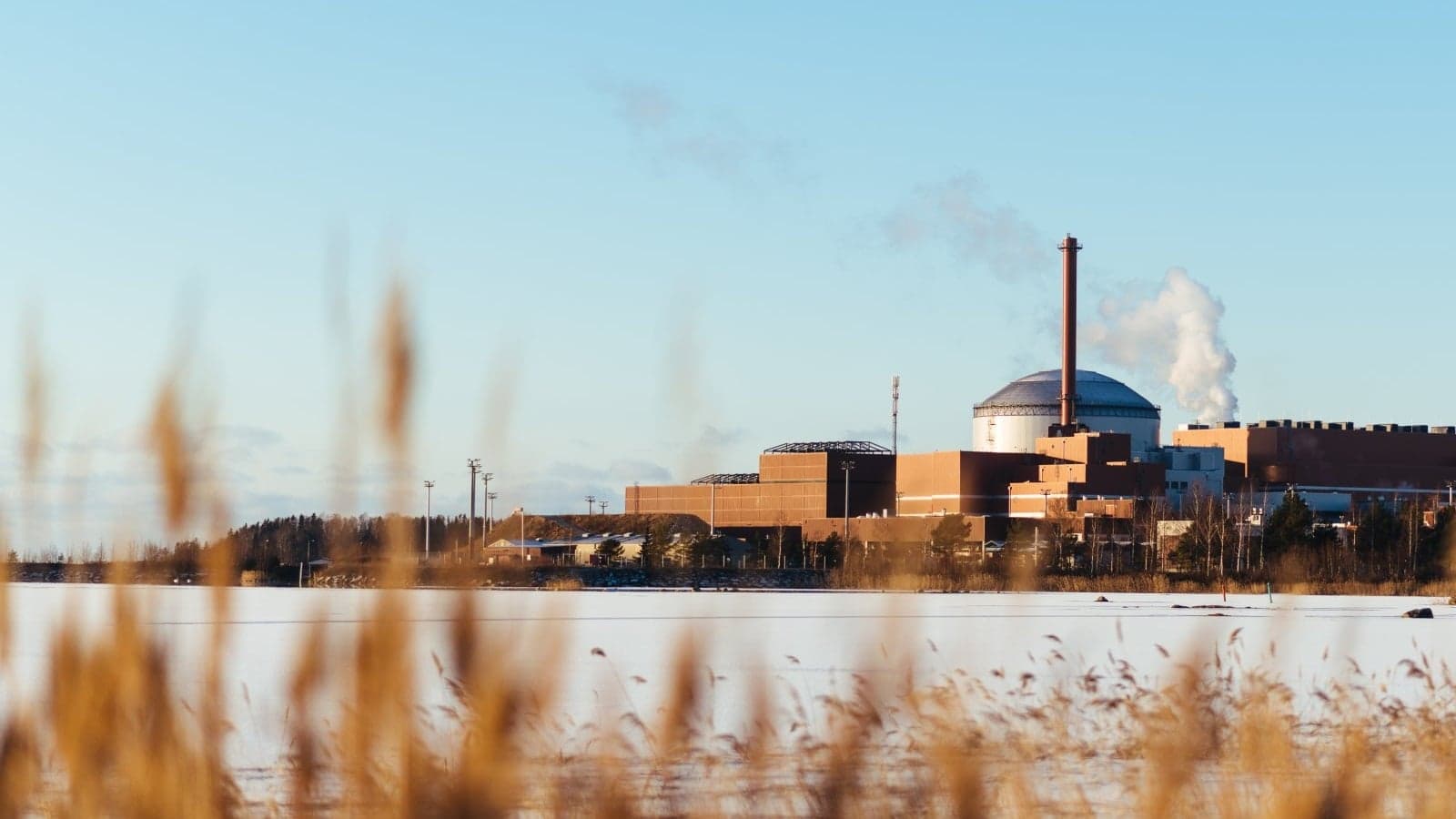
Additionally, nuclear projects are notoriously capital-intensive, with long lead times and frequent cost overruns, as seen in projects like Flamanville in France and Olkiluoto in Finland. The unresolved issue of long-term nuclear waste storage also looms large, both technically and politically, complicating the case for a large-scale revival.
Compounding these issues is the shortage of skilled labor: after years of dormancy in the sector, Germany and many European countries face a deficit in nuclear engineers, safety specialists, and trained construction personnel—many of whom have since retired or moved to other industries. Together, these challenges suggest that while the policy landscape may be shifting, the path forward for nuclear power remains complex and fraught with uncertainty.
The long-term vision: A hybrid power system
Germany’s U-turn opens the door to a more balanced, hybrid energy future for Europe—where renewables, nuclear, hydrogen, and storage systems work together.
Instead of an either-or debate, policymakers can now pursue an "all-of-the-above" strategy that optimises carbon reduction, cost stability, and energy resilience.
In this model:
• Renewables provide cheap and abundant energy during peak production,
• Nuclear energy ensures baseload and reliability,
• Hydrogen and batteries offer flexibility and backup,
• A smart, integrated grid connects supply and demand across the continent.
Conclusion: A turning point for European energy
Germany’s decision to stop opposing nuclear power marks a historic shift in European energy politics. It signals the beginning of a more pragmatic, technology-neutral approach to climate crisis and energy security.
As the largest economy and one of the most influential political voices in Europe, Germany’s reversal could accelerate nuclear acceptance across the continent. The result? A more resilient, integrated, and decarbonised European power grid—one better equipped to face the challenges of the 21st century.
ABOUT THE AUTHOR

Muhammad Rafey Khan is a Senior Analyst and Team Lead for Electric Vehicle Charging Infrastructure service at PTR Inc. His research focuses on e-mobility topics, specialising in electric vehicles and their charging infrastructure.