Nuclear Start-up Spotlight: Seaborg Technologies
Heather Johnstone
Posted on: 2 March 2022
Small-scale nuclear promises to produce safer, less expensive, low-carbon energy. Seaborg Technologies explains how it's rethinking nuclear.
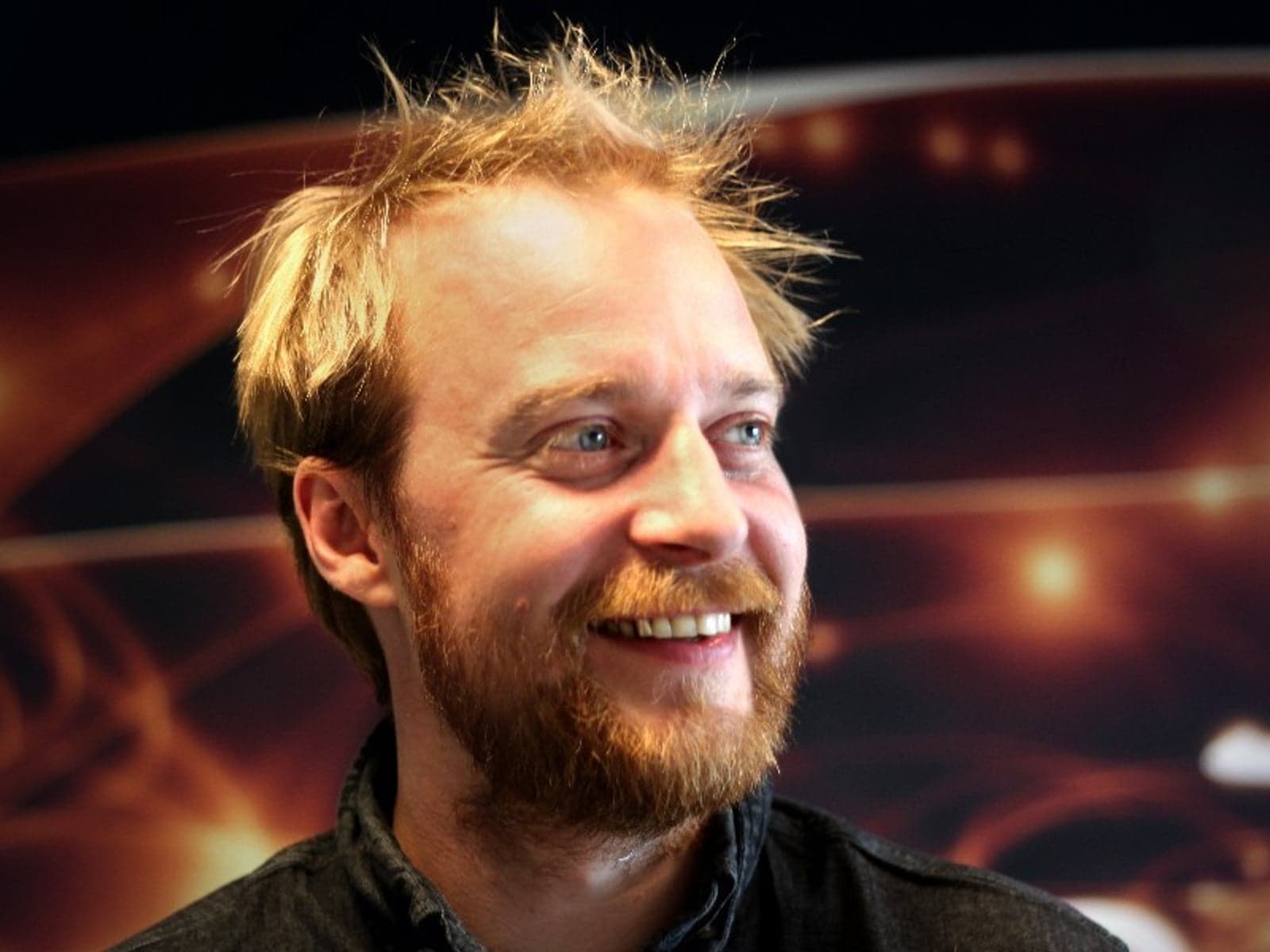
Nuclear power is synonymous with expensive, multi-megawatt facilities that often enjoy little public support. Yet small-scale nuclear plants are attracting attention as a way of providing safe, inexpensive sustainable energy. One such venture is Seaborg Technologies and here its co-founder and CEO, Troels Schönfeldt, explains how the Danish start-up is rethinking nuclear.
For the third and final one in Initiate’s nuclear-focused Start-up Spotlights (in case you missed it, read up about Kärnfull Energi and Marvel Fusion), we switch our focus to the small-scale reactors, a technology area that is expected to experience considerable growth over the coming years.
According to a recent report by Valuates Reports, the global small modular reactor market is expected to hit $18.8 billion by 2030, up from a somewhat meagre $3.5 billion in 2020, and enjoy a Compound Annual Growth Rate of close to 16%.
Two of the main drivers of this growth are the opportunity to lower the capital and operating costs of a nuclear power facility and to provide nuclear energy to small remote power grids.
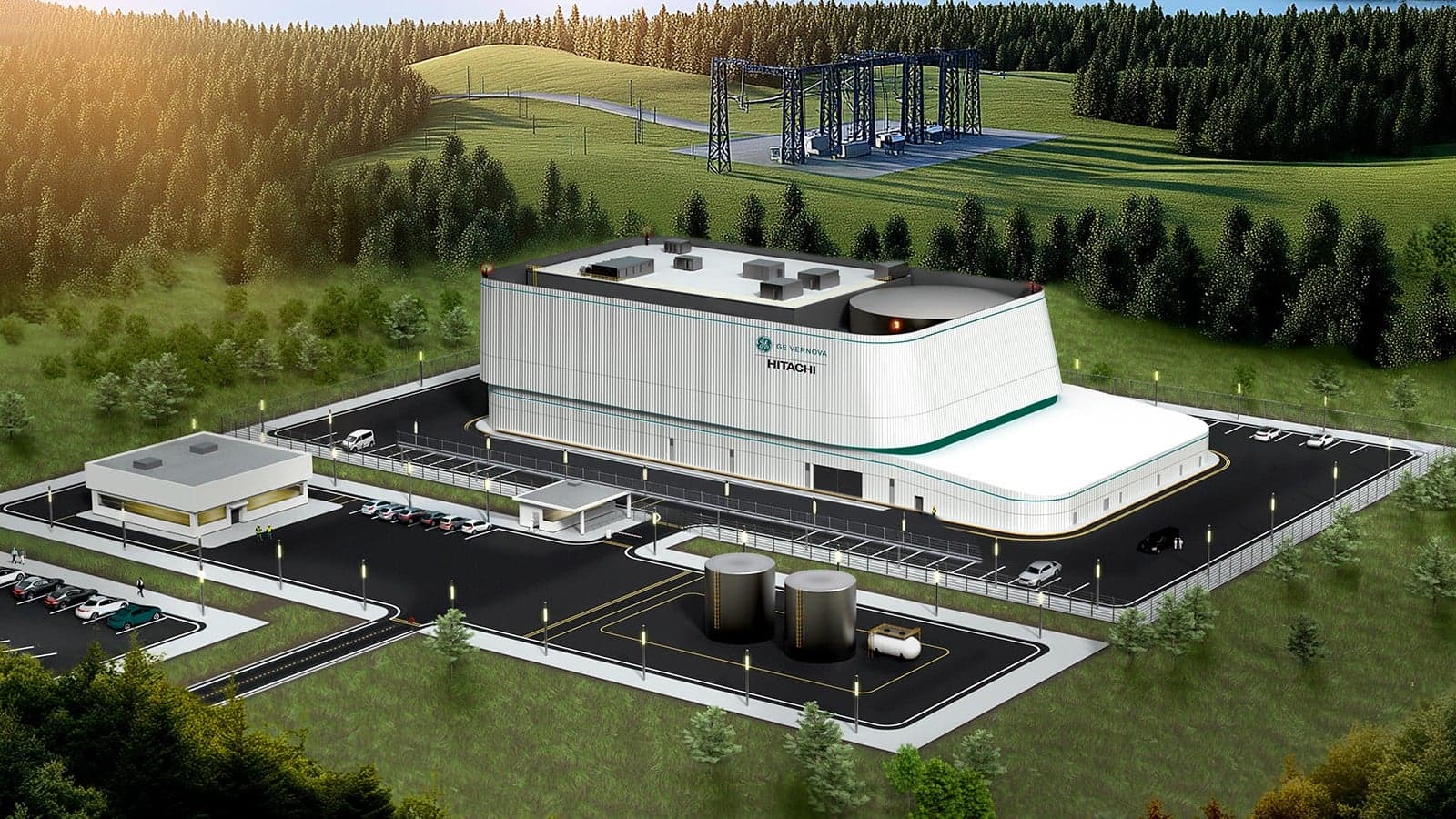
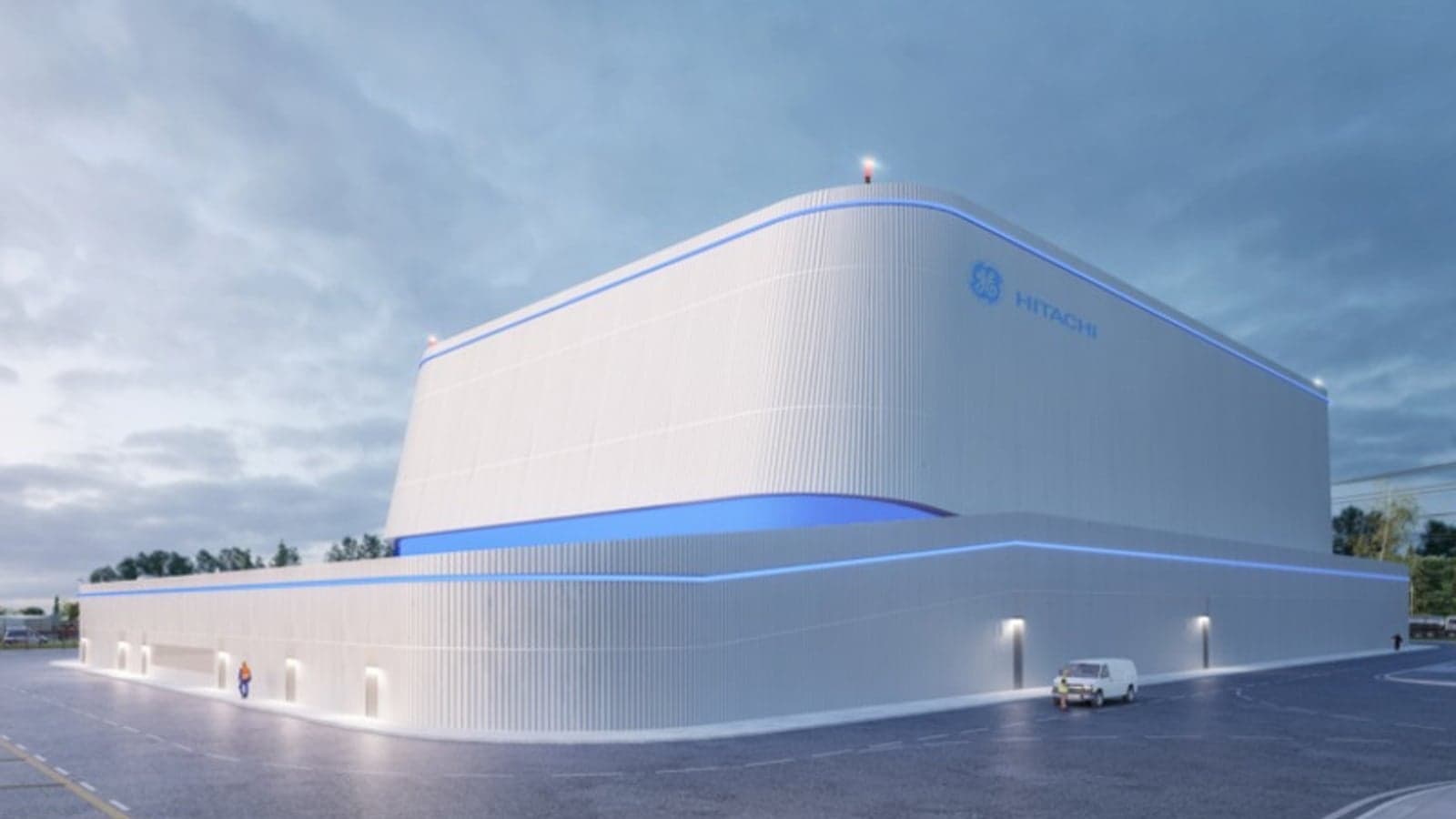
There are several companies highly active in this area, with well-known names such as Rolls-Royce, NuScale and GE Hitachi Nuclear Energy amongst them.
However, it’s not just the ‘big boys’, one small venture from Denmark is rethinking nuclear by fast-developing a novel advanced reactor that utilises molten salt to moderate reactions, making it inherently safer.
Not only that, it is also looking to deploy the reactors on floating barges, with the goal of bringing inexpensive, low-carbon and safe nuclear power to areas that are remote or hard to decarbonise.
We speak with Troels Schönfeldt, co-founder and CEO of Seaborg Technologies, to find out more.
What’s Seaborg Technologies’ solution?
At Seaborg Technologies we are developing and bringing to market a new type of advanced nuclear reactor called the Compact Molten Salt Reactor (CMSR). It is a new version of a well-demonstrated reactor type. What makes the technology so special is its inherent safety features; It cannot meltdown or explode, it cannot release radioactive gasses to air or water, and it cannot be used for nuclear weapons.
We are working closely with heavy industry and shipyards to be able to deploy our reactors as floating power plants on barges. Our aim is to make nuclear an inexpensive, sustainable, and safe technology that can out-compete fossil fuels and revolutionise global energy markets helping the world to decarbonise and tackle energy poverty.
We believe that the world will be decarbonised when the alternative to fossil fuel is cheap enough and scales fast. What we offer is complementary to renewable energy sources like solar and wind, especially in places with limited wind resources, cloudy days or long monsoon seasons, such as Southeast Asia.
How will you genuinely contribute to the successful transition to a low-carbon future?
The CMSR power barge will be able to reach locations with different grid sizes or even off-grid worldwide, also in places that are especially hard to decarbonise.
Our CMSR will be designed, constructed and assembled in Europe and installed on barges in South Korea, creating a turnkey floating power plant in a standardised design of power modules, each consisting of two reactors and one single steam turbine.
Due to the high outlet temperature, our barges are also well suited for applications such as synthetic fuel production, industrial process heat applications, hydrogen/ammonia production, seawater desalination and district heating.
The value proposition of the CMSR is a novel yet simple design that is scalable, flexible (benefits to systems costs) and has short payback times that compete on pure market terms.
Have you read?
Rolls Royce appoints SNC-Lavalin for next phase of SMR programme
EDF to acquire part of GE Steam Power’s nuclear activities
Dubai Expo spotlights ‘mighty’ potential of small modular reactors
What have been the milestones in your journey so far and what is the next milestone?
We now have close to 100 full-time employees from around the world, and still hiring. We are expecting to reach 150 employees this year.
Our headquarters is in Copenhagen, and we recently established business offices in South Korea and Singapore. So far, we have built and operate multiple state-of-the-art laboratories and are working with other top-end European labs. We have partnerships with shipyards, nuclear players and heavy industry, primarily in South Korea.
Another significant milestone was secured in summer 2020 when we received a feasibility statement from the American Bureau of Shipping (ABS), which is the first of five classification milestones for maritime deployment of nuclear power barges.
A very recent milestone was the founding of our sister company HYME in November 2021. With HYME, we aim to develop and commercially pursue low-cost, grid-scale energy storage based on breakthroughs in our lab working with molten sodium hydroxide.
Did you see?
Initiate Talks: Ask Jensen, Seaborg Technologies & Rune Kirt, Kirt x Thomsen
What specific challenges as a new venture in the nuclear sector do you face?
Deep tech in nuclear poses major technical and regulatory challenges. Our reactor design is Advanced Nuclear and in our labs we work to solve the multi-disciplinary challenges that, for example, occur in our reactor where the molten fuel salt and molten moderator salt pos interrelated corrosion and radiation challenges to the structural materials.
The main regulatory challenge is that the current rules and regulations are made for on-land conventional reactor technology. As mentioned previously, we are pursuing a novel maritime license for our CMSR power barges together with the ABS.
Why should nuclear power be in the EU Taxonomy on Sustainable Finance?
Nuclear is needed if we want to mitigate climate change globally.
Even in Europe, some countries will not be able to rely entirely on intermittent sources. That is the simple reason why nuclear belongs in the taxonomy. We need to deploy as much solar, wind and nuclear energy as possible and as soon as possible.
About the Start-Up Spotlight
Initiate's Start-up Spotlight aims to profile some of the most innovative start-ups and other small ventures in the energy transition space, and also generate greater awareness of the amazing innovative solutions and thinking that promise to make a genuine impact as we shift to a low-carbon future.