Europe’s competitiveness report: What’s in it for energy?
Yusuf Latief
Posted on: 9 September 2024
Mario Draghi’s The future of European competitiveness is released, detailing why the EU needs a joint decarbonisation and competitiveness plan
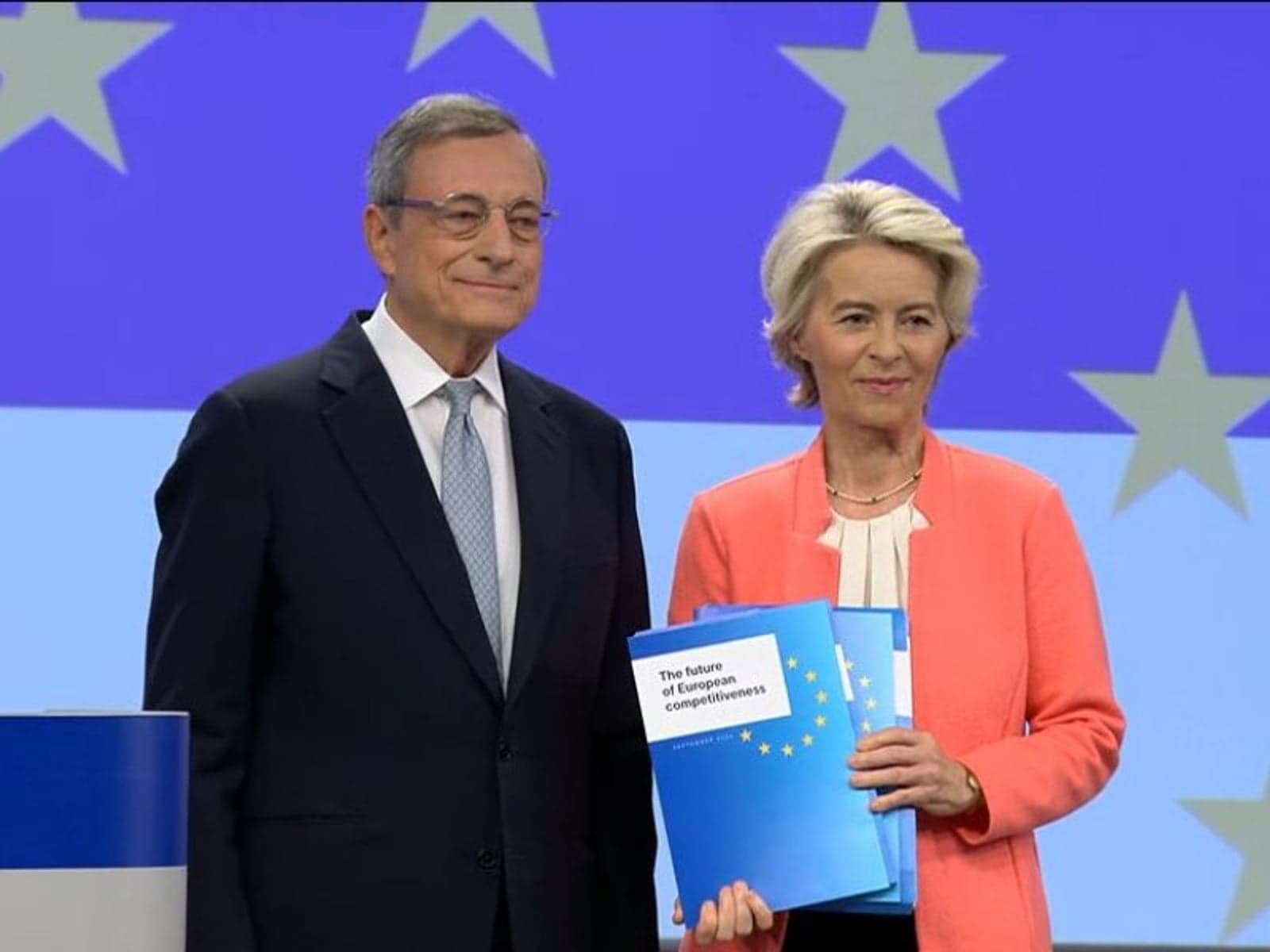
A year after being asked to prepare a report by the European Commission, Mario Draghi’s long-awaited The future of European competitiveness has been released, detailing why the continent needs a joint decarbonisation and competitiveness plan where all policies are aligned behind EU objectives.
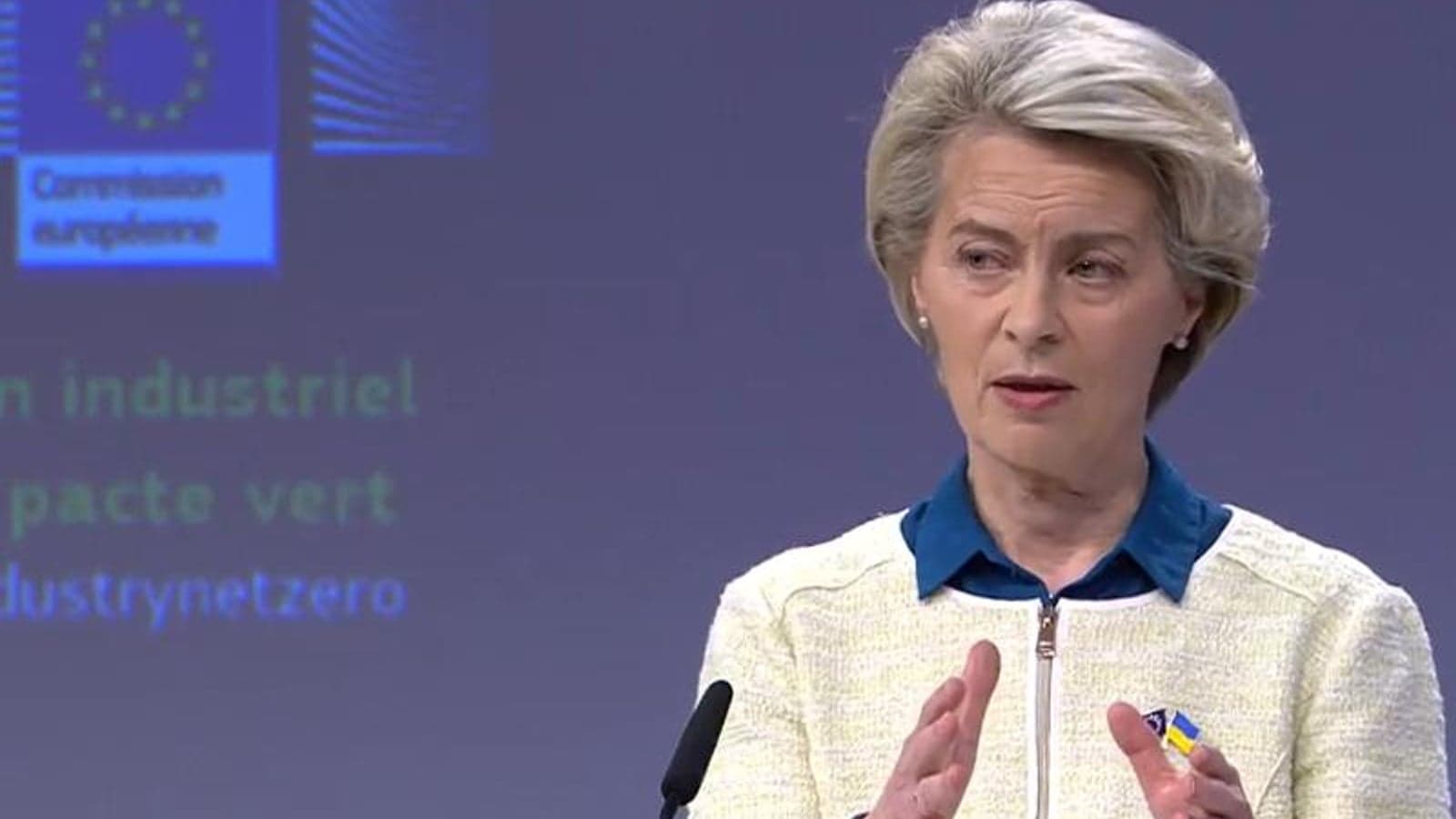
Draghi, the former European Central Bank chief and Italian prime minister, said today during a press debriefing in Brussels that, if European policy aligns with decarbonisation, it will create immense opportunities for growth.
But that’s a big ‘if’, he warned, adding that, “if we fail to coordinate, there is a risk that decarbonisation could run contrary to competitiveness and growth.”
China and the US
Said Draghi: “What we have to do is increase the supply of clean energy and to do that, we not only have to . . . look at consumption and demand, but we also have to increase supply. To some extent that’s what the IRA (Inflation Reduction Act) is doing.
“In the US there aren’t many standards or prohibitions.
“What is there? It’s a lot of incentives for increasing production. Our clean tech industry now faces competition with China and certainly China could offer the cheapest route to meeting the EU’s climate targets.
“But China state-sponsored competition represents a threat to developing our productive clean industries. That’s why we want decarbonisation to become a source of growth.”
According to the report, although decarbonisation offers an opportunity for Europe to lower energy prices and take the lead in clean technologies, given increasing Chinese capacity and scale, it is not guaranteed that EU demand for clean tech will be met by EU supply.
Based on current policies, states the report, Chinese technology may represent the lowest-cost route to achieving some of the EU’s targets.
Specifically, a fast pace of innovation, low manufacturing costs and state subsidies four times higher than other major economies means China is now dominating global exports of clean tech.
Further, the report states that significant overcapacity is expected: by 2030 at the latest, China’s annual manufacturing capacity for solar PV is expected to be double the level of global demand, and for battery cells it is expected to at least cover the level of global demand. Production of EVs is expanding at a similar pace.
More on competitiveness and industrial strategy:
How can we boost Europe’s competitiveness?
Does Europe have the industrial strategy to keep its renewables competitive?
The EU on the other hand is already seeing a sharp deterioration in its trade balance with China, reflecting imports of EVs, batteries and solar PV products.
While rising bankruptcies in China suggest that the economy is entering a phase of industrial consolidation, the report adds that overcapacities are likely to persist, especially given ongoing weaknesses in household consumption and high saving rates.
Moreover, in response to perceived unfair competition, an increasing number of countries are raising tariff and non-tariff barriers against China, which will re-direct Chinese overcapacity towards the EU markets.
To battle this, the report recommends deployment of a mixed strategy, combining different policy tools and approaches for different industries.
To do so, the report recommends a joint decarbonisation and competitiveness plan, where all policies are aligned behind the EU’s objectives.
Under this plan, the report lists three key priority areas:
1. Lowering costs by transferring benefits
The first is to lower energy costs for end users by transferring the benefits of less costly energy produced by renewables to consumers, both at the household and industrial level.
Said Draghi: “We have to have in place a plan that firstly aims to decouple the price of fossil fuel energy from clean energy sources so that end users see the benefits of decarbonisation in their bills.”
Specifically, the report recommends reinforcing joint procurement – at least for LNG – to leverage Europe’s market power and establishing long-term partnerships with reliable and diversified trade partners as part of a genuine EU gas strategy.
Further to this, the EU should decouple the remuneration of renewable energy and nuclear from fossil-fuel generation by building on the tools introduced under the new electricity market design – such as PPAs and two-way CfDs – and extend PPAs and CFDs to all renewable and nuclear assets in a harmonised way.
2. Fully tapping clean tech
Added Draghi: “There is also another side to this in our climate policy and that is providing the clean technologies to enable decarbonisation.”
This key second priority involves capturing industrial opportunities from the green transition, by using all available solutions through a technology-neutral approach.
According to the report, this approach should include renewables, nuclear, hydrogen, bioenergy and carbon capture, utilisation and storage, and should be backed by massive mobilisation of both public and private finance.
The report recommends extending acceleration measures and emergency regulation to heat networks, heat generators, and hydrogen and carbon capture and storage infrastructure.
Greater focus is also needed on digitalising national permitting processes across the EU and addressing permitting authorities’ lack of resources. For instance, administrative fees for procedures could be increased to ensure authorities have adequate capabilities to deliver prompt approvals.
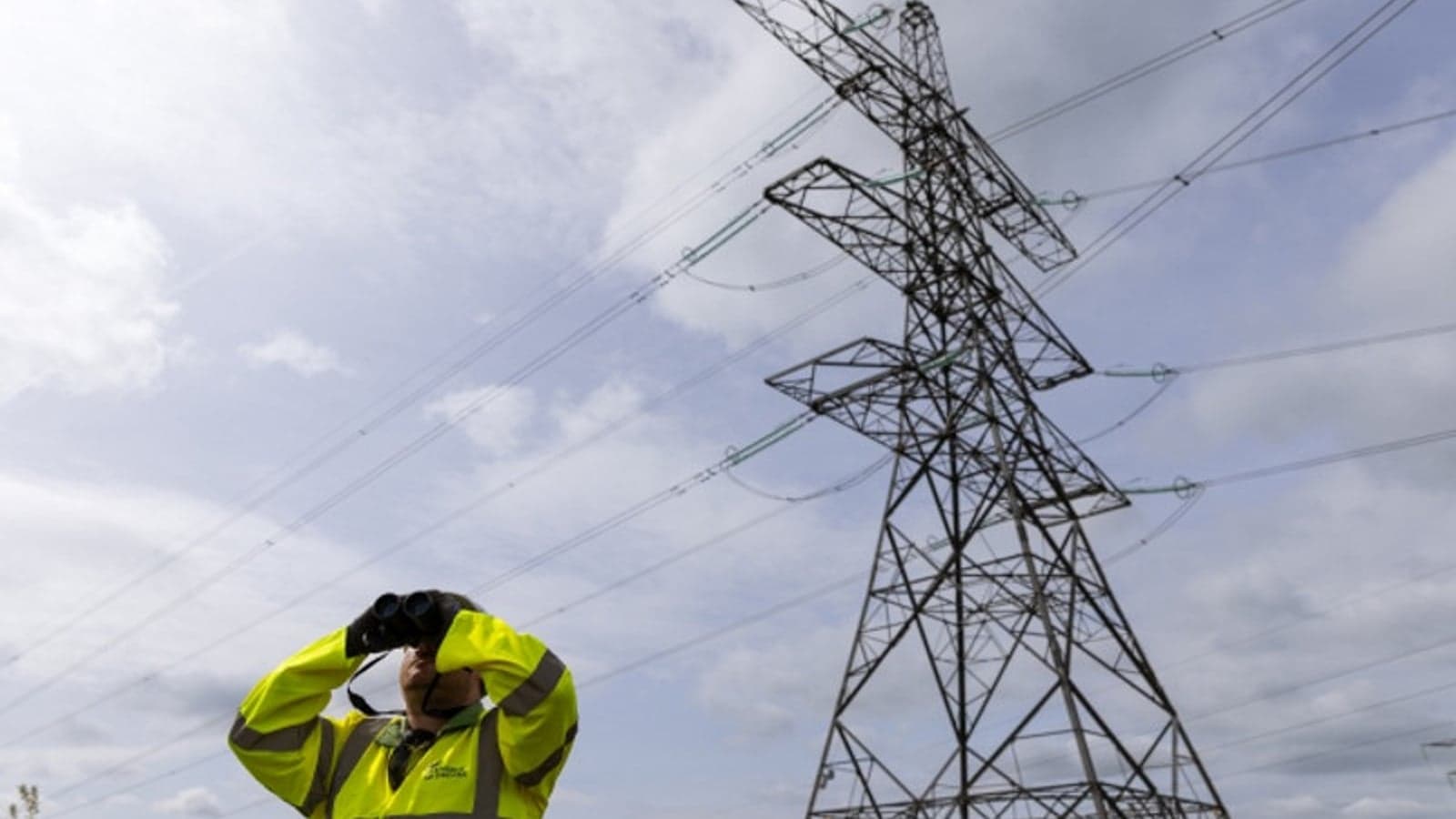
Additionally, the report lists another central element in accelerating decarbonisation: unlocking the potential of clean energy through a collective EU focus on grids – a ‘horizontal area in the energy sector whose importance cannot be overstated’, says the report.
According to the report, delivering a step-change in grid deployment will require a new approach to planning at the EU and Member State levels, including the ability to effectively reach decisions and accelerate permitting, to mobilise adequate public and private financing and to innovate grid assets and processes.
To do so, for example, the report recommends establishing a ‘28th regime’ – a special legal framework outside of the 27 different national legal frameworks – for interconnectors deemed to be Important Projects of Common European Interest (IPCEIs).
This regime would shorten the length of national procedures and integrate them into a single process, avoiding the possibility of projects being blocked by individual national interests.
3. Level the playing field
The third key priority under the joint plan is that of levelling the playing field in sectors more exposed to unfair competition from abroad and/or facing more exacting decarbonisation targets than their international competitors.
Additionally, the report makes further recommendations for the EU, such as:
- Developing governance needed for a genuine Energy Union so that decisions and market functions of cross-border relevance are taken centrally;
- Taking a pragmatic approach to decarbonisation to mitigate potential trade-offs;
- Refocussing support for clean tech manufacturing, focusing on technologies where it either has a lead or where there is a strategic case for developing domestic capacity;
- Establish industrial partnerships with third countries; trade policy, says the report, will be fundamental to combine decarbonisation with competitiveness, securing supply chains, growing new markets and offsetting state-sponsored competition;
- Developing an industrial action plan for the automotive sector;
- When it comes to the wider EU strategy towards cross-border and modal integration and sustainable transport, planning for competitiveness and not only for cohesion.
Said Draghi: “We have to look at all these sides.
“We need a joint plan spanning industries that produce energy and those that enable decarbonisation, such as clean tech and automotives.”