Trump is 'King Canute of energy' and why Carney climate bounce will fix COP
Kelvin Ross
Posted on: 30 April 2025
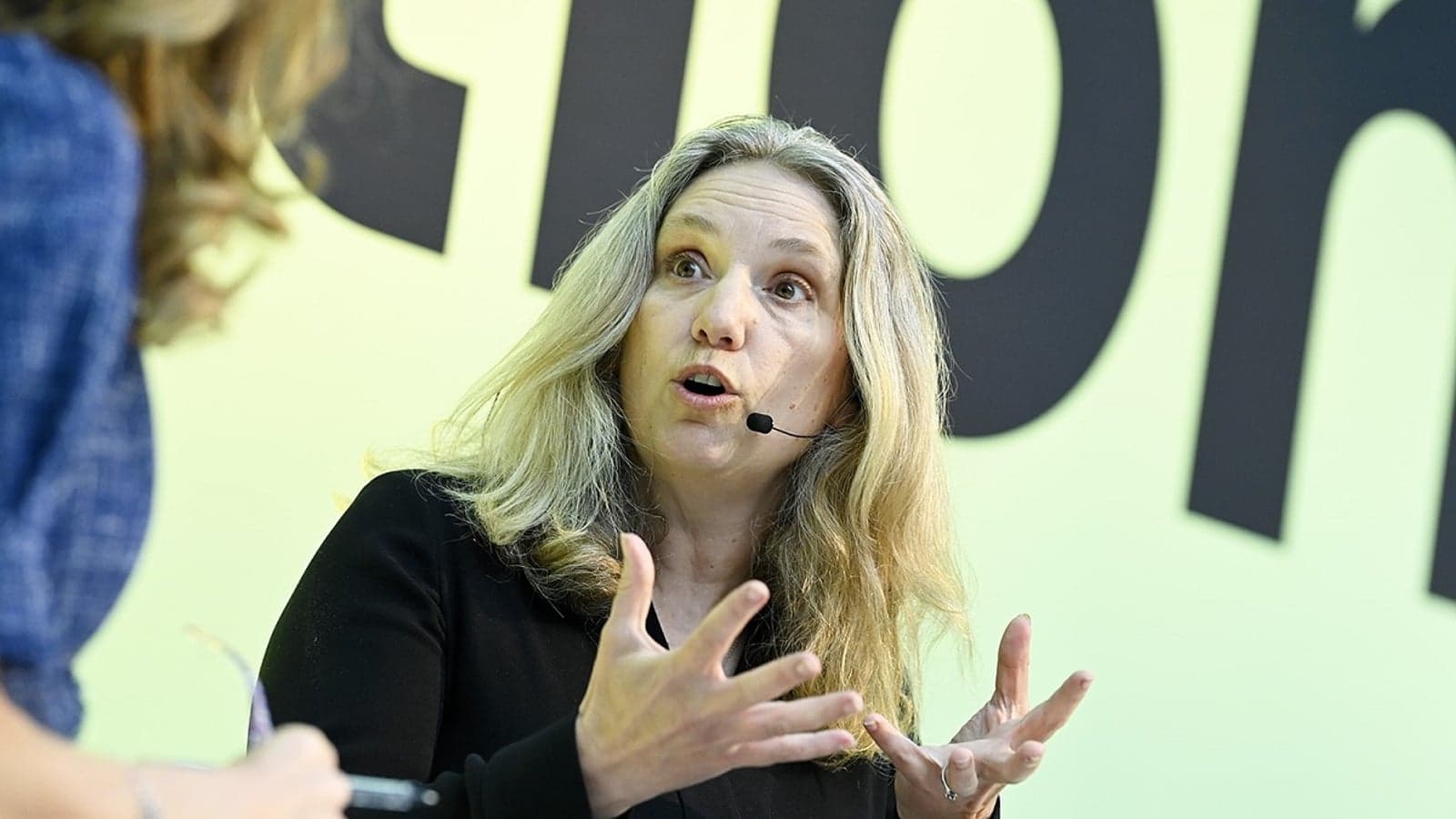
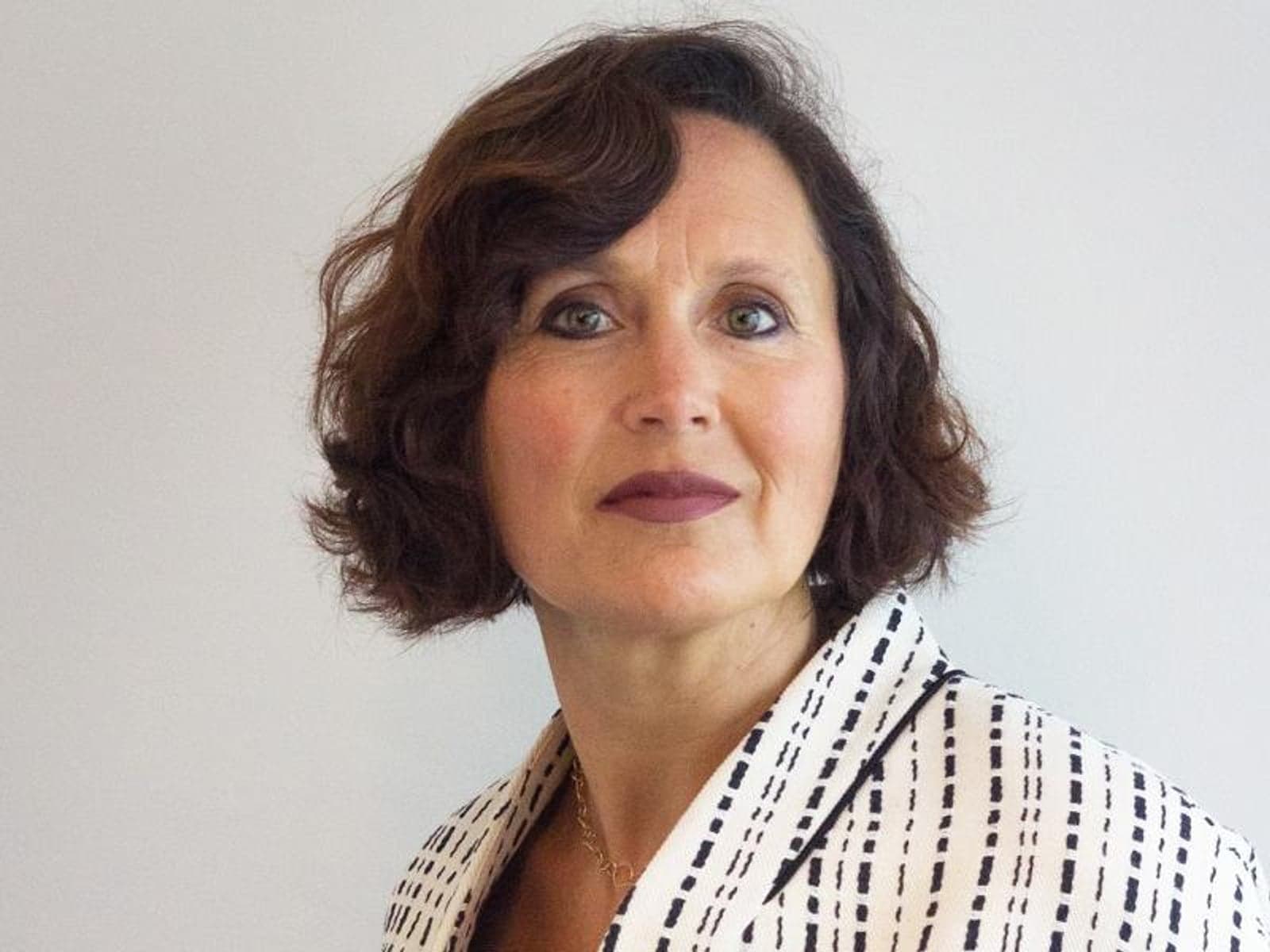
Simon Sharpe and Sandrine Dixson-Declève were sharing the stage at the Innovation Zero World Congress in London, reflecting on the consequences of the first 100 days of President Trump on energy diplomacy.
What do you do in the face of the unravelling of climate policies in the US under President Trump?
As the US President marks his first 100 days in office, two veterans of climate diplomacy offered some answers.
Simon Sharpe and Sandrine Dixson-Declève were sharing the stage at the Innovation Zero World Congress in London.
Sharpe is the managing director of the new non-profit S-Curve Economics. He wrote the book 'Five Times Faster: Rethinking the Science, Economics, and Diplomacy of Climate Change'. He is also a former Deputy Director of the UK government’s COP26 Unit.
So he knows a thing or two about climate policy and diplomacy. And how to deal with those who are not very diplomatic. Sharpe said that what the US government is doing is “about as bad as it can get”.
“It’s not only unpicking the regulations and investment policies that will help move the energy transition forward, it is also actively trying to push things backwards”.
He said one of the most “staggering measures” was a bid to lift air pollution restrictions on coal plants. “They’re actually trying to promote dirty air and dirty water that will be harmful to the health of people in America. That couldn’t be worse.”
Have you read:
Innovation summit told ‘now is not the time to hesitate’ on climate ambition
Energy Transitions podcast: Trump 2.0 – Navigating the energy policy puzzle
WEC’s Wilkinson warns Europe to not develop global ‘blind spot’ because of Trump
However, he said that if you look at the record of the last time Trump was in power, “more coal plants closed under him than they did under Barak Obama, and if you look at the forecast this year, more than 90 per cent of new power capacity in the US will come from solar and wind”.
“So he’s actually fighting against the tide – he’s the King Canute of the energy transition. But he’s definitely not going to win.”
So what should the UK and Europe do to counter Trump’s agenda?
Sharpe said that if you are in the US, “then it’s absolutely about working with the consumers who want lower energy bills and industries that want to be competitive in the technologies of the future. You have to work with those interests.”
And he added that if you are outside of the US, “you have to make life difficult for them [the Trump administration]. The most important thing of all is for Europe to work with China and create the conditions where, to get access to both markets, American firms need to be producing clean technologies.”
He said the need for Europe – and other countries – to work with China was vital. He said Europe must not make the diplomatic “mistake” of first striking a climate plan with its “friends” and then presenting it to the Chinese as a done deal, “because they will say, ‘Hey you cooked this up with no input from us’.”
“That’s entirely the wrong approach because China is so overwhelmingly powerful and influential in this transition. We need to go to the Chinese first.”
Energy diplomacy at COP and in Canada
Dixson-Declève is honorary president of humanitarian non-profit the Club of Rome and executive chair of the international climate initiative Earth4All.
She said “the denialism of what the US is doing is really a fundamental problem. We’ve lost sight of real climate change diplomacy.”
And she said this extended way beyond the borders of the US, explaining that she believes the pillars of climate diplomacy have been shaken by the past three iterations of the United Nation’s COP conferences held in Egypt, the UAE and Azerbaijan.
“What led to the Paris Agreement [in 2015] was months of hard work by the UK and France. What we’ve seen in the last three COP Presidencies is a shift away from building up not only the diplomatic conversations but also the inter-linkages with non-state actors.”
Dixson-Declève, on the back of “three years of frustration”, recently wrote an open letter to the UN calling for COP to reform and “to bring science back to the negotiating table”.
“Scientists are the least represented within the negotiations compared to incumbents and lobbyists.
“When the Azerbaijan president opened the Baku COP and indicated that fossil energy was God’s gift to the world, that was the call to say ‘enough’.”
She said the COP needs to be smaller, and the pre-diplomacy seen ahead of COP25 in Paris needs to be resurrected.
Yet she added that she has high hopes that these actions will be delivered this year under the presidency of Brazil.
And she also wanted to “inject a little bit of hope at this very dire time. Mark Carney has just been elected [in Canada]. We’ve just found ourselves another government that is absolutely going to be a champion.”
“This is a moment when the British can come together with the EU and Canada and think through new trade agreements, new climate diplomacy which focuses on implementation, which ensures we drive change towards 2030, and which ensures that when we talk about innovation zero, we are looking at the feedback loops between poverty, equality, biodiversity loss and climate.”
She said the speed and scale of decarbonisation will not be possible “unless we look at poverty alleviation”.
Dixson-Declève said now was “a moment to come together and realise that we cannot become dependent on the US. It is our time. A time of different companies, different organisations, different partnerships, and also new governments that are coming forward to assume the responsibility to ensure that we continue to move towards net zero.”