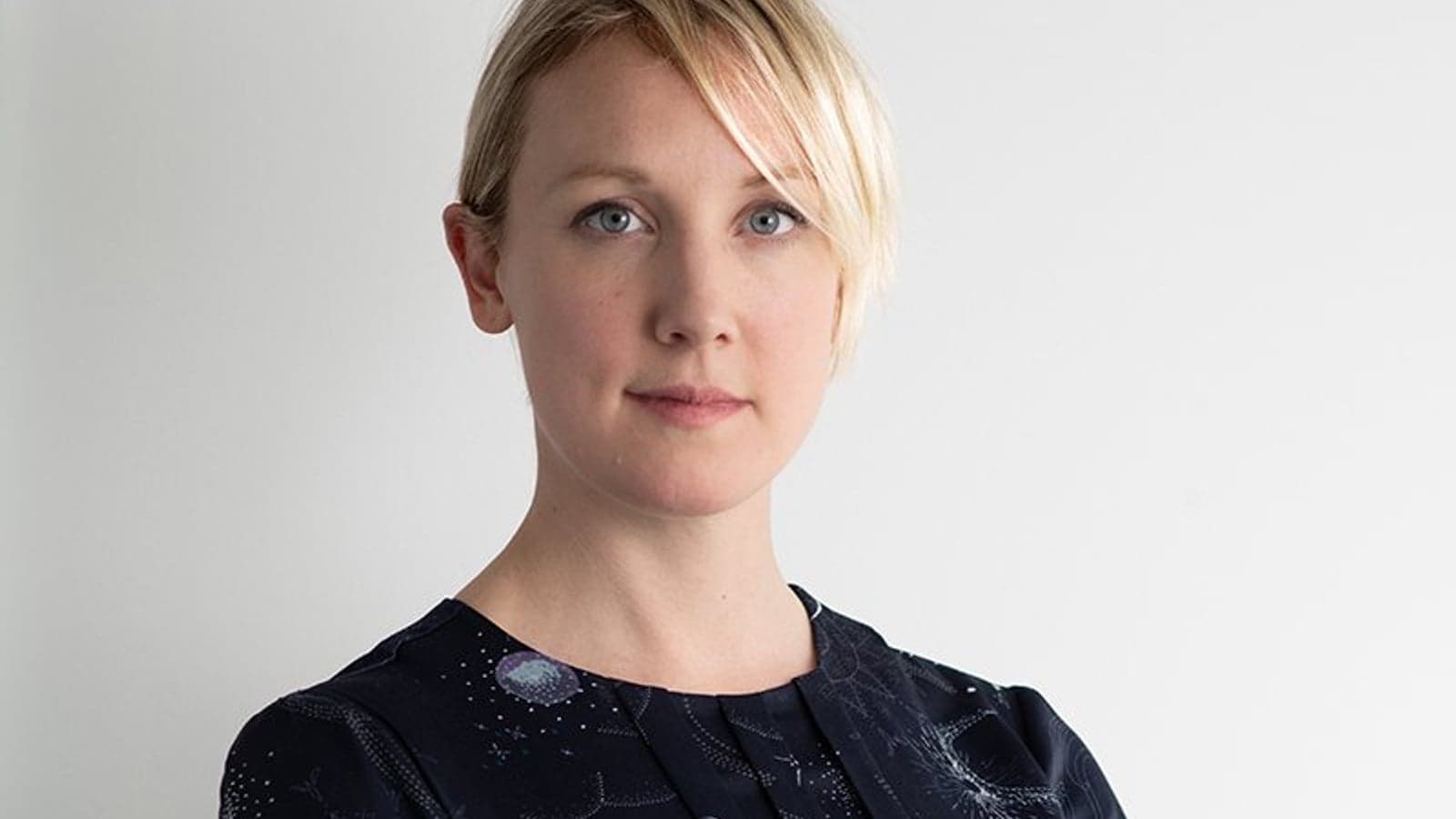
Emma Pinchbeck: 'We need an energy workforce that looks like the population we serve'
Kelvin Ross
Posted on: 24 November 2023
The chief executive of EnergyUK tells Kelvin Ross why the energy workforce needs to move away from being "80% white and male"
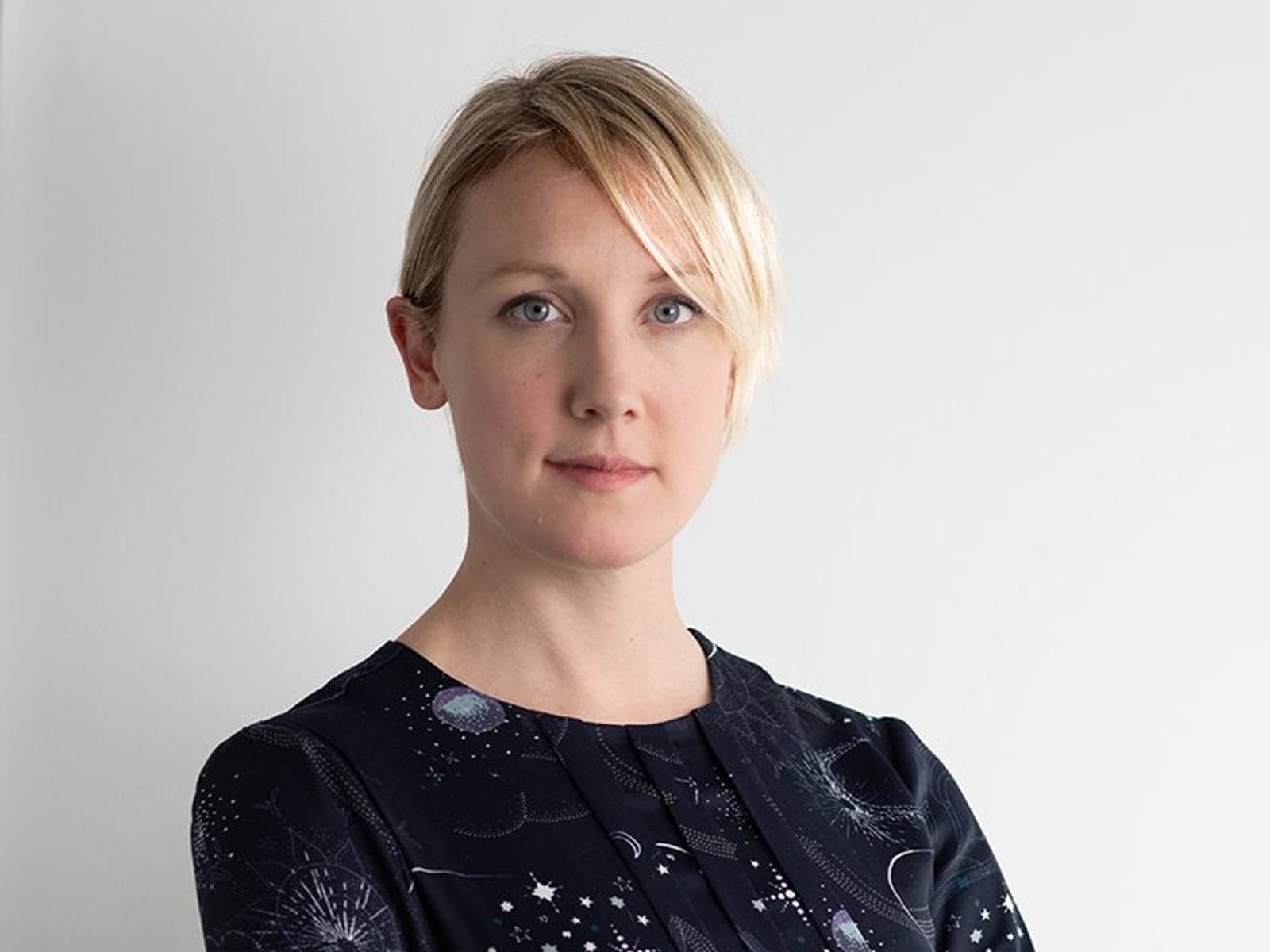
The chief executive of EnergyUK tells Kelvin Ross why the energy workforce needs to move away from being "80% white and male".
About four minutes into our interview, Emma Pinchbeck makes me an offer: “If you like, you can join my one-woman campaign to make energy efficiency sexy again.”
I’m about to accept, but she doesn’t wait for an answer: she’s already launched into a detailed dissection of the energy efficiency debate in the UK.
Energy efficiency is a passion for Pinchbeck — one of many passions which are all driven by the same mission. “I get out of bed in the morning to do something about climate change,” she says.
“And I’ve come to work for the private sector because that is where the money, the innovation, the ideas and speed is. We are going faster in the private sector than the government is moving. That’s why I’m in this job.”
That job is chief executive of Energy UK, the trade association for Britain’s energy industry. She’s been in the post for more than three years, and in that time energy has rocketed up the news agenda. Which for Pinchbeck means there has never been a better — nor more important — time to be working in energy.
“For me, it’s mission-led. If you are worried about the geopolitics of the world that you are growing up in; if you want something more stable and secure; if you think that it’s a problem that we are held hostage by oil-producing nations — some of them hostile to us — then come and work on the energy transition.”
She adds that “there is no social or economic problem that does not have an energy component”. “There’s been no point in human history where energy consumption and production hasn’t been at the heart of the state of society and the economy.
“We can talk about net zero and climate change as an abstract thing, but it is also about all these other things. I love that intellectually and I love it morally.”
I have no doubt that it’s this mission-led passion that prompted EnergyUK to hire her, and that passion started with a lightbulb moment.
She studied Classics at Oxford University — she was the first in her family to go to university — and was training to work in financial services when she saw David Attenborough’s BBC television series Frozen Planet.
It was her energy epiphany. She quit the training course and went to work for a start-up energy consultancy, which was a springboard to her landing her dream job at the WWF (World Wildlife Fund) in the UK, where she eventually became Head of Climate Change.
Have you read?
How improving energy efficiency of electrical machines is key to the energy transition
Is the energy transition in stall mode?
Then she moved to be Deputy CEO of Renewable UK. And from there she took the helm at EnergyUK, which, seeing the direction of travel of the energy transition, clearly wanted on board someone who genuinely ‘walked the talk’ of tackling a net zero future.
A greener system
Sitting in a room in Brussels after moderating a panel discussion at an energy conference, Pinchbeck says: “Long story short — my career is about decarbonisation. But I wouldn’t do it if I didn’t think the system we were building wasn’t going to be better for my children than it is for me.
“And you can see that a greener system is also going to be one with lower bills, better services and better technology.”
We’ll get into exactly what that ‘system building’ looks like in the UK later, but first let’s return to her ‘one-woman campaign to make energy efficiency sexy again’.
I’m not sure energy efficiency has ever been sexy, but what she means is that it remains too low on the political — and often industry —agendas. The reason for this, she believes, is that much of energy efficiency is about the art of doing nothing: it’s that well-worn saying that ‘the best energy is the energy you don’t use’.
“The politics of not doing a particular thing is much less politics-friendly than being able to stand wearing a hard hat next to something that you’ve built. Building a power station is a more interesting thing to do. “Energy efficiency is much broader than many people think. I believe there’s a much richer conversation starting to happen, both in the UK and in Europe, about energy efficiency… but it’s still way behind.”
"There is no social or economic problem that does not have an energy component. I love that intellectually and I love it morally."
Energy efficiency
Pinchbeck says that for her, energy efficiency “is really important for fuel poverty reduction, carbon emissions reduction and energy security for the UK as a whole, and each of the things you need to do in those boxes is different”.
“It might be that you need to deploy insulation in buildings, but it might be that you need everyone to have a heat pump because electrification is efficiency.
"So, if you are looking at energy demand across the economy, electrification might be the way to go. “But trying to get an official’s brain around the idea that it’s a swop-out of one heat technology for another kind of heat technology because that is demand reduction, is massive.”
Let’s return to what she called “the system we are building.” Given her background, it’s no surprise that Pinchbeck is a strong advocate of clean energy, so I wonder where she sees the challenges and opportunities for renewables in the UK and beyond.
“The big crunch for the renewable sector isn’t really about costs for the next decade,” she says.
“It’s about who can get the supply chain; who can get the jobs; who can get the kit in-country; who can get their policy framework right. It’s the planning and it’s the grid too. It’s what I call the ‘crunchy stuff’ – it’s physical rather than about the market and the money.”
However, she stresses that “the Inflation Reduction Act has changed everything”.
The clean energy legislation introduced a year ago in the US has put Europe on the back foot, and therefore she says the UK needs “a response to the inflation Reduction Act and to the European moves to free-up state aid to invest directly in manufacturing.”
She believes that British competition globally is now “a planned economy in China and a US government which is much more protectionist and interventionist than it has ever been.
That feels to me like the political response that we need too. “And for the industry, I think we are very keen to talk about what we could change to get that supply chain in the UK.
“We need a big transformative moment in response to the Inflation Reduction Act.”
"I was hired to be different, and they have given me the rope to do it. They have let me do the job in a very different way."
People skills
Many energy executives talk about the energy transition in broad brush strokes and with far horizons: Pinchbeck brings it back to people. “For me, it’s about workers. It’s about a just transition. How do we make sure that we capture the skills and experience of workers in the oil and gas sector for other bits of the industry, whether that’s retraining or as simple as recertification of skills.”
As an example, she says: “You need a different set of certificates to marine dive on an offshore wind farm than you do on an oil and gas rig: same people, same skills, different environments and a whole set of different certification requirements that can cost you tens of thousands of pounds.
“That’s a very difficult message to anyone that works in oil and gas.” She says the industry has “talked about jobs in the abstract for a long time. My biggest question is: do our projections for 400,000 or so new energy jobs in the UK match the existing jobs in oil and gas or in other traditional energy sectors? “Are we spending enough time talking to the people who already exist in the energy sector about how to transition to new industries?
Are we having conversations about how to invest in communities, so that they don’t get left behind? “That’s way above my paygrade — that’s a job for government. But I do think it’s necessary to get to the next level down of the jobs debate and start talking to real people about their real needs, as the transition goes forward.”
There’s one set of workers Pinchbeck wants to highlight, because she feels they are being completely overlooked. “The most interesting set of workers in the UK energy sector right now are the 300,000 or so heating engineers who need to install heat pumps.
“There is a much bigger, more immediate transition for them coming than there is for oil and gas workers, where the change will be slower.
“Under current UK government policy, we’re talking about installing hundreds of thousands of heat pumps over the next couple of decades and nowhere near enough thought is being given to that sector.”
Different voices
We move on to talk about the next generation of energy workers, and here Pinchbeck says the sector needs to take a long look at itself in the mirror. “We need a workforce that looks like the population we serve. Does the energy sector currently look like the population we serve? No: the sector is still 80%-plus white and male.
"My career is about decarbonisation, but I wouldn’t do it if I didn’t think the system we were building wasn’t going to be better for my children than it is for me."
“Energy is an essential service, and the net zero transition is the biggest economic shift in 100 years.
“We are rebuilding our entire economy. Infrastructure is designed by the people in the room and we need other voices in the room. I would really like to have other voices in the room to properly understand what energy means to a bigger group of people.”
Until those voices get into that room, Pinchbeck is prepared to speak up for greater diversity and equality, not only because she practises it, but because she has been on the receiving end of it. “My board at EnergyUK hired a woman who had a three week-old baby.
"Before the pandemic they had already agreed to me working flexibly — they hadn’t done that before and they were a bit sceptical about how a chief executive could work part-time in the office. And they backed me without question through my second pregnancy.
“I was hired to be different, and they have given me the rope to do it. They have let me do the job in a very different way.”
Gender equality
She wants to see the energy sector step up and do its job on gender equality in a better way too and has a checklist of how it could do this.
“We could be more modern, we could be more flexible, we could pay women better, we could have more women in senior positions.
“We could do much better mentoring and talent identification, we could accept people into the industry without degrees, and we could have more neutral recruiting practices.
“We could stop worrying about seniority and start worrying about who’s got the good ideas.
We could do much more outreach with schools. “And we could present the sector in a much more interesting way. There’s got to be a more human face to what we are doing.”
Pinchbeck is one of the more ‘human’ energy CEOs that I’ve interviewed, and her passion for her job, her industry and its workers is evident.
Yet I ask her to sum up why someone should choose to work in the industry. “Because on its best days, it’s future-facing: we are trying to solve the big problems of our generation. I have genuinely met good people trying to do the right thing. And what a time it is to be in this job."