Heat or eat: Rising energy poverty in Europe
Guest/partner contributor
Posted on: 22 November 2022
Marine Cornelis - Founder of Next Energy Consumer - examines rising energy poverty in Europe – and what consumers can do about it.
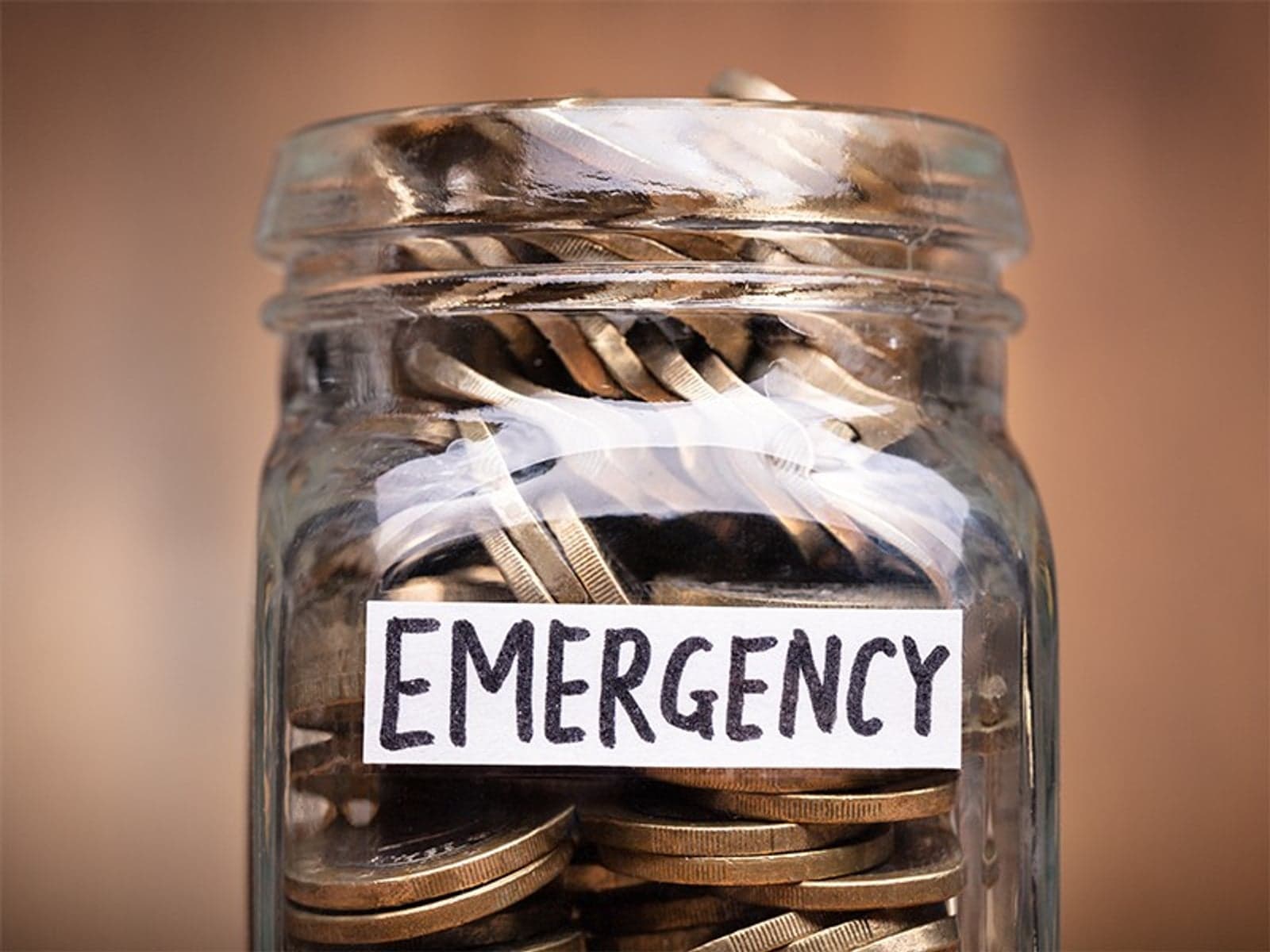
Marine Cornelis examines rising energy poverty in Europe – and what consumers can do about it.
How can households be sustainably protected against rising energy prices and lifted out of energy poverty? Energy poverty already has dramatic social and health consequences for 50 to 125 million Europeans.
Due to the gas and electricity price crisis and soaring inflation, many more people might feel the cold and must make terrible trade-offs, such as having to choose between buying schoolbooks and clothes or feeding their kids.
In the UK, one-fourth of the respondents to a survey said they were planning to purchase food rather than heat their homes over the winter months.
Energy poverty is often summarised as a trade-off between ‘eating and heating’, with winter generally being the time when household consumption is at its highest.
It is understood as the inability of a household to meet its energy needs for a series of reasons: the main ones being low incomes, high energy prices, and the poor energy performance of the housing.
A dwelling of poor energy quality will use more energy to reach an acceptable temperature. Still, the home will remain dreadfully cold if the necessary energy is too expensive for the household.
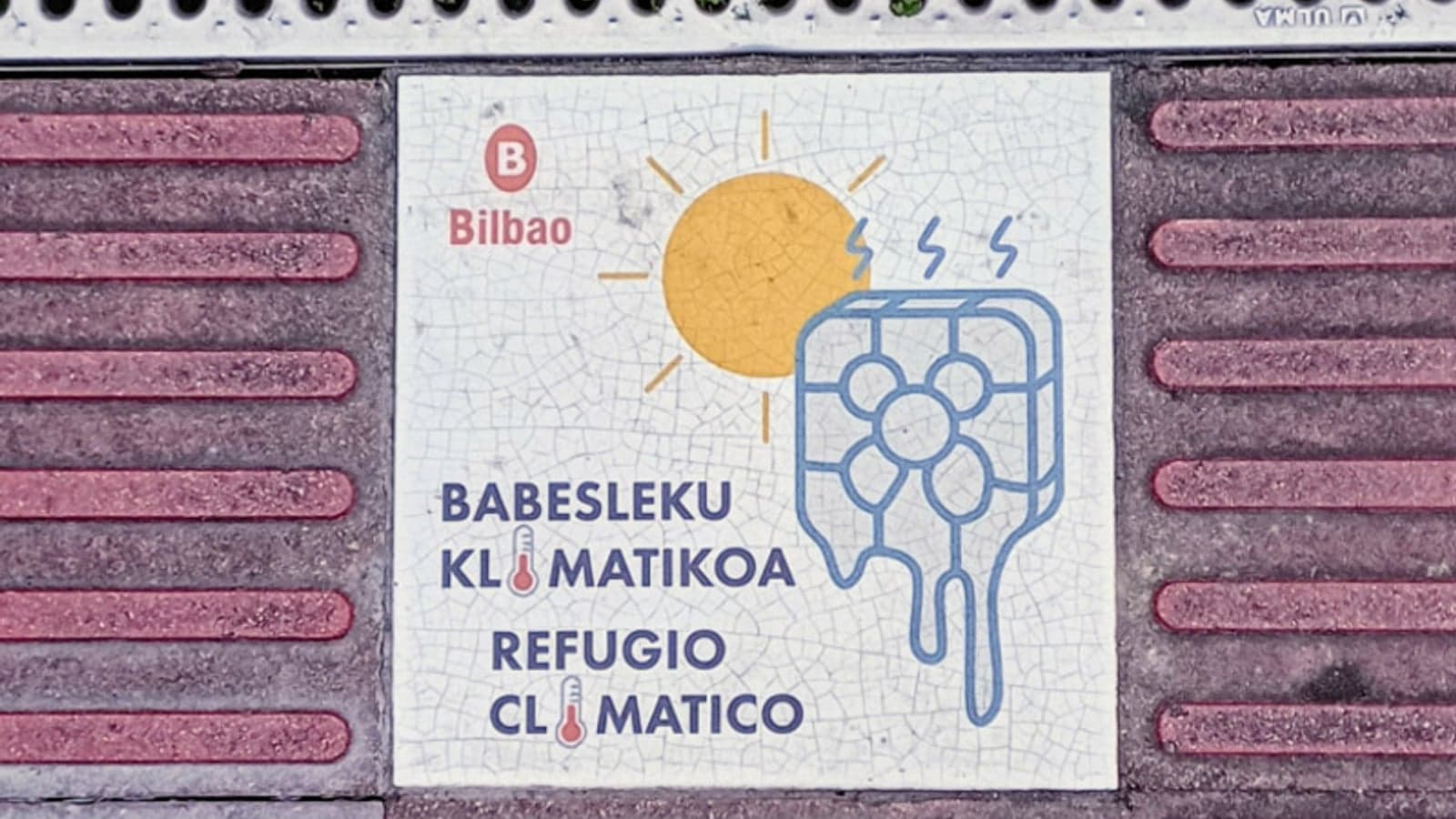
But a cold house and the ‘eating and heating’ trade-off are only a few symptoms of energy poverty. Increasingly, activists sound the alarm about the risks of homes that stay too hot in summer.
Also of interest:
Energy poverty is a multifaceted global problem: It’s time to involve all stakeholders across all regions
Fit for purpose means fair by design
Inflation and the energy prices crisis make it even more urgent to address this phenomenon promptly and structurally.
Political actors, businesses and civil society have developed many complementary strategies, focusing on affordability and demand moderation. What are those strategies? How do they fit together?
If energy poverty, and overall the question of affordability of energy prices, are now at the top of every politician’s agenda, the topic has been neglected for a long time.
The European Commission took up the issue after a decade of pressure from researchers and civil society organisations.
Consensus on the importance of tackling this structural phenomenon started thanks to the ‘Clean Energy for All Europeans’ legislative framework, adopted in 2019.
Previously, some States overlooked the issue because they considered it a social challenge. In many cases, the support measures only concerned aid for bill payments and not more structural actions to improve energy efficiency.
The EU Member States must now monitor the number of people affected and specifically describe structural or ad hoc measures – such as targeted retrofitting programmes or special tariffs for specific categories of vulnerable consumers.
Climate, health, economic and geopolitical events have been pushing governments to do more. Hence, under Ursula von der Leyen, the European Commission has increased policy ambitions.
For example, the Yellow Vests movement in France has demonstrated the need for a socially just and inclusive response to the climate transition.
The COVID-19 pandemic and successive lockdowns reminded us of the importance of electricity for domestic comfort.
As a direct result, many States have abandoned the practice of suspending supply in the event of non-payment.
Three-quarters of the EU’s housing stock is energy inefficient.
Post-pandemic economic recovery measures have been focusing on social and environmental sustainability to make Europe the leader in carbon neutrality.
One of the EU’s flagship programmes is the Renovation Wave, published in 2020, and its Recommendation to Member States on addressing energy poverty.
These documents aim to foster the involvement of stakeholders, starting with national political forces, energy and construction companies, banks and (social) organisations working on the ground.
The Commission has also tabled the Fit-for-55 legislative package to achieve these ambitions. It includes targeted energy efficiency measures for vulnerable households and those in energy poverty.
The Commission has included the first official (incomplete) definition of energy poverty (Article 2 (49)) and has proposed to broaden the understanding of ‘vulnerability’ to be more inclusive of systemic discrimination.
For example, systemic discrimination such as “sex, gender, age, disability, race or ethnic origin, sexual orientation, religion or belief” may aggravate vulnerability.
Why? Because the people who face systemic discrimination are also less likely to have a full-time, protective permanent job contract with a decent income; or live in high-quality housing in an area well served by affordable public transport.
They are also less likely to make use of the rights offered to them. Vulnerable people are often hard to reach and easy to overlook, as social services are already overwhelmed with requests.
The Commission has proposed a Social Climate Fund as a new funding alley. It would orient some of the carbon trading scheme (ETS) funds towards energy efficiency actions for households under challenging circumstances.
An equivalent measure has proven successful in France since 2015. The revision of the Energy Performance of Buildings Directive makes it possible to envisage minimum energy performance standards (MEPS), such as those also adopted in France to address ‘leaky homes’.
In the past year, the Commission has also shared a series of emergency measures to tackle high prices, and will present additional measures in the fall of 2022.
Also of interest:
Energy communities in Europe – opportunity to increase system efficiency
Energy communities are the missing piece of Europe’s transition puzzle
The energy crisis hitting the EU since 2021, caused, in particular, by Europe’s overdependence on Russian hydrocarbons, confirms the importance of structural responses impacting affordability and demand reduction. Comprehensive actions on energy efficiency improvements in housing and investment in renewable energy are good for the planet, the people and the security of supply.
There is no doubt that the EU energy policy imperatives of affordability, security of supply and sustainability match the longterm climate goals. Civil society and the private sector have not been waiting for EU policies to kick in to get involved, boost awareness and affordability, and manage demand. Energy-efficient renovations may look spectacular when they are linked to facade remodelling operations.
Meanwhile, the EU building stock remains responsible for about 40% of the EU’s total energy consumption and 36% of its greenhouse gas emissions. Three-quarters of the EU’s housing stock is energy inefficient: homes are too cold in winter and too hot in summer.
On average, less than 1% of the national housing stock is renovated yearly. This is extremely problematic, as more energy efficient housing means lower energy consumption.
With the current surge in energy prices and the security of supply concern, massive improvements in the energy efficiency of dwellings to reduce energy demand have become priority.
Many initiatives, programmes and measures exist, and a lot have been included in the European Commission’s Energy Poverty Advisory Hub’s Atlas.
Those measures are often embedded in their local communities – as social structures, climate, and architectural characteristics of a place can significantly influence the energy poverty levels and ways to tackle them.
Many companies are also taking a public pledge against energy poverty. They understand that addressing energy poverty is a way to build trust and demonstrate leadership.
For example, EDF in France has decided to implement a complete ban on disconnections; and E.ON in Germany is becoming a pivotal actor in implementing energy efficiency programmes.
Many businesses are working with charities to reduce energy demand. For example, in France, the non-profit Réseau Eco-Habitat has been working in partnership with private donors to help vulnerable homeowners to access finance and grants. It also mobilises service providers to carry out thorough energy renovations.
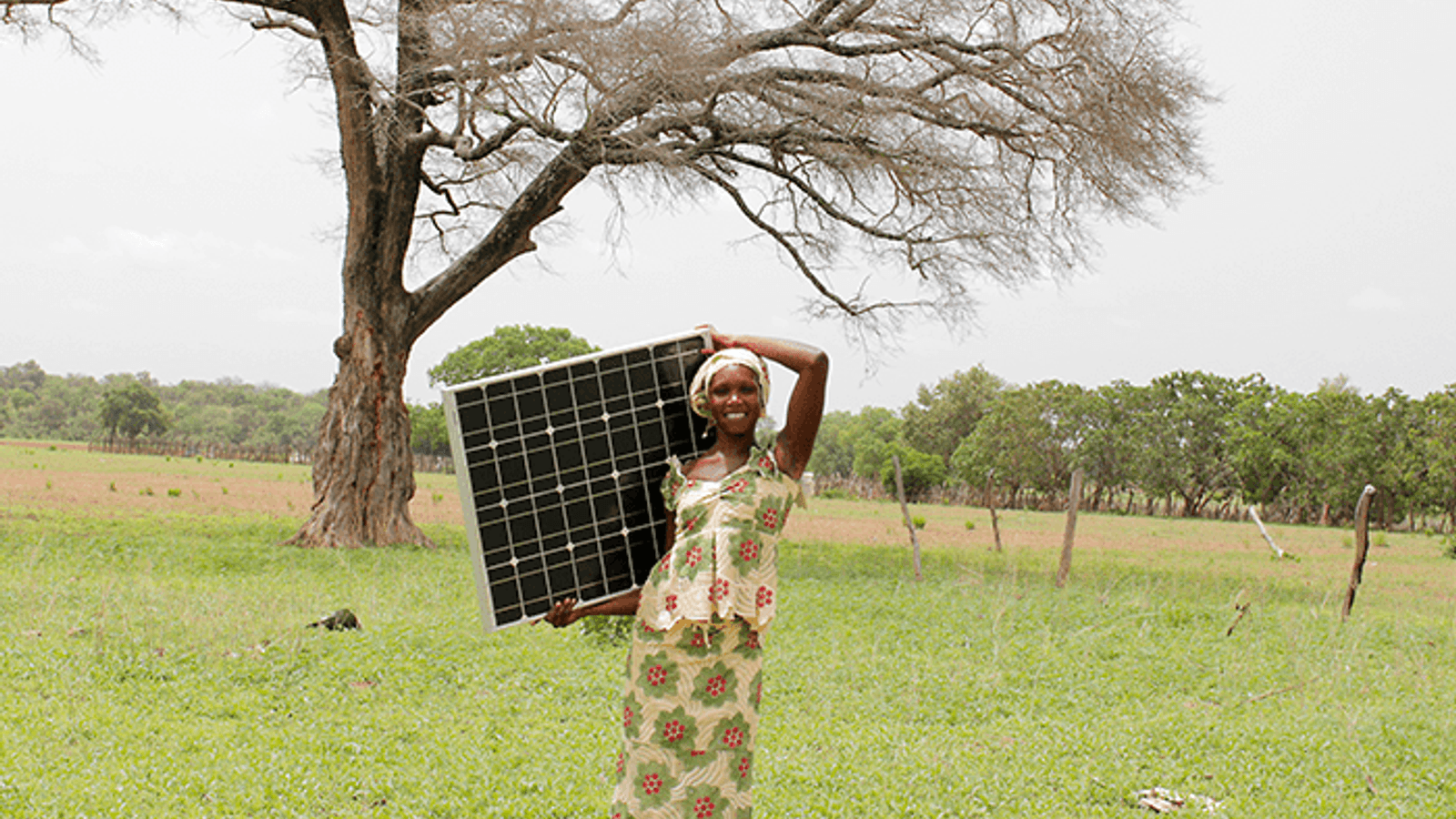
In Italy, ENEL has been working with Legambiente, an environmental NGO, to bring balcony solar panels to vulnerable households. They consider that it has the potential to cut household utility bills by 25% over 20 years. Self-consumption through community models are also a great way to bring positive impacts at the environmental and social levels.
Energy communities enable direct participation of the citizens in the decision making required for project implementation and governance processes – and many businesses deliver tailored solutions to take those projects off the ground.
Energy poverty is a major issue, and all stakeholders in the energy sector have a contribution to make. However, it could become even more dramatic in the coming months if policymakers fail to acknowledge that vulnerable and energy-poor consumers are hard to reach and also easy to avoid.
It is, therefore, more important than ever to boost the ecosystems that can help them by empowering frontline workers – volunteers in charities and food banks, social workers, ombudsmen, or people working in the customer services of energy companies.
They are instrumental in recognising the different sources of vulnerability and directing the most vulnerable to the solutions that are likely to suit them.
There is no time to lose to raise awareness among consumer and business associations, energy transition workers and the media about existing solutions to save energy.
Marine Cornelis is speaking at Enlit Europe in Frankfurt (29 Nov - 01 Dec)
Register for the event to attend her sessions about energy communities and more.
ABOUT THE AUTHOR

Marine Cornelis is the Founder of Next Energy Consumer, a policy consultancy focused on the social aspects of energy transitions.
Her work focuses on energy consumer rights, the role of citizens in the energy markets development, energy poverty and people in vulnerable circumstances.
Her work and commitment enabled Marine to be appointed one of the first ambassadors of the European Climate Pact in 2020.
Latest content
+4
The cost of keeping warm: Delivering a just clean heat and cooling transition for European citizens
How the Emissions Trading System 2 (ETS2) raises funds for member states to invest in modernising their energy systems, offering a lifeline to millions of European citizens struggling to pay their energy bills, is explained by Delia Villagrasa, director the Cool Heating Coalition, and Beatriz Yordi, Director Carbon Markets and Clean Mobility, DG CLIMA, European Commission.
- Guest/partner contributor
- 15/07/2025