Home
/
Battery storage safety: navigating the path to a secure and sustainable energy transition
Battery storage safety: navigating the path to a secure and sustainable energy transition
Guest/partner contributor
Posted on: 29 July 2025
Battery energy storage systems (BESS) are no longer just an innovative addition to Europe’s energy landscape—they are now essential.
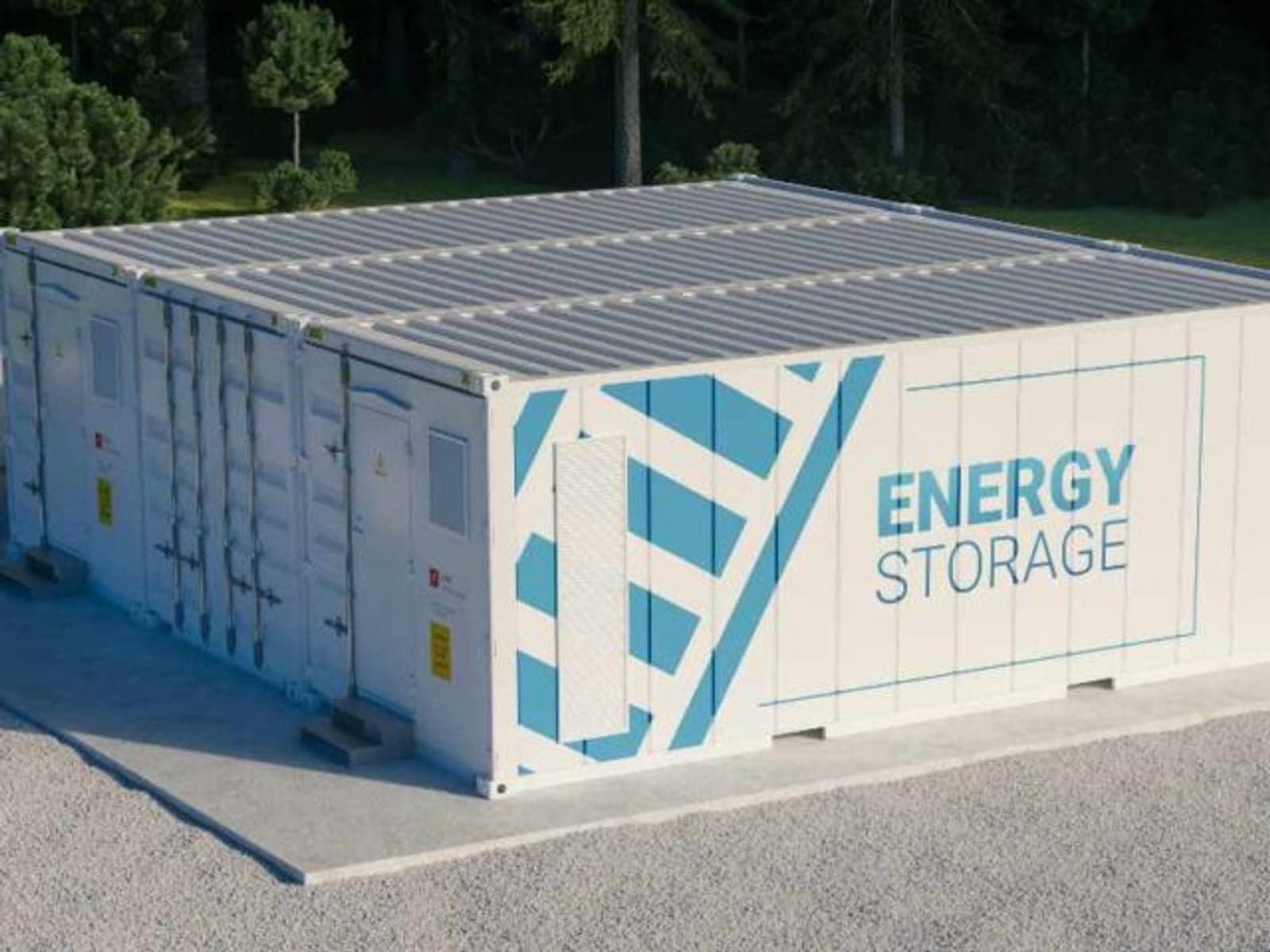
Battery energy storage systems (BESS) are no longer just an innovative addition to Europe’s energy landscape—they are now essential, writes Carolina Cruz of EASE.
As renewable energy capacity grows, BESS facilitate the integration of variable power sources like solar and wind, helping to stabilise the grid and promote energy security.
Recent fire incidents have made one thing evident: the speed at which we scale BESS must be matched by a firm commitment to safety. That’s why the European Association for Storage of Energy (EASE) developed the new Guidelines on Safety Best Practices for Battery Energy Storage Systems. These guidelines aim to support the sector in navigating complex technical, regulatory, and operational risks while preserving momentum in the energy transition.
Europe is moving fast. In 2024 alone, the continent reached 35GW of cumulative electrochemical storage capacity—an important milestone reflecting the scale and urgency of the task ahead. However, this rapid expansion brings new risks.
The Batteries Regulation (EU) 2023/1542 establishes clear safety expectations for BESS, but translating these into practice remains challenging. Developers and manufacturers often find themselves uncertain about how to align evolving technologies with regulatory requirements.
A harmonised EU safety standard is expected from CENELEC by late 2026, but the industry needs guidance now. This is where the EASE Guidelines come in: they provide a practical framework to bridge current regulatory gaps and support safer deployment across different contexts and countries.
Also of interest:
Powering the transition: Why hybrid energy storage is the backbone of a resilient energy system
Hydrostor’s long duration energy storage technology
The EASE Guidelines address this gap by consolidating best practices and providing a clear framework for developers, manufacturers, regulators, and emergency responders. They focus on product safety, site safety, and personnel safety, ensuring that every aspect of BESS deployment is covered.
One of the key strengths of the Guidelines is their inclusive development process. They were created with input from EASE member organisations, large-scale fire testing experts, research institutes, and national associations – ensuring they reflect both scientific rigour and on-the-ground realities. The result is a set of recommendations that can be applied across the full project lifecycle—from product design to site planning and emergency response.
The sector is constantly evolving, and so are the standards that underpin it. The recent release of the fifth edition of UL 9540A in April is a prime example. This latest update provides more detailed criteria for evaluating thermal runaway propagation, a critical factor in understanding fire risk at system level.
Meanwhile, CSA C800-2025 introduces another important benchmark for assessing durability under extreme stress conditions. These developments show that safety guidance must remain flexible and up to date. That’s why the EASE Guidelines will continue to evolve in alongside technological progress and international best practices.
Real-world events have also shaped the content of the Guidelines. One recurring issue in fire incidents is the response strategy. In several cases, first responders opened BESS containers while a thermal runaway event was ongoing—a decision that can dramatically increase the risk of explosion and fire propagation. The Guidelines clearly advise against this. Once thermal runaway has initiated within a battery cell, the priority should be containment and external suppression of the fire. This kind of recommendation, grounded in real data and large-scale fire testing, can help emergency teams make safer decisions under pressure.
Still, while safety must be taken seriously, it should not come at the cost of innovation. EASE strongly believes that innovation and safety are not mutually exclusive. The Guidelines promote a performance-based approach, meaning that any technology or strategy can be used, provided it meets safety objectives through validated testing. This kind of flexibility is critical as the sector continues to evolve.
Ultimately, these Guidelines are more than a set of technical recommendations. They are a call for the energy storage industry to act with collective responsibility. Public trust in BESS depends on transparent practices, sound design, and robust emergency preparedness. As deployment accelerates, so must our efforts to embed safety at the heart of every project.
EASE encourages national associations, policymakers, and developers to endorse and implement the Guidelines. Doing so will not only raise the bar across Europe—it will also support global efforts to make energy storage safer, smarter, and more sustainable.
Because in the end, safety is not a secondary consideration. It is foundational to the credibility, resilience, and success of the energy transition.
Enlit Europe, 18 to 20 November in Bilbao, Spain, will be hosting a BESS Safety Issues session on day three, led by EASE.
About the author:

Carolina Cruz is a junior policy officer at the European Association for Storage of Energy (EASE). She focuses on EU policy developments related to safety and long-duration energy storage, contributing to regulatory analysis, advocacy, and stakeholder engagement.
Related tags
Latest content
+2
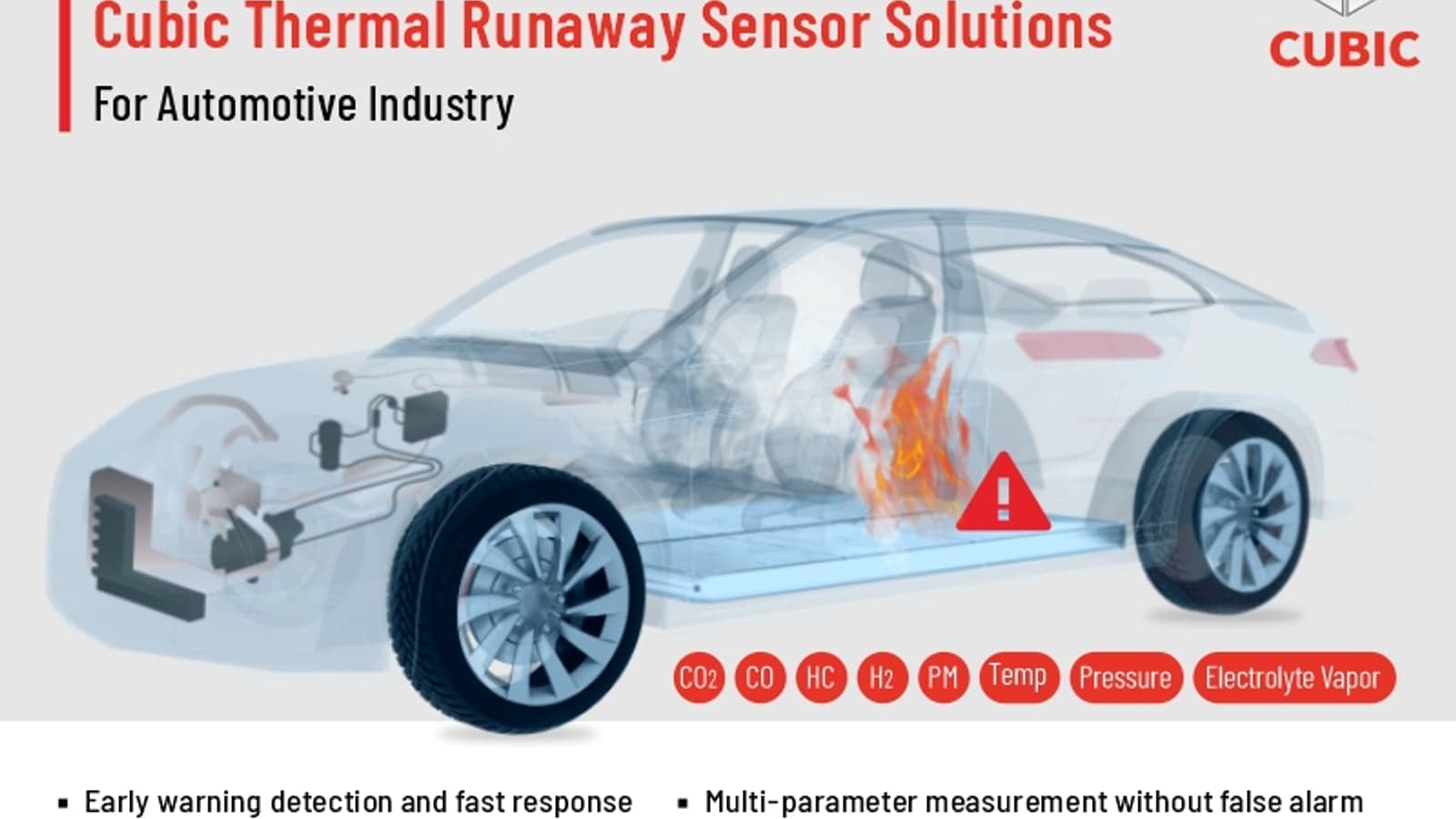
Cubic thermal runaway sensor solutions for automotive industry
Nowadays, the widespread adoption of electric vehicles (EVs) has brought about an increased focus on automotive safety, particularly concerning thermal runaway, a potential risk leading to fires or even explosions.
- Guest/partner contributor
- 12/12/2024