Home
/
Powering the transition: Why hybrid energy storage is the backbone of a resilient energy system
Powering the transition: Why hybrid energy storage is the backbone of a resilient energy system
Guest/partner contributor
Posted on: 11 July 2025
As Europe accelerates towards a carbon-neutral future, energy storage is no longer a supporting player, it is the backbone of the energy transition.
As Europe accelerates towards a carbon-neutral future, energy storage is no longer a supporting player, it is the backbone of the energy transition.
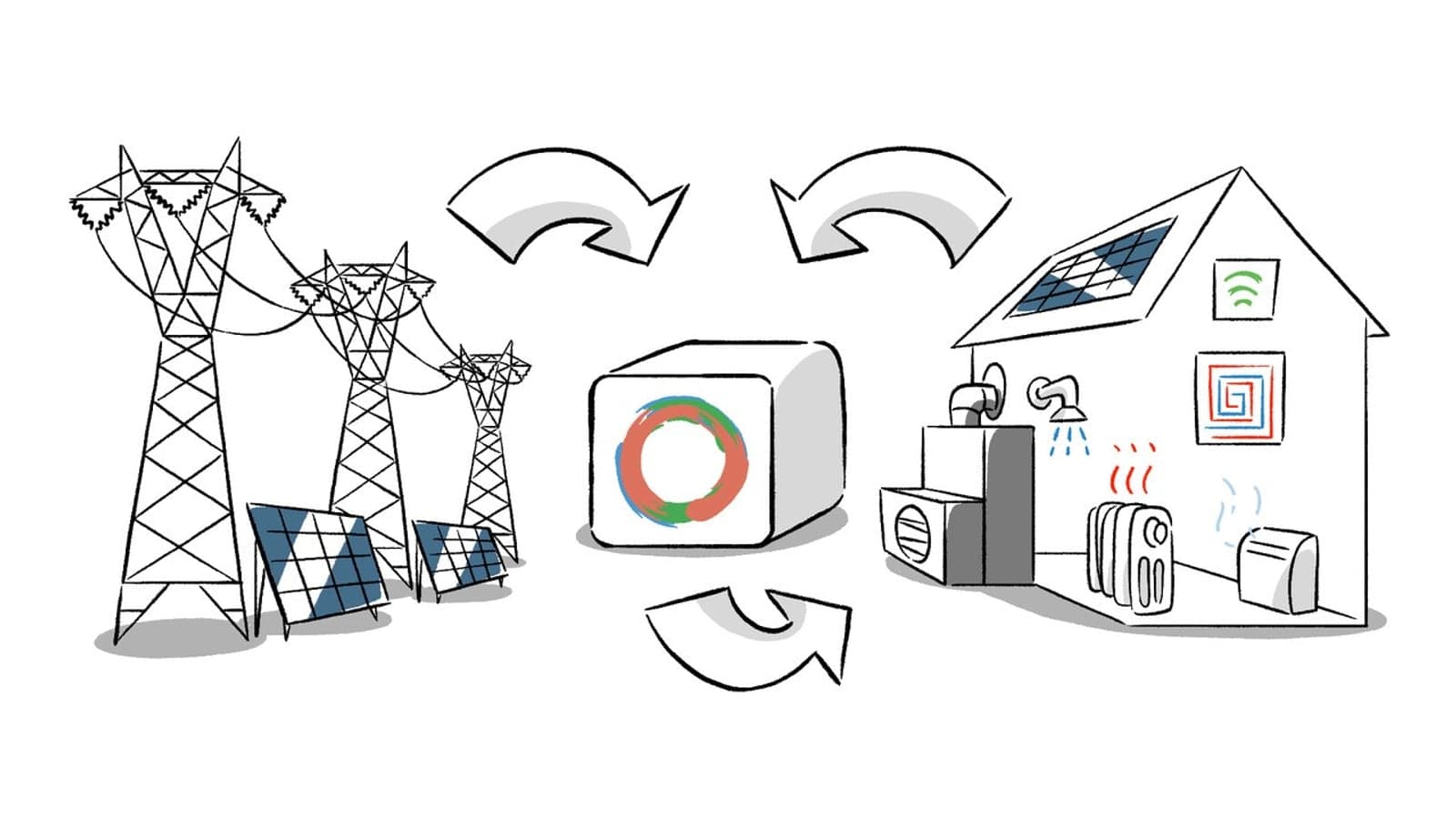
The integration of variable renewable energy sources, increasing decentralisation and rising electrification demand a level of flexibility, efficiency and resilience that no single technology can deliver alone. This is where hybrid energy storage systems (HESS) come into play.
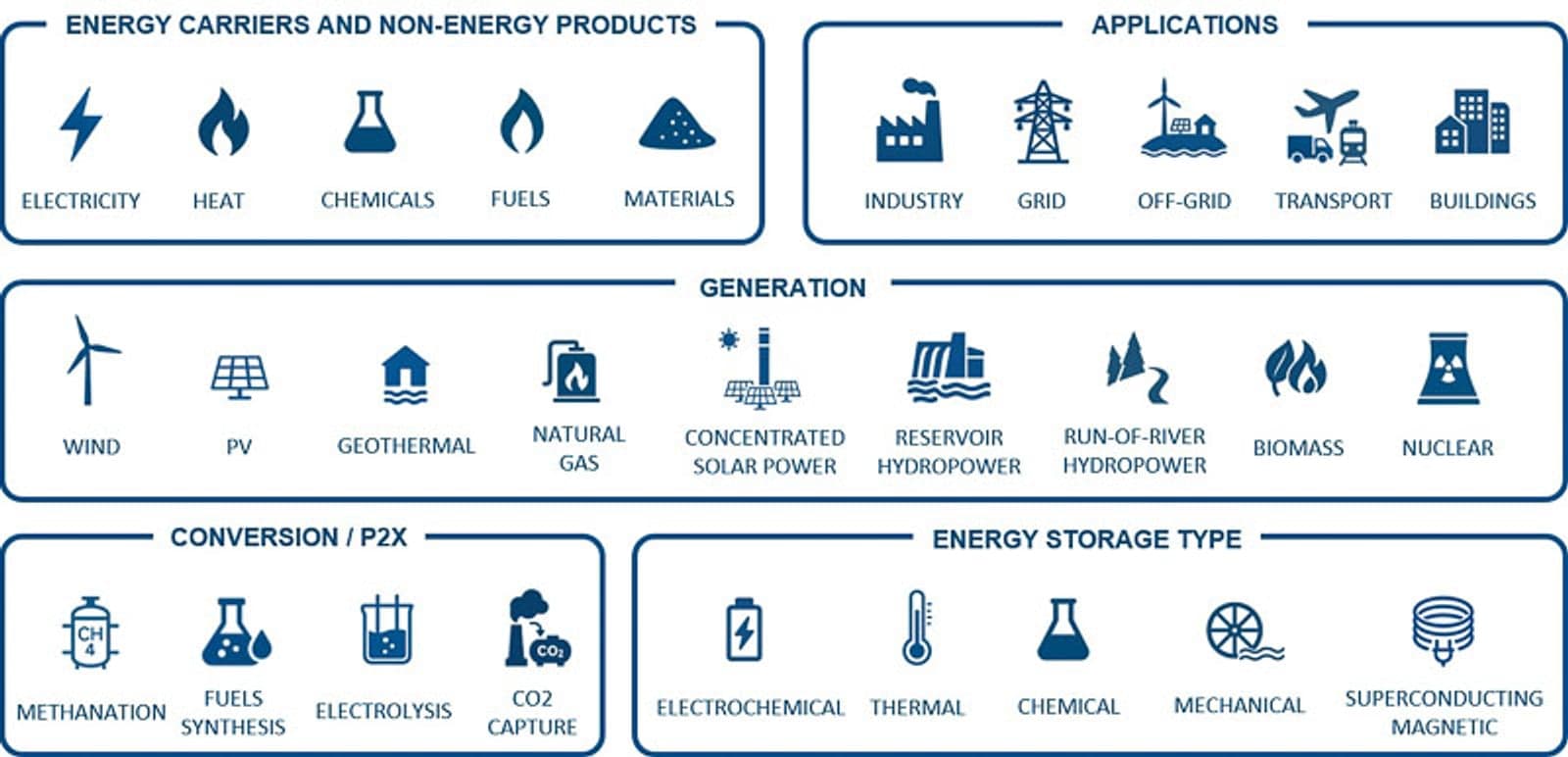
Hybrid systems combine two or more energy storage technologies, such as batteries and supercapacitors, thermal storage, pumped hydro and compressed air, hydrogen and other chemical storage media, or flywheels to leverage their complementary strengths. This combination allows for multi-service capability, such as fast frequency response, long duration load shifting, backup power, peak shaving and integration of seasonal energy resources.
The result is a storage solution that is smarter, more adaptable, and increasingly essential to a renewable-dominated energy landscape.
A single system for a multi-vector future
One of the most compelling arguments for hybridisation is its ability to support the multi-vector evolution of Europe’s energy system. In the near future, energy carriers, including electricity, heat and green fuels, will need to work in tandem within a decentralised architecture.
HESS plays a key role by enabling the integration and optimisation of multiple energy forms within a single system, supporting a broader transformation across five priority areas.
1. Industrial power systems
Hybrid systems are especially valuable for industrial applications requiring high temperature heat, process efficiency and grid stability. By combining thermal storage with batteries or chemical storage, e.g. hydrogen, industries can reduce peak demand, improve self-sufficiency and decarbonise process heat.
2. Grid support and resilience
Electric grids face growing challenges in maintaining frequency, voltage and inertia amid rising shares of renewables. Hybrid storage offers time-differentiated services: batteries deliver instant response while thermal or mechanical systems provide bulk shifting, allowing grid operators to defer costly infrastructure upgrades.
3. Energy islands and off-grid systems
In remote or insular contexts, hybrid microgrids integrate local generation, e.g. solar PV, wind, with diverse storage technologies, creating autonomous and resilient systems. Pairing electrochemical storage, i.e. batteries and supercapacitors, chemical storage including gaseous, liquid and solid sustainable fuels and thermal storage ensures 24/7 availability without reliance on fossil-based backup.
4. Electrification of transport
As electric mobility expands beyond cars into rail, shipping and aviation, HESS can deliver tailored solutions. For instance, supercapacitors combined with lithium-ion batteries allow rapid charging and discharging for heavy transport, while hydrogen-based storage supports long-haul routes and marine applications.
5. Smart buildings and district energy
In buildings, hybrid storage enables dynamic load management. Batteries handle short-term fluctuations, while thermal storage, e.g. water tanks or phase-change materials, stores heat or cold to smooth energy demand, enhance efficiency and reduce grid dependency.
An opportunity for a competitive advantage for European industry
Hybrid energy storage can contribute to Europe’s industrial competitiveness. As highlighted in the Draghi Report on EU competitiveness, accelerating investment in clean technologies is essential to reduce external dependencies and maintain a strong industrial base.
Hybrid storage, where multiple technologies are integrated to deliver flexible energy services, represents a growing area of expertise in which European companies can build leadership, particularly as policy frameworks increasingly support local innovation and manufacturing.
Hybrid energy storage draws on a broad range of sectors, from materials science and power electronics to grid software and systems integration, creating opportunities for innovation and skilled employment. With policy support through initiatives like the Clean Industrial Deal and the Net-Zero Industry Act, Europe has the potential to strengthen its position in this emerging field and translate technological progress into industrial value.
Why now? Timing and impact
The urgency of integrating energy storage systems stems from the growing mismatch between renewable generation patterns and real-time demand. As renewables are expected to supply over 50% of Europe’s electricity by 2030, their inherent variability increases the risk of grid instability and market inefficiency.
This challenge also has a security dimension: the 2025 blackout in the Iberian Peninsula, which left parts of Spain and Portugal without power for hours, underscored the need for more distributed and flexible storage solutions. While no storage system can fully eliminate grid risk, hybrid configurations can enhance resilience by combining technologies with complementary strengths, offering faster response, longer duration, and greater system flexibility across different time scales.
Furthermore, as Europe phases out Russian fossil fuel imports under the REPowerEU strategy, energy autonomy and storage capacity become geopolitical assets. In this regard, hybridisation maximises resource efficiency, for example, combining second-life batteries with flow technologies or coupling renewable production with green hydrogen, enabling smarter use of raw materials and infrastructure.
Addressing barriers through collaboration and innovation
Despite its promise, hybrid storage still faces technical and regulatory hurdles. These include interoperability, standardisation, lifecycle integration and financing models that accurately reflect the multi-service value of HESS. Ongoing R&D efforts are working to address these gaps, focusing on materials innovation, digitalisation, lifecycle analysis, and system integration.
Market design reform and the Clean Industrial Deal provide the policy and financial signals needed to unlock deployment at scale. Instruments like contracts for difference, capacity markets for flexibility, and fast-tracked permitting under the Net-Zero Industry Act create conditions for HESS to thrive.
Explore the path forward
To accelerate adoption, stakeholders across the energy value chain need a shared understanding of the opportunities and technical pathways for hybrid energy storage systems (HESS).
In support of this, the StoRIES project has developed two key resources: the Technology Roadmap for hybridisation of energy Storage, which examines current challenges, emerging applications and system integration strategies; and the Strategic Research and Innovation Agenda, which defines priority R&D areas, enabling policy frameworks, and funding mechanisms.
Together, these documents serve as practical guides for policymakers, industry leaders, and innovators working to scale hybrid energy storage and drive Europe’s energy transition forward.
About the authors

Spyridon Pantelis is project manager at the European Energy Research Alliance.

Ivan Matejak is Director SET Plan & Strategic Programming at the European Energy Research Alliance.

Stefano Passerini is a senior advisor at the Austrian Institute of Technology.

Myriam E. Gil Bardají is KIT/Coordinator of the EERA Joint Programme Energy Storage.

Roberto Scipioni is SINTEF Energy Research/Coordinator Sub-Programme of the EERA Joint Programme Energy Storage.