ECHO pioneering compact thermal energy storage for a greener Europe
Guest/partner contributor
Posted on: 3 November 2025
The ECHO project develops innovative modular thermal energy storage systems to support the EU’s net zero ambitions.
The European Union has set an ambitious goal: achieving a net zero greenhouse gas (GHG) emissions economy by 2050. Central to this transition is the ability to store energy efficiently, ensuring that renewable sources can meet fluctuating demand. While current energy storage markets focus primarily on electricity, this approach faces challenges in terms of cost, availability and environmental impact.
The ECHO project (Efficient Compact Modular Thermal Energy Storage System) addresses these challenges by developing next-generation thermal energy storage (TES) solutions. Funded under the Horizon Europe programme, ECHO aims to revolutionise how buildings store and use energy, making the green transition more accessible, affordable, and sustainable for all.
ECHO methodology
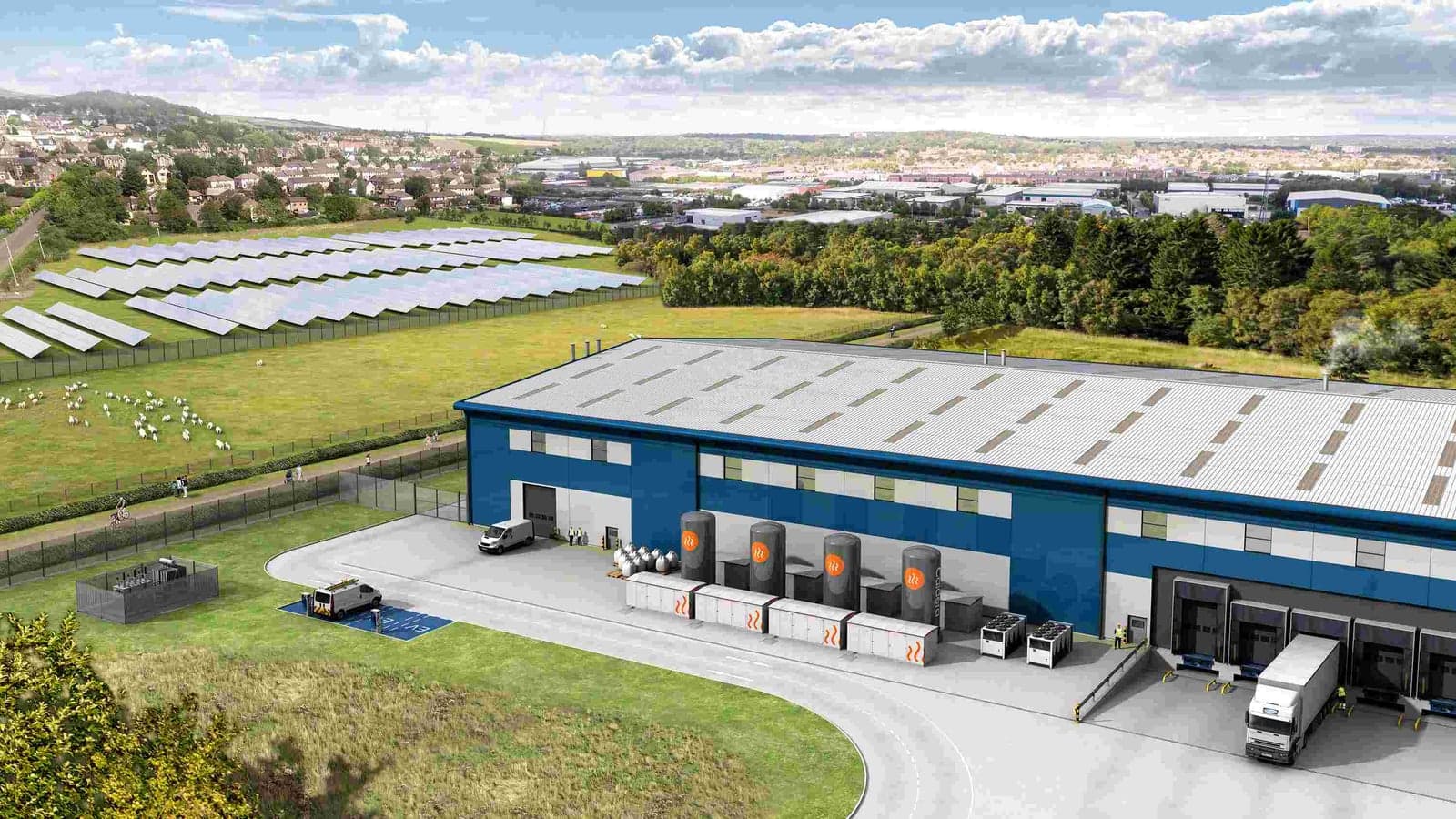
ECHO’s approach centres on the development of compact, flexible and modular thermal energy storage systems, designed to be plug-and-play and digitally controlled.
The project leverages two main classes of materials:
- Thermochemical materials that store energy through reversible chemical reactions, offering high energy density and long-term storage.
- Phase change materials that absorb or release heat as they change phase (e.g. from solid to liquid), enabling efficient temperature regulation.
By optimising the combination of the thermochemical and phase change materials, ECHO’s thermal storage units can provide space heating, cooling, hot tap water and even ice storage.
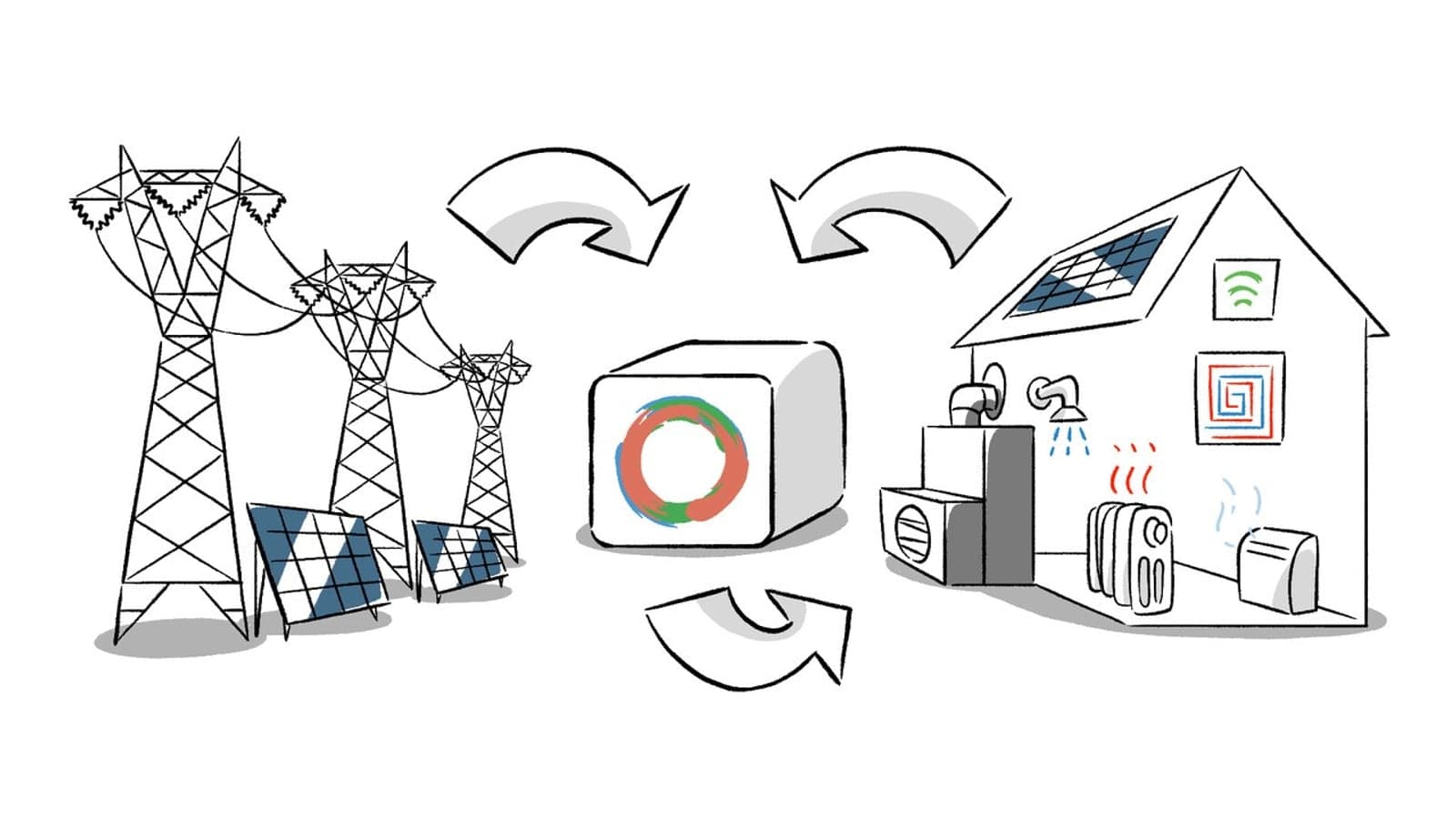
The systems are designed to be charged in multiple ways:
- Utilising surplus electricity from the grid, e.g. during periods of renewable overproduction;
- Direct connection to on-site renewable energy sources, such as solar panels; and
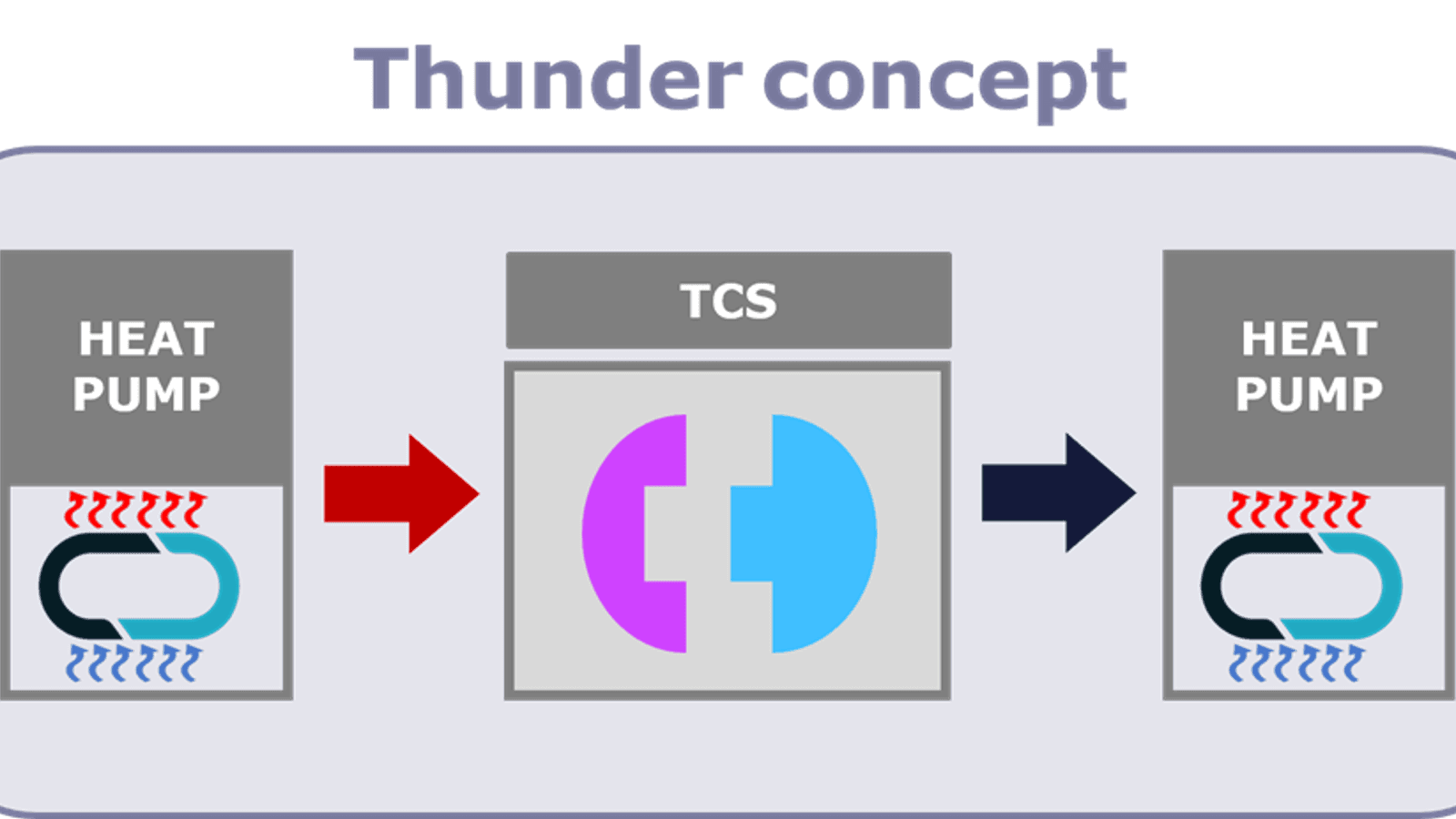
- Conversion of electrical energy to thermal energy via heat pumps.
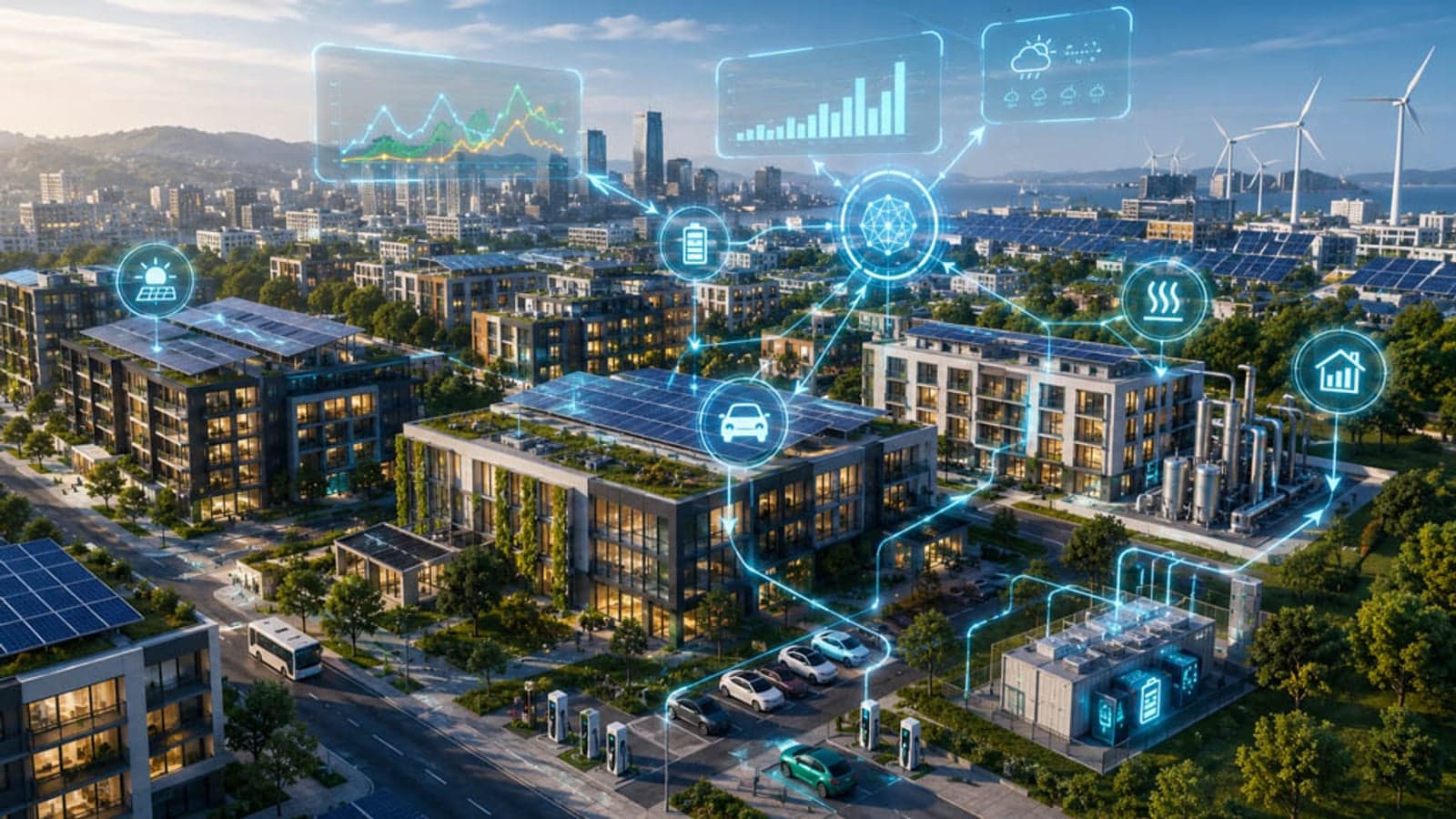
ECHO’s modular design allows deployment at various scales, from small apartments to large buildings. The project also integrates advanced digital controls for real-time management and optimisation of energy flows.
Demonstration and validation
ECHO’s solutions are being validated through a multi-stage process, starting with lab prototyping with initial testing and optimisation in controlled laboratory settings.
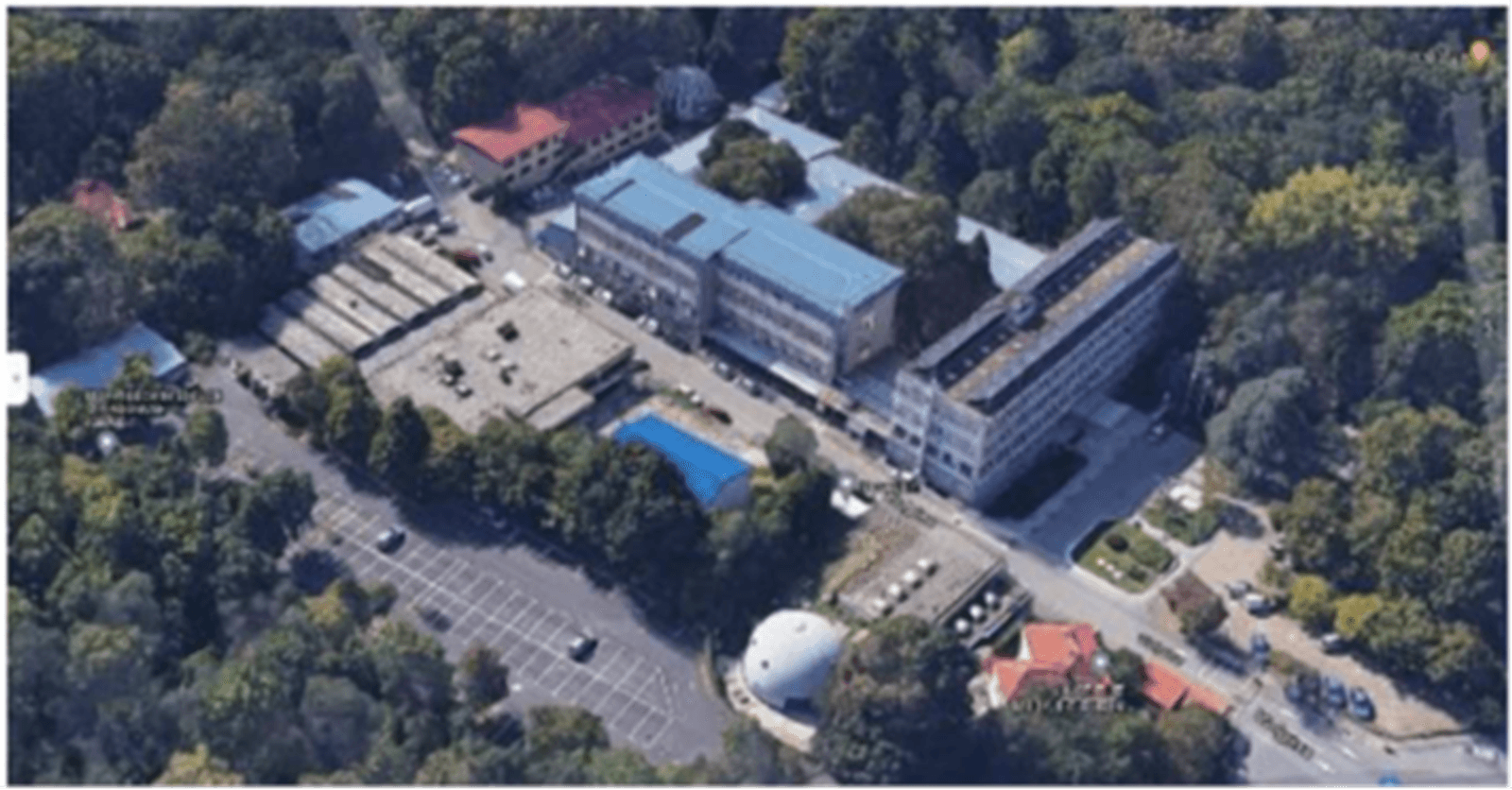
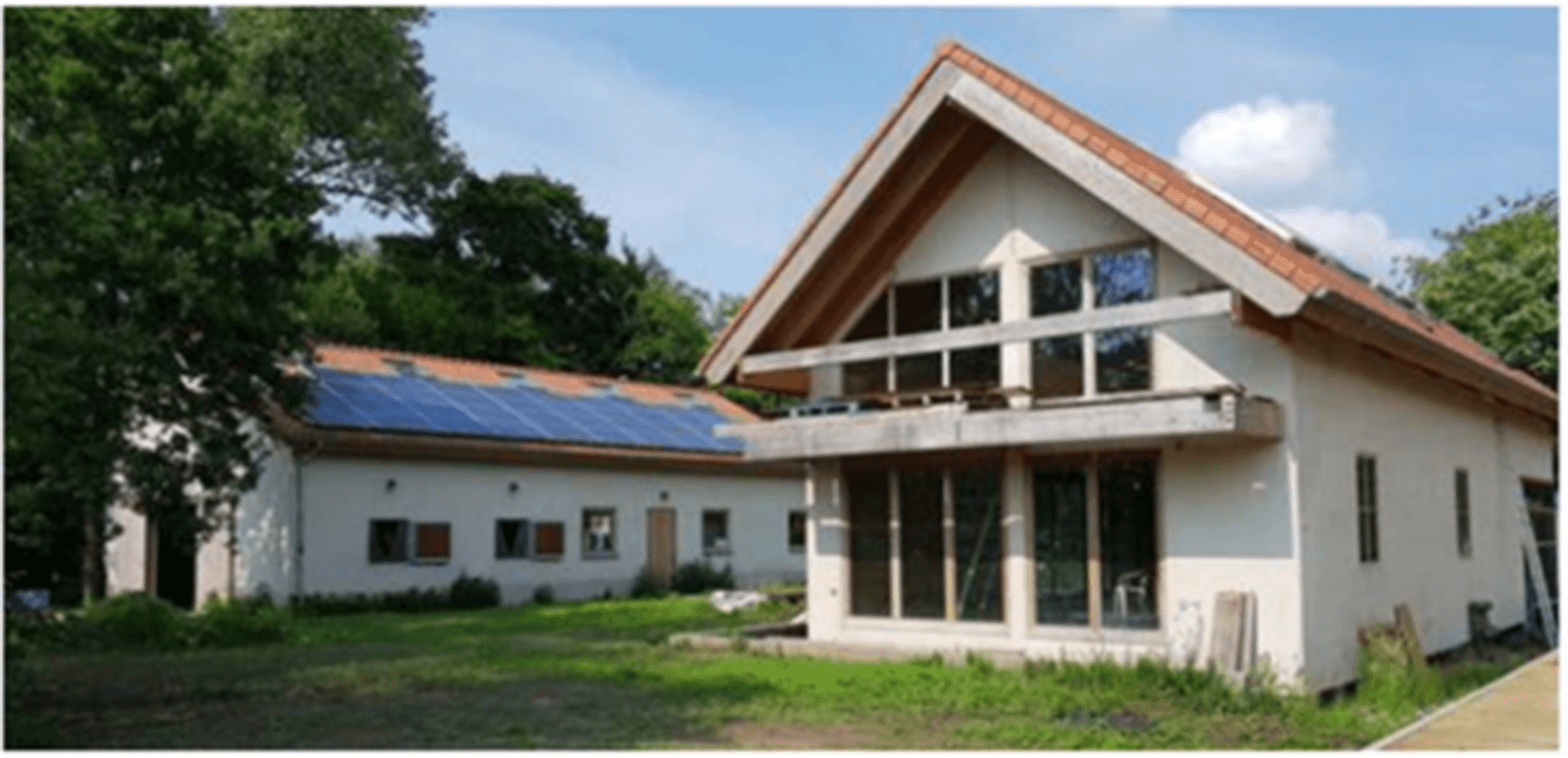
They then move to real-world validation in three diverse locations – Italy, Serbia and Belgium – covering different climates and building types. In addition city-scale simulations take place in Bilbao and Valencia, with the operation of widespread thermal storage deployment simulated to assess large-scale impacts.
Key findings
ECHO’s thermal energy storage systems can store energy for heating and cooling for up to four weeks, enabling significant load shifting and peak shaving. The modular, plug-and-play design allows easy integration into existing buildings and energy systems.
By maximizing the use of renewable energy and reducing reliance on fossil fuels, ECHO contributes to substantial GHG emissions reductions. Thermal energy storage solutions help avoid energy costs by shifting consumption to periods of lower prices and reducing peak demand charges.
ECHO is not just a technical project, it aims to raise awareness among EU citizens and policymakers about the benefits of TES, and to identify and address barriers to widespread adoption. The project’s agent-based transaction simulation system models how individual thermal storage units can operate in sync across different markets, maximising collective benefits.
In conclusion, ECHO demonstrates that innovative thermal energy storage can play a pivotal role in Europe’s energy transition. Its compact, flexible and sustainable thermal storage systems offer a pathway to decarbonise heating and cooling, reduce costs and empower citizens and cities.
As the project moves from demonstration to wider deployment, it sets the stage for a smarter, greener, and more resilient energy future.
Visit the ECHO project website for updates, publications, and contact information. See you at Enlit Europe 2025!
About the authors
Laura Fedele is Researcher Director at the Italian National Research Council (ITC-CNR) and leads its Padova branch and the research unit on materials and technologies for energy efficiency in buildings. She holds a degree in Chemical Engineering and a PhD in Technical Physics from the University of Padua. She is ECHO project coordinator.
Sara Attanà is Dissemination Manager and coordinator of the Dissemination and Communication team at the European Funding Development Service Line of Tinexta Innovation Hub. She holds a BSc in Communication Science and Master in Business Management. She is in charge of the dissemination and communication activities of the ECHO project.
Latest in Digitalisation
All articlesPartner content
+1
Digital water management: Empowering utilities with scientific decision-making
As urban water distribution networks continue to expand and water resource management becomes increasingly complex, water utilities are facing growing operational challenges.
- Guest/partner contributor
- 03/07/2026