Everything is energy' for power market expert Silvia Messa
Riaan Mostert
Posted on: 4 June 2025
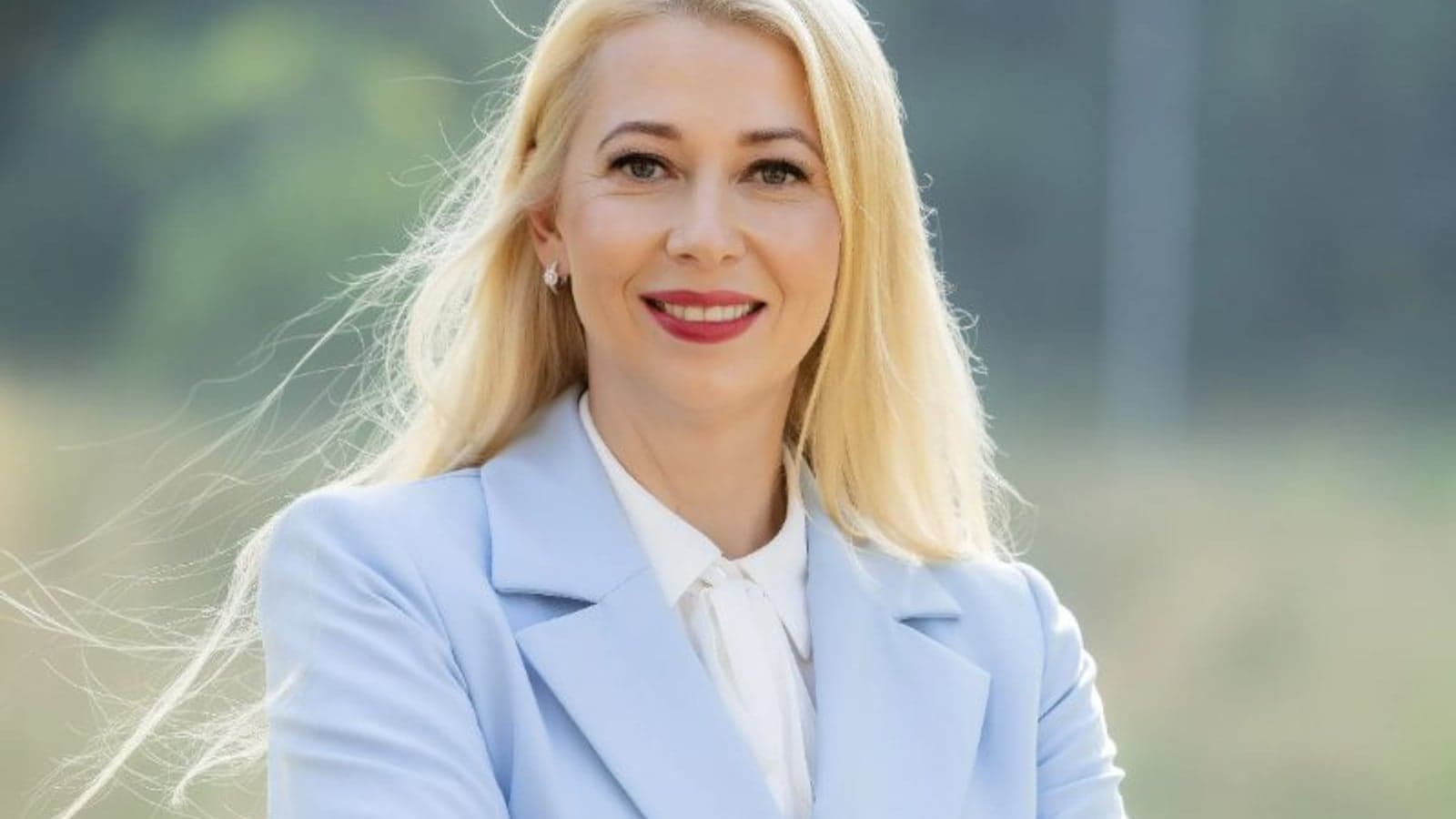
Silvia Messa, Head of Analysis Continental Europe & Japan at Volue, discusses her career journey, women in energy trading and the European power market.
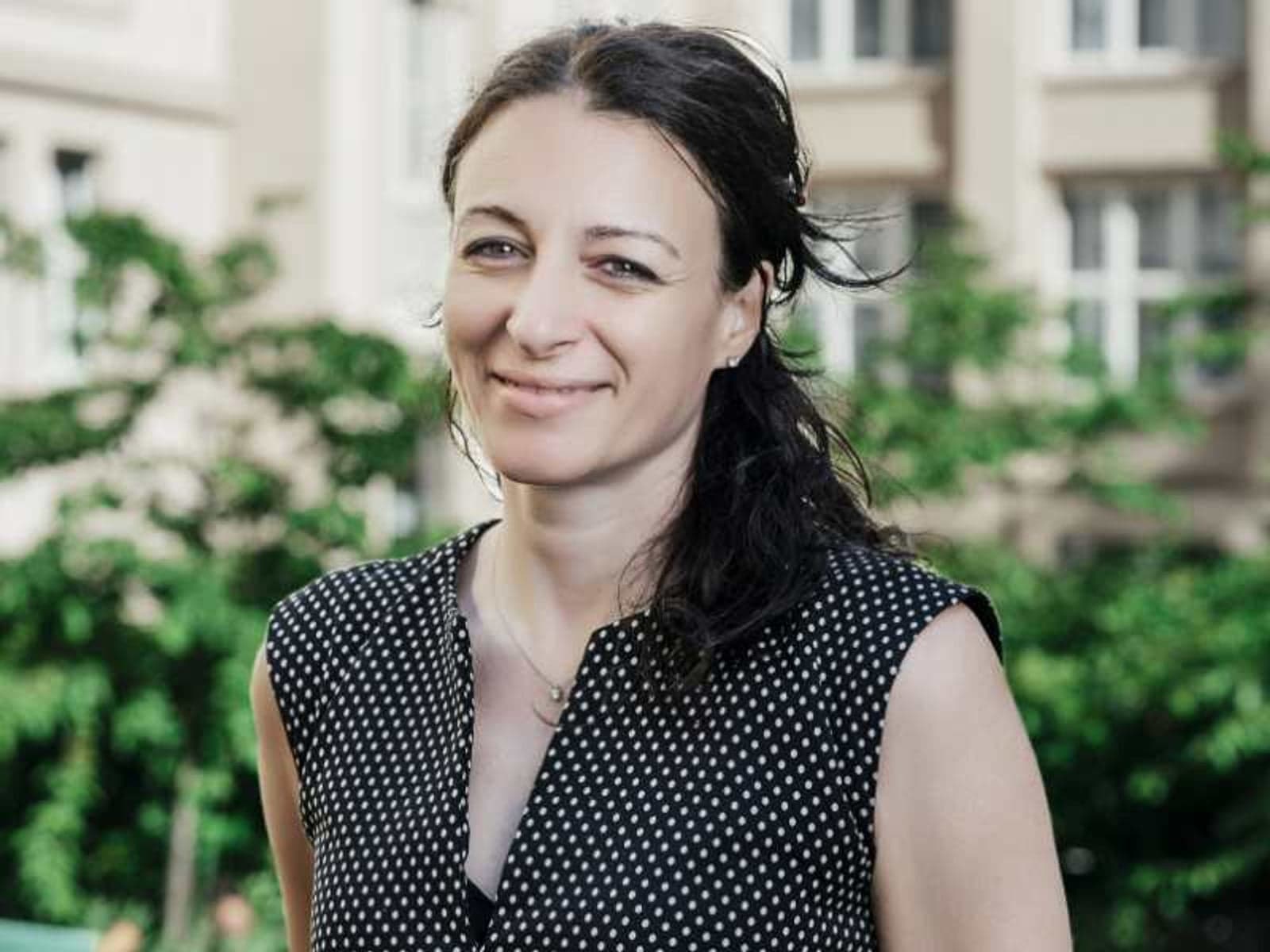
Silvia Messa, Head of Analysis Continental Europe & Japan at Volue, speaks to Kamogelo Motse about her career journey, women in energy trading and the European power market.
Silvia Messa believes that 'everything is energy' – a quote from Albert Einstein that she has featured prominently in her LinkedIn bio.
For Messa, energy is not only about physical 'matter' but also about "our thoughts and actions".
"We are influenced by the energy that other people ‘emit’ in our interactions with them. In my daily work, I try to bring the right ‘energy’ to my team - to boost the mood and strengthen our motivation to deliver good results," says Messa.
This philosophy has shaped Messa's perspective on both the energy sector and her career in energy trading.
You began your career in Milan before moving to Germany in 2007. What motivated this transition, and how did it shape your professional journey in the energy sector?
Since I was a child, living in Germany had always been my dream. In 2007, I was working in Milan for AEM trading, now A2A, as a Portfolio Manager. One of my main tasks was the daily cross-border (XB) electricity auctions for all Italian borders.
I got to know people from Statkraft at a brokers' party in Amsterdam, and I became very interested in the company. I soon learned that Statkraft had an open position on their trading floor in Düsseldorf for a portfolio manager focusing on cross-border trading covering Continental Europe. I applied and got my dream job.
Reflecting on your 20+ years in the commodity markets, can you identify a turning point or project that significantly influenced your career trajectory?
After my daughter was born in 2012, I returned to the office and started dedicating more time to analysing the market. Back then, in Central Western Europe, we were starting to discuss the introduction of flow-based market coupling, but no tool existed yet to forecast it.
I spent years studying documents and publications from great experts like Pieter Schavemaker to integrate the new cross-border optimisation into the models. I had the chance to lead an R&D project in Statkraft, coordinating internal and external parties to develop a model that enabled us to predict the spot exchange with accuracy, accounting for flow-based optimisation.
After that period, I decided to move to Volue, which had been supplying some of the inputs that we used in our model, to work with them on different projects coming online in the European power markets.
As Head of Analysis for Continental Europe and Japan at Volue, what does your day-to-day work entail, and how do you influence market strategies?
The team of analysts at Volue has a cross-functional role, covering all products offered by the company. We, as analysts, cover one or more areas and horizons. We’re constantly improving our understanding of market rules and market dynamics, serving as a reference for our customers and supporting the developers of our in-house models with data and analysis that enable our customers to optimise their businesses.
My role entails, among others, coordinating my team’s work to reach the goals set by the product owners.
Have you read?
Jeanette Gitobu on leading women in wind and shaping energy policy
Jordan Brompton: The gritty, green Grimbarian
Energy prices are increasingly seen as a critical factor in Europe’s competitiveness on the global stage. How do you see energy market structures influencing Europe's economic performance?
This is a very political question. We decided to decarbonise our power balances and industries. This comes at a cost. We cannot hide behind a finger. Over the past decade, Europe has lost an enormous number of industries due to high energy prices, both gas and power, compared to our international partners.
Should we have a referendum around Europe about this topic, given the impact that this whole process has had on the GDP of the different countries? I am not sure that everyone would agree on the benefit of this choice. That said, Europe has paved the way for the green transition not only here but all over the world. How to make this a story of success, despite the increasing technical and economic challenges, will be written in the history of the coming years.
With your expertise in cross-border trading and flow-based market coupling, what emerging trends do you foresee in the European and Nordic energy markets?
The pan-European market continues to evolve toward a more harmonised optimisation of algorithms and rules. Continental Europe and the Nordics are increasingly interconnected and interdependent.
The optimisation of commercial exchanges is surely related to the dynamic physics of the grid, but is also influenced by the different rules and regulations of each country, which not only impacts the domestic prices but also those of all other markets, adjacent or not.
Over the last 20 years, the markets have also increased enormously in their complexity, and this is why companies of all sizes need partners like Volue to operate their businesses. We help them build deep knowledge and participate in markets where automation and continuous optimisation are key to success.
What were some of the most significant challenges you encountered as a woman in a predominantly male-dominated industry, and how did you overcome them?
One of the key challenges for women is having children, as it can impact career progression. The time taken off after a baby is born, or the times when you need to stay home because kindergarten is closed, can affect opportunities in many jobs.
I had the privilege to work for Scandinavian companies and in Germany, where parents can take time off to take care of their child. That said, I’ve spoken with many who confirm that becoming a mother can be a challenge in your professional life. Currently, I work full-time, and I can do so because my kid’s dad takes care of them 50% of the time and supports me when I need to travel for work.
From your perspective, how has the role of women in the energy sector evolved over the years, and what more needs to be done to foster inclusivity?
To answer this question, we need to look at the interests and preferences of young women and men already at the university level.
After their studies, women and men should be offered equal opportunities to grow in their careers, based on their skills and abilities. I have many female friends who have reached senior roles and are now Heads of Trading or Finance, Portfolio Managers, or Directors.
We should make sure to spark interest in both girls and boys in the key topics relevant to the commodities world that will be key for the energy world, such as engineering, data science, math and physics, as well as finance and economics.
How can the energy trading sector attract more women?
Offering flexible work arrangements for parents would be a great start. Beyond that, I think it’s mainly a cultural topic. In the Nordics, women and men tend to share responsibilities more equally - at home and at work.
As you reflect on your career, what legacy do you hope to leave within the energy sector, and how do you wish to be remembered?
I would like my team, as well as my kids, to remember me as someone who pushed them every day to be the best versions of themselves. I would also like to be remembered as a person who challenged the status quo, fostering the comprehension of the different dynamics and helped foster cross-border dialogue across Europe.
Silvia Messa will be speaking at ETCSEE, taking place in Vienna on 11-12 June, as part of the European Power Market outlook: The Importance of CORE FBMC in the price formation in the East session.
Related tags
Latest content
+1
From finance to power: Lina Masiuliene's energy journey
Lina Masiuliene, Director of Strategic Services at Nord Pool, speaks to Kamogelo Motse about her career evolution and leadership in energy market development, gender diversity and inclusion in the energy sector and the European energy transition and market integration.
- Riaan Mostert
- 06/06/2025
+1
Why connection and confidence are key for women in engineering
The engineering profession is evolving rapidly and requires collaboration, creativity, and the inclusion of perspectives that reflect the world we’re designing for. That’s where team culture and diversity play a central role.
- Guest/partner contributor
- 23/06/2025