From finance to power: Lina Masiuliene's energy journey
Kamogelo Motse
Posted on: 6 June 2025
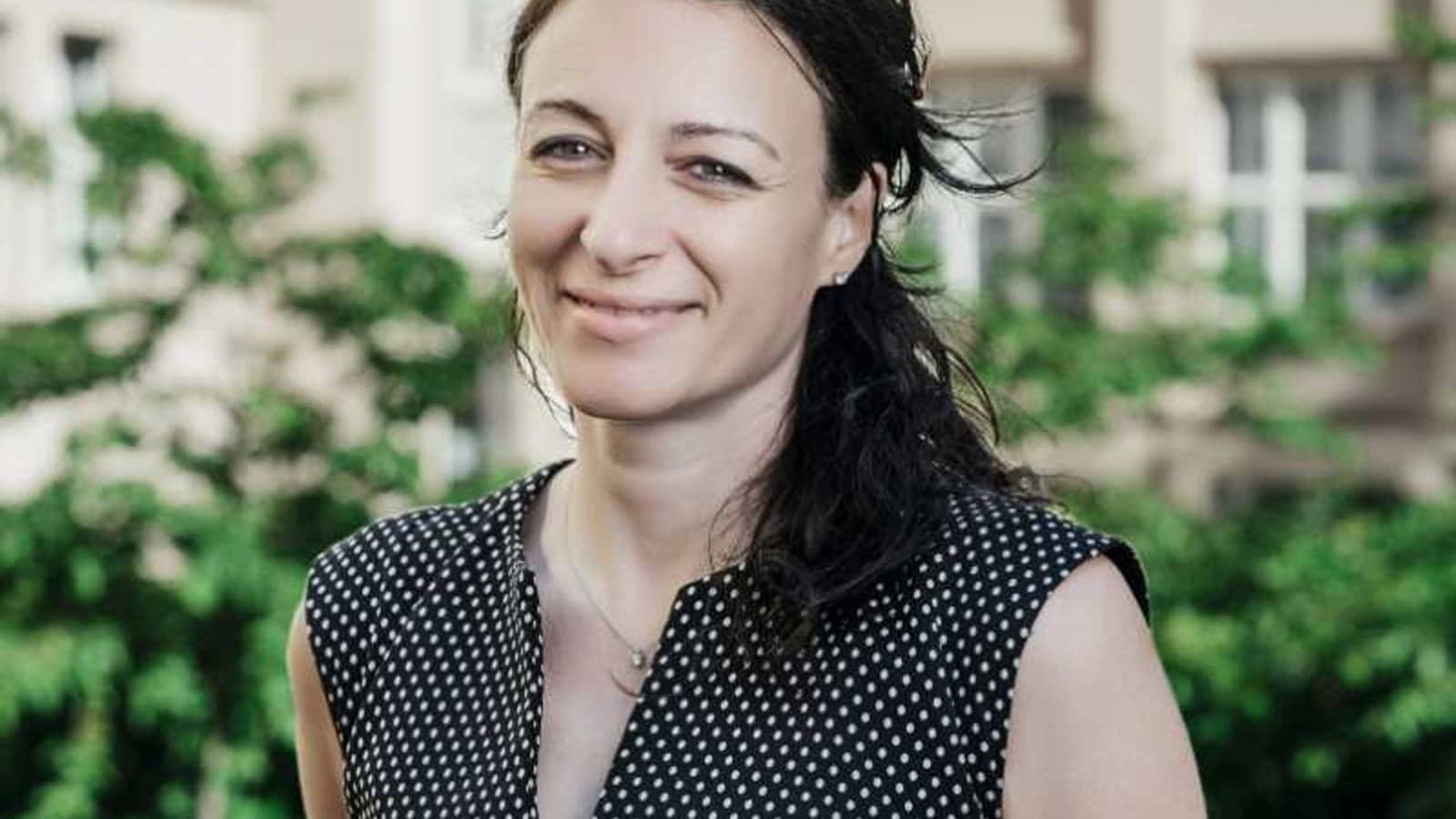
Lina Masiuliene, Director of Strategic Services at Nord Pool, speaks to Kamogelo Motse about her career evolution and leadership in energy market development, gender diversity and inclusion in the energy sector and the European energy transition and market integration.
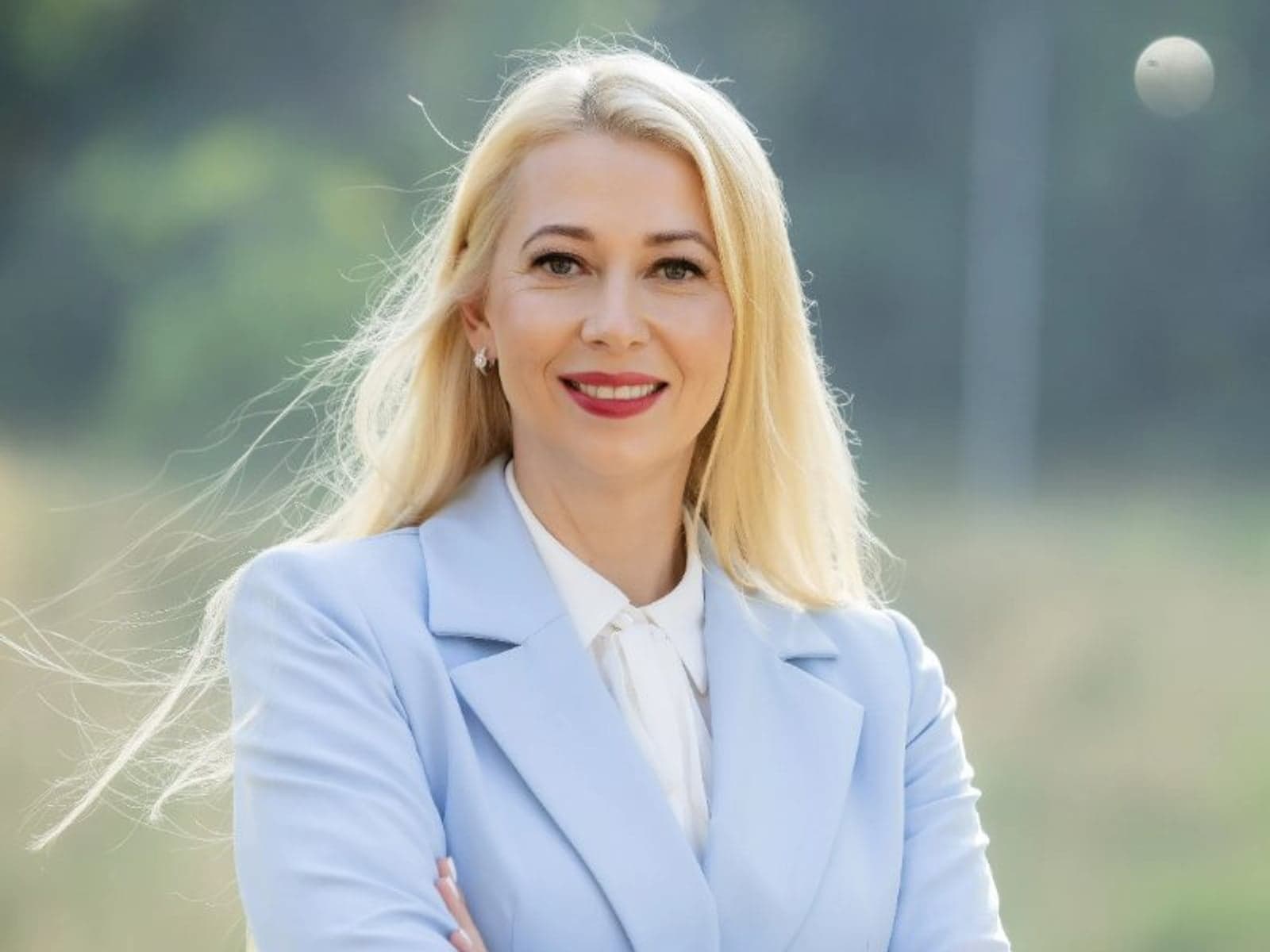
Lina Masiuliene, Director of Strategic Services at Nord Pool, speaks to Kamogelo Motse about her career evolution, leadership, gender diversity, and European energy market integration.
Masiuliene joined the energy sector after working in private banking. She describes the move as being "unexpected but rewarding" and she continues to be "thrilled" that she embraced this change. The shift happened in late 2009 when she was offered a leading position in the newly established company Power Exchange in Lithuania.
Energy, a new area of business for her, was prominent in public debates at the time.
In 2010, Lithuania’s energy sector was undergoing significant transformation, driven by the closure of the Ignalina Nuclear Power Plant at the end of 2009, as required by the European Union for Lithuania’s 2004 EU accession.
Following the BEMIP (Baltic Market Interconnection Plan), an initiative launched by the European Commission, Lithuania agreed to implement concrete plans for the integration of the Baltic markets into the broader EU system.
Masiuliene was motivated to work in a sector that was being heavily debated, but which was less mature than banking. As it turned out, "having a Master’s degree in Finance and experience in financial markets was essential to start a power exchange business", she says.
Can you share a pivotal moment or project in your career that significantly influenced your professional trajectory in the energy industry?
I would like to mention two very important events that influenced my journey. Firstly, launching the new Power Exchange in Lithuania on New Year’s Day 2010. This was an extraordinary and unforgettable day for me, as the CEO at that time, but it was also a very important step for the whole country.
The second very important moment was integration with neighbouring countries: the Nord Pool bidding area in Lithuania was opened in June 2012, and the coupling of the Baltic/Nordic markets was completed in 2013. Taking part in big European projects motivated me, and I decided to continue doing that as part of the Nord Pool team.
Have you read?
‘Everything is energy’ for power market expert Silvia Messa
We need to keep impact top of mind when it comes to innovation says Luca Mezossy-Dona
As someone from Lithuania working in the energy sector, how was it to see Lithuania join the European continental grid in February 2025?
It was a historic moment for everyone in Lithuania, in the Baltic States and for Europe. It is an important milestone for strengthening the energy independence and resilience of the whole region. Synchronisation allows the Baltic countries to operate their electricity systems in close cooperation with other continental European countries, ensuring stable and reliable frequency control, which enhances regional energy security.
Previously dependent on Russia's IPS/UPS system for frequency control, Lithuania, Latvia and Estonia are now connected to a continental European grid covering more than 400 million customers in 26 countries. All electricity connections to Russia and Belarus have been permanently disconnected.
As a woman in a traditionally male-dominated field, what challenges have you faced, and how have you navigated them to achieve success?
The energy sector has traditionally been viewed as male-dominated, but I believe that is changing. I have the privilege of working alongside many highly talented and skilled women in my professional life, for example, on the Board of Directors of APEx (the World Association of Power Exchanges).
The key qualities that drive career growth in my view are: dedication, integrity and adaptability in a dynamic environment. Those qualities are universal.
How can the energy trading sector attract more women?
The energy sector is constantly changing and can attract more women by showcasing its dynamic nature, technological advancements and geopolitical importance. By emphasising that gender is irrelevant and providing strong role models, the sector can show that energy is a fascinating field open to everyone with a passion for learning and innovation.
In the Nordic and Baltic countries, more and more women naturally join the energy sector after school. I have several younger women in my team with this exact background. Given the attention the sector receives through the energy transition, and with energy a very hot topic across the EU, its significance in shaping the future makes it an exciting and relevant field for all.
In your role as Director of Strategic Services at Nord Pool, what are your primary responsibilities, and how do you contribute to the company's objectives?
At Nord Pool I oversee several key strategic and growing business areas, including Nord Pool Consulting, Nord Pool Academy and the delivery of trading platforms and services enabling power exchange activities in five different countries across Europe. We also provide services such as market coupling, market surveillance and other services to transmission system operators and cable owners. Growing these strategic services is one of the key objectives of Nord Pool.
What significant trends do you observe in the Central and Eastern European (CEE) energy markets, and how is Nord Pool adapting to these changes?
In my view, the biggest developments are happening in the Energy Community contracting countries, where countries are in the process of adopting regulations to EU standards and becoming fully integrated in the single European Energy Market. Nord Pool, as an established power exchange for more than 30 years, operating in 17 countries and delivering services to five other power exchanges, is the driving force for the establishment and continuous development of the European market model and its regulations. As a result, we are well placed to support other countries in this important journey.
Energy prices are increasingly seen as a critical factor in Europe’s competitiveness on the global stage. From your vantage point, how do you see energy market structures influencing Europe's economic performance?
It is true that the high energy prices we have seen in Europe in previous years have had a significant impact on the competitiveness of European industry. Those of us who operate organised markets play a key role in ensuring that the most efficient resources are consumed first. Ensuring a more efficient overall energy system and a market design constantly fit for purpose will continue to be important as we gradually move away from fossil energy sources towards a fully renewable system.
Overall, Europe needs to continue working on reducing electricity prices by investing in new technologies, artificial intelligence and a combination of renewable energy sources and large-scale battery facilities.
Looking ahead, what major developments or challenges do you foresee in the European energy markets, and how should professionals prepare for them?
The European energy market in 2025 faces several significant challenges, driven by the ongoing transition to clean energy, geopolitical challenges, changes in regulation (CACM 2.0), economic pressures, growing amounts of renewable energy, etc. The rapid growth of renewables, with 47% of the EU’s net electricity generation coming from renewable energy sources in 2024, strains grid infrastructure and requires new flexibility solutions.
Foreseeable challenges in the European energy markets include the curtailment of renewable energy and occasional negative power prices. The intermittence of solar and wind energy may impact grid stability, leading to price spikes or rationing, as observed in countries like Germany and Spain. To mitigate these risks, I believe it is important that countries, especially in Europe, collaborate and share experiences and lessons learned. Today, we have many countries joined together in a common European market, interconnected across borders, where good collaboration and competence-building are key to facing the challenges with which we are presented.
As you reflect on your career, what legacy do you hope to leave within the energy sector, and how do you wish to be remembered?
I am very motivated to see my team, especially the younger members, succeed in projects and assignments when they are noticed by external parties. My biggest wish and dream is to enable others to grow and to leave my knowledge to people who come after me.
Lina Masiuliene will be speaking at ETCSEE, taking place in Vienna on 11-12 June, as part of 'Highlights on EC Integration and the CEE Market' session.
Related tags
Latest content
+1
Why connection and confidence are key for women in engineering
The engineering profession is evolving rapidly and requires collaboration, creativity, and the inclusion of perspectives that reflect the world we’re designing for. That’s where team culture and diversity play a central role.
- Guest/partner contributor
- 23/06/2025