Geopolitics unveils energy vulnerabilities says IEA World Energy Outlook
Yusuf Latief
Posted on: 16 October 2024
Tense geopolitics have been found to lay bare the fragilities in the global energy system, finds the IEA's latest World Energy Outlook.
Geopolitical tensions have been found to lay bare the fragilities in the global energy system, reinforcing the need for faster expansion of clean energy, finds the International Energy Agency in its latest World Energy Outlook report.
Regional conflicts and geopolitical strains are highlighting significant fragilities in today’s global energy system, finds the report, making clear the need for stronger policies and greater investments to accelerate and expand the transition to cleaner and more secure technologies.
Energy security concerns
Specifically, states the report, escalating conflict in the Middle East and the ongoing war in Ukraine underscore the continued energy security risks that the world faces.
Some of the immediate effects of the global energy crisis had started to recede in 2023, but the risk of further disruptions is now very high.
According to the IEA, the experience of the last few years shows how quickly dependencies can turn into vulnerabilities; a lesson that applies also to clean energy supply chains that have high levels of market concentration.
Additionally, markets for traditional fuels and for clean technologies are becoming more fragmented.
Specifically, since 2020, almost 200 trade measures affecting clean energy technologies – most of them restrictive – have been introduced around the world, compared with 40 in the preceding five-year period.
Have you read:
IEA: Ten energy actions for Ukraine as winter approaches
Hydrogen market still sluggish shows IEA’s 2024 global review
A new energy market
The report’s projections, based on today’s policy settings, indicate that the world is set to enter a new energy market context in the coming years, marked by continued geopolitical hazards but also by relatively abundant supply of multiple fuels and technologies, driving downward pressure on prices.
This includes an overhang of oil and liquefied natural gas (LNG) supply coming into view during the second half of the 2020s, alongside a large surfeit of manufacturing capacity for some key clean energy technologies, notably solar PV and batteries.
The report also finds that low-emissions sources are set to generate more than half of the world’s electricity before 2030 – and demand for all three fossil fuels – coal, oil and gas – is still projected to peak by the end of the decade.
Clean energy, it adds, is entering the energy system at an unprecedented rate, but deployment is far from uniform across technologies and markets.
China continues to stand out
In this context, the report also shows that the contours of a new, more electrified energy system are coming into focus as global electricity demand soars.
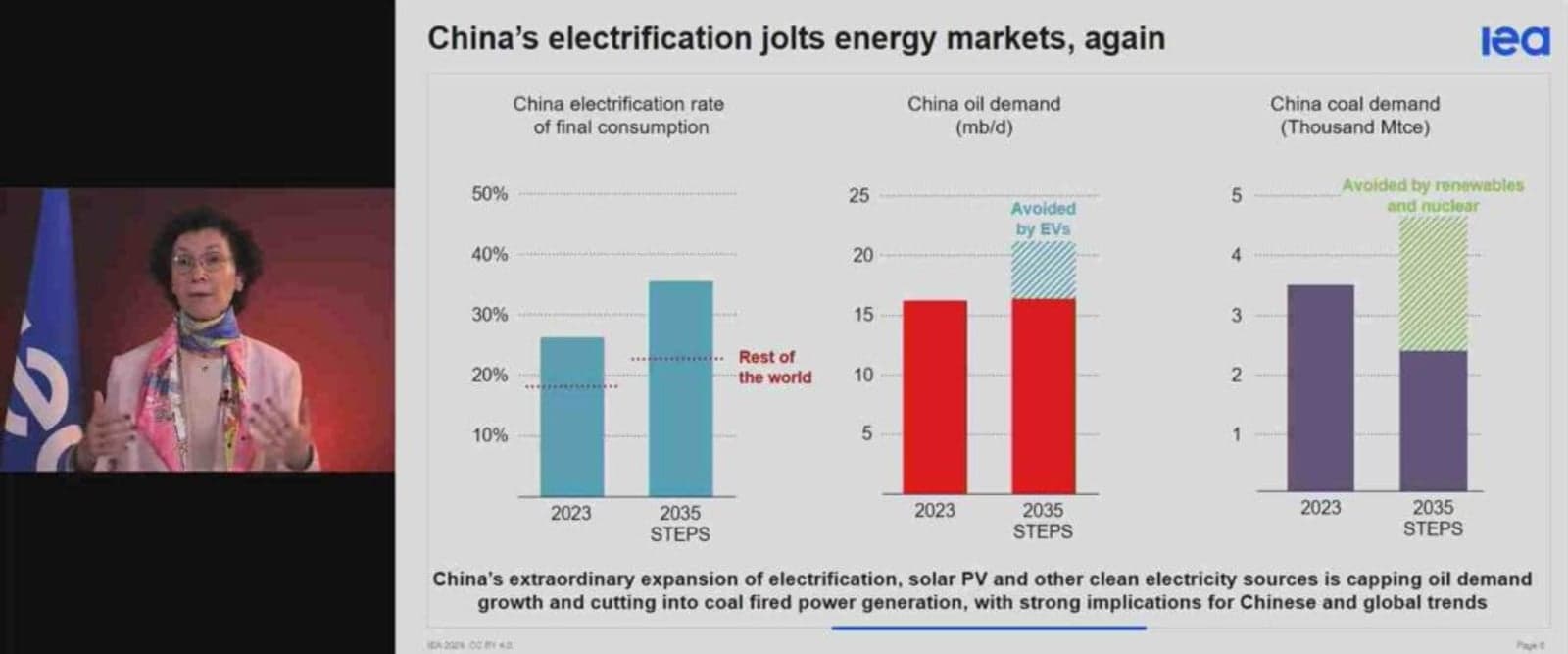
Electricity use has grown at twice the pace of overall energy demand over the last decade, with two-thirds of the global increase in electricity demand over the last ten years coming from China.
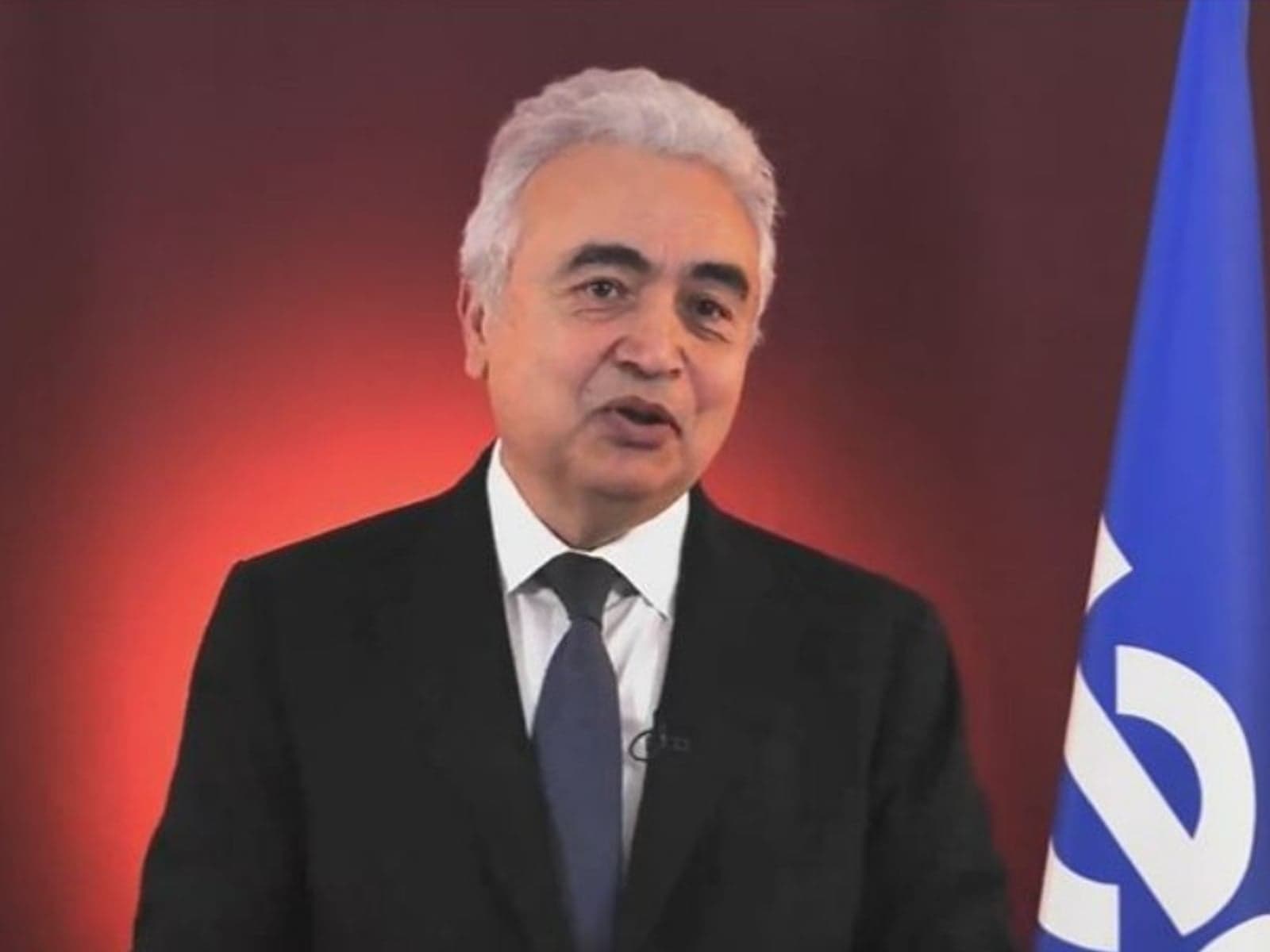
IEA Executive Director Fatih Birol: “As with many other global energy trends today, China is a major part of what is happening. Whether it’s investment, fossil fuel demand, electricity consumption, deployment of renewables, the market for EVs, or clean technology manufacturing, we are now in a world where almost every energy story is essentially a China story.”
According to the report, China accounted for 60% of the new renewable capacity added worldwide in 2023 and their solar PV generation alone is on course to exceed, by the early 2030s, the total electricity demand of the United States today.
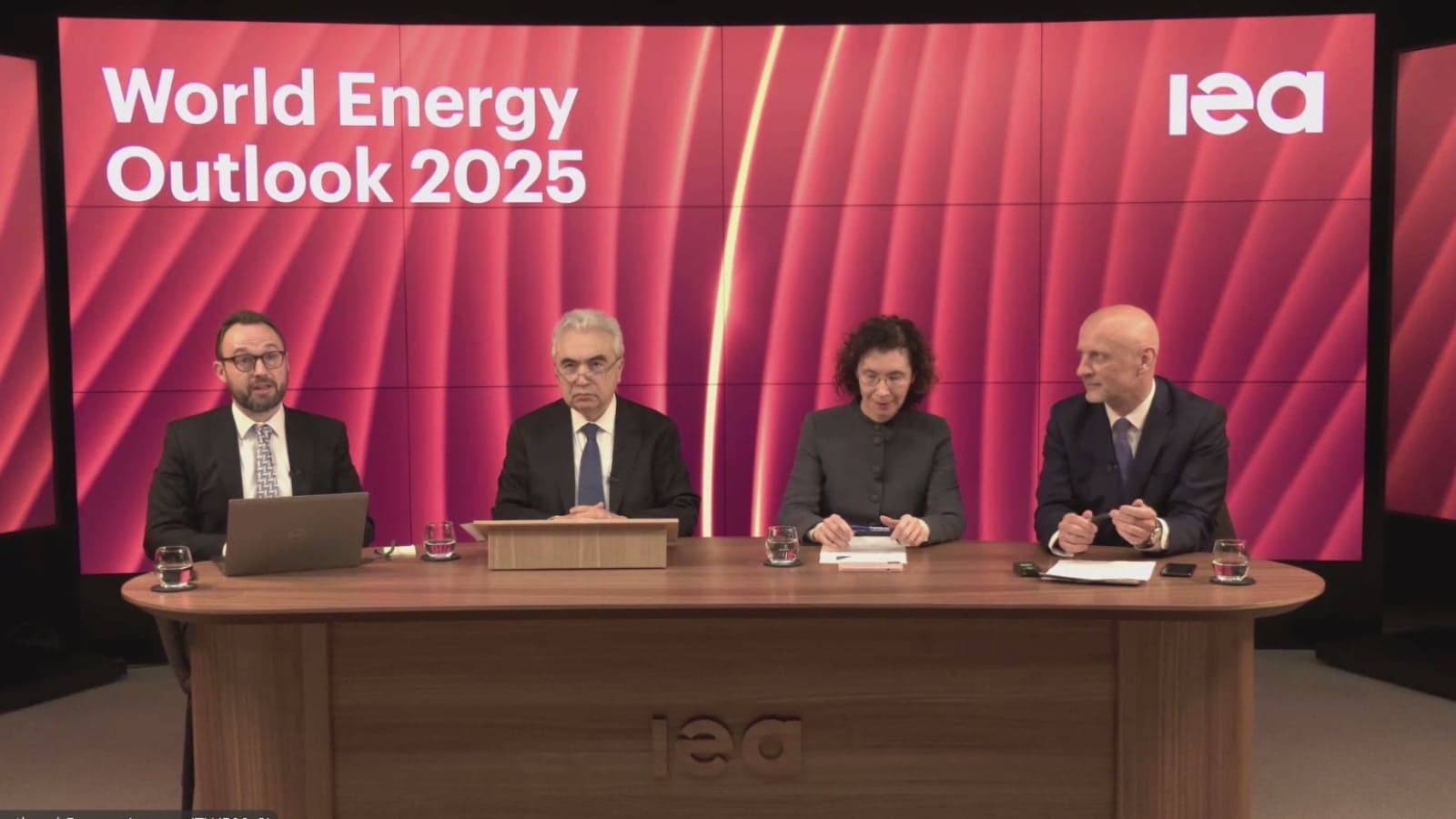
During a press conference to launch the report, Laura Cozzi, IEA Director of Sustainability, Technology and Outlooks, said: “We are seeing every country around the world charting their own energy history but while doing so we will have to continue to look at what’s happening in China.
“China’s electrification will impact global markets.
“The continuation of growth in EVs in China, which will cut out of their domestic demand around 5 million barrels per day in 2035, is one of the main [reasons] why we are expecting a peak in global oil demand and understanding this part of China’s story is going to matter hugely for every country in the world for the global energy story.”
Global electrification
Birol added that, with entrance into the new ‘Age of Electricity’, energy demand is expected to skyrocket, not only because of the surge in EV uptake and immense demand from data centres and AI, but also because of technologies like air conditioners, who’s uptake has been growing due to climate change.
“Electricity demand globally is growing very fast, driven by many things [such as] electric cars, but also, especially in the emerging world, air conditioners. Today in Japan, or in the United States, 90% of households have an air conditioner.
“But in the emerging world, these numbers are very low. In Nigeria, only 5% of households own an air conditioner. In Indonesia, only 15%…With increasing income levels and heat waves we see around the world from climate change, people buy air conditioners which in turn increases the electricity demand.”
The necessity of grid expansion
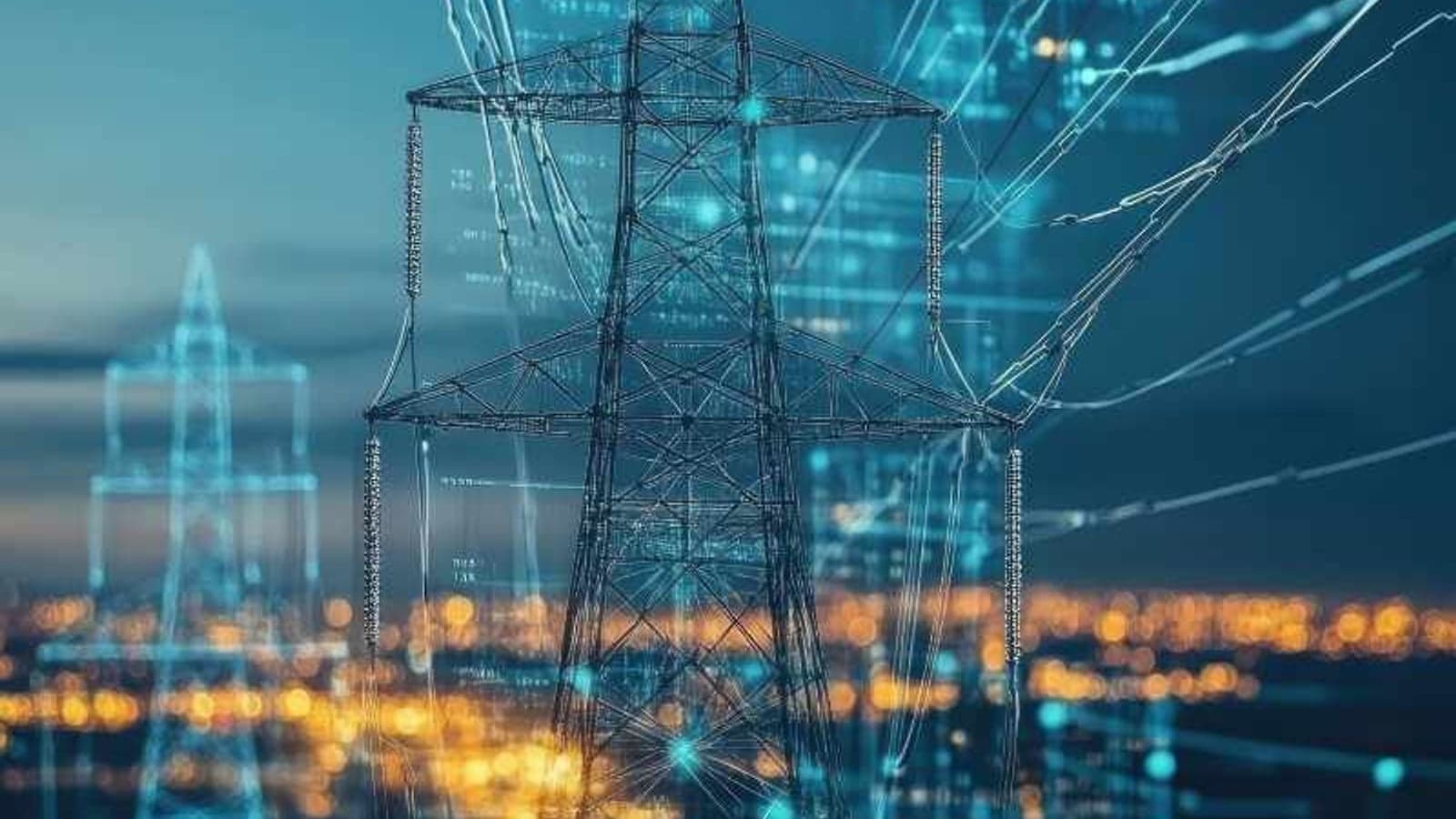
The report adds that, for clean energy to continue growing at pace, much greater investment in new energy systems, especially in electricity grids and energy storage, are necessary.
According to the report, for every dollar spent on renewable power, 60% are spent on grids and storage, highlighting how essential supporting infrastructure is not keeping pace with clean energy transitions.
Secure decarbonisation of the electricity sector requires investment in grids and storage to increase even more quickly than clean generation, and the investment ratio to rebalance to 1:1.
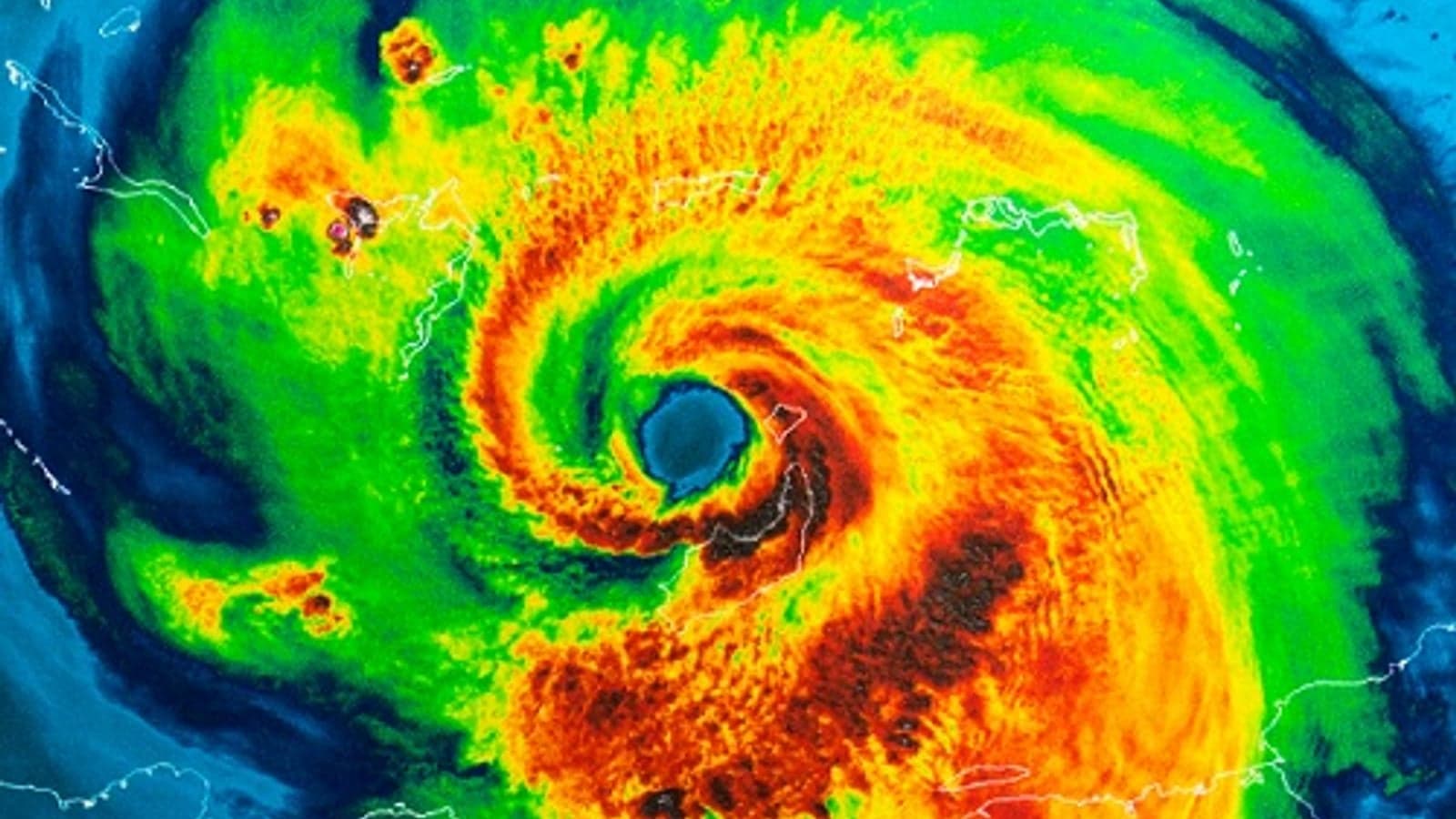
Many power systems are currently vulnerable to an increase in extreme weather events, putting a premium on efforts to bolster their resilience and digital security.
Global goals
According to the report, despite growing momentum behind clean energy transitions, the world is still a long way from a trajectory aligned with its net zero goals.
Decisions by governments, investors and consumers, the report adds, too often entrench the flaws in today’s energy system, rather than pushing it towards a cleaner and safer path.
The report says that, although global carbon dioxide emissions are set to peak imminently, the absence of a sharp decline after that means the world is on course for a rise of 2.4°C in global average temperatures by the end of the century, well above the Paris Agreement goal of limiting global warming to 1.5°C.
The report underlines the links between risks of energy security and climate change. In many areas of the world, extreme weather events, intensified by decades of high emissions, are already posing profound challenges for the secure and reliable operation of energy systems, including increasingly severe heatwaves, droughts, floods and storms.
A new energy system needs to be built to last, the report emphasises - one that prioritises security, resilience and flexibility, and ensures that benefits of the new energy economy are shared and inclusive.
In some regions of the world, finds the report, high financing costs and project risks are limiting the spread of cost-competitive clean energy technologies to where they are needed most.
This is especially the case in developing economies where these technologies can deliver the biggest returns for sustainable development and emissions reductions. Lack of access to energy remains the most fundamental inequity in today’s energy system, with 750 million people – predominantly in sub-Saharan Africa – without access to electricity and over 2 billion without clean cooking fuels.
Birol said: “In previous World Energy Outlooks, the IEA made it clear that the future of the global energy system is electric – and now it is visible to everyone.
“In energy history, we’ve witnessed the Age of Coal and the Age of Oil – and we’re now moving at speed into the Age of Electricity, which will define the global energy system going forward and increasingly be based on clean sources of electricity.”