IEA sounds alarm on energy security threats in latest global report
Pamela Largue
Posted on: 12 November 2025
In its latest World Energy Outlook, IEA urges governments to diversify their energy supply and embrace cooperation with other countries.

The International Energy Agency has published the 2025 iteration of its flagship report, the World Energy Outlook, which this year highlights that energy has become a critical national security issue and also warns of further turbulent times ahead.
The report calls for governments to urgently pursue more diversified supply chains, as well as adopt a more cooperative stance with other countries.
The reason for this pre-emptive action, says the IEA, is their expectation of more than the usual geopolitical tensions and risks affecting oil and gas supply.
More specifically, the report refers to the longer-term risks across an “unprecedented range of fuels and technologies”, supply chain vulnerabilities, especially regarding critical minerals and this within the context of decreasing momentum behind reducing emissions.
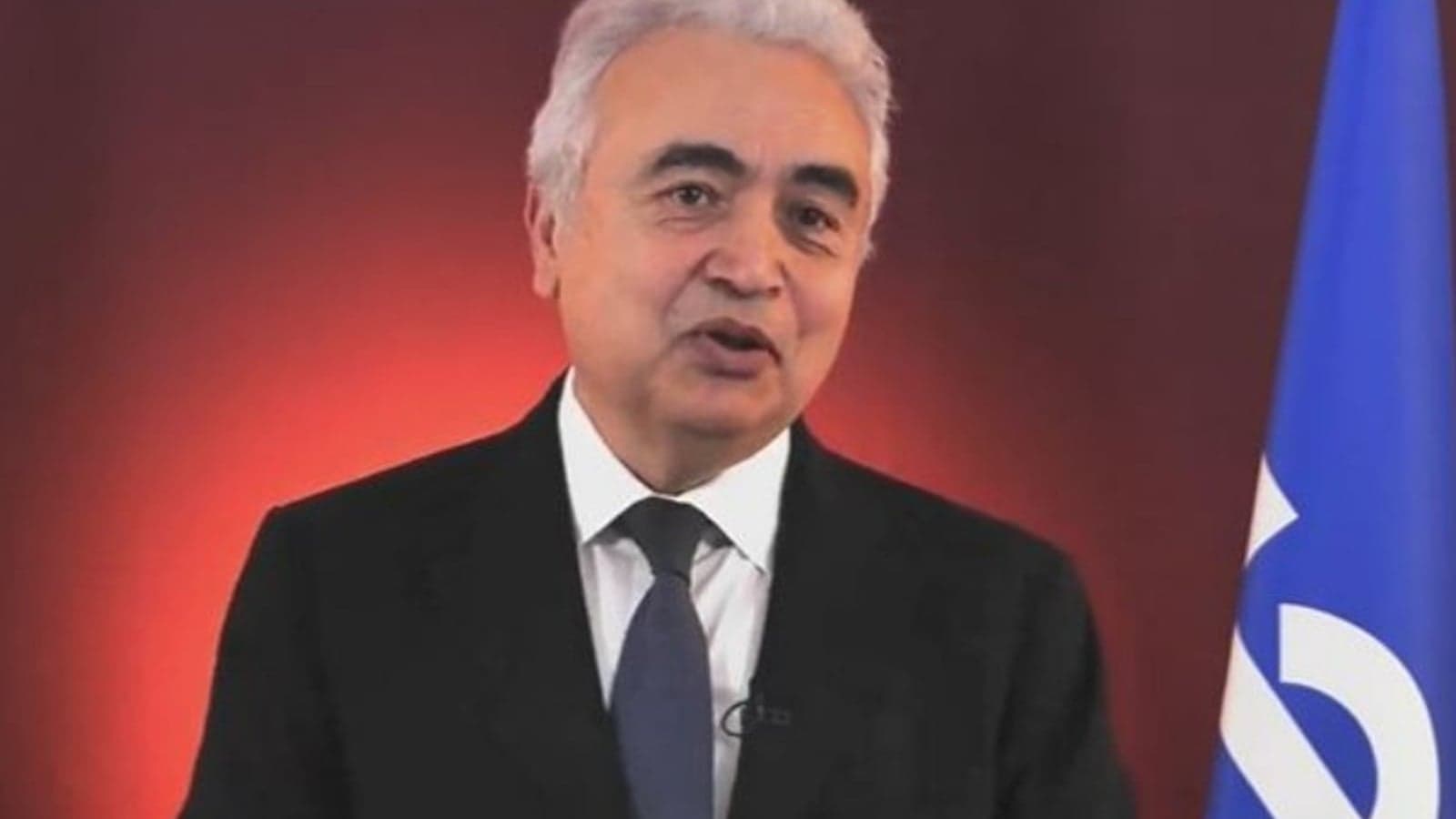
In a press conference, IEA Executive Director Fatih Birol said: “In my view, one of the most important takeaways is that global energy security faces an unprecedented range of energy security threats.” He said these were threats to "multiple fuels and technologies" and added that they are coming "simultaneously".
Birol emphasised that with energy security front and centre for many governments, they will need to consider the synergies and trade-offs that can arise with other policy goals, specifically, concerning affordability, competitiveness and climate change.
Critical minerals
One key risk, states the IEA, is market concentration of minerals needed for grids, batteries and EVs, as well as defence systems.
Birol referenced the many instances the IEA has run the alarm bells concerning threats to rare earth supply chains, adding these are no longer theoretical threats: “We see export recessions are a challenge and threat to various sectors.”
The report shows that a single country is the dominant refiner for 19 out of 20 energy-related strategic minerals, with an average market share of around 70%.
The report calls on governments to create more diverse and resilient supply chains by building new partnerships and projects.
Focus on resilience
Besides the need for more resilient supply chains, the IEA emphasises the need for resilience against cyber-attacks and weather-related incidents.
As we embark on what Birol terms the 'Age of Electricity', demand growth will continue in varying proportions from appliances and air conditioners, advanced manufacturing and other light industries, electric mobility, data centres and electrified heating.
Have you read?
Why storage is the missing piece in Europe’s energy transformation
Energy resilience trumps fossil phase-out as government priority finds Siemens study
Investors are reacting to this by spending on electricity supply and end-use electrification, which already accounts for half of today’s global energy investment.
This underscores the need for a secure supply of electricity, a resilient grid and power system flexibility to be put in place.
Investments in the grid are lagging, states the IEA, with annual spend rising to $400 billion - less than half the pace of electricity generation.
This ultimately increases congestion, delays the connection of new sources of electricity generation and demand, pushes up electricity prices and increases curtailment.
These risks have however been mitigated in part by the rise of battery storage, where annual additions rose to more than 75GW in 2024.
Birol highlighted the driving forces behind increasing demand: “In a break from the trend of the past decade, the increase in electricity consumption is no longer limited to emerging and developing economies.
"Breakneck demand growth from data centres and AI is helping drive up electricity use in advanced economies, too. Those who say that ‘data is the new oil’ will note that this surpasses the $540 billion being spent on global oil supply – a striking example of the changing nature of modern economies.”
Renewables, nuclear and LNG
The report shows that renewables are set to grow faster than any other major energy source in all IEA scenarios, with solar PV taking pole position ahead of all other sources.
That said, robust growth is forecast across wind, hydropower, bioenergy, geothermal and other technologies, with China continuing to be the largest market for renewables.
China’s exports of new energy technologies have grown to account for nearly 5% of its total goods exports, and Chinese companies continued investing in manufacturing facilities abroad raising concerns around the country’s dominance of these value chains.
The report highlights that after more than two decades of stagnation, global nuclear power capacity is set to increase by at least one-third to 2035. Investments are set to rise in both traditional large-scale plants and new designs across all scenarios, as more than 40 countries now include nuclear energy in their strategies and are taking steps to develop new projects.
In terms of LNG, the IEA’s report shows that final investment decisions for new LNG projects increased in 2025, adding to an increase in natural gas supply and lowering of prices in coming years.
Around 300 billion cubic metres of new annual LNG export capacity is scheduled to start operation by 2030, leading to a 50% increase in available global LNG supply.
Latest content
+1
Is the energy transition immune to Covid?
Advances in low carbon technology, shifting consumer preferences, shareholder scrutiny and government policies will see the energy transition continue post-coronavirus, argues Georgina Hayden, energy consultant and co-founder of research and analysis firm, North Shore Analysis.
- Guest/partner contributor
- 25/01/2021